Imagine opening your freezer to find a week’s worth of delicious, home-cooked meals ready to heat and eat. This is the magic of batch cooking, a time-saving strategy that transforms how you approach meal planning and food preparation.

In today’s fast-paced world, finding time to cook nutritious meals can feel overwhelming. Between work commitments, family responsibilities, and personal pursuits, the kitchen often becomes a source of stress rather than creativity. Batch cooking offers a practical solution that combines smart shopping, efficient preparation, proper portioning, and strategic freezing to ensure you always have wholesome meals at your fingertips. This comprehensive guide will walk you through every step of mastering this invaluable skill.
Understanding the Batch Cooking Philosophy 🎯
Batch cooking isn’t just about making large quantities of food—it’s a strategic approach to meal management that saves time, reduces waste, and promotes healthier eating habits. The concept revolves around dedicating a few concentrated hours to preparing multiple meals that can be stored and consumed throughout the week or month.
This method differs from traditional meal prep in its focus on complete, freezer-friendly dishes rather than just chopping vegetables or marinating proteins. When executed properly, batch cooking can reduce your weekly cooking time by up to 70%, significantly decrease food waste, and lower your grocery bills by enabling bulk purchasing and preventing last-minute takeout orders.
Shopping Smart: The Foundation of Successful Batch Cooking 🛒
Effective batch cooking begins long before you turn on the stove—it starts in the grocery store. Strategic shopping ensures you have the right ingredients in appropriate quantities without overspending or overbuying perishables.
Creating Your Master Shopping List
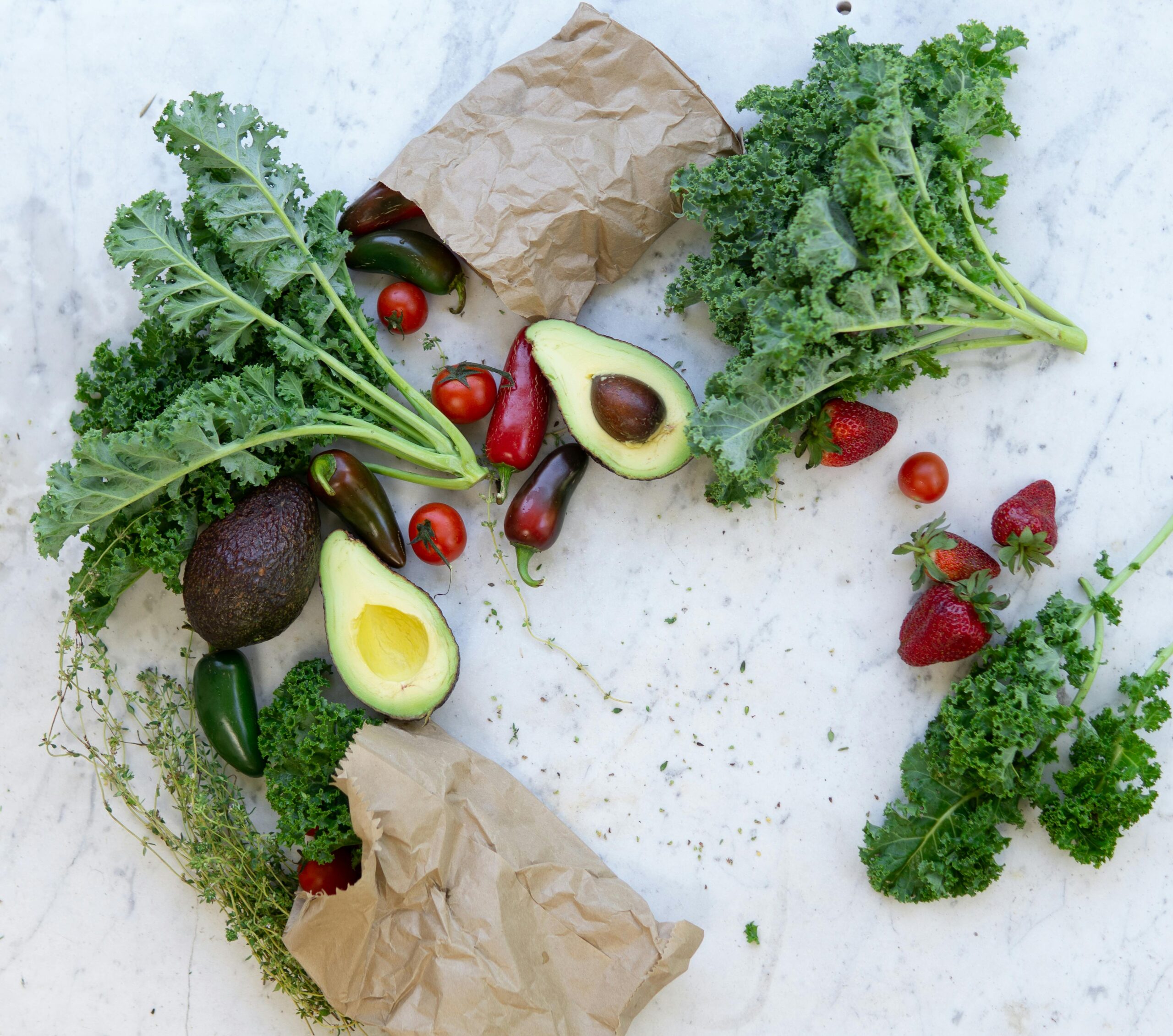
Begin by planning your batch cooking menu for the upcoming period. Select recipes that share common ingredients to maximize efficiency and minimize waste. For instance, if you’re making both chili and pasta sauce, you’ll use tomatoes, onions, and garlic in both dishes.
Organize your shopping list by store sections: produce, proteins, grains, dairy, and pantry staples. This organization speeds up your shopping trip and ensures you don’t forget essential items. Consider these categories when building your list:
- Base proteins: chicken breasts, ground beef, turkey, beans, lentils
- Versatile vegetables: onions, garlic, carrots, celery, bell peppers
- Staple grains: rice, pasta, quinoa, oats
- Freezer-friendly items: peas, corn, spinach, berries
- Essential seasonings: herbs, spices, stock cubes, sauces
Buying in Bulk Without Breaking the Bank
Warehouse stores and bulk sections offer significant savings for batch cookers. Focus on non-perishable items and freezer-friendly proteins when buying larger quantities. Chicken thighs, ground meats, and whole chickens often provide better value than pre-cut portions.
However, avoid the trap of buying fresh produce in excessive quantities unless you’re preparing it immediately. Fresh herbs, leafy greens, and delicate vegetables deteriorate quickly, so purchase only what you’ll use within your batch cooking session.
Prep Fast: Streamlining Your Kitchen Workflow ⚡
The key to efficient batch cooking lies in organizing your preparation process to minimize wasted motion and maximize output. Professional chefs call this “mise en place”—everything in its place.
Setting Up Your Cooking Station
Before you begin cooking, clear your countertops and gather all necessary equipment. You’ll need multiple cutting boards, sharp knives, various pots and pans, mixing bowls, measuring tools, and most importantly, storage containers.
Arrange your workspace logically: raw ingredients on one side, prep area in the middle, and cooking surfaces within easy reach. Keep a trash bowl nearby for scraps to avoid constant trips to the garbage can.
The Assembly Line Approach
Professional kitchens use assembly line techniques for good reason—they work. Rather than completing one recipe from start to finish before beginning another, group similar tasks across all recipes. Chop all onions at once, brown all meats together, and prepare all sauces in sequence.
This method dramatically reduces preparation time. For example, washing and cutting vegetables for five different recipes takes roughly the same time as doing it for two when you work in batches. Your knife stays sharp longer, your cutting board gets dirty only once, and you maintain a productive rhythm.
Time-Saving Equipment and Techniques
Investing in the right tools accelerates your batch cooking sessions significantly. A food processor turns a 20-minute chopping task into a two-minute job. An Instant Pot or pressure cooker reduces cooking times by up to 70% for stews, beans, and tough cuts of meat.
Slow cookers deserve special mention for batch cooking. Load them in the morning with ingredients for soups, stews, or shredded meats, and return hours later to perfectly cooked dishes requiring minimal attention. Running multiple slow cookers simultaneously maximizes your output with minimal active cooking time.
Portion Perfectly: The Science of Serving Sizes 📊
Proper portioning transforms batch cooking from merely convenient to genuinely practical. Correctly sized portions prevent food waste, support nutritional goals, and ensure your frozen meals actually feed the intended number of people.
Understanding Standard Portion Sizes
Individual portions vary by meal type, but general guidelines help establish consistency. A typical main dish serving contains 3-4 ounces of protein, 1 cup of vegetables, and ½-1 cup of grains or starches. Soups and stews generally measure 1.5-2 cups per serving, while casseroles typically divide into 1-1.5 cup portions.
Consider your household’s actual consumption patterns when portioning. Growing teenagers require larger servings than toddlers, and appetites vary by activity level. Track what you actually eat over several meals to establish your personalized serving sizes.
Container Selection Strategy
The right containers make portioning easier and freezer storage more efficient. Glass containers with airtight lids work beautifully for refrigerated items but risk cracking in the freezer. BPA-free plastic containers designed for freezing offer durability and stackability.
Individual portion sizes work well in 2-3 cup containers, while family-style portions fit nicely in 4-8 cup containers. Silicone muffin tins create perfect single-serving portions for items like egg muffins, mini meatloaves, or portioned sauces that pop out easily once frozen.
| Container Size | Best For | Serves |
|---|---|---|
| 2-3 cups | Individual meals, soups | 1 person |
| 4-6 cups | Couple meals, casseroles | 2 people |
| 8-10 cups | Family meals, large batches | 4-6 people |
| Muffin tin sections | Portion control, sauces | Single portions |
Labeling for Success
Never underestimate the importance of proper labeling. Three months from now, that mysterious frozen container could be chili, pasta sauce, or beef stew—and you won’t remember which. Use freezer-safe labels or permanent markers to note the contents, date prepared, and reheating instructions.
Include any important information like “add fresh herbs when reheating” or “serves 4” to eliminate guesswork during busy weeknights. Some batch cooking enthusiasts use colored labels to indicate meal categories: red for meats, green for vegetarian, blue for breakfast items.
Freeze for Success: Preserving Quality and Flavor ❄️
Proper freezing techniques separate mediocre batch cooking from exceptional make-ahead meals. Understanding how freezing affects different foods ensures your carefully prepared dishes taste freshly made when reheated weeks later.
Foods That Freeze Beautifully
Most soups, stews, chilis, and braised dishes freeze exceptionally well. The slow cooking process and liquid content prevent freezer burn and texture changes. Casseroles, meat sauces, curry dishes, and cooked grains also maintain quality through freezing.
Cooked proteins like grilled chicken, meatballs, and pulled pork freeze successfully when properly packaged. Baked goods including muffins, breads, and cookie dough preserve well and often taste freshly baked when properly thawed and reheated.
Foods That Don’t Freeze Well
Understanding freezing limitations prevents disappointing results. Raw vegetables with high water content like lettuce, cucumbers, and celery become mushy when thawed. Cream-based sauces often separate, though this sometimes resolves with vigorous stirring during reheating.
Cooked pasta and rice can become mushy if frozen in liquid, so slightly undercook these items or freeze them separately from sauces. Hard-boiled eggs turn rubbery, and fried foods lose their crispness despite your best efforts.
Preventing Freezer Burn and Maintaining Quality
Freezer burn occurs when air contacts food surfaces, causing dehydration and oxidation. Prevent this by removing as much air as possible from containers before sealing. For bags, press out air while sealing, or use a straw to suck out excess air before closing completely.
Cool hot foods to room temperature before refrigerating, then chill completely before freezing. This prevents temperature spikes in your freezer that can affect other stored items. Never overload your freezer with warm containers, as this strains the appliance and compromises food safety.
Leave appropriate headspace in containers—about one inch for liquids that expand when frozen. Flat-freezing items in bags saves space and speeds thawing time. Stack frozen flat bags vertically like files for easy access and efficient organization.
Reheating and Serving Your Batch-Cooked Creations 🍽️
The final step in successful batch cooking involves properly reheating and serving your frozen meals. Correct techniques ensure food safety while maintaining the intended texture and flavor.
Safe Thawing Methods
The refrigerator offers the safest thawing method, requiring 24 hours for most dishes. Transfer frozen containers to the refrigerator the night before you plan to serve them. For faster thawing, place sealed containers in cold water, changing the water every 30 minutes.
Microwave thawing works in a pinch but can create hot spots and uneven heating. Use the defrost setting and rotate or stir contents frequently. Many soups, stews, and sauces can go directly from freezer to stovetop in a covered pot over low heat, stirring occasionally as they thaw and warm.
Optimal Reheating Techniques
Oven reheating at 350°F works best for casseroles and baked dishes. Cover with foil to prevent drying, removing the foil during the last 10 minutes to restore any desired crispness. Stovetop reheating suits soups, stews, and sauces—add a splash of water or broth if the dish seems thick.
Microwaving offers convenience but requires careful attention. Use medium power, stir frequently, and cover dishes to retain moisture. Let food stand for 2-3 minutes after microwaving to allow heat distribution. Always verify that reheated food reaches 165°F throughout for food safety.
Building Your Batch Cooking Routine 📅
Establishing a sustainable batch cooking routine requires finding the schedule and approach that fits your lifestyle. Some people prefer dedicating one full day monthly to cooking, while others batch cook for 2-3 hours weekly.
Finding Your Perfect Schedule
Sunday afternoons work well for many batch cookers, providing a transition between weekend relaxation and the busy work week ahead. Others prefer Saturday mornings when energy levels peak and the week’s stress hasn’t accumulated.
Start small if you’re new to batch cooking. Prepare just 2-3 recipes yielding 6-8 meals total. As you develop efficiency and confidence, gradually increase your output. Track what works and what doesn’t, adjusting your approach based on real experience rather than perfectionist ideals.
Seasonal Batch Cooking Strategies
Adapt your batch cooking to seasonal ingredients for maximum freshness, flavor, and value. Summer abundance allows freezing ripe tomatoes as sauce, grilling multiple proteins outdoors to minimize kitchen heat, and preserving berries for winter enjoyment.
Winter batch cooking emphasizes hearty soups, stews, and braised dishes that taste even better after freezing. Fall harvest season provides perfect opportunities for apple-based dishes, squash soups, and pumpkin treats that freeze beautifully.
Overcoming Common Batch Cooking Challenges 💪
Even experienced batch cookers encounter obstacles. Recognizing common challenges and having solutions ready prevents frustration and promotes long-term success.
Managing Freezer Space Limitations
Limited freezer space ranks among the most common batch cooking complaints. Maximize available space by using stackable square or rectangular containers rather than round ones. Flat-freeze soups and sauces in bags, then stand them vertically once solid.
Consider investing in a small chest freezer if batch cooking becomes a regular practice. These appliances often pay for themselves within a year through reduced food waste and fewer restaurant meals.
Avoiding Recipe Fatigue
Eating the same meals repeatedly leads to boredom and abandoned batch cooking efforts. Maintain variety by preparing different recipes each session and freezing smaller portions of multiple dishes rather than huge quantities of one item.
Transform leftover ingredients into different meals. That roasted chicken becomes soup, chicken salad, tacos, and pasta filling across various recipes. Ground beef morphs from meatballs to meat sauce to taco filling to shepherd’s pie base.
Maximizing Nutrition in Batch-Cooked Meals 🥗
Batch cooking shouldn’t compromise nutritional quality. In fact, home-prepared meals frozen promptly often retain more nutrients than fresh ingredients sitting in your refrigerator for a week.
Include vegetables in abundance across your batch-cooked meals. Dark leafy greens, colorful bell peppers, and cruciferous vegetables maintain nutrition through freezing. Add variety by incorporating different protein sources: legumes, fish, poultry, and plant-based options throughout your menu rotation.
Avoid excessive sodium in batch-cooked meals by using herbs, spices, and citrus for flavor instead of relying on salt. You can always add salt when reheating if desired, but you cannot remove it once incorporated.
Your Path to Effortless Meals Starts Now 🚀
Mastering batch cooking transforms your relationship with meal preparation from stressful obligation to empowering routine. The initial investment of time and planning yields exponential returns in convenience, health, and peace of mind.
Begin your batch cooking journey this week. Choose two simple recipes, shop for ingredients, and dedicate one afternoon to preparation. Store your creations properly, label them clearly, and enjoy the satisfaction of opening your freezer to find ready-made, wholesome meals waiting for busy evenings ahead.
As you refine your technique, batch cooking becomes second nature—a practical skill that serves you through every season of life. The time you save, the money you preserve, and the stress you eliminate make this culinary approach invaluable for anyone seeking to eat well without spending every evening in the kitchen.