
Taking control of your health journey requires more than generic advice from social media or trendy diets. Understanding when professional guidance becomes essential can transform your wellness outcomes and help you achieve lasting results.

In today’s information-saturated world, health advice comes from every direction—Instagram influencers, wellness podcasts, and well-meaning friends all share their opinions. Yet, navigating this maze of sometimes conflicting information can leave you feeling confused, frustrated, and stuck. The truth is that personalized health support from qualified professionals like dietitians and clinicians can be the missing piece in your wellness puzzle.
🔍 The Gap Between Generic Health Information and Your Unique Needs
General nutrition guidelines provide a foundation, but your body operates as a complex, individual system. What works remarkably well for your colleague or neighbor might not address your specific challenges. Generic meal plans downloaded from the internet cannot account for your medical history, food sensitivities, cultural preferences, lifestyle constraints, or personal health goals.
Dietitians and clinicians bridge this gap by conducting comprehensive assessments that consider your complete health picture. They analyze laboratory results, evaluate your relationship with food, identify nutrient deficiencies, and create strategies tailored specifically to your circumstances. This personalized approach moves beyond one-size-fits-all solutions toward interventions designed exclusively for your body and life.
Warning Signs That You Need Professional Nutritional Support
Recognizing when to seek professional help can significantly impact your health trajectory. Certain symptoms and situations signal that self-guided efforts may no longer be sufficient or safe.
Persistent Digestive Issues That Won’t Resolve
If you experience ongoing bloating, irregular bowel movements, stomach pain, or food-related discomfort despite trying various remedies, a dietitian can help identify triggers. Conditions like irritable bowel syndrome (IBS), inflammatory bowel disease (IBD), or food intolerances require specialized dietary approaches that a trained professional can implement safely and effectively.
Unexplained Weight Changes
Sudden weight loss or gain without obvious cause warrants professional investigation. Similarly, if you’ve tried multiple diets without sustainable results, a dietitian can assess underlying factors such as hormonal imbalances, metabolic issues, medication side effects, or psychological components affecting your weight. They develop evidence-based strategies that address root causes rather than offering temporary fixes.
Managing Chronic Health Conditions
Diagnoses like diabetes, heart disease, high blood pressure, kidney disease, or autoimmune disorders require nutritional management as part of comprehensive treatment. Dietitians specializing in these conditions work alongside your medical team to optimize your diet, potentially reducing medication needs, slowing disease progression, and improving quality of life.
Disordered Eating Patterns or Food Anxiety 🍽️
If food causes significant stress, if you restrict entire food groups without medical necessity, or if eating behaviors interfere with daily life, seeking support from clinicians specializing in eating disorders becomes crucial. Early intervention prevents these patterns from escalating into more serious conditions and helps rebuild a healthy relationship with food.
Pregnancy, Breastfeeding, or Family Planning
These life stages create increased nutritional demands and unique considerations. A dietitian ensures you meet these elevated needs while addressing common challenges like morning sickness, gestational diabetes, or food aversions. Proper nutrition during these critical periods affects both your health and your baby’s development.
The Distinct Roles: Dietitian vs. Nutritionist vs. Clinician
Understanding professional credentials helps you select the appropriate support for your situation. These distinctions matter because they reflect training depth, regulatory oversight, and scope of practice.
Registered Dietitians (RD) or Registered Dietitian Nutritionists (RDN) complete extensive education including bachelor’s and often master’s degrees, supervised practice hours, and rigorous national examinations. They maintain credentials through continuing education and can provide medical nutrition therapy for diagnosed conditions. Insurance often covers their services when medically necessary.
Nutritionists vary widely in qualification depending on location. Some hold advanced degrees and certifications, while others have minimal training. This term lacks consistent regulation in many regions, so verifying credentials becomes essential before engaging services.
Clinicians (including physicians, nurse practitioners, and physician assistants) diagnose medical conditions, order laboratory tests, prescribe medications, and provide overall medical management. They often work collaboratively with dietitians to address the nutritional components of health conditions.
What to Expect During Your First Consultation
Understanding the consultation process reduces anxiety and helps you prepare effectively. Initial appointments typically last 60-90 minutes and establish the foundation for your personalized plan.
Comprehensive Assessment
Your dietitian or clinician will review your medical history, current medications, supplement use, family health history, and previous diet attempts. They’ll explore your typical eating patterns, food preferences, cooking skills, budget constraints, and lifestyle factors including work schedules, activity levels, and stress management.
Goal Setting and Priority Identification
Together, you’ll establish realistic, measurable goals aligned with your values and circumstances. Rather than overwhelming you with numerous changes simultaneously, professionals identify priority areas that offer maximum impact. This strategic approach increases adherence and builds momentum toward larger transformations.
Personalized Action Plan Development
Based on assessment findings, your provider creates specific recommendations that fit your life. These might include meal timing strategies, portion guidance, food substitutions, supplement protocols, or behavioral techniques. The plan should feel manageable rather than burdensome, with clear next steps outlined.
Follow-Up Schedule
Ongoing support significantly improves outcomes compared to single consultations. Your provider will recommend follow-up frequency based on your needs—weekly, biweekly, or monthly—allowing for plan adjustments, accountability, troubleshooting obstacles, and celebrating progress.
The Financial Investment in Professional Support 💰
Cost considerations influence decisions about seeking professional help, yet understanding the value equation provides important perspective. Initial consultations typically range from $100-$250, with follow-up sessions costing $75-$150, though prices vary by location and provider experience.
Many insurance plans cover dietitian services for specific medical conditions, particularly diabetes, kidney disease, and cardiovascular conditions. Checking your benefits before scheduling can reveal surprising coverage. Some employers offer wellness programs that subsidize nutrition counseling as a preventive health measure.
Consider the hidden costs of not seeking professional support: continued purchases of ineffective supplements, money spent on trendy diets that don’t work, medical expenses from complications of unmanaged conditions, and the personal toll of ongoing health struggles. Professional guidance often prevents these expenditures while accelerating progress toward your goals.
How Technology Enhances Personalized Nutrition Support
Digital tools now complement in-person consultations, making professional support more accessible and affordable. Telehealth appointments eliminate travel time and expand access to specialized practitioners regardless of geographic location. Many find virtual consultations equally effective as office visits for nutrition counseling.
Mobile applications help track food intake, symptoms, blood glucose levels, and other relevant data that providers review between appointments. This continuous monitoring enables more responsive plan adjustments and keeps you engaged with your health goals daily.
Some dietitians offer hybrid models combining periodic professional consultations with app-based tracking and messaging support. This approach provides ongoing guidance at a more accessible price point than weekly in-person sessions.
Maximizing Your Investment: How to Work Effectively with Your Provider
The therapeutic relationship significantly influences outcomes. Your active participation and open communication optimize the value you receive from professional support.
Come Prepared
Before appointments, document your questions, track your eating patterns for several days, gather relevant medical records, and list current supplements or medications. This preparation allows your provider to use session time efficiently rather than gathering basic information.
Be Honest and Specific
Transparency about challenges, slip-ups, barriers, and concerns enables your provider to offer relevant support. Dietitians and clinicians aren’t there to judge but to problem-solve alongside you. Withholding information only limits their ability to help effectively.
Implement Recommendations Consistently
Professional guidance only works when applied. Focus on mastering recommended changes before attempting additional modifications. If strategies feel unmanageable, communicate this so your provider can adjust the approach rather than abandoning it entirely.
Track and Share Your Progress
Monitoring relevant metrics—whether weight, blood pressure, symptom frequency, energy levels, or food records—provides valuable data guiding plan refinements. Sharing this information helps your provider identify what’s working and what needs adjustment.
Special Populations That Benefit Particularly from Personalized Support 👥
Certain groups face unique nutritional challenges that professional guidance addresses more effectively than general information.
Athletes and active individuals require specific nutrient timing, adequate fuel for training demands, and strategies for optimal performance and recovery. Sports dietitians specialize in these precise needs.
Older adults experience age-related changes affecting nutrient absorption, appetite, and metabolism. Dietitians help maintain muscle mass, bone density, and cognitive function through targeted nutrition interventions.
Individuals with food allergies or intolerances need guidance ensuring adequate nutrition while avoiding trigger foods. Elimination diets require professional oversight to prevent nutritional deficiencies.
People following specific dietary patterns (vegetarian, vegan, ketogenic, low-FODMAP) for health or ethical reasons benefit from professional support ensuring these approaches meet all nutritional requirements safely.
Cancer patients undergoing treatment face unique challenges including taste changes, appetite loss, and increased nutritional needs. Oncology dietitians provide specialized support during this critical time.
Red Flags: When to Seek a Different Provider
Not every professional relationship proves beneficial. Recognizing concerning patterns helps you find more appropriate support.
- Promoting specific products or supplements they sell directly (creates conflict of interest)
- Promising rapid, dramatic results or “quick fixes”
- Dismissing your concerns or not listening to your experiences
- Providing extremely restrictive plans that eliminate entire food groups without medical necessity
- Shaming language about food choices or body size
- Refusing to collaborate with your other healthcare providers
- Lacking proper credentials or being evasive about qualifications
Trust your instincts. Effective therapeutic relationships involve mutual respect, clear communication, and collaborative problem-solving. You deserve support that feels empowering rather than judgmental or overly prescriptive.
Building Your Personalized Health Team
Optimal health outcomes often involve coordinated care from multiple professionals. Your primary care physician provides overall medical management and orders necessary tests. Specialists address specific conditions. Dietitians handle nutritional components. Mental health professionals support psychological aspects. Physical therapists guide movement and rehabilitation.
This integrated approach ensures all health dimensions receive appropriate attention. Providers who communicate effectively with your broader team create synergistic care where interventions complement rather than conflict with each other. Ask potential providers about their willingness to collaborate with your existing healthcare team.
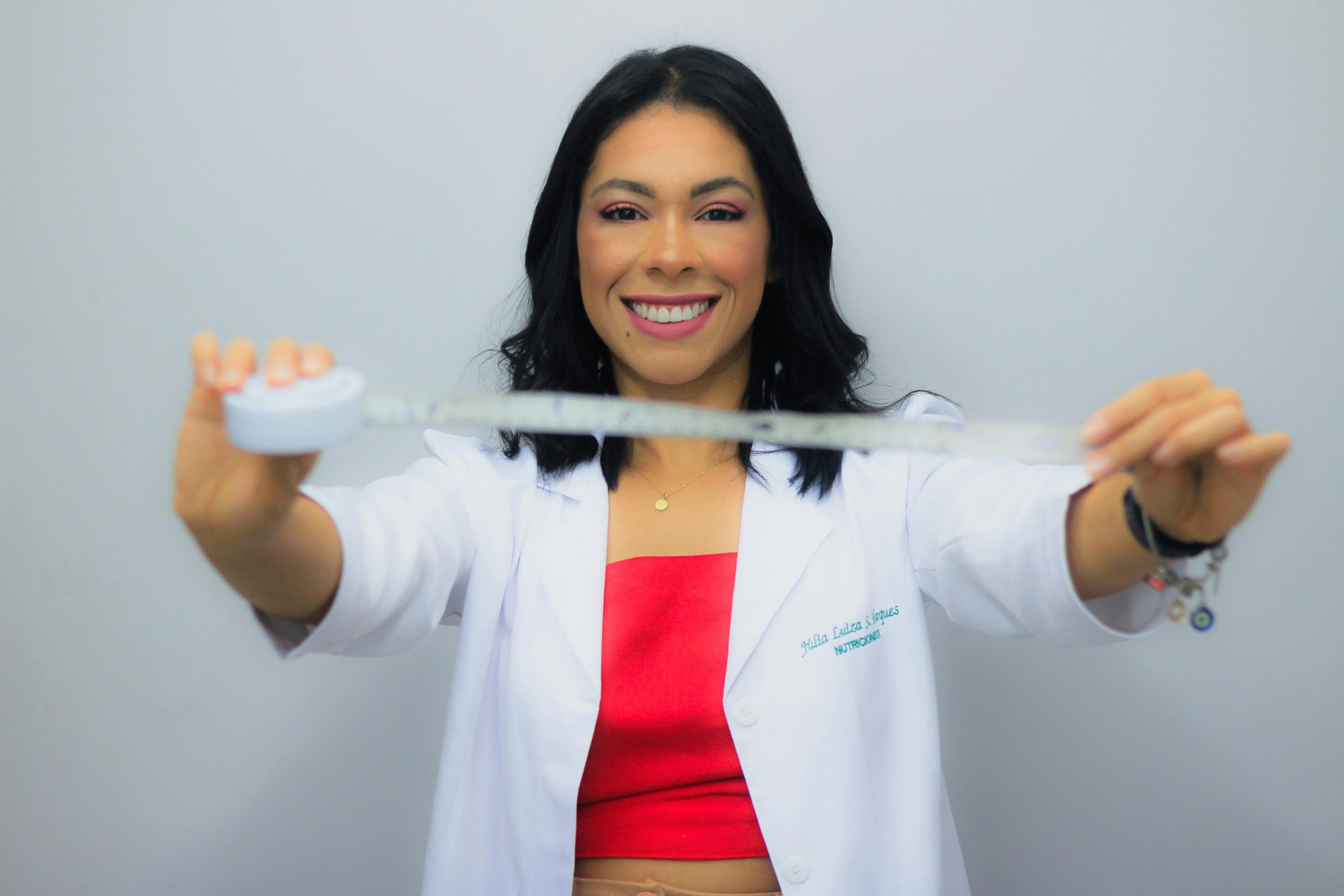
Taking the First Step Toward Personalized Support ✨
If you’ve recognized yourself in the warning signs discussed or feel stuck despite self-guided efforts, now represents the perfect time to explore professional support. Start by asking your primary care physician for referrals to qualified dietitians or clinicians specializing in your concerns.
Professional organizations like the Academy of Nutrition and Dietetics offer “find an expert” tools helping you locate credentialed providers in your area. Read reviews, verify credentials, and don’t hesitate to schedule brief consultation calls with potential providers to assess fit before committing.
Remember that seeking professional support demonstrates strength and self-awareness rather than failure. You wouldn’t attempt to fix complex car problems or legal issues without appropriate expertise—your health deserves the same consideration. The investment you make in personalized nutritional support creates returns that extend throughout your entire life.
Your health journey is uniquely yours, with specific challenges, goals, preferences, and circumstances that generic advice cannot address adequately. Professional dietitians and clinicians offer the personalized assessment, evidence-based strategies, ongoing accountability, and expert guidance that transform good intentions into sustainable results. When you recognize the signs that self-directed efforts aren’t sufficient, taking that step toward professional support may be the most important health decision you make this year.