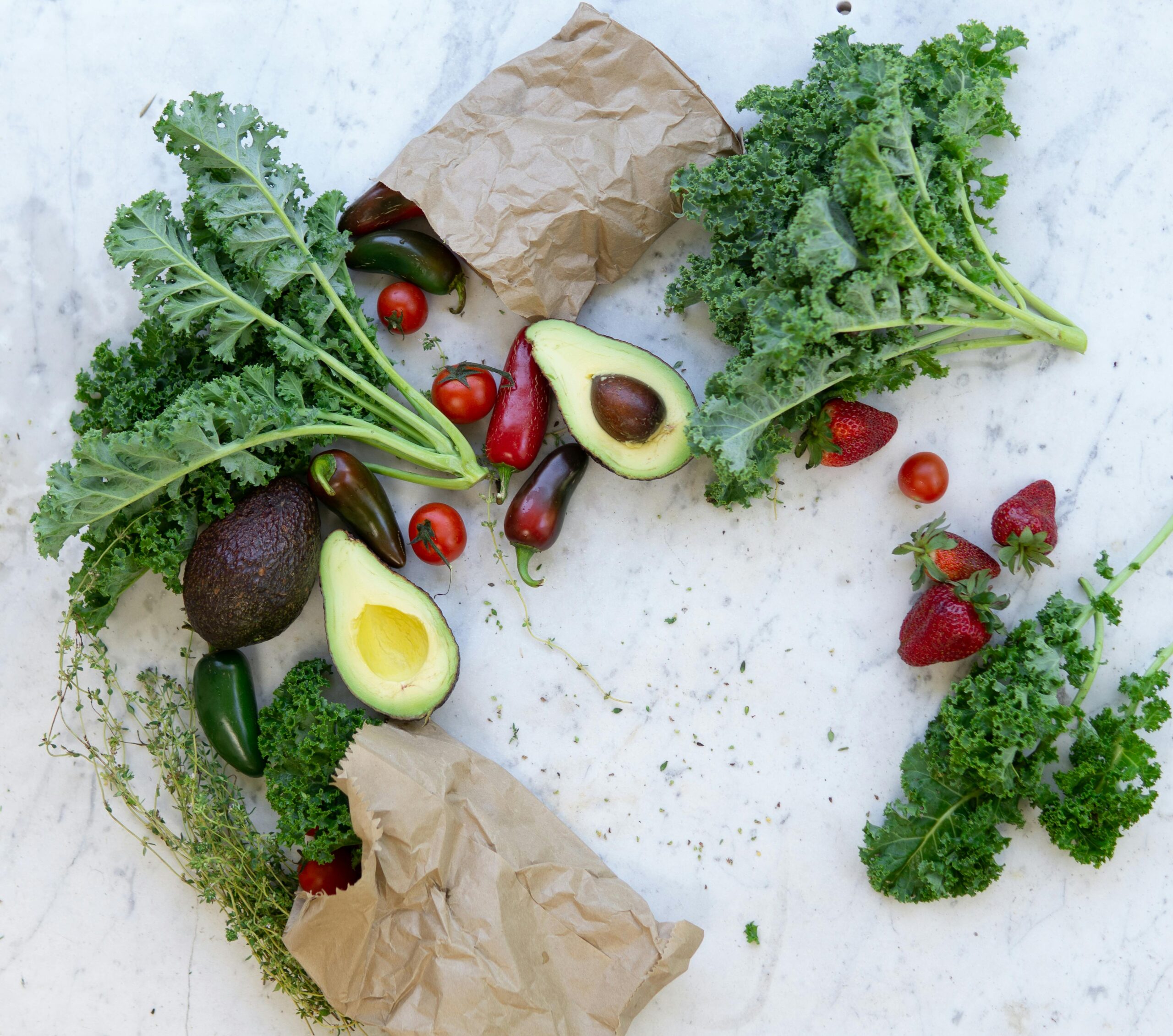
Fiber is one of the most underrated nutrients in our diet, yet it plays a crucial role in digestive health, weight management, and disease prevention.

Despite its importance, most people consume far less fiber than recommended. Understanding the different types of fiber, identifying rich food sources, and learning how to gradually increase your intake can transform your health without overwhelming dietary changes. This comprehensive guide will walk you through everything you need to know about this essential nutrient and how to incorporate it seamlessly into your daily routine.
🌾 What Exactly Is Dietary Fiber?
Dietary fiber refers to plant-based carbohydrates that your body cannot digest or absorb. Unlike other carbohydrates that break down into sugar molecules, fiber passes through your digestive system relatively intact. This unique characteristic is precisely what makes fiber so beneficial for your health.
Found exclusively in plant foods such as fruits, vegetables, whole grains, and legumes, fiber serves multiple functions beyond simple digestion. It helps regulate blood sugar levels, lowers cholesterol, promotes satiety, and supports a healthy gut microbiome. The recommended daily intake is 25 grams for women and 38 grams for men, though most adults consume only about 15 grams daily.
Understanding the Two Main Types of Fiber
Not all fiber is created equal. There are two primary categories, each offering distinct health benefits and working differently in your body.
Soluble Fiber: The Gel-Former 💧
Soluble fiber dissolves in water to form a gel-like substance in your digestive tract. This type of fiber slows digestion, which helps you feel fuller longer and stabilizes blood sugar levels by slowing the absorption of sugar.
The gel-forming property of soluble fiber also binds with cholesterol particles in your digestive system, helping to remove them from your body before they enter your bloodstream. This mechanism can significantly reduce LDL (bad) cholesterol levels and lower your risk of heart disease.
Soluble fiber also serves as a prebiotic, feeding the beneficial bacteria in your gut. These bacteria ferment soluble fiber, producing short-chain fatty acids that have anti-inflammatory properties and support colon health.
Insoluble Fiber: The Digestive Broom 🧹
Insoluble fiber does not dissolve in water. Instead, it adds bulk to your stool and helps food pass more quickly through your stomach and intestines. Think of it as nature’s scrub brush for your digestive system.
This type of fiber prevents constipation by promoting regular bowel movements and maintaining digestive health. It can also help prevent hemorrhoids and diverticular disease by reducing strain during bowel movements.
Insoluble fiber creates a sense of fullness without adding calories, making it an excellent ally for weight management. It also helps maintain stable blood sugar levels by preventing rapid spikes after meals.
Top Food Sources Packed With Fiber
Incorporating fiber-rich foods into your diet doesn’t require exotic ingredients or complicated recipes. Many everyday foods contain substantial amounts of both soluble and insoluble fiber.
Whole Grains and Cereals 🌾
Whole grains are excellent sources of fiber because they retain the bran, germ, and endosperm. Oats are particularly rich in soluble fiber, especially beta-glucan, which has been extensively studied for its cholesterol-lowering effects.
Quinoa, brown rice, whole wheat bread, barley, and bulgur all provide significant fiber content. A single cup of cooked oatmeal delivers about 4 grams of fiber, while whole wheat pasta provides approximately 6 grams per cup.
When shopping for bread and cereals, look for products listing whole grains as the first ingredient and containing at least 3 grams of fiber per serving.
Legumes: Fiber Powerhouses 🫘
Beans, lentils, chickpeas, and peas are among the most fiber-dense foods available. A single cup of cooked lentils contains an impressive 15-16 grams of fiber, nearly half the daily recommendation for women.
Black beans, kidney beans, split peas, and chickpeas all provide 12-15 grams of fiber per cooked cup. These versatile ingredients can be added to soups, salads, stews, or enjoyed as the main protein in vegetarian dishes.
Legumes offer the additional benefit of being rich in protein, making them an excellent choice for those following plant-based diets.
Fruits: Nature’s Sweet Fiber Source 🍎
Fruits contain both types of fiber, with much of the insoluble fiber concentrated in the skin. Raspberries lead the pack with 8 grams of fiber per cup, followed by blackberries with 7.6 grams.
Pears, apples (with skin), bananas, oranges, and strawberries all provide substantial fiber. A medium pear contains about 5.5 grams, while a medium apple with skin offers 4.4 grams.
Dried fruits like prunes, figs, and dates are particularly concentrated sources of fiber, though they’re also higher in natural sugars and calories, so portion control is important.
Vegetables: Colorful Fiber Champions 🥦
Vegetables should form the foundation of any fiber-rich diet. Artichokes are exceptional, providing 10 grams of fiber in one medium artichoke. Green peas offer 9 grams per cup, while broccoli provides about 5 grams.
Brussels sprouts, carrots, beets, sweet potatoes, and leafy greens like spinach and kale all contribute meaningful amounts of fiber. The key is variety—eating a rainbow of vegetables ensures you’re getting diverse types of fiber and other nutrients.
Remember that cooking methods matter. Steaming or roasting vegetables preserves more fiber than boiling, which can leach some nutrients into the cooking water.
Nuts and Seeds: Compact Fiber Packages 🥜
While small in size, nuts and seeds pack significant fiber along with healthy fats and protein. Chia seeds are remarkably fiber-rich, providing 10 grams in just two tablespoons.
Flaxseeds, almonds, pistachios, and sunflower seeds all contribute valuable fiber. These make excellent toppings for yogurt, oatmeal, or salads, and they’re perfect as portable snacks.
Ground flaxseed is particularly beneficial because the grinding process makes the nutrients more bioavailable compared to whole seeds, which may pass through your system undigested.
The Gradual Approach: Increasing Fiber Safely
One of the biggest mistakes people make when trying to improve their fiber intake is doing too much too quickly. Suddenly increasing fiber can lead to uncomfortable digestive symptoms including bloating, gas, cramping, and even constipation if you’re not drinking enough water.
Start Small and Build Slowly 📈
If you’re currently consuming around 10-15 grams of fiber daily, don’t jump to 30 grams overnight. Instead, add 5 grams per week. This gradual approach gives your digestive system time to adjust and allows your gut bacteria to adapt to the increased fermentation.
Begin by making simple swaps: choose whole wheat bread instead of white bread, add a serving of vegetables to one meal, or include a piece of fruit as a snack. These small changes add up without overwhelming your system.
Hydration Is Non-Negotiable 💧
As you increase fiber intake, you absolutely must increase your water consumption. Fiber works by absorbing water in your digestive tract, so without adequate hydration, it can actually cause constipation rather than relieve it.
Aim for at least 8-10 glasses of water daily, and more if you’re physically active or live in a hot climate. Herbal teas and other non-caffeinated beverages count toward this total.
Distribute Fiber Throughout the Day ⏰
Rather than consuming all your fiber in one large meal, spread it across breakfast, lunch, dinner, and snacks. This approach is easier on your digestive system and helps maintain steady energy levels and satiety throughout the day.
A fiber-rich breakfast might include oatmeal with berries and ground flaxseed. Lunch could feature a large salad with chickpeas. Dinner might include a vegetable stir-fry with brown rice, and snacks could be an apple with almond butter.
Practical Tips for Effortless Fiber Integration
Making lasting dietary changes requires practical strategies that fit into your lifestyle without requiring constant effort or willpower.
Smart Shopping Strategies 🛒
Start in the produce section and fill half your cart with vegetables and fruits. Choose whole grains over refined versions—brown rice instead of white, whole wheat pasta instead of regular, and whole grain bread with visible grains and seeds.
Read nutrition labels carefully. Look for products with at least 3 grams of fiber per serving, and check the ingredient list to ensure whole grains appear first rather than enriched or refined flours.
Stock your pantry with fiber-rich staples: canned beans (rinse to reduce sodium), dried lentils, oats, quinoa, nuts, and seeds. Having these items on hand makes it easier to create fiber-rich meals without special shopping trips.
Simple Meal Modifications 🍽️
You don’t need to overhaul your entire diet. Instead, enhance meals you already enjoy. Add beans to soups and stews, toss vegetables into pasta dishes, include berries in your breakfast routine, or sprinkle seeds on salads and yogurt.
When making sandwiches, add extra vegetables like lettuce, tomato, cucumber, and sprouts. Choose whole grain wraps or bread. These small additions can increase fiber content by several grams per meal.
Replace half the meat in recipes like tacos, chili, or pasta sauce with beans or lentils. You’ll boost fiber while reducing saturated fat and calories, and most people won’t even notice the difference.
Preparation Makes It Easier ⚡
Batch cooking is your friend when increasing fiber intake. Cook a large pot of brown rice, quinoa, or beans on Sunday to use throughout the week. Wash and chop vegetables in advance so they’re ready to add to any meal.
Keep pre-portioned containers of nuts, cut vegetables with hummus, or fruit ready in your refrigerator for quick snacks. When healthy, fiber-rich options are convenient, you’re much more likely to choose them.
Monitoring Your Progress and Adjusting
As you increase fiber intake, pay attention to how your body responds. Some digestive adjustment is normal—mild gas or bloating may occur initially but should resolve within a few weeks as your gut bacteria adapt.
Tracking Without Obsessing 📊
Consider using a food tracking app for a week or two to understand where you’re starting and how your fiber intake increases. This awareness can be enlightening without becoming burdensome.
Focus on adding fiber-rich foods rather than hitting an exact number. If you’re eating plenty of vegetables, fruits, whole grains, and legumes, you’re likely getting adequate fiber without needing to count grams meticulously.
When to Adjust Your Approach 🔄
If you experience persistent digestive discomfort after several weeks, you may be increasing fiber too quickly. Scale back slightly and give your system more time to adapt before trying again.
Certain medical conditions may require modified fiber recommendations. If you have inflammatory bowel disease, irritable bowel syndrome, or other digestive disorders, work with a healthcare provider or registered dietitian to determine the right fiber strategy for you.
Beyond Digestion: The Far-Reaching Benefits of Fiber
While fiber’s reputation centers on digestive health, its benefits extend far beyond regular bowel movements. A high-fiber diet has been associated with reduced risk of numerous chronic diseases.
Heart Health and Cholesterol Management ❤️
Multiple studies have demonstrated that increased fiber intake, particularly soluble fiber, can lower LDL cholesterol by 5-10%. This reduction translates to meaningful decreases in heart disease risk over time.
Fiber-rich diets are also associated with lower blood pressure and reduced inflammation, both important factors in cardiovascular health. The combined effect makes adequate fiber intake one of the most powerful dietary strategies for heart disease prevention.
Blood Sugar Control and Diabetes Prevention 🩸
Fiber slows the absorption of sugar, preventing the rapid blood sugar spikes that occur after eating refined carbohydrates. This stabilizing effect improves insulin sensitivity and reduces diabetes risk.
For people already living with diabetes, increasing fiber intake can improve blood sugar control and reduce the need for medication. The effect is particularly strong with soluble fiber from oats, beans, and certain fruits.
Weight Management Without Hunger 🎯
High-fiber foods are naturally more filling, helping you eat less without feeling deprived. They typically require more chewing, slowing down your eating pace and allowing satiety signals to reach your brain before you overeat.
Fiber also has fewer calories per gram than other carbohydrates because much of it isn’t digested. Foods rich in fiber tend to be less energy-dense, meaning you can eat satisfying portions without excessive calories.
Creating Your Personal Fiber Action Plan
Armed with knowledge about fiber types, food sources, and gradual implementation strategies, you’re ready to create a personalized approach that works for your lifestyle and preferences.
Start by assessing your current fiber intake for a few days without making changes. This baseline helps you understand where you’re starting and which meals need the most attention. Identify the low-hanging fruit—simple swaps and additions that require minimal effort.
Set a realistic timeline. Plan to reach your fiber goal over 4-6 weeks rather than immediately. This patient approach prevents digestive discomfort and makes the changes feel manageable rather than overwhelming.
Experiment with new foods gradually. If you’ve never tried quinoa, lentils, or chia seeds, introduce one new item every week or two. This exploration keeps your diet interesting while expanding your fiber-rich options.
Remember that perfection isn’t the goal—progress is. Some days you’ll hit your fiber target easily, while others will fall short. The overall pattern matters more than individual days, so maintain perspective and avoid all-or-nothing thinking.

Embracing Fiber for Lifelong Health 🌟
Increasing your fiber intake represents one of the most impactful dietary changes you can make for long-term health. Unlike restrictive diets that eliminate food groups or require constant vigilance, eating more fiber is about addition rather than subtraction.
The journey to adequate fiber intake doesn’t require expensive supplements, complicated meal plans, or dramatic lifestyle overhauls. It simply requires choosing whole plant foods more often, making gradual increases, staying hydrated, and giving your body time to adjust.
As you incorporate more fiber-rich foods, you’ll likely notice improvements beyond digestion—more stable energy, better appetite control, and a general sense of well-being that comes from nourishing your body with nutrient-dense whole foods.
The strategies outlined in this guide provide a roadmap, but your specific path will be unique to your tastes, schedule, and health goals. Start where you are, use what you have, and do what you can. Every additional gram of fiber moves you toward better health, one delicious meal at a time.