Mastering portion control transforms how we approach food, creating healthier eating habits while reducing waste and costs. The art of stacking and serving food properly isn’t just about aesthetics—it’s a practical skill that supports wellness goals.

In today’s world of supersized meals and endless buffets, understanding proper portion sizes has become more critical than ever. Whether you’re preparing meals for yourself, your family, or entertaining guests, knowing how to stack and serve food correctly ensures everyone enjoys balanced, satisfying meals without overindulgence. This comprehensive guide will walk you through practical strategies that make portion control effortless and sustainable.
🍽️ Understanding Portion Control Fundamentals
Portion control means managing the amount of food you eat at each meal and snack. It differs from serving size, which refers to standardized amounts listed on nutrition labels. The disconnect between these two concepts often leads to unintentional overeating and nutritional imbalances.
Research consistently shows that people underestimate their food intake by 20-50%, especially when faced with larger plates or family-style serving arrangements. Your brain relies heavily on visual cues, making plate size, food arrangement, and presentation crucial factors in how much you ultimately consume.
The good news? Once you understand the principles behind effective portion control, you can apply them automatically without constant measuring or calorie counting. These habits become second nature, supporting long-term health goals while still allowing flexibility and enjoyment in your eating experiences.
The Psychology Behind Food Stacking
Visual perception plays a tremendous role in satiety and satisfaction. When food is properly stacked and arranged, your mind perceives abundance, triggering satisfaction signals before you’ve overeaten. This psychological component makes portion control feel less restrictive and more intuitive.
The “Delboeuf illusion” demonstrates this principle perfectly—the same portion appears larger on a smaller plate than on a larger one. Strategic food stacking amplifies this effect by creating height and dimension, making meals look more substantial while actually containing appropriate portions.
Color contrast also affects perception. Meals with diverse, vibrant colors appear more filling and satisfying. When stacking foods, consider arranging different colored ingredients in visible layers—this technique naturally encourages balanced nutrition while making portions feel more generous.
📏 The Plate Method for Perfect Proportions
The plate method provides a simple visual framework for balanced meals without complicated calculations. Imagine dividing your plate into sections that guide both portion sizes and nutritional balance simultaneously.
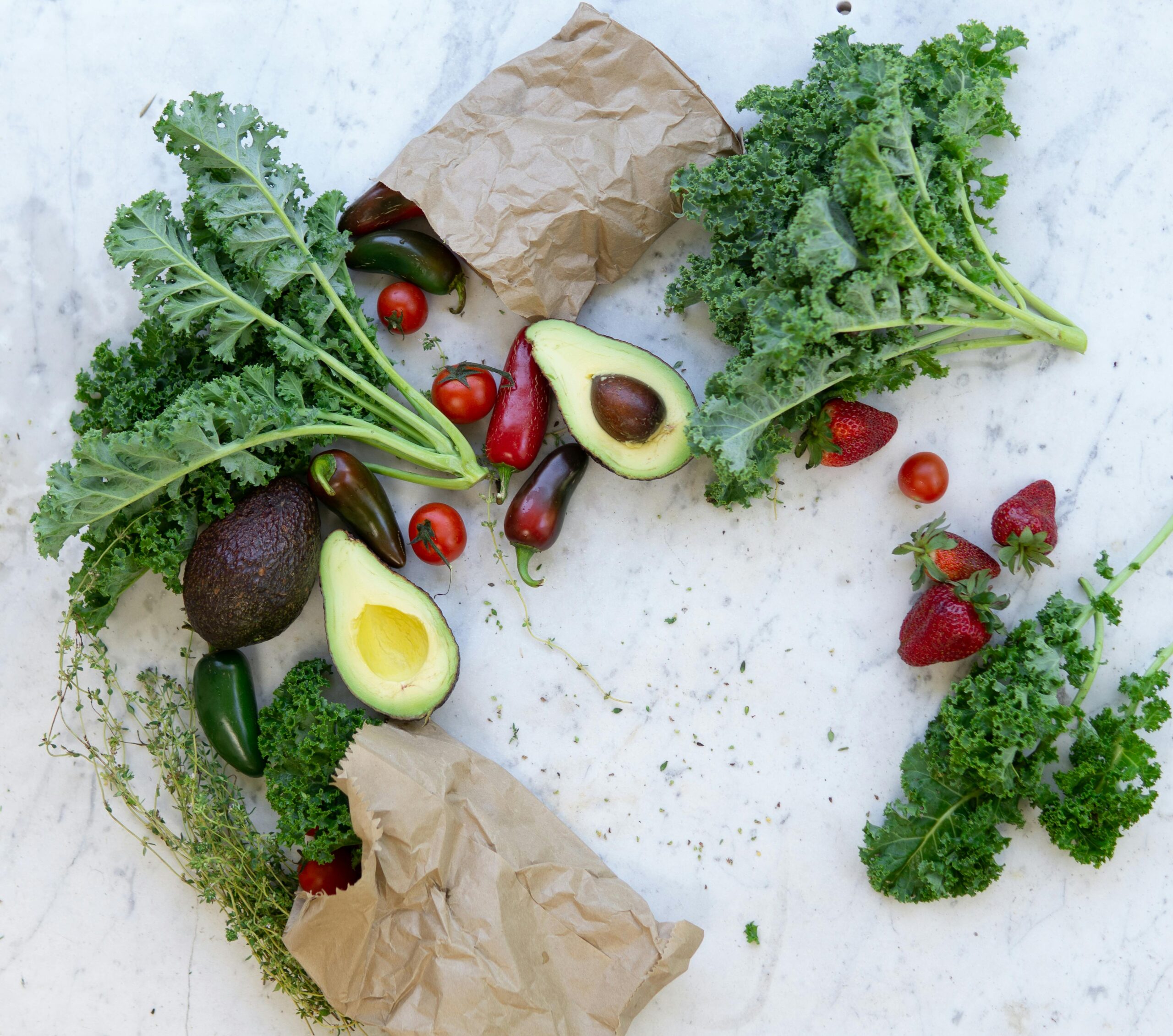
Fill half your plate with non-starchy vegetables like leafy greens, broccoli, peppers, or tomatoes. These nutrient-dense foods provide volume and fiber with minimal calories, creating the foundation of a satisfying meal. Stack these vegetables with the tallest or most colorful items on top for maximum visual appeal.
Reserve one quarter of your plate for lean proteins such as chicken, fish, tofu, or legumes. A proper protein portion typically equals the size of your palm or a deck of cards. When stacking, place protein items strategically where they’re clearly visible—this helps your brain register adequate protein intake.
The remaining quarter accommodates whole grains or starchy vegetables like brown rice, quinoa, sweet potatoes, or whole wheat pasta. These complex carbohydrates provide sustained energy while the smaller portion helps manage calorie intake and blood sugar levels.
Practical Stacking Techniques for Different Cuisines
Different culinary traditions require adapted stacking approaches. Mediterranean meals often feature vegetables as the base layer, topped with proteins and garnished with healthy fats like olive oil or nuts. This arrangement naturally emphasizes the vegetables while keeping calorie-dense additions visible and controlled.
Asian-inspired bowls work beautifully for portion control. Start with a measured base of rice or noodles, then create distinct sections for different vegetables, proteins, and sauces. This compartmentalized approach prevents ingredients from mixing prematurely, allowing you to appreciate each component while maintaining awareness of proportions.
For Western-style plated meals, use the “lean tower” technique. Create a stable base with your starch component, add proteins in the center, and surround everything with vegetables. Drizzle sauces artfully on top rather than drowning food—this technique reduces calorie intake while maintaining flavor impact.
🥗 Container Selection Strategy
Your choice of plates, bowls, and containers directly influences portion sizes. Research from Cornell University’s Food and Brand Lab shows that people serve themselves 30% more food when using larger plates, yet don’t feel any more satisfied after eating.
Invest in appropriately sized dinnerware. Standard dinner plates have grown from 9 inches in the 1960s to 12 inches today. Choosing 9-10 inch plates for main meals automatically reduces portions without requiring willpower or constant vigilance.
For specific foods, specialized containers help maintain consistency. Deep bowls work well for soups and stews, naturally limiting portions while creating a generous appearance. Shallow, wide bowls are ideal for salads and grain bowls, allowing proper stacking and visual presentation of diverse ingredients.
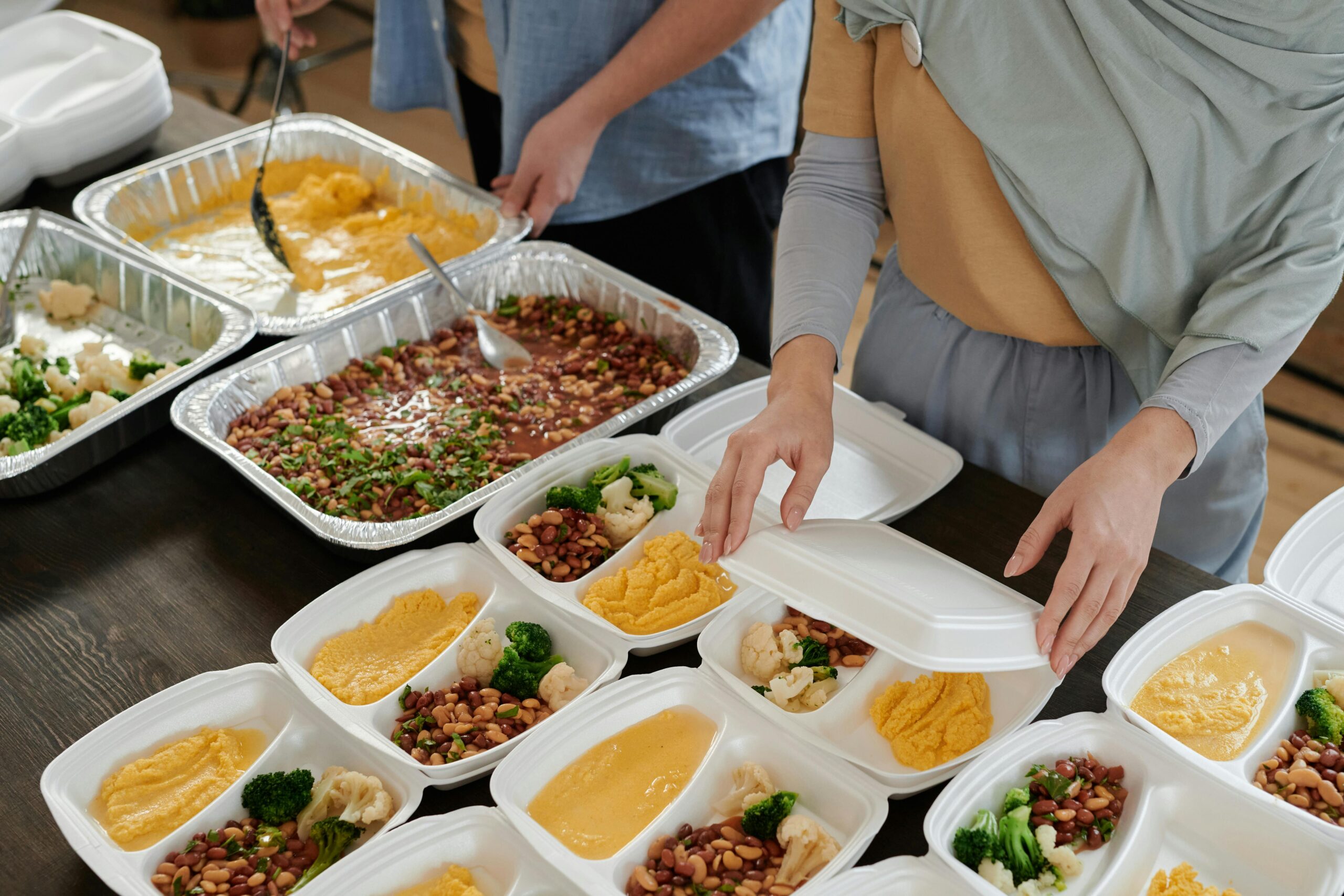
Consider compartmentalized containers, especially for meal prep. These tools eliminate guesswork by providing predetermined sections for different food groups. Bento-style containers are particularly effective, combining Japanese portion wisdom with practical modern convenience.
Measuring Without Measuring Tools
While kitchen scales and measuring cups provide accuracy, they’re not always practical or necessary. Hand-based measurements offer a portable, personalized reference system that travels with you everywhere.
Your fist approximates one cup, perfect for estimating portions of pasta, rice, or cereal. Your palm (excluding fingers) represents a 3-4 ounce protein serving—appropriate for most meals. Your thumb equals about one tablespoon, useful for measuring fats like nut butter or oil.
For cheese, nuts, and other calorie-dense foods, your thumb or two thumbs provide reasonable portion guidelines. A handful (cupped palm) works for snacks like chips or pretzels. These body-based measurements automatically scale to your size, creating personalized portion recommendations.
📱 Technology-Assisted Portion Management
Modern technology offers valuable support for portion control mastery. Various applications help track intake, provide visual guides, and offer real-time feedback on serving sizes and nutritional balance.
Photo-based food tracking apps analyze meal pictures to estimate portions and nutritional content. This approach feels less tedious than manual logging while building awareness about true serving sizes. Over time, this visual training helps you recognize appropriate portions instinctively.
Smart kitchen scales connect to smartphone apps, storing portion data and building personalized databases of your common meals. These devices remove guesswork while teaching accurate portion recognition through repeated exposure and feedback.
Meal planning applications incorporate portion control principles into recipe suggestions and shopping lists. By planning ahead with appropriate portions in mind, you avoid last-minute decisions that often lead to oversized servings and nutritional imbalances.
🍱 Meal Prep and Portion Control
Batch cooking and advance preparation revolutionize portion management. When you’re hungry and tired after work, proper portions happen naturally if meals are already portioned and ready to heat.
Dedicate a few hours weekly to preparing base components—cooked grains, roasted vegetables, and prepared proteins. Store these in measured containers that align with your portion goals. This investment prevents impulsive oversized servings during busy weeknights.
When portioning meals for storage, layer ingredients strategically. Place denser, heavier items at the bottom, building toward lighter, more delicate ingredients on top. This stacking approach maintains food quality while ensuring proper proportions remain intact until eating.
Label containers with preparation dates and, if helpful, portion information or calorie counts. This transparency removes ambiguity and supports consistent adherence to your portion goals without requiring daily decision-making energy.
Restaurant Dining Portion Strategies
Restaurant meals typically contain 2-3 times appropriate portions, making dining out a significant challenge for portion-conscious individuals. Fortunately, several strategies help you maintain control while still enjoying social meals.
Request half-portions or lunch-sized servings at dinner. Many restaurants accommodate this request, especially at establishments focused on customer satisfaction. Alternatively, immediately box half your meal before eating—removing temptation while creating tomorrow’s lunch.
Share entrees with dining companions, then supplement with salads or vegetable sides if needed. This approach allows you to sample restaurant specialties without consuming excessive portions. The social aspect often enhances meal satisfaction, compensating for smaller individual portions.
Practice the plate method even with restaurant meals. Mentally divide your plate, then eat proportionally from each section. If the meal arrives unbalanced—perhaps too much pasta and minimal vegetables—request additional vegetable sides to restore proper proportions.
🥘 Buffet and Family-Style Serving Tactics
All-you-can-eat buffets and family-style meals present unique challenges. Unlimited access triggers primal abundance responses, overriding modern portion control intentions. Deliberate strategies help you navigate these situations successfully.
Before approaching a buffet, drink water and take several deep breaths. This brief pause engages your prefrontal cortex—the planning and decision-making brain region—rather than operating on autopilot. Survey all available options before making selections, preventing reactive choices.
Use smaller plates when available, making multiple trips if desired. This technique automatically reduces portions while allowing you to sample various items. Focus on vegetables and proteins first, treating starches and desserts as smaller additions rather than meal foundations.
For family-style dining at home, plate meals in the kitchen rather than setting serving dishes on the table. This simple change reduces consumption by 20-30% according to research, as second helpings require deliberate effort rather than mindless reaching.
Children and Portion Education
Teaching children proper portions establishes lifelong healthy habits. Kids naturally possess better hunger-fullness awareness than adults, but external pressures often override these innate signals. Supporting rather than controlling their eating develops lasting skills.
Serve age-appropriate portions using child-sized dishes. A toddler’s stomach approximates their fist size, making adult portions overwhelmingly large. Starting with smaller servings, then offering additional helpings if truly hungry, teaches children to recognize genuine appetite versus eating for other reasons.
Involve children in meal preparation and portioning. When kids help measure ingredients and assemble meals, they develop concrete understanding of appropriate amounts. This hands-on experience builds confidence and competence around food choices.
Avoid using food as rewards, punishments, or emotional comfort. These associations disrupt natural hunger cues and create complicated relationships with portions. Instead, maintain neutral, consistent approaches that support children’s emerging self-regulation abilities.
🎯 Special Dietary Considerations
Different health conditions and nutritional goals require adjusted portion approaches. Athletes need larger portions, particularly of protein and complex carbohydrates, to fuel training and recovery. Their plate method might shift to 30% protein, 40% carbohydrates, and 30% vegetables.
Individuals managing diabetes benefit from consistent carbohydrate portions across meals, stabilizing blood sugar levels. Counting carbohydrate servings (typically 15 grams per serving) and spacing them evenly throughout the day prevents glucose spikes and crashes.
Those following plant-based diets may require larger vegetable and legume portions to meet protein and calorie needs. The plate method adapts by increasing the protein quarter to one-third of the plate, filled with beans, lentils, tofu, or tempeh.
Weight management goals necessitate portion awareness but shouldn’t involve deprivation. Focus on volumetric eating—foods with high water and fiber content provide satisfying portions with fewer calories. This approach maintains fullness while supporting calorie deficits when appropriate.
Overcoming Common Portion Control Obstacles
Social pressure frequently undermines portion intentions. Friends and family may encourage larger servings, interpret smaller portions as rejection, or model excessive eating. Prepare simple responses like “I’m satisfied with this amount” or “I’m pacing myself today.”
Emotional eating triggers often lead to oversized portions as food becomes comfort rather than nourishment. Develop alternative coping strategies—walking, journaling, calling friends—that address emotional needs without food. When you do eat emotionally, practice compassion rather than restriction afterward.
Packaged foods designed as single servings often contain multiple servings according to nutrition labels. Read labels carefully, or portion snacks into individual containers immediately after purchase. This prevents the “I’ll just eat a few” scenario that leads to consuming the entire package.
Time pressure makes portion control challenging when hunger and fatigue dominate decision-making. Combat this through preparation—pre-portioned snacks, planned meals, and convenient healthy options ensure appropriate portions even during chaotic days.
🌟 Sustainable Portion Habits
Long-term success requires building habits rather than relying on willpower. Start with single, specific changes like using smaller plates or measuring breakfast portions. Master one adjustment before adding another, creating sustainable progression.
Monitor progress through methods beyond the scale. Notice improved energy levels, better digestion, reduced afternoon crashes, and enhanced meal satisfaction. These quality-of-life improvements often motivate continued portion awareness more effectively than weight changes alone.
Practice mindful eating alongside portion control. Slow down, eliminate distractions, and pay attention to taste, texture, and satisfaction. This awareness helps you recognize fullness cues that signal appropriate portions, even without measuring tools.
Allow flexibility for special occasions and celebrations. Rigid rules create restriction-rebellion cycles that undermine long-term adherence. Intentionally enjoying larger portions occasionally, then returning to regular habits afterward, demonstrates true mastery rather than rigid control.
The Economics of Proper Portioning
Beyond health benefits, portion control generates significant financial savings. Americans waste 30-40% of the food supply, much occurring at the consumer level through oversized portions and plate waste. Right-sizing servings reduces both food costs and disposal expenses.
Proper portions extend expensive ingredients like meat, fish, and specialty items. When protein portions measure 3-4 ounces per serving instead of 8-10 ounces, grocery budgets stretch considerably further. Bulk-purchased proteins can be portioned and frozen immediately, maximizing value.
Restaurant meals become more economical when shared or saved for additional meals. A single restaurant entree often provides 2-3 proper portions, effectively reducing per-meal costs by half or more when approached strategically.
Moving Forward with Confidence
Mastering portion control through proper food stacking and serving creates lasting transformation in your relationship with food. These practical skills support health goals while reducing stress around eating decisions, waste, and budgets simultaneously.
Start implementing these strategies gradually, celebrating small victories along the way. Notice how properly portioned, beautifully stacked meals satisfy both your hunger and your eyes. Trust that with practice, these techniques become automatic, freeing mental energy for other priorities while supporting your wellness journey naturally and sustainably.