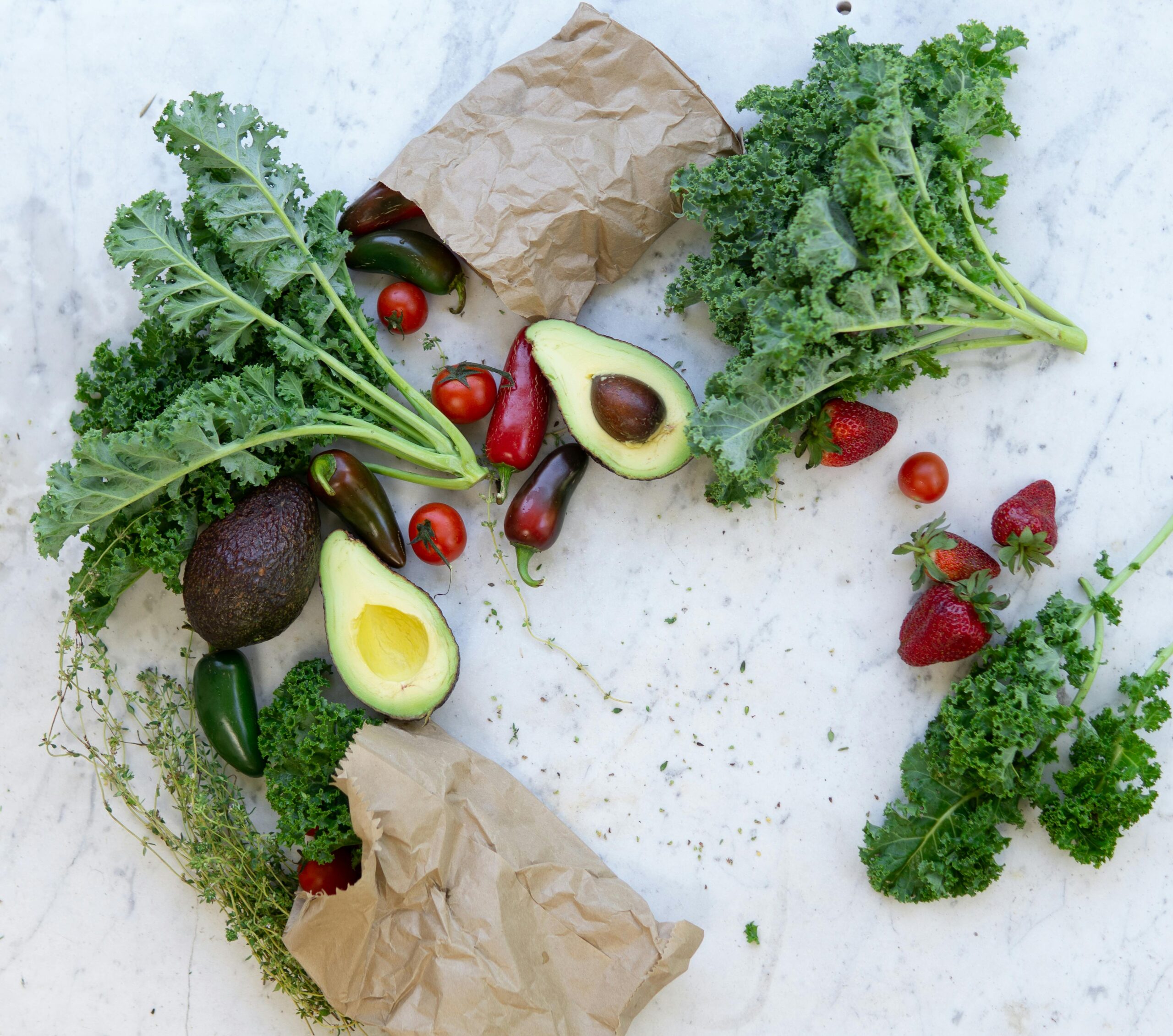
Creating balanced meals doesn’t have to be complicated or time-consuming. With the right approach and simple strategies, anyone can prepare nutritious, delicious plates every single day.

The journey toward healthier eating begins with understanding what your body truly needs and how to deliver those nutrients in ways that excite your taste buds. Whether you’re cooking for yourself, your family, or meal prepping for the week ahead, mastering the art of balanced plates transforms not just your health but your entire relationship with food.
Modern life often pushes us toward convenience over quality, but the truth is that creating well-balanced meals can become second nature with practice. By learning fundamental principles and implementing practical tips, you’ll discover that nutritious eating fits seamlessly into even the busiest schedules.
🍽️ Understanding What Makes a Plate Truly Balanced
A balanced plate isn’t about rigid rules or restrictive dieting. It’s about providing your body with the variety of nutrients it needs to function optimally while enjoying the process of eating. The foundation lies in understanding macronutrients—proteins, carbohydrates, and fats—along with essential micronutrients from vitamins and minerals.
The classic balanced plate model divides your dish into strategic portions. Half your plate should feature colorful vegetables and fruits, one quarter should contain quality protein sources, and the remaining quarter should include whole grains or starchy vegetables. This simple visual guide eliminates the need for complicated calorie counting while ensuring nutritional adequacy.
Beyond macronutrient distribution, balance also means considering meal timing, portion sizes, and how different foods work together. Some nutrients enhance each other’s absorption—like vitamin C helping iron uptake—while others are best consumed separately. Understanding these relationships elevates your meal planning from basic to exceptional.
Building Your Nutritional Foundation with Quality Proteins
Protein serves as the building block for muscles, hormones, enzymes, and countless bodily functions. Including adequate protein in every meal stabilizes blood sugar, promotes satiety, and supports overall health. The key is diversifying your protein sources throughout the week.
Animal-based proteins like chicken, fish, eggs, and lean beef provide complete amino acid profiles. Fish, particularly fatty varieties like salmon and mackerel, offer the added benefit of omega-3 fatty acids that support heart and brain health. If you consume dairy, Greek yogurt and cottage cheese deliver impressive protein content alongside beneficial probiotics.
Plant-based proteins deserve equal attention in your rotation. Legumes such as lentils, chickpeas, and black beans provide fiber alongside protein. Quinoa stands out as a complete plant protein, while nuts, seeds, and tofu offer versatility in preparation methods. Combining different plant proteins throughout the day ensures you receive all essential amino acids.
Protein Portion Guidelines for Different Needs
Your protein requirements vary based on activity level, age, and health goals. Generally, aim for a palm-sized portion of protein at each main meal. Active individuals and those building muscle may need slightly more, while others find smaller portions adequate. Listen to your hunger cues and adjust accordingly rather than following rigid prescriptions.
🥗 Maximizing Nutrition with Colorful Vegetables and Fruits
The vibrant colors in produce aren’t just visually appealing—they represent different phytonutrients that protect your health. Eating a rainbow of fruits and vegetables ensures you receive a comprehensive spectrum of vitamins, minerals, antioxidants, and fiber that work synergistically.
Dark leafy greens like spinach, kale, and Swiss chard pack incredible nutritional density into minimal calories. They provide iron, calcium, vitamins K and A, and powerful antioxidants. Cruciferous vegetables including broccoli, cauliflower, and Brussels sprouts contain compounds that support detoxification and may reduce cancer risk.
Orange and red produce—carrots, sweet potatoes, tomatoes, and bell peppers—deliver beta-carotene and lycopene for eye health and cellular protection. Purple foods like eggplant, purple cabbage, and berries contain anthocyanins with anti-inflammatory properties. Don’t overlook white vegetables like onions, garlic, and mushrooms, which offer unique immune-supporting benefits.
Simple Strategies to Increase Vegetable Intake
Start your meals with vegetables when you’re hungriest. Add spinach or zucchini to morning smoothies and omelets. Keep pre-cut vegetables visible in your refrigerator at eye level. Experiment with different cooking methods—roasting transforms vegetables into caramelized delights, while quick sautéing preserves nutrients and texture.
Challenge yourself to try one new vegetable weekly. Spiralize vegetables as pasta alternatives, blend them into sauces, or incorporate them into baked goods. The more creative you become, the easier reaching that half-plate vegetable goal becomes without feeling like a chore.
Choosing Smart Carbohydrates for Sustained Energy
Carbohydrates have been unfairly demonized, yet they remain your body’s preferred energy source, especially for brain function. The distinction lies between refined carbohydrates that spike blood sugar and complex carbohydrates that provide steady, sustained energy throughout your day.
Whole grains maintain their fiber-rich outer layer, slowing digestion and preventing blood sugar crashes. Options like brown rice, quinoa, oats, barley, and whole wheat provide B vitamins, minerals, and prebiotic fiber that feeds beneficial gut bacteria. Ancient grains such as farro, bulgur, and amaranth add variety and unique nutritional profiles.
Starchy vegetables like sweet potatoes, winter squash, and beets offer carbohydrates packaged with vitamins, minerals, and antioxidants. These whole food sources provide satisfaction and nutrition that processed alternatives simply cannot match. Even white potatoes, when eaten with their skin, deliver valuable potassium and vitamin C.
Portion Control Without Deprivation
That quarter-plate guideline for carbohydrates helps maintain balance without requiring scales or measuring cups. For most people, this translates to about a fist-sized serving of cooked grains or starchy vegetables. If you’re particularly active, you might need slightly more to fuel your activities adequately.
🥑 Embracing Healthy Fats as Essential Nutrients
Dietary fat is essential for hormone production, nutrient absorption, brain health, and cellular function. The fear of fat that dominated nutrition advice for decades has given way to understanding that quality matters far more than quantity.
Unsaturated fats from sources like olive oil, avocados, nuts, seeds, and fatty fish support cardiovascular health and reduce inflammation. Extra virgin olive oil contains polyphenols with remarkable health benefits. Avocados provide creamy satisfaction along with fiber, potassium, and monounsaturated fats that support healthy cholesterol levels.
Omega-3 fatty acids deserve special attention for their anti-inflammatory properties and cognitive benefits. Beyond fatty fish, find them in walnuts, flaxseeds, chia seeds, and hemp seeds. Including small amounts of these foods daily contributes significantly to long-term health outcomes.
Even saturated fats from sources like coconut oil, grass-fed butter, and whole dairy products can fit into balanced eating when consumed mindfully. The key is emphasizing unsaturated fats while not fearing moderate amounts of saturated varieties from whole food sources.
Mastering Meal Preparation for Consistent Success
The difference between good intentions and actual results often comes down to preparation. Setting aside time for meal planning and prep work eliminates the decision fatigue that leads to less nutritious convenience choices when you’re tired and hungry.
Start by planning just three to four days at a time rather than overwhelming yourself with weekly plans. Choose recipes with overlapping ingredients to minimize waste and shopping complexity. Prepare components rather than complete meals—cook grains, chop vegetables, and prepare proteins that can be mixed and matched throughout the week.
Batch cooking transforms your efficiency. Double or triple recipes and freeze portions for busy weeks ahead. Invest in quality storage containers that keep food fresh and make grabbing balanced meals effortless. Glass containers allow you to see contents at a glance and reheat safely.
Time-Saving Kitchen Tools Worth Considering
Strategic kitchen equipment accelerates healthy cooking dramatically. A sharp chef’s knife, quality cutting board, and vegetable peeler make preparation faster and more enjoyable. Slow cookers and instant pots create hands-off meals with minimal effort. Sheet pans enable roasting complete meals simultaneously, while rice cookers free you to focus on other components.
🌿 Flavoring Your Balanced Plates Without Compromise
Nutritious food should never be boring. The misconception that healthy eating means bland food keeps many people from embracing better habits. In reality, herbs, spices, and smart flavor combinations make balanced meals incredibly delicious.
Fresh herbs like basil, cilantro, parsley, and mint add brightness and complexity without calories. Dried spices—cumin, paprika, turmeric, cinnamon, and ginger—provide not only flavor but also anti-inflammatory compounds and antioxidants. Experimenting with global cuisines introduces new flavor profiles that keep meals exciting.
Acid from lemon juice, vinegars, or tomatoes brightens dishes and reduces the need for excessive salt. Umami-rich ingredients like mushrooms, tomato paste, miso, and nutritional yeast add savory depth. Toasting nuts and seeds before adding them to dishes intensifies their flavor contribution.
Healthy cooking methods preserve and enhance natural flavors. Roasting caramelizes vegetables, bringing out their sweetness. Grilling adds smoky complexity. Quick high-heat sautéing maintains vegetable texture while developing flavor. Learning these techniques makes choosing nutritious options genuinely appealing.
Navigating Portion Sizes in a Supersized World
Restaurant portions have grown dramatically over recent decades, distorting our perception of appropriate serving sizes. Relearning what your body actually needs versus what we’ve been conditioned to expect becomes crucial for maintaining balanced eating.
Using your hand as a portion guide provides personalized measurements. Your palm indicates protein portions, your fist represents carbohydrate servings, and your thumb approximates fat portions like oils or nut butters. This intuitive approach works anywhere without requiring tools or calculations.
Eating mindfully helps you recognize true hunger and fullness signals. Put away distractions during meals, chew thoroughly, and pause midway to assess your satisfaction level. It takes approximately twenty minutes for fullness signals to reach your brain, so eating slowly prevents overconsumption.
Restaurant Strategies for Balanced Choices
When dining out, immediately set aside half your entrée to take home, creating an appropriate portion before you start eating. Request dressings and sauces on the side for better portion control. Start with a vegetable-based appetizer or salad to increase produce intake and reduce the amount of less nutritious foods you consume.
💧 Hydration as a Cornerstone of Balanced Nutrition
Water doesn’t appear on your plate but remains absolutely essential for every bodily function. Proper hydration supports digestion, nutrient transport, temperature regulation, cognitive function, and energy levels. Many people chronically underhydrate, mistaking thirst for hunger.
Individual hydration needs vary based on climate, activity level, and body size, but a general guideline suggests consuming half your body weight in ounces daily. If you weigh 160 pounds, aim for approximately 80 ounces of water throughout the day. Increase intake during hot weather or intense physical activity.
Herbal teas, infused water with fruits or herbs, and sparkling water contribute to hydration while adding variety. Foods with high water content—cucumbers, watermelon, lettuce, and soups—also support fluid intake. Coffee and tea count toward hydration despite their mild diuretic effect.
Addressing Common Obstacles to Balanced Eating
Understanding principles is one thing; implementing them consistently amid real-life challenges is another. Budget constraints, time limitations, picky eaters, and established habits all present legitimate obstacles that require practical solutions rather than dismissal.
Budget-friendly balanced eating emphasizes seasonal produce, which costs less and tastes better. Frozen vegetables and fruits retain excellent nutritional value at lower prices. Buying whole chickens costs less per pound than parts, and dried beans cost pennies per serving. Planning meals around sales and what you already have reduces food waste and expenses.
Time constraints are overcome through strategic shortcuts without sacrificing nutrition. Pre-washed salads, rotisserie chickens, frozen brown rice, and canned beans save precious minutes. Sheet pan dinners cook complete balanced meals with minimal active time. Breakfast can be overnight oats prepared the night before.
For picky eaters, involve them in meal planning and preparation to increase buy-in. Keep familiar favorites while gradually introducing new items alongside them. Present vegetables in different forms—raw, roasted, blended into sauces—to find acceptable preparations. Model enthusiastic balanced eating yourself rather than making it a battle.
🎯 Creating Sustainable Habits for Long-Term Success
Perfection isn’t the goal—consistency and progress matter more than flawless execution. Some meals will be perfectly balanced, others less so, and that’s completely acceptable. The pattern over time determines outcomes far more than any single meal or day.
Start with small, achievable changes rather than overhauling everything simultaneously. Add one additional vegetable serving daily before attempting dramatic transformations. Once that feels natural, build the next habit. This gradual approach creates lasting change rather than unsustainable extreme efforts.
Track progress through how you feel rather than obsessing over numbers. Notice improved energy levels, better sleep quality, enhanced mood stability, and increased strength. These non-scale victories often prove more motivating than arbitrary measurements.
Build flexibility into your approach. Social occasions, travels, and celebrations are part of life and shouldn’t be approached with anxiety. Enjoy special meals fully, then return to balanced eating at your next opportunity without guilt or compensatory restriction.
Adapting Balanced Plates to Different Dietary Patterns
The balanced plate concept adapts beautifully to various dietary preferences and restrictions. Whether you follow vegetarian, vegan, paleo, Mediterranean, or other eating patterns, the fundamental principles of variety, whole foods, and thoughtful proportions remain constant.
Vegetarians and vegans simply emphasize plant-based proteins and ensure adequate B12, iron, and omega-3 intake through strategic food choices or supplementation. Mediterranean approaches celebrate olive oil, fish, whole grains, and abundant produce. Lower-carb preferences adjust the plate proportions while maintaining vegetable emphasis and quality protein sources.
Those with food allergies or intolerances substitute alternative ingredients while maintaining nutritional balance. Gluten-free whole grains, dairy alternatives fortified with calcium and vitamin D, and egg replacers allow inclusive balanced eating. The principles transcend specific food items to focus on nutritional completeness.

🌟 Moving Forward with Confidence and Joy
Mastering balanced plates represents a skill that serves you throughout your entire life. Unlike restrictive diets that eventually fail, this approach provides sustainable nourishment that supports health, performance, and enjoyment simultaneously. Each meal becomes an opportunity to care for yourself through delicious, colorful, satisfying food.
Remember that becoming proficient takes practice. Your first attempts might feel awkward or require extra thought, but soon these choices become intuitive. You’ll naturally gravitate toward balanced options because they make you feel genuinely better than alternatives.
Share your journey with others. Cooking balanced meals with family or friends makes the process more enjoyable and creates accountability. Teaching children these principles from an early age establishes lifelong healthy relationships with food. Your commitment to balanced eating ripples outward, positively influencing those around you.
The art of creating balanced plates ultimately comes down to this: choose whole foods in variety, fill half your plate with colorful vegetables, include quality protein and smart carbohydrates, add healthy fats, and approach eating with mindfulness and gratitude. These simple principles, applied consistently with flexibility and self-compassion, transform not just your meals but your entire well-being. Start today with your very next meal, and discover how accessible and rewarding balanced eating truly becomes.