Living with digestive discomfort doesn’t have to be a daily struggle. The low-FODMAP diet has emerged as a scientifically-backed approach to managing irritable bowel syndrome (IBS) and other digestive issues, offering relief to millions worldwide.

If you’ve been dealing with bloating, gas, abdominal pain, or irregular bowel movements, you’re not alone. These symptoms affect approximately 10-15% of the global population, significantly impacting quality of life. The good news is that understanding and implementing a low-FODMAP eating plan can transform your relationship with food and dramatically improve your digestive health. This comprehensive guide will walk you through everything you need to know about low-FODMAP living, making it accessible, practical, and sustainable for your lifestyle.
🔍 Understanding FODMAPs: What Are They Really?
FODMAP stands for Fermentable Oligosaccharides, Disaccharides, Monosaccharides, and Polyols. These are short-chain carbohydrates that are poorly absorbed in the small intestine. When these compounds reach your colon, they become food for gut bacteria, which ferment them and produce gas as a byproduct. For people with sensitive digestive systems, this fermentation process can trigger uncomfortable symptoms.
The five main categories of FODMAPs each play a distinct role in digestive distress. Oligosaccharides include fructans and galacto-oligosaccharides (GOS) found in wheat, onions, and legumes. Disaccharides primarily refer to lactose in dairy products. Monosaccharides point to excess fructose in certain fruits and sweeteners. Polyols are sugar alcohols present in some fruits and artificial sweeteners.
Understanding that FODMAPs aren’t inherently “bad” is crucial. These foods are healthy for most people and contain valuable nutrients. However, for those with IBS or similar conditions, temporarily reducing FODMAP intake can provide significant symptom relief while you identify your personal triggers.
🎯 The Three-Phase Approach to Low-FODMAP Success
The low-FODMAP diet isn’t meant to be a permanent restriction but rather a strategic three-phase process designed to identify your specific food triggers and create a personalized eating plan that maximizes both digestive comfort and nutritional variety.
Phase 1: The Elimination Phase
This initial phase typically lasts 2-6 weeks and involves strictly avoiding high-FODMAP foods. During this time, most people experience a significant reduction in symptoms. It’s essential to work with a registered dietitian during this phase to ensure you’re maintaining adequate nutrition while eliminating potential trigger foods. The elimination phase serves as your baseline for understanding how your body responds to a low-FODMAP environment.
Phase 2: The Reintroduction Phase
Once your symptoms have improved, you’ll systematically reintroduce specific FODMAP groups one at a time. This crucial phase helps you identify which FODMAPs trigger your symptoms and at what threshold. You’ll test small amounts of high-FODMAP foods while monitoring your body’s response, gradually increasing portions to determine your personal tolerance levels. This phase can take 6-8 weeks or longer, depending on how many foods you test.
Phase 3: The Personalization Phase
Armed with knowledge about your specific triggers, you’ll create a modified long-term eating plan that includes as many foods as possible while avoiding only those that cause symptoms. This personalized approach ensures you’re not unnecessarily restricting foods you can tolerate, maximizing both nutritional diversity and eating enjoyment.
🥗 Building Your Low-FODMAP Pantry and Kitchen
Success with low-FODMAP eating starts with having the right ingredients readily available. Stocking your kitchen with safe foods makes meal planning effortless and reduces the temptation to reach for high-FODMAP convenience foods when you’re hungry and pressed for time.
Your low-FODMAP pantry should include protein sources like eggs, firm tofu, chicken, fish, and beef. Grains such as rice, quinoa, oats, and gluten-free bread provide essential carbohydrates. Lactose-free dairy products or suitable alternatives like almond milk offer calcium without digestive distress. Canned goods like tomatoes, tuna, and coconut milk provide convenience without compromise.
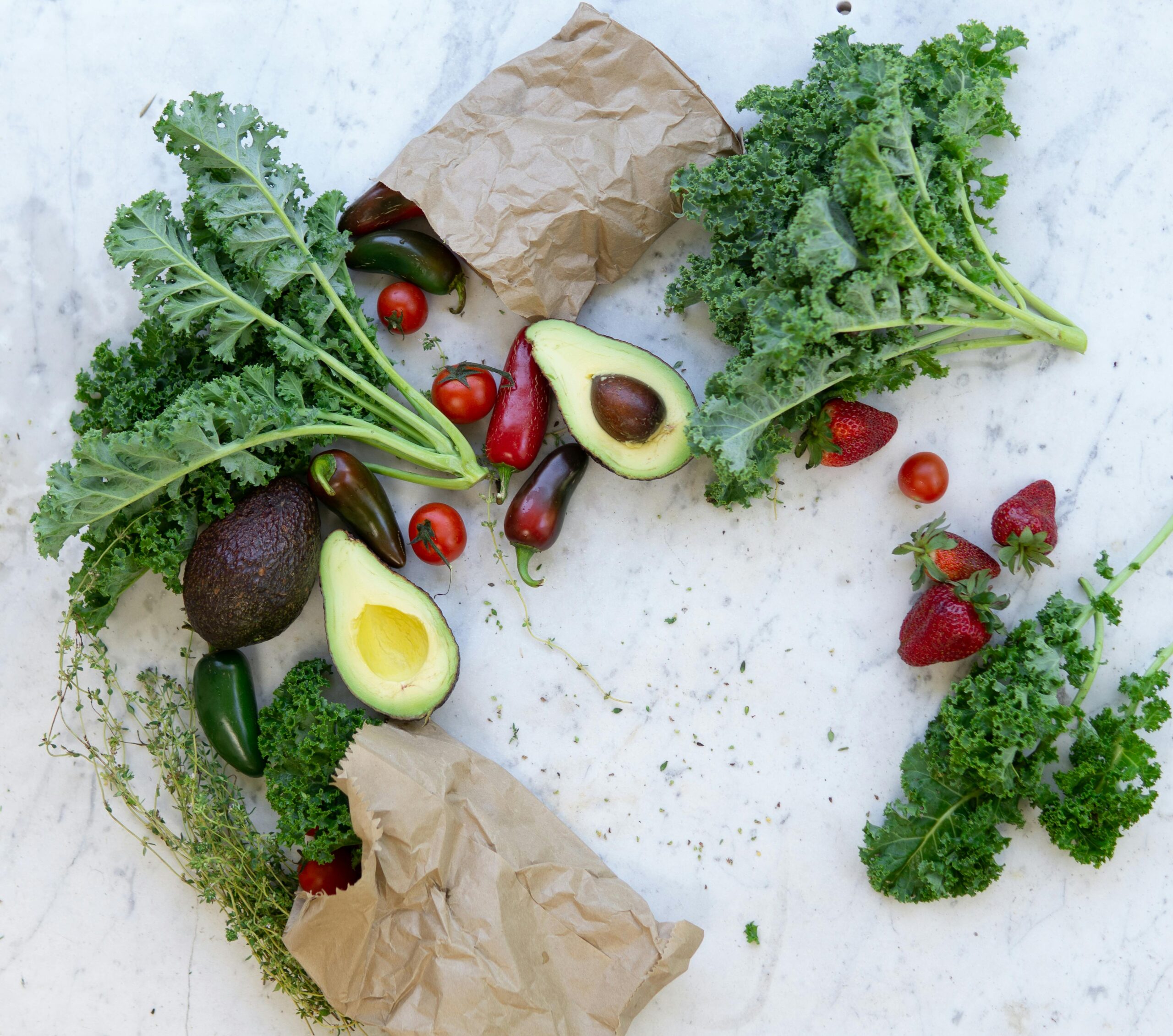
Fresh produce requires more careful selection. Safe vegetables include carrots, zucchini, bell peppers, spinach, tomatoes, cucumbers, and potatoes. Fruit options include bananas, blueberries, strawberries, oranges, and grapes in appropriate portions. Keeping a printed list of safe foods on your refrigerator helps prevent confusion during meal preparation.
📱 Technology Tools to Simplify Your Journey
Managing a low-FODMAP diet has become significantly easier with the advent of smartphone applications designed specifically for this purpose. These digital tools can be game-changers in helping you navigate food choices, track symptoms, and plan meals with confidence.
The Monash University FODMAP Diet app is considered the gold standard, created by the research team that developed the low-FODMAP diet. This app provides a comprehensive database of foods with their FODMAP ratings, portion guidance, and a built-in food diary to track your symptoms alongside your meals.
Other helpful applications include general food tracking apps that allow you to log meals and symptoms, shopping list organizers, and recipe apps with low-FODMAP filters. Having these resources at your fingertips when grocery shopping or dining out removes much of the guesswork and anxiety from food decisions.
🍽️ Practical Meal Planning Strategies
Meal planning is the cornerstone of successful low-FODMAP living. Without a plan, you’re more likely to make impulsive food choices that may trigger symptoms or leave you feeling restricted and frustrated with your dietary limitations.
Start by planning your week on Sunday. Choose 3-4 dinner recipes that you’ll prepare in larger batches, providing leftovers for lunch. Breakfast should be simple and repetitive during the elimination phase – think lactose-free yogurt with low-FODMAP granola, scrambled eggs with spinach and tomatoes, or rice porridge with blueberries.
Batch cooking saves time and ensures you always have safe options available. Prepare proteins like grilled chicken breast, hard-boiled eggs, or seasoned tofu in advance. Cook grains like rice and quinoa in large quantities. Chop vegetables and store them properly for quick meal assembly throughout the week.
🛒 Mastering Grocery Shopping on a Low-FODMAP Diet
Navigating the supermarket requires a new set of skills when following a low-FODMAP plan. Understanding how to read labels and identify hidden FODMAPs protects you from accidental exposure to trigger ingredients.
Focus your shopping on the perimeter of the store where fresh, whole foods are typically located. The produce section, meat counter, and dairy area should become your primary destinations. When venturing into the center aisles for packaged goods, become a detective with ingredient labels.
Common high-FODMAP ingredients hiding in processed foods include onion powder, garlic powder, high-fructose corn syrup, inulin, chicory root, and various sugar alcohols ending in “-ol” like sorbitol and xylitol. Even small amounts of these ingredients can trigger symptoms in sensitive individuals, so scrutinize every label carefully.
👨🍳 Simple Low-FODMAP Recipes to Get You Started
Delicious eating doesn’t stop when you adopt a low-FODMAP lifestyle. These easy recipes prove that digestive-friendly eating can be both satisfying and flavorful without triggering uncomfortable symptoms.
Quick Chicken Stir-Fry
Sauté chicken breast strips in garlic-infused oil (the oil captures flavor without FODMAPs) with carrots, bell peppers, and bok choy. Season with gluten-free soy sauce and fresh ginger. Serve over jasmine rice for a complete meal that takes just 20 minutes from start to finish.
Energizing Quinoa Bowl
Layer cooked quinoa with grilled zucchini, cherry tomatoes, cucumber, feta cheese (if tolerated), and a drizzle of olive oil and lemon juice. Top with pumpkin seeds for crunch and additional protein. This versatile bowl works for lunch or dinner and can be customized with any low-FODMAP vegetables you enjoy.
Banana Oat Pancakes
Blend rolled oats, one ripe banana, two eggs, and a splash of lactose-free milk until smooth. Cook on a griddle until golden brown. These naturally sweet pancakes require no added sugar and provide sustained energy throughout your morning without digestive distress.
🍴 Dining Out Without Digestive Distress
Social eating situations present unique challenges when following a low-FODMAP diet, but with preparation and communication, you can enjoy restaurant meals without compromising your digestive health or feeling socially isolated.
Research restaurants in advance by checking menus online. Look for establishments that focus on fresh, simple preparations rather than heavily sauced dishes. Steakhouses, seafood restaurants, and Asian cuisines often have suitable options. Many restaurants now accommodate dietary restrictions more willingly than ever before.
When ordering, don’t hesitate to ask specific questions about ingredients and preparation methods. Request that your meal be prepared without onion and garlic. Ask for sauces on the side so you can control portions. Simple grilled proteins with steamed vegetables and plain rice or potatoes are usually safe bets that appear on most menus.
Carrying a dining card that explains your dietary needs can be helpful, especially at restaurants where language barriers exist. These cards clearly state which ingredients you need to avoid, making communication with kitchen staff more efficient and reducing the risk of contamination.
💪 Overcoming Common Challenges and Setbacks
Even with careful planning, challenges inevitably arise when following a low-FODMAP diet. Understanding common obstacles and having strategies to overcome them increases your likelihood of long-term success.
Social pressure represents one of the biggest hurdles. Well-meaning friends and family may not understand your dietary restrictions or may unintentionally minimize your symptoms. Educate your inner circle about your condition and be firm but polite when declining foods that don’t fit your plan. Offering to bring a dish to gatherings ensures you’ll have something safe to eat.
Travel complicates low-FODMAP eating significantly. Pack non-perishable safe snacks like rice cakes, low-FODMAP nuts, lactose-free protein bars, and individual nut butter packets. Research restaurants at your destination beforehand. Consider booking accommodations with kitchen facilities to prepare some of your own meals.
Emotional eating and food relationships can become strained when dealing with dietary restrictions. Remember that this is a temporary diagnostic process, not a life sentence. Work with a therapist or counselor if you find yourself developing anxiety around food or social eating situations. Your mental health is just as important as your digestive health.
🔬 The Science Behind Low-FODMAP Success
Understanding the research supporting the low-FODMAP approach helps reinforce your commitment when the diet feels challenging. Studies consistently demonstrate its effectiveness for managing IBS symptoms, with approximately 75% of participants experiencing significant improvement.
Research conducted by Monash University in Australia pioneered this dietary approach, and subsequent studies worldwide have validated its efficacy. The diet works by reducing the osmotic load in the intestine and decreasing substrate available for bacterial fermentation, both of which contribute to symptom generation in sensitive individuals.
Importantly, the low-FODMAP diet also influences the gut microbiome. While short-term FODMAP restriction is safe, long-term restriction without proper reintroduction may reduce beneficial bacteria diversity. This underscores the importance of following the complete three-phase protocol rather than remaining in the elimination phase indefinitely.
🌟 Maintaining Long-Term Success and Quality of Life
The ultimate goal of the low-FODMAP journey is creating a sustainable, personalized eating pattern that minimizes symptoms while maximizing food variety, nutritional adequacy, and quality of life. Success looks different for everyone based on individual tolerances and triggers.
Regular reassessment ensures your diet doesn’t become more restrictive than necessary. Every few months, consider retesting foods you previously identified as triggers, as tolerance levels can change over time with gut healing and microbiome shifts. Your digestive system is dynamic, not static.
Maintain connections with healthcare professionals, particularly a registered dietitian specializing in digestive health. Periodic check-ins help ensure you’re meeting nutritional needs and provide opportunities to troubleshoot any emerging challenges. Professional guidance prevents nutritional deficiencies and diet fatigue.
Celebrate your progress and acknowledge how far you’ve come. Living with IBS or similar conditions is genuinely challenging, and taking control of your symptoms through dietary modification requires dedication, patience, and resilience. You’re not just managing a diet – you’re reclaiming your quality of life, social connections, and confidence in your body’s ability to function comfortably.

🎉 Embracing Food Freedom Within Structure
Low-FODMAP living doesn’t mean sacrificing enjoyment or resigning yourself to bland, boring meals. With creativity, planning, and the right resources, you can enjoy diverse, delicious foods while keeping your digestive system happy and healthy.
Experiment with new herbs and spices that add flavor without FODMAPs. Fresh basil, cilantro, oregano, and rosemary transform simple dishes. Garlic-infused oil provides the essence of garlic without the FODMAPs. Citrus zest, ginger, and chili peppers add brightness and heat to your cooking.
Connect with the growing low-FODMAP community through social media, blogs, and support groups. Sharing experiences, recipes, and encouragement with others facing similar challenges reduces feelings of isolation and provides practical tips you might not discover on your own. You’re part of a knowledgeable, supportive community navigating these same waters.
Remember that perfect adherence isn’t required for success. Occasional deviations from your plan are normal and human. What matters is your overall pattern of eating and your ability to return to your supportive foods after special occasions or accidental exposures. Self-compassion is an essential ingredient in any successful dietary approach.
Your journey with low-FODMAP living is uniquely yours, and finding what works for your body, lifestyle, and preferences takes time. Be patient with yourself as you learn, adapt, and discover the eating pattern that allows you to thrive. Digestive peace is possible, and with the right tools, knowledge, and support, you’re well-equipped to unlock the secrets of comfortable, confident eating that serves both your body and your life. 🌈