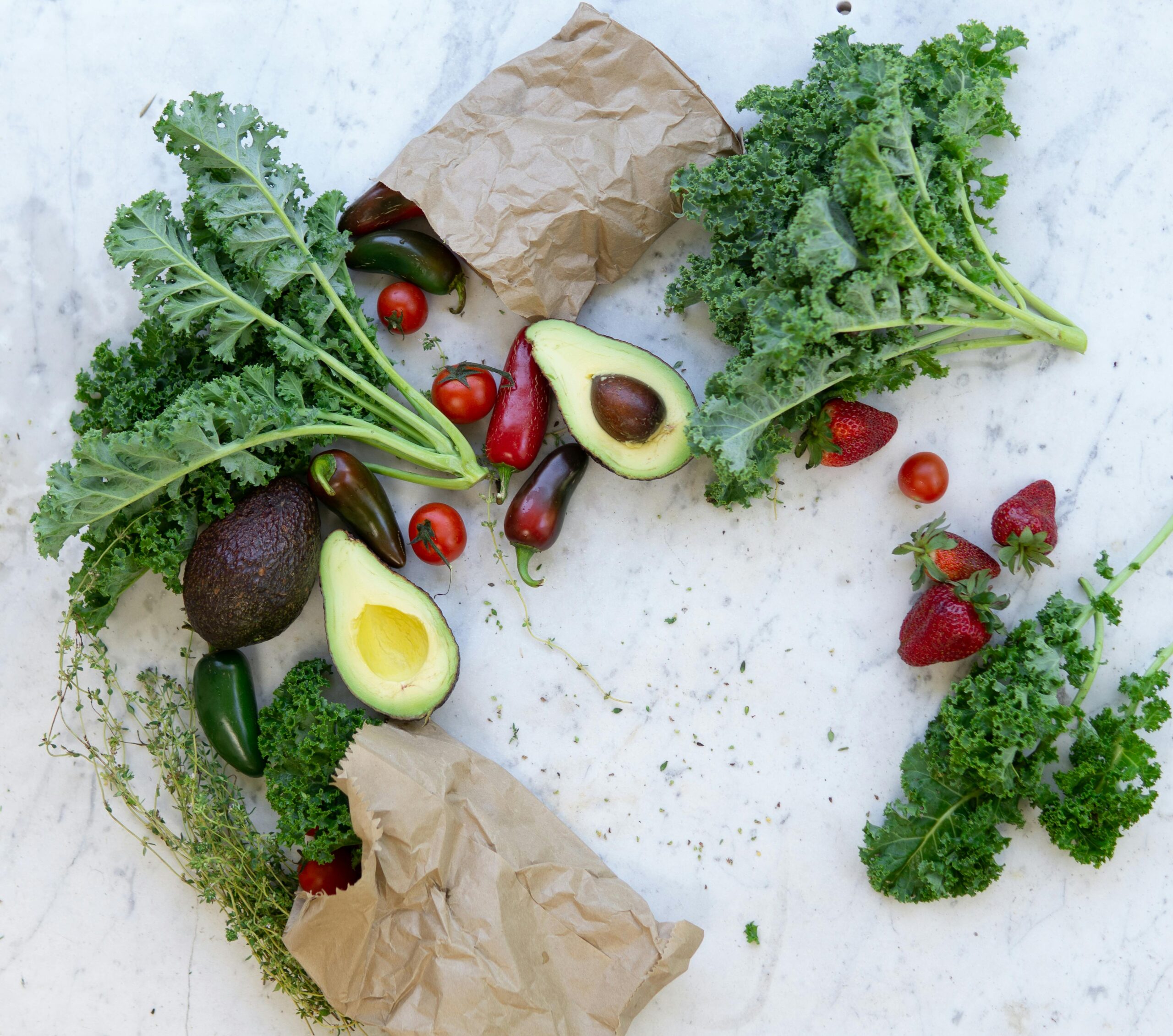
Grocery shopping doesn’t have to drain your wallet every week. With smart planning and strategic choices, you can fill your cart with nutritious, delicious food while staying comfortably under budget.

Whether you’re feeding a family of four or cooking for one, mastering the art of budget grocery shopping transforms your weekly routine from stressful to satisfying. The secret lies not in depriving yourself, but in making informed decisions that maximize every dollar spent. Let’s explore how you can create the perfect grocery list that keeps both your pantry and bank account happy.
🎯 Understanding Your Weekly Grocery Budget Sweet Spot
Before diving into list-making, you need to establish a realistic weekly budget. For most households, spending between $50-$150 per week on groceries is achievable while maintaining quality nutrition. Single individuals can often manage with $40-$60 weekly, while families of four typically aim for $100-$150.
The key is assessing your current spending habits honestly. Track your grocery purchases for two weeks without changing anything. This baseline reveals where money disappears—often in impulse purchases, pre-packaged convenience foods, and brand loyalty that costs extra without added value.
Once you’ve identified your starting point, set a reduction goal of 15-20% for your first month. This gradual approach prevents feeling deprived while building sustainable habits that last beyond initial enthusiasm.
The Foundation: Building Your Master Budget Grocery List
A strategic grocery list starts with staple ingredients that offer maximum versatility. These foundational items stretch across multiple meals, reducing per-serving costs while maintaining nutritional value.
Protein Powerhouses on a Budget 💪
Protein often consumes the largest portion of grocery budgets, but smart choices dramatically reduce costs. Dried beans and lentils cost pennies per serving while delivering complete nutrition when paired with grains. A one-pound bag of dried beans yields approximately twelve servings for under two dollars.
Eggs remain the ultimate budget protein, offering versatility from breakfast to dinner. Canned tuna and salmon provide omega-3s at fraction of fresh seafood prices. When buying meat, choose whole chickens over pre-cut pieces—you’ll save 40-60% and gain bones for homemade stock.
Ground turkey and pork often cost less than beef while offering similar protein content. Buy larger packages when on sale and freeze in meal-sized portions for future use.
Carbohydrates That Carry Their Weight
Rice, oats, and pasta form the backbone of budget-friendly meal planning. Purchase these staples in bulk quantities for significant savings. A five-pound bag of rice costs roughly the same as two smaller boxes but yields triple the servings.
Potatoes offer incredible value—both sweet and white varieties provide filling, nutritious bases for countless dishes. Buy them loose rather than bagged to select exactly what you need and avoid waste from spoilage.
Whole wheat bread, tortillas, and generic crackers round out your carbohydrate needs without premium pricing. Store extra bread in the freezer to prevent waste and always have options available.
Produce Strategy: Fresh, Frozen, and Seasonal 🥕
Produce represents both opportunity and challenge for budget shoppers. The strategy combines three approaches: buying seasonal fresh produce, incorporating frozen vegetables, and selecting versatile fresh items with longer shelf life.
Seasonal produce costs significantly less and tastes better. Summer brings affordable berries, tomatoes, and zucchini. Fall delivers squash, apples, and root vegetables at rock-bottom prices. Winter cabbage, citrus, and Brussels sprouts shine, while spring offers asparagus and strawberries.
Frozen vegetables often cost less than fresh while retaining equal or superior nutritional value. They eliminate waste since you use only what’s needed. Stock up on mixed vegetables, broccoli, spinach, and corn as meal foundations.
For fresh produce, focus on: bananas, carrots, cabbage, onions, apples, and celery. These items last weeks when properly stored and work across numerous recipes. A head of cabbage costs under two dollars and provides vegetables for an entire week.
Category-by-Category Budget Breakdown 📊
Allocating your budget across categories prevents overspending in any single area. This framework works for a $100 weekly budget but scales proportionally for different amounts.
| Category | Weekly Budget | Key Items |
|---|---|---|
| Proteins | $25-30 | Eggs, beans, chicken, ground meat |
| Produce | $20-25 | Seasonal fresh, frozen vegetables, bananas |
| Grains & Carbs | $15-20 | Rice, pasta, oats, bread, potatoes |
| Dairy | $10-15 | Milk, yogurt, cheese, butter |
| Pantry Staples | $10-15 | Oils, spices, canned goods, condiments |
This breakdown ensures balanced nutrition while maintaining spending discipline. Adjust percentages based on dietary preferences—vegetarians might shift protein dollars toward produce and dairy.
Smart Shopping Tools and Apps 📱
Technology transforms budget shopping from guesswork to precision. Several apps help plan meals, track prices, and maximize savings through strategic timing and store selection.
Grocery list apps with price tracking features alert you when items reach their lowest prices. Many stores offer digital coupons through their own apps, automatically applying discounts at checkout without clipping paper coupons.
Cashback apps provide rebates on specific items, effectively reducing your spending after purchase. Stack these with store sales for maximum savings—sometimes getting items nearly free.
Meal planning apps generate shopping lists from recipes you select, calculating total costs before you shop. This prevents budget surprises at checkout and ensures you have everything needed for planned meals.
The Weekly Planning Routine That Saves Money ⏰
Successful budget shopping requires consistent planning. Dedicate thirty minutes weekly to this routine, and you’ll save hours of stress plus significant money throughout the month.
Step One: Inventory Check
Before planning anything, assess what you already have. Check refrigerator, freezer, and pantry for items needing use before spoiling. Build your meal plan around these ingredients first, eliminating waste while reducing shopping needs.
Create a running inventory list on your phone or a magnetic notepad on your refrigerator. When you use the last of something, immediately add it to the list. This prevents mid-week emergency trips where impulse purchases destroy budgets.
Step Two: Weekly Meal Planning
Plan seven dinners, assuming lunches use leftovers or simple ingredients already planned. Choose recipes sharing ingredients to maximize efficiency and minimize costs. If buying chicken for Monday, plan another chicken dish for Thursday.
Include one “flex meal” using pantry staples for weeks when unexpected events disrupt plans. This prevents food waste and reduces stress when life gets hectic.
Step Three: Strategic List Building
Organize your shopping list by store section to prevent wandering and impulse purchases. Group produce, proteins, dairy, and dry goods separately. This streamlined approach reduces shopping time and temptation exposure.
Note quantity needs precisely—buying exactly three carrots instead of a bag when that’s all you need prevents waste. However, if unit pricing shows bulk purchasing saves significantly and you’ll use it within shelf life, buy the larger quantity.
Store Strategy: Where and When to Shop 🏪
Different stores serve different purposes in budget shopping. Understanding each retailer’s strengths maximizes savings without excessive effort.
Discount grocery chains like Aldi and Lidl offer rock-bottom prices on quality products. Their limited selection actually helps budget shopping by reducing decision fatigue and temptation. Plan to purchase 70-80% of weekly needs at these stores.
Warehouse clubs benefit large families or those with storage space who can buy in bulk. Calculate unit pricing carefully—not everything saves money in larger quantities. Focus on non-perishables, frozen items, and products you consistently use.
Traditional supermarkets work best for specific sale items and products unavailable elsewhere. Download their app, review weekly ads, and shop their loss leaders—dramatically discounted items designed to draw customers.
Shop weekday mornings when possible. Stores are less crowded, reducing stress and time spent shopping. Many mark down meat and bakery items approaching sell-by dates during morning hours, offering 30-50% discounts on perfectly good food.
Meal Ideas That Maximize Your Budget 🍽️
Knowing what to buy means little without understanding how to transform ingredients into satisfying meals. These budget-friendly meal frameworks adapt to any dietary preference.
The Bowl Method
Bowls combine grain base, protein, vegetables, and flavorful sauce for endless variety at minimal cost. Rice or pasta forms the foundation, topped with beans or eggs for protein, roasted or sautéed vegetables, and simple sauce made from pantry staples.
One formula creates dozens of meals: Mexican bowls with rice, black beans, salsa, and cheese; Asian-inspired bowls with rice, egg, frozen stir-fry vegetables, and soy sauce; Mediterranean bowls with pasta, chickpeas, roasted vegetables, and olive oil with herbs.
One-Pot Wonders
Soups, stews, and casseroles stretch ingredients far while requiring minimal effort. A single chicken yields meat for three different meals: roast chicken dinner, chicken soup from the carcass, and chicken salad from remaining meat.
Vegetable-forward soups cost pennies per serving while delivering nutrition and satisfaction. Bean-based chilis and stews provide complete protein at fraction of meat costs.
Breakfast for Dinner
Eggs aren’t just for morning. Scrambles, frittatas, and breakfast burritos make quick, inexpensive dinners. A dozen eggs costs approximately three dollars and provides protein for four dinner servings when combined with vegetables and potatoes.
Avoiding the Budget Busters 🚫
Even perfect planning fails against certain grocery store pitfalls. Recognizing these traps keeps spending on target.
Never shop hungry—this classic advice remains true because hunger triggers impulse purchases of convenience foods and snacks. Eat a small snack before shopping to maintain rational decision-making.
Beware “healthy” processed foods. Pre-made smoothie bowls, protein boxes, and organic convenience items carry massive markups. You can create healthier versions at home for quarter the cost.
Brand loyalty costs money. Store brands typically cost 20-40% less than name brands while meeting identical quality standards. Most are manufactured by the same companies producing premium labels.
End-cap displays and checkout lane items target impulse purchases with premium pricing. Resist these marketing tactics by keeping eyes on your list and cart.
Making It Last: Food Storage and Waste Prevention 🥡
Smart shopping means nothing if food spoils before use. Proper storage extends shelf life and protects your investment.
Transfer bulk items into airtight containers immediately after shopping. Dry goods like flour, rice, and oats last months longer and resist pests when properly sealed.
Use the freezer strategically. Bread, butter, meat, and many vegetables freeze beautifully. Portion items before freezing for easy defrosting—separate ground meat into meal-sized amounts, freeze individual bread slices, and pre-portion chicken breasts.
Learn proper produce storage. Herbs stay fresh in glasses of water like flowers. Wrap lettuce in paper towels before bagging to absorb excess moisture. Store tomatoes at room temperature, never refrigerated. These simple practices extend produce life by days or weeks.
Implement “eat first” zones in your refrigerator for items approaching expiration. Make these items visible and accessible to prevent forgotten food hiding in back corners.
Adjusting for Dietary Needs and Preferences 🌱
Budget shopping adapts to any dietary approach with slight modifications. Vegetarian and vegan diets often cost less than omnivorous plans when centered on beans, lentils, and whole grains. Invest savings from skipping meat into quality produce and plant-based protein sources.
Gluten-free shopping requires focusing on naturally gluten-free whole foods rather than specialty replacement products. Rice, potatoes, beans, meat, and produce cost the same regardless of gluten content. Reserve budget for occasional specialty items like gluten-free pasta or bread.
Food allergies complicate shopping but don’t necessarily increase costs. Cook from scratch using safe ingredients rather than purchasing expensive free-from processed foods. This approach saves money while ensuring complete ingredient control.
Tracking Success and Adjusting Course 📈
Monitor your budget grocery journey by keeping receipts and tracking weekly spending. Note which strategies deliver best results and which need refinement. Every household differs—experiment to discover your optimal approach.
Calculate per-meal costs to understand true value. A fifteen-dollar package of chicken might seem expensive until divided across four dinners, making it under four dollars per meal. This perspective prevents false economy of cheap items that don’t stretch far.
Celebrate small victories. Staying under budget one week, successfully using all produce before spoiling, or saving enough for a special ingredient—these wins motivate continued effort.
Review and adjust quarterly. As you master basics, challenge yourself with new cost-saving techniques. Maybe you’re ready to bake bread, try meal prepping, or start a small herb garden. Each skill builds on previous knowledge, creating compound savings over time.
Your Path to Grocery Shopping Freedom 🎉
Creating your perfect budget grocery list isn’t about deprivation or eating poorly. It’s about intentional choices that align spending with priorities. The money saved on groceries funds other goals—whether building emergency savings, taking vacations, or simply reducing financial stress.
Start with a realistic budget, plan meals around sales and staples, shop with focused lists, and prevent waste through proper storage. These foundational practices transform grocery shopping from budget drain to manageable expense.
The first few weeks require extra effort as you establish routines and learn which strategies work best for your household. Push through this adjustment period because the skills you’re building last a lifetime. Soon, budget shopping becomes second nature—a set of automatic habits requiring minimal conscious effort while delivering consistent results.
Remember that perfection isn’t the goal. Some weeks will exceed budget, unexpected needs will arise, and life will occasionally disrupt the best plans. What matters is the overall trend toward more intentional, cost-effective grocery shopping that nourishes your body without draining your wallet. Every dollar saved adds up, every skill learned compounds, and every good habit makes the next one easier. Your perfect budget grocery list awaits—start building it today.