Let’s face it: dining out has become an expensive habit that drains both our wallets and our time. Between waiting for tables, slow service, and inflated menu prices, restaurant meals are no longer the convenient option they once seemed to be.

The good news? You don’t have to sacrifice flavor, variety, or convenience to break free from the dining-out cycle. With smart planning and the right strategies, you can enjoy delicious, nutritious meals that are ready when you are—without the premium price tag or the wait. This shift isn’t about deprivation; it’s about reclaiming your time, money, and health through smarter eating choices that fit seamlessly into your busy lifestyle.
💰 The Real Cost of Dining Out: More Than Just Money
When you calculate what dining out truly costs, the numbers are startling. The average American spends over $3,000 annually on restaurant meals, but the financial impact goes deeper than the bill itself. There’s the tip, the parking fees, the gas, and those impulse dessert orders that weren’t part of the original plan.
Beyond dollars and cents, dining out consumes precious time. Between commuting to the restaurant, waiting for a table, ordering, and waiting for food preparation, a simple meal can easily consume 90 minutes or more of your day. Multiply that by several meals per week, and you’re looking at hours that could be invested in family, hobbies, or simply relaxing.
The health costs deserve attention too. Restaurant portions are typically 2-3 times larger than recommended serving sizes, loaded with hidden sodium, sugar, and unhealthy fats that contribute to weight gain and chronic health issues. Even seemingly healthy menu options often contain more calories than home-prepared alternatives.
🎯 Building Your Grab-and-Go Strategy
Transitioning from dining out to grab-and-go meals requires a strategic approach, but it’s simpler than you might think. The key is creating systems that make healthy eating as convenient as stopping by a restaurant—or even more so.
The Foundation: Smart Meal Prep
Meal preparation doesn’t mean spending entire Sundays cooking. Instead, focus on batch-preparing versatile components that can be mixed and matched throughout the week. Cook a large portion of protein (grilled chicken, ground turkey, hard-boiled eggs), prepare grains like quinoa or brown rice, and chop vegetables that can be eaten raw or quickly cooked.
Invest in quality storage containers—glass containers with secure lids are ideal for maintaining freshness and are microwave-safe. Label everything with preparation dates to track freshness and reduce food waste. This simple organizational step transforms your refrigerator into a personal fast-food station with healthier options.
The Power of Theme Days
Simplify decision-making by assigning themes to different days of the week. Monday might be bowl night (grain bowls, burrito bowls, poke bowls), Tuesday could be wrap day, Wednesday features salads, and so on. This structure eliminates the “what should I eat?” paralysis while maintaining variety.
🥗 Quick and Tasty Grab-and-Go Meal Ideas
The best grab-and-go meals combine nutrition, flavor, and portability. Here are proven options that rival anything you’d order at a restaurant:
Mason Jar Salads That Actually Stay Fresh
Layer ingredients strategically in wide-mouth mason jars: dressing on the bottom, sturdy vegetables (cucumbers, carrots, bell peppers) next, grains or proteins in the middle, and delicate greens on top. When you’re ready to eat, simply shake and pour into a bowl. These stay fresh for up to five days and offer endless variety.
Protein-Packed Breakfast Options
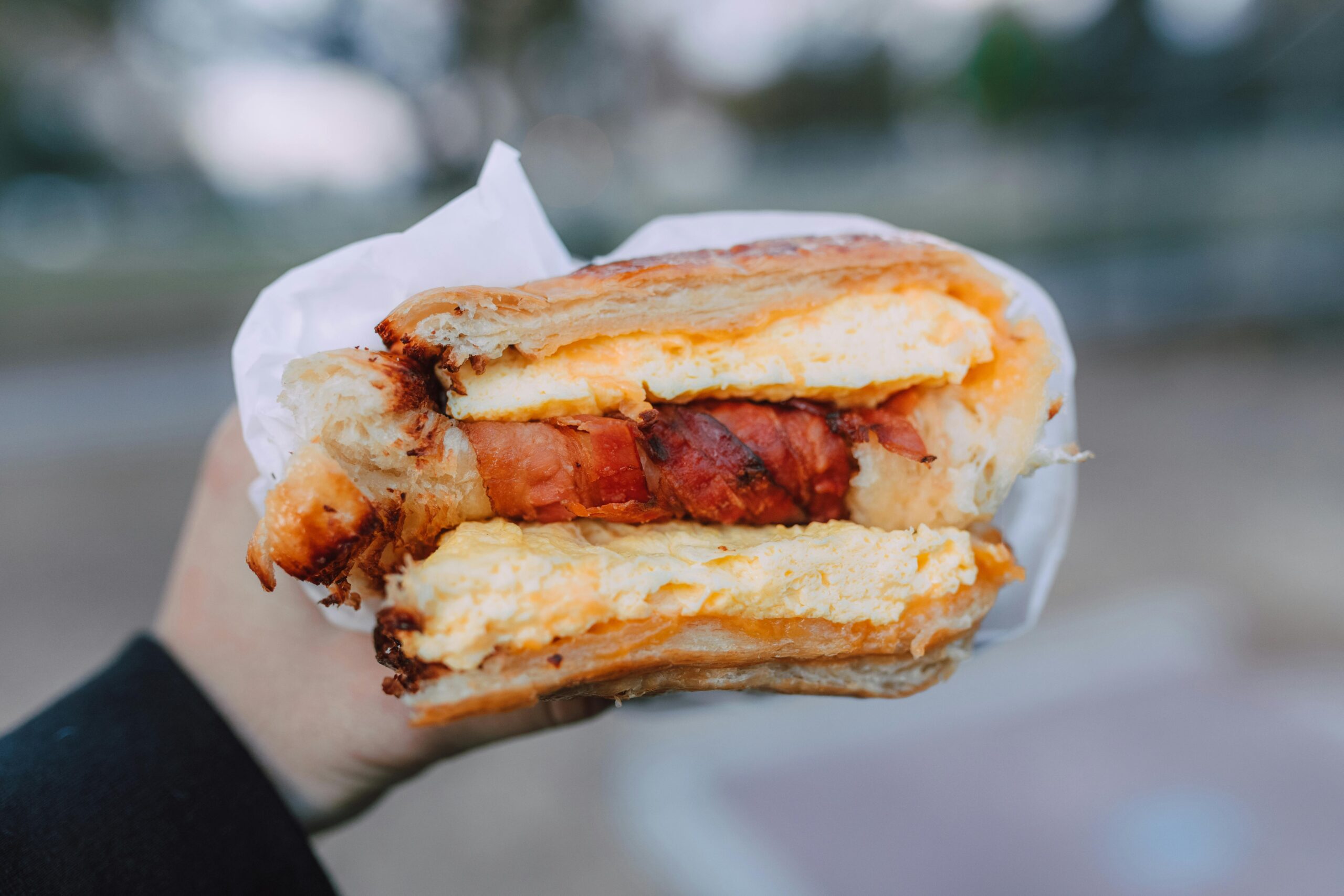
Skip the drive-through breakfast sandwich and prepare egg muffins instead. Whisk eggs with vegetables, cheese, and cooked meat, pour into muffin tins, and bake. These portable powerhouses can be eaten cold or reheated in seconds. Alternatively, overnight oats prepared in individual containers offer sweet breakfast variety with minimal morning effort.
DIY Snack Packs Beat Vending Machines
Create your own snack combinations in small containers or bags: mixed nuts with dark chocolate chips, hummus with vegetable sticks, cheese cubes with whole-grain crackers, or Greek yogurt with granola and berries. These customized options cost a fraction of pre-packaged snacks and contain ingredients you can actually pronounce.
Wraps and Sandwiches with Staying Power
The secret to non-soggy sandwiches is strategic layering. Place moisture barriers (lettuce leaves, cheese slices) between wet ingredients and the bread or tortilla. Use spreads like hummus or mashed avocado instead of watery vegetables against the bread. Wrap tightly in parchment paper or foil to maintain structure.
📱 Technology That Supports Your Goals
Several apps can streamline your meal planning and grocery shopping process, making grab-and-go eating even more convenient.
Meal planning apps help you organize recipes, generate shopping lists automatically, and track what ingredients you already have at home. Some apps even suggest recipes based on items nearing their expiration dates, reducing waste while maximizing variety.
Grocery delivery and pickup apps eliminate shopping time entirely. Many services remember your frequently purchased items and can have your order ready for curbside pickup or home delivery, often with same-day availability. This convenience removes one of the biggest barriers to home meal preparation.
🛒 Strategic Shopping for Grab-and-Go Success
Your shopping strategy directly impacts how successfully you can maintain grab-and-go eating habits. Shop with intention, focusing on versatile ingredients that serve multiple purposes throughout the week.
The Essential Grab-and-Go Grocery List
Stock your kitchen with these foundational items that support quick meal assembly:
- Proteins: Rotisserie chicken, canned tuna and salmon, Greek yogurt, eggs, pre-cooked chicken strips
- Grains: Pre-cooked rice pouches, quinoa, whole-grain tortillas, pita bread
- Vegetables: Pre-washed salad greens, cherry tomatoes, baby carrots, pre-cut vegetable stir-fry mixes
- Flavor boosters: Hot sauce, quality salad dressings, pesto, hummus, salsa
- Convenience items: Pre-shredded cheese, pre-cooked bacon, frozen edamame
When Convenience Items Make Sense
Some pre-prepared items are worth the slight premium. Pre-washed and chopped vegetables, rotisserie chickens, and pre-cooked grains save significant time with minimal cost difference. Calculate the value of your time—if spending an extra dollar saves you 15 minutes, that’s often worthwhile.
💡 Smart Substitutions That Beat Restaurant Favorites
Most restaurant cravings can be satisfied with homemade versions that are healthier and cheaper. Understanding these swaps helps you break the dining-out habit without feeling deprived.
| Restaurant Item | Grab-and-Go Alternative | Time to Prepare | Cost Savings |
|---|---|---|---|
| Fast food breakfast sandwich ($5-7) | English muffin + egg + cheese ($1.50) | 5 minutes | $3.50-5.50 |
| Deli sandwich ($8-12) | Homemade wrap with deli meat ($2.50) | 5 minutes | $5.50-9.50 |
| Restaurant salad ($10-15) | Mason jar salad ($3-4) | 10 minutes prep | $7-11 |
| Takeout burrito bowl ($9-13) | DIY burrito bowl ($3.50) | 5 minutes assembly | $5.50-9.50 |
⏰ Time-Saving Techniques That Make It Sustainable
The sustainability of your grab-and-go strategy depends on minimizing the time investment. These techniques maximize efficiency without compromising quality or variety.
The Two-Hour Power Prep Session
Dedicate two hours during the weekend to knock out the week’s preparation. During this session, cook all proteins, prepare grains, wash and chop vegetables, and portion snacks. This concentrated effort provides grab-and-go options for the entire week, saving hours during busy weekdays.
The Assembly Line Method
When preparing multiple meals of the same type, use an assembly line approach. Lay out all containers, then add the same ingredient to each container before moving to the next ingredient. This method is significantly faster than completing one meal at a time and ensures consistency across all portions.
Double-Duty Cooking
Whenever you cook dinner, intentionally prepare extra portions for grab-and-go meals. Grilling chicken for dinner? Cook extra breasts to slice for salads and wraps. Making pasta? Prepare a larger batch to portion into containers with different sauce combinations.
🌟 Maintaining Variety Without the Restaurant Experience
One perceived advantage of dining out is variety, but grab-and-go eating can offer even more diverse options when you approach it strategically. The key is thinking in terms of flavor profiles and cuisines rather than specific recipes.
Stock ingredients that represent different culinary traditions: Asian (soy sauce, sesame oil, rice vinegar), Mexican (cumin, chili powder, cilantro), Mediterranean (olive oil, lemon, oregano), and Italian (basil, balsamic vinegar, parmesan). With these flavor foundations, identical base ingredients transform into completely different meals.
For example, grilled chicken over rice becomes an Asian-inspired meal with soy sauce and vegetables, a Mediterranean dish with lemon and olives, or a Mexican bowl with salsa and black beans. This approach provides restaurant-level variety without requiring different cooking techniques or ingredients.
🎓 Teaching Your Family the Grab-and-Go Lifestyle
Success multiplies when everyone in your household embraces grab-and-go eating. Make it a collaborative effort rather than one person’s responsibility.
Create a system where family members can easily identify what’s available and assemble their own meals. Use clear containers, maintain a whiteboard listing prepared components, and establish designated refrigerator zones for different meal types. This empowers everyone to make independent food choices without defaulting to dining out.
Involve children in age-appropriate preparation tasks. Even young kids can wash vegetables, stir ingredients, or pack snack containers. This builds valuable life skills while reducing the burden on a single person.
💪 Overcoming Common Obstacles
Every lifestyle change faces challenges. Anticipating and planning for these obstacles prevents them from derailing your progress.
The “I’m Too Tired to Prep” Problem
On exhausting days, simplify your approach. Keep ultra-convenient options available: pre-made salad kits, rotisserie chicken, canned soup with added vegetables, or even high-quality frozen meals. These options still beat dining out financially and nutritionally, providing a safety net for difficult days.
Social Situations and Dining Pressure
Eating differently from colleagues or friends can feel awkward initially. Reframe the conversation around your goals—saving money, eating healthier, or managing time better—rather than criticizing their choices. Most people respect clear boundaries when explained positively. Suggest alternative social activities that don’t revolve around restaurants, like walking meetings or park gatherings where everyone brings their own food.
The Variety Trap
Some people abandon grab-and-go eating because they feel bored with their meals. Combat this by introducing one new recipe or ingredient weekly rather than eating the same things repeatedly. Subscribe to food blogs, follow social media accounts focused on meal prep, or join online communities where people share grab-and-go ideas.
📊 Tracking Your Success and Staying Motivated
Monitoring your progress transforms abstract goals into concrete achievements that fuel continued effort. Track multiple metrics to see the full impact of your new habits.
Calculate your monthly food spending before and after implementing grab-and-go strategies. Seeing hundreds of dollars in savings provides powerful motivation to continue. Similarly, track the time you’re saving—those hours add up to meaningful amounts of recovered life time.
Consider keeping a simple journal noting energy levels, how you feel physically, and any health changes you notice. Many people discover that eliminating restaurant food reduces bloating, improves digestion, and increases energy—benefits that motivate continued adherence more than financial savings alone.
🚀 Taking Your Grab-and-Go Game to the Next Level
Once you’ve mastered the basics, consider advanced strategies that make the lifestyle even more convenient and enjoyable.
Invest in portable appliances that expand your options: a quality insulated food jar keeps soups and stews hot for lunch, a portable blender creates fresh smoothies anywhere, and a small electric lunch box reheats meals without needing access to a microwave.
Develop signature recipes—your personal versions of restaurant favorites that you’ve perfected through experimentation. These become go-to options that require minimal thought while delivering maximum satisfaction.
Connect with others pursuing similar goals through online communities or local groups. Sharing recipes, strategies, and even doing meal prep swaps where you trade portions with others introduces new flavors with minimal additional effort.
🌈 Creating Your Food Freedom
Ditching dining out isn’t about restriction—it’s about liberation. You’re freeing yourself from the tyranny of expensive menus, long waits, and food that doesn’t truly serve your health or financial goals. Grab-and-go eating puts you in control, allowing you to decide exactly what goes into your body, when you eat, and how much you spend.
The transition requires initial effort and mindset shifts, but the rewards compound quickly. Within weeks, the new habits become automatic. Your kitchen transforms from an underused space into your personal food headquarters. Your bank account reflects the savings. Your body feels the difference of consistently nutritious meals. And your schedule opens up with reclaimed time.
This lifestyle isn’t about perfection. There will be occasions when dining out makes sense—celebrations, travel, or simply when you genuinely want the restaurant experience. The difference is that these become intentional choices rather than default habits born from lack of alternatives.
Start small if the full transformation feels overwhelming. Replace one restaurant meal per week with a grab-and-go alternative. Experience the benefits firsthand—the money saved, the time reclaimed, the satisfaction of a delicious meal you created. Build from there, expanding gradually as the new habits prove their value.
Your future self will thank you for every meal you didn’t order out, every dollar you kept in your account, and every minute you reclaimed from waiting in restaurants. The power to eat smarter, save money, and control your time is entirely within your reach—it’s just waiting in your own kitchen, ready to grab and go.