Condiments and sauces transform ordinary meals into extraordinary culinary experiences. Yet, many popular options harbor hidden sugars, excessive sodium, and artificial additives that can derail your health goals.

Whether you’re drizzling dressing over a fresh salad, dipping crispy fries into ketchup, or marinating chicken for dinner, the sauces you choose matter more than you might think. This comprehensive guide will help you navigate the condiment aisle with confidence, identifying the healthiest options while understanding exactly what those nutrition labels are telling you.
🍯 Why Condiments Deserve Your Attention
Most people meticulously plan their main meals but overlook the nutritional impact of condiments and sauces. A tablespoon here, a drizzle there—these seemingly innocent additions can accumulate surprisingly fast. That innocent-looking barbecue sauce might contain as much sugar as a candy bar, while your favorite salad dressing could pack more calories than a dessert.
The condiment industry has exploded in recent years, with grocery store shelves now offering hundreds of varieties. This abundance creates both opportunity and confusion. Smart consumers need strategies to separate genuinely healthy options from cleverly marketed imposters dressed in wellness language.
📊 Decoding Nutrition Labels Like a Pro
Reading nutrition labels on condiment bottles requires a different approach than evaluating other foods. Since serving sizes are typically small—often just one or two tablespoons—the numbers might seem deceptively reasonable at first glance.
Serving Size Reality Check
Manufacturers often list unrealistically small serving sizes to make nutritional information appear more favorable. Who actually uses just one tablespoon of salad dressing? Before evaluating any condiment, multiply the listed values by the amount you actually use. That two-tablespoon serving of ranch dressing suddenly becomes four tablespoons on your salad, quadrupling the calories, fat, and sodium.
The Sugar Detective Method
Sugar hides in condiments under numerous aliases. When scanning ingredient lists, watch for these common culprits:
- High fructose corn syrup
- Cane sugar or cane juice
- Honey and agave nectar
- Maltose, dextrose, and sucrose
- Molasses and maple syrup
- Fruit juice concentrates
A good rule of thumb: aim for condiments with less than 2 grams of sugar per serving. Ketchup frequently contains 4 grams per tablespoon—that’s an entire teaspoon of sugar in one serving.
Sodium: The Silent Overloader
Condiments are sodium bombs waiting to explode your daily intake recommendations. Soy sauce, teriyaki sauce, and many marinades can contain 500-1000mg of sodium per tablespoon—nearly half your daily recommended limit in a single spoonful. Look for low-sodium versions, which typically reduce sodium content by 25-50%.
🥫 Top Healthier Condiment Picks by Category
Ketchup and Tomato-Based Sauces
Traditional ketchup ranks among the worst offenders for added sugar. However, several brands now offer reduced-sugar or no-sugar-added versions that use alternative sweeteners or simply embrace the natural tartness of tomatoes. Primal Kitchen and True Made Foods produce excellent options with vegetable-based sweetness instead of refined sugars.
For pasta sauces, choose varieties with short ingredient lists—ideally just tomatoes, olive oil, garlic, and herbs. Avoid cream-based sauces unless you’re making them from scratch with quality ingredients.
Mustard: The Champion Condiment
Mustard deserves recognition as one of the healthiest condiments available. Most varieties contain minimal calories, virtually no sugar, and reasonable sodium levels. Dijon, whole grain, spicy brown, and yellow mustard all make excellent choices. The vinegar base provides tangy flavor without requiring sugar for balance.
Honey mustard represents the exception—it typically contains significant added sugar. If you love honey mustard, consider making your own by mixing regular mustard with a small amount of raw honey for better control over sweetness levels.
Mayonnaise and Creamy Spreads
Mayo’s reputation as unhealthy stems mainly from its calorie density—about 90-100 calories per tablespoon from fat. However, versions made with avocado oil or olive oil provide healthier fat profiles than those made with soybean or canola oil. Primal Kitchen and Chosen Foods offer excellent avocado oil-based mayonnaise options.
Greek yogurt makes an outstanding mayonnaise substitute in many applications, delivering protein and probiotics with fewer calories. Mix it with herbs, lemon juice, and garlic for a versatile spread or dip base.
Hot Sauce: Flavor Without Guilt
Most hot sauces are remarkably healthy—typically containing just peppers, vinegar, and salt. A teaspoon adds explosive flavor for fewer than 5 calories and minimal sodium. Tabasco, Cholula, and Tapatio all offer clean ingredient lists. Sriracha contains more sugar than other hot sauces but still remains reasonable compared to sweet condiments.
Salad Dressings: Navigate With Caution
Store-bought salad dressings range from relatively healthy to nutritional disasters. Creamy dressings like ranch, blue cheese, and Caesar pack the most calories and often contain concerning additives. Vinaigrettes typically fare better but still frequently include added sugars.
The healthiest approach? Make your own. A simple vinaigrette requires just three minutes and four ingredients: olive oil, vinegar (balsamic, red wine, or apple cider), Dijon mustard, and a touch of honey or maple syrup. Store it in a jar and shake before each use.
If purchasing dressings, look for brands like Primal Kitchen, Tessemae’s, or Bragg that prioritize whole food ingredients and minimal processing.
Soy Sauce and Asian Condiments
Regular soy sauce contains astronomical sodium levels—around 900mg per tablespoon. Opt for low-sodium soy sauce or coconut aminos, which provides similar umami flavor with 65% less sodium. Coconut aminos also work well for those avoiding soy or gluten.
Fish sauce, while intensely flavored, should be used sparingly due to high sodium content. A little goes a long way for adding depth to Southeast Asian dishes.
Barbecue Sauce: Sweet Trouble
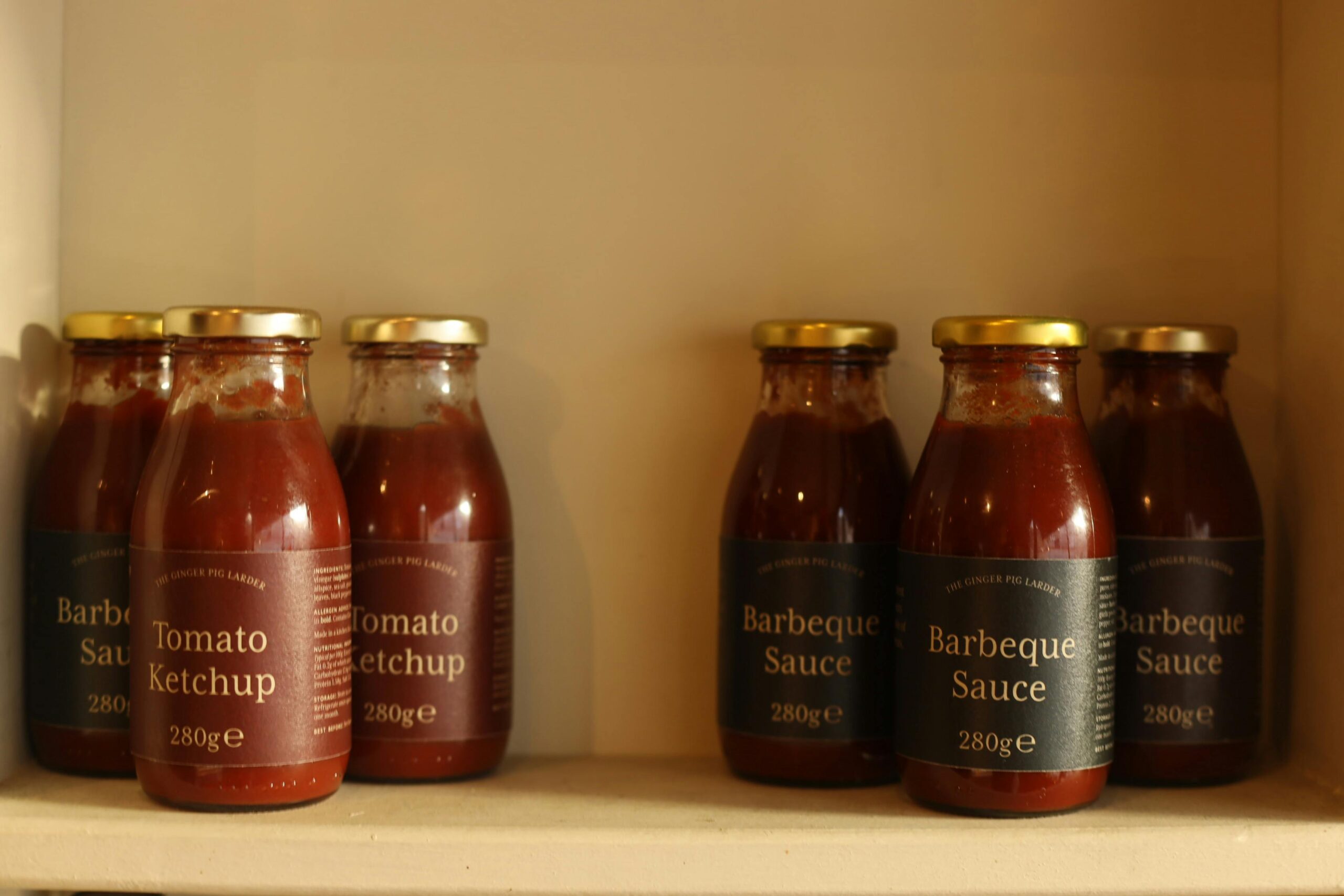
Traditional barbecue sauce resembles liquid candy—some varieties contain 12-16 grams of sugar per two-tablespoon serving. If you love BBQ sauce, seek out brands specifically marketed as “sugar-free” or “reduced sugar.” G Hughes and Primal Kitchen make versions sweetened with alternative sweeteners that deliver authentic barbecue flavor.
🔍 Smart Shopping Strategies for the Condiment Aisle
Grocery stores strategically position products to maximize sales, not your health. Eye-level shelves typically feature the most profitable items—often heavily processed options from major brands paying premium placement fees. Healthier alternatives frequently hide on lower or higher shelves.
The Five-Ingredient Rule
As a general guideline, choose condiments with five ingredients or fewer. Exceptions exist—some complex fermented sauces naturally require more components—but this rule helps filter out over-processed options loaded with stabilizers, artificial colors, and preservatives you can’t pronounce.
Organic Considerations
Organic certification matters more for certain condiments than others. Prioritize organic versions of products where the main ingredient is a heavily sprayed crop—like tomatoes in ketchup or soybeans in soy sauce. For hot sauce made primarily from peppers and vinegar, organic status carries less importance.
Understanding “Healthy” Marketing Claims
Food manufacturers excel at making products appear healthier than they are. Don’t be fooled by these common tactics:
- “All Natural” – This term lacks legal definition and means almost nothing. Natural sugar still spikes your blood glucose.
- “Made with Real Fruit” – Often means fruit juice concentrate, which is essentially sugar water.
- “Low Fat” – Usually compensates by adding sugar for palatability.
- “Gluten-Free” – Relevant for celiac disease but doesn’t indicate overall healthfulness.
- “No Artificial Flavors” – May still contain natural flavors, which are chemically similar and sometimes more concerning.
📱 Technology Tools for Healthier Choices
Several smartphone applications help decode nutrition labels and identify hidden ingredients. These digital tools scan barcodes and provide instant health ratings based on comprehensive databases.
Apps like Yuka scan product barcodes and rate foods based on nutritional quality and additives, offering healthier alternatives when available. This technology proves especially valuable when shopping for condiments, where marketing often obscures nutritional reality.
🏠 DIY Condiments: Taking Control
Making condiments at home provides ultimate control over ingredients while often delivering superior flavor to store-bought versions. Many homemade condiments require minimal time and basic ingredients you likely already have.
Quick Homemade Recipes
Five-Minute Ketchup: Blend tomato paste, apple cider vinegar, a touch of honey, garlic powder, onion powder, and sea salt. Adjust sweetness to your preference—most people find they prefer far less sugar than commercial versions contain.
Simple Vinaigrette: Combine three parts olive oil to one part vinegar, add a teaspoon of Dijon mustard, minced garlic, salt, pepper, and optional herbs. Store refrigerated for up to two weeks.
Greek Yogurt Ranch: Mix Greek yogurt with dried dill, garlic powder, onion powder, fresh chives, lemon juice, salt, and pepper. This version delivers similar flavor with protein and probiotics.
💡 Portion Control Strategies
Even healthy condiments require moderation. Implement these strategies to prevent condiment overload:
- Use measuring spoons initially to calibrate your eye for appropriate portions
- Dip your fork in dressing before spearing salad rather than pouring dressing directly
- Dilute thick sauces with vinegar, water, or citrus juice to extend volume without adding calories
- Place condiments in small ramekins rather than bottles at the table
- Choose squeeze bottles over pour spouts for better control
🌍 International Condiment Options
Exploring global condiments opens new flavor dimensions while often providing healthier alternatives to American classics. Mediterranean, Asian, and Latin American cuisines offer numerous options worth incorporating into your rotation.
Harissa from North Africa provides complex heat with minimal calories. Chimichurri from Argentina combines fresh herbs, garlic, and olive oil for a nutrient-dense sauce. Japanese ponzu offers citrusy brightness with less sodium than soy sauce. Tahini from Middle Eastern cuisine delivers healthy fats, protein, and calcium.
🎯 Building Your Healthy Condiment Collection
A well-stocked condiment shelf enables quick, flavorful meals without compromising health goals. Consider these essentials for maximum versatility:
| Category | Recommended Options | Uses |
|---|---|---|
| Mustards | Dijon, whole grain, yellow | Sandwiches, dressings, marinades |
| Hot Sauces | Tabasco, Cholula, sriracha | Eggs, tacos, soups, stir-fries |
| Vinegars | Balsamic, apple cider, rice | Dressings, marinades, deglazing |
| Asian Sauces | Coconut aminos, fish sauce | Stir-fries, marinades, dipping |
| Healthy Fats | Tahini, avocado oil mayo | Spreads, dressings, dips |
🔄 Transitioning to Healthier Options
Switching from sugar-laden condiments to healthier alternatives requires an adjustment period for your taste buds. Sugar addiction affects condiment preferences just as it influences other food choices. Your palate adapts within two to three weeks of reducing sugar intake.
Start by mixing your current condiment with a healthier alternative in increasing ratios. Combine regular ketchup with sugar-free versions, gradually shifting the balance until your taste buds adjust. This gradual transition prevents the shock of sudden change while moving you toward healthier habits.
✨ Making Peace with Imperfection
Perfect eating doesn’t exist, nor should it be your goal. Occasionally enjoying your favorite full-sugar barbecue sauce at a summer cookout won’t derail your health. The condiments you choose daily in your home kitchen matter far more than occasional indulgences.
Focus on improving your baseline—the condiments you reach for regularly. If you typically use conventional ranch dressing three times per week, switching to a yogurt-based version or making your own creates meaningful impact over time. Small, consistent improvements compound into significant results.
Understanding labels, recognizing marketing tactics, and knowing which ingredients to avoid empowers you to navigate the condiment aisle with confidence. Armed with this knowledge, you can enhance your meals with flavorful sauces that support rather than sabotage your health goals. The difference between a condiment that nourishes and one that merely tastes good often comes down to reading between the lines—or in this case, reading the actual lines on that nutrition label.