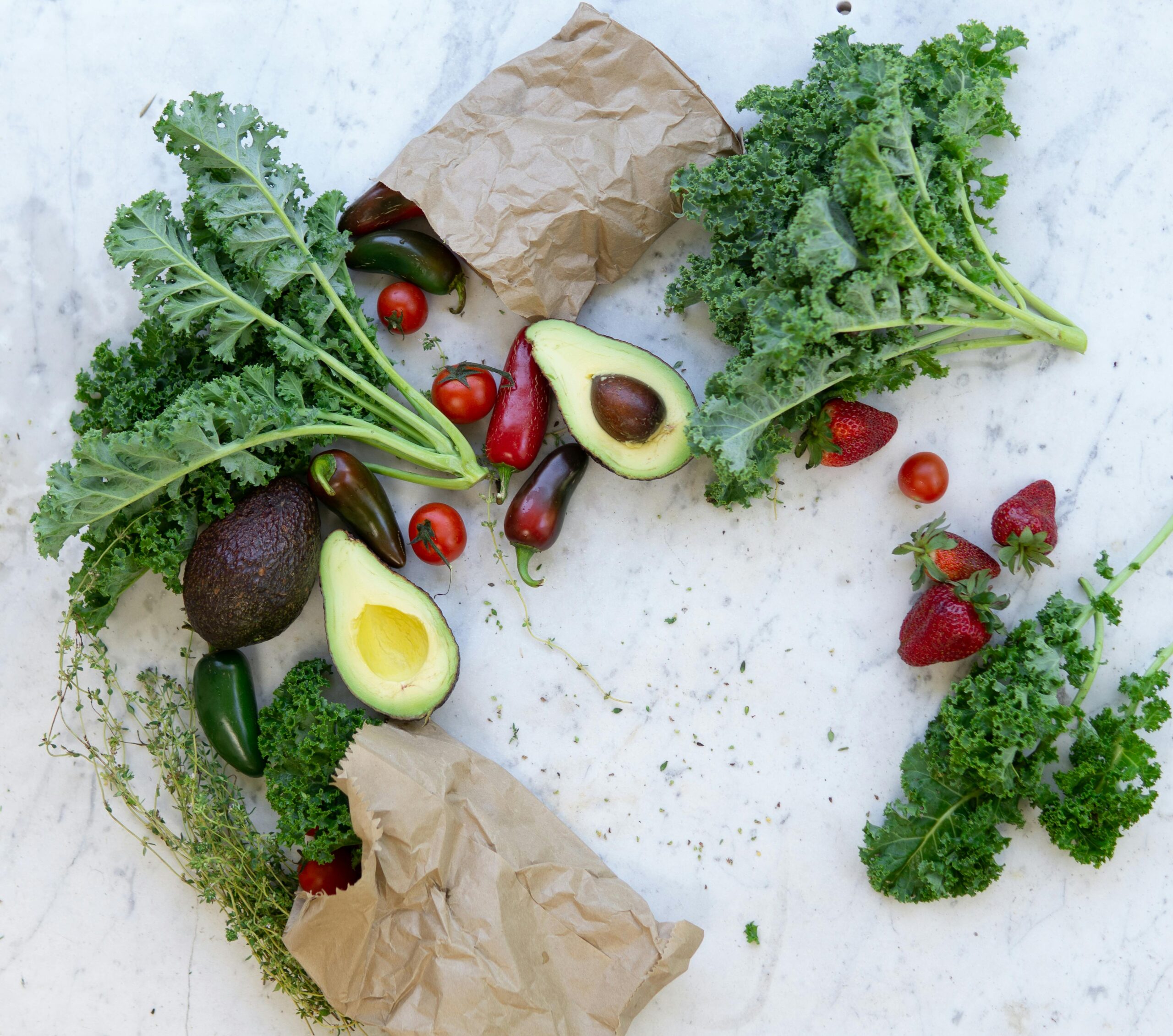
Transforming your eating habits starts with what you put in your shopping cart. A protein-first approach to grocery shopping revolutionizes meal planning, giving you the foundation for countless delicious combinations.

Building meals around quality protein sources isn’t just a fitness trend—it’s a sustainable approach to nutrition that supports muscle maintenance, promotes satiety, and simplifies decision-making in the kitchen. When you stock your pantry and refrigerator with versatile protein options, you create endless possibilities for breakfast, lunch, dinner, and snacks without the daily stress of figuring out what to eat.
🥩 Why Protein Deserves Top Billing on Your Grocery List
Protein serves as the building block of virtually every cell in your body, from muscles and bones to skin and hair. Unlike carbohydrates and fats, your body cannot store excess protein for later use, making regular intake throughout the day essential for optimal health and performance.
When you prioritize protein in your meal planning, you naturally create more balanced plates. This macronutrient takes longer to digest than carbohydrates, keeping you fuller longer and reducing the likelihood of energy crashes and unhealthy snacking. Research consistently shows that adequate protein intake supports weight management, metabolic health, and overall vitality.
A protein-first shopping strategy also streamlines meal preparation. Once you have your protein selected, the rest of your meal components—vegetables, grains, and healthy fats—fall into place much more easily. This approach eliminates the common dinner dilemma of staring into the refrigerator wondering what to cook.
🐔 The Essential Animal Protein Powerhouses
Animal proteins deliver complete amino acid profiles, making them nutritional heavy hitters. Your grocery list should include a variety of options to prevent meal fatigue and provide different nutrient profiles.
Poultry Picks
Chicken breast remains the gold standard for lean protein, offering approximately 31 grams of protein per 100-gram serving with minimal fat. However, don’t overlook chicken thighs, which provide more flavor and stay moist during cooking, making them perfect for meal prep. Ground chicken offers versatility for everything from burgers to meatballs to taco fillings.
Turkey presents similar benefits with slight nutritional variations. Ground turkey works wonderfully as a chicken substitute, while turkey breast provides an excellent lean option. During holiday seasons, take advantage of whole turkey sales for economical protein that can be portioned and frozen.
Beef and Pork Options
Grass-fed ground beef supplies protein plus important nutrients like iron, zinc, and vitamin B12. Choose various fat percentages depending on your goals—90/10 for leaner meals, 80/20 for juicier burgers. Sirloin, flank steak, and round cuts provide excellent value for money-conscious shoppers.
Pork tenderloin rivals chicken breast for leanness while offering distinctive flavor. Pork chops cook quickly for weeknight meals, and ground pork adds variety to your rotation. Don’t dismiss bacon and sausage entirely—they can add flavor to dishes when used thoughtfully rather than as primary protein sources.
Seafood Selections
Fish delivers protein alongside omega-3 fatty acids that support heart and brain health. Salmon, both fresh and canned, should feature prominently on your list. Tuna—whether fresh steaks or canned—offers convenience and versatility. White fish like cod, tilapia, and halibut provide mild-flavored, lean options that pair with countless seasonings.
Shrimp cooks in minutes, making it perfect for quick meals. Frozen shrimp often provides better value than fresh, and quality remains high. Shellfish like mussels and clams deliver impressive protein with the added benefit of being environmentally sustainable and budget-friendly.
Eggs and Dairy
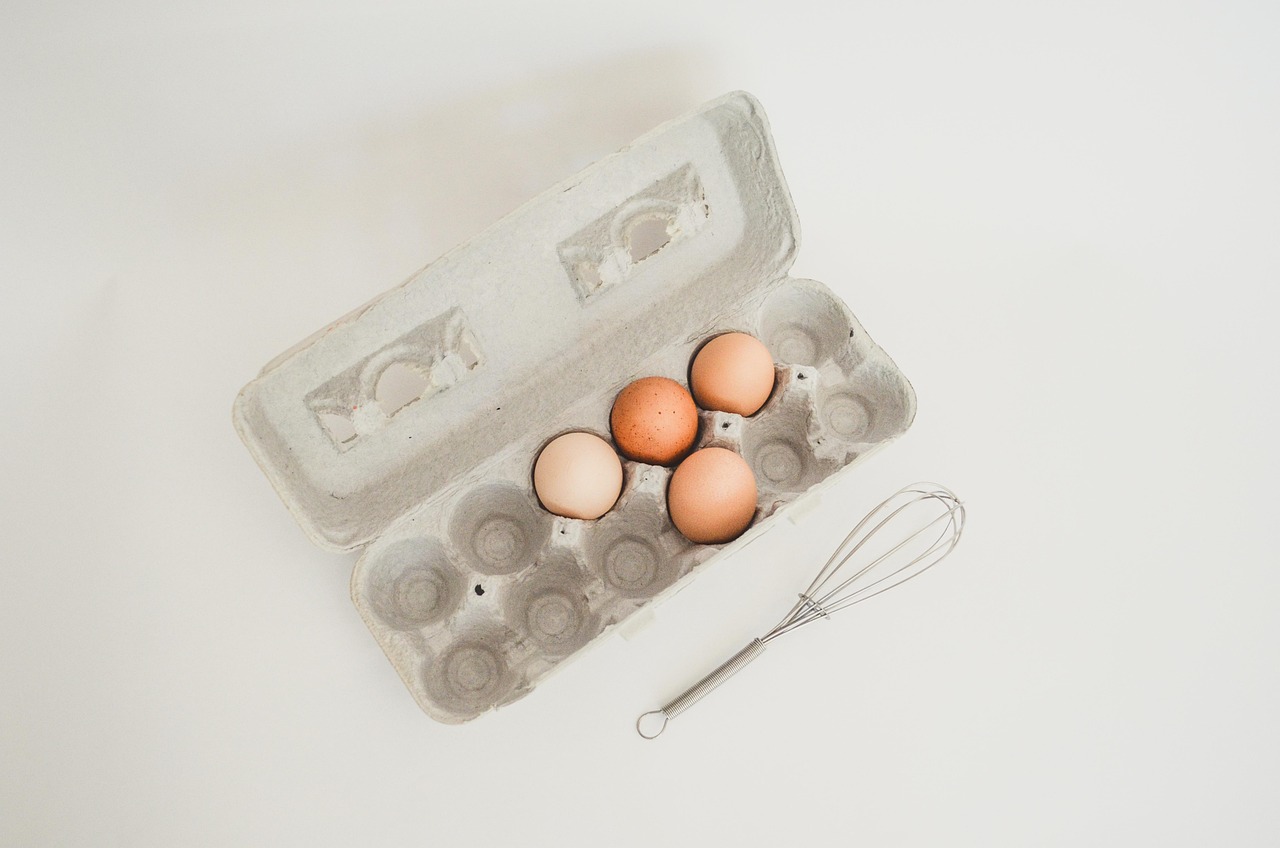
Eggs deserve special recognition as one of nature’s most perfect protein packages, containing all essential amino acids plus vitamins D, B12, and choline. A dozen eggs should always occupy refrigerator space—they’re breakfast, lunch, dinner, and snack all in one affordable package.
Greek yogurt provides double the protein of regular yogurt, with options ranging from non-fat to full-fat depending on your preferences. Cottage cheese has experienced a renaissance among health-conscious eaters, offering approximately 14 grams of protein per half-cup serving. Hard cheeses like cheddar and parmesan contribute protein alongside calcium, though in smaller amounts per serving.
🌱 Plant-Based Protein All-Stars
Plant proteins offer fiber, phytonutrients, and environmental benefits alongside their protein content. A well-rounded grocery list includes both animal and plant sources for maximum nutritional diversity.
Legume Legends
Beans, lentils, and chickpeas provide substantial protein plus fiber that supports digestive health and blood sugar stability. Black beans, kidney beans, and pinto beans work in countless dishes from salads to soups to Mexican-inspired meals. Dried beans require planning but cost significantly less than canned versions.
Lentils cook faster than beans and need no pre-soaking, making them weeknight-friendly. Red lentils break down into creamy textures perfect for dal and thick soups, while green and brown lentils maintain their shape in salads and side dishes. Chickpeas shine in everything from hummus to curries to roasted snacks.
Soy and Tofu
Tofu provides complete protein rare among plant sources. Extra-firm tofu can be pressed, cubed, and cooked to crispy perfection, while silken varieties blend into smoothies and desserts. Tempeh offers a firmer texture and nuttier flavor with additional fiber from its whole-soybean composition.
Edamame delivers protein and a fun eating experience—whether shelled into salads or enjoyed as whole pods with sea salt. Organic soy products are worth seeking out to avoid genetically modified varieties if that aligns with your values.
Nuts, Seeds, and Nut Butters
While nuts and seeds contain healthy fats as their primary macronutrient, they contribute meaningful protein amounts. Almonds, peanuts, and pumpkin seeds pack the most protein per serving. Nut butters—peanut, almond, cashew—offer concentrated nutrition perfect for quick snacks or recipe ingredients.
Hemp seeds and chia seeds provide complete proteins plus omega-3 fatty acids. Sprinkle them on yogurt, blend into smoothies, or incorporate into baked goods for nutritional enhancement without dramatically changing flavor profiles.
🛒 Strategic Shopping: Organizing Your Protein-First List
Effective grocery shopping requires strategy beyond simply knowing what to buy. Organizing your list by store sections saves time and reduces the likelihood of forgetting items or making impulse purchases.
Start with the perimeter of most grocery stores, where fresh proteins typically reside. Move through produce, then venture into interior aisles for canned goods, grains, and frozen options. This pattern follows the natural flow of most store layouts while prioritizing whole foods over processed alternatives.
Fresh Protein Section
- Chicken breasts and thighs
- Ground turkey and ground beef
- Fresh fish fillets (salmon, cod, tilapia)
- Pork tenderloin or chops
- Eggs (conventional or pasture-raised)
- Greek yogurt (plain for versatility)
- Cottage cheese
- Block cheese for grating
Frozen Protein Section
- Frozen chicken breasts (individually wrapped for convenience)
- Frozen shrimp (raw, peeled, deveined)
- Frozen fish fillets
- Frozen edamame
- Frozen mixed seafood
Pantry Protein Staples
- Canned tuna and salmon
- Canned beans (black, kidney, chickpeas)
- Dried lentils (red, green, brown)
- Quinoa (technically a seed with complete protein)
- Nut butters (peanut, almond)
- Mixed nuts and seeds
- Protein powder (whey or plant-based)
- Canned chicken breast
💡 Mix-and-Match Meal Formula for Endless Variety
The beauty of a protein-first approach reveals itself when you understand the simple formula for creating satisfying meals: Protein + Vegetable + Complex Carb + Healthy Fat + Flavor. This framework works for any eating style or preference.
Select one item from each category, and you’ve created a balanced meal. The combinations are virtually limitless, meaning you can eat differently every single day using the same grocery staples.
Breakfast Combinations
Eggs (protein) + spinach (vegetable) + oatmeal (complex carb) + avocado (healthy fat) + everything bagel seasoning (flavor). Greek yogurt (protein) + berries (vegetable) + granola (complex carb) + almonds (healthy fat) + honey and cinnamon (flavor). Protein smoothie with protein powder (protein) + frozen cauliflower (vegetable) + banana (complex carb) + peanut butter (healthy fat) + cocoa powder (flavor).
Lunch and Dinner Blueprints
Grilled chicken (protein) + roasted broccoli (vegetable) + quinoa (complex carb) + olive oil (healthy fat) + lemon and garlic (flavor). Salmon (protein) + asparagus (vegetable) + sweet potato (complex carb) + butter (healthy fat) + dill and lemon (flavor). Ground beef (protein) + bell peppers and onions (vegetable) + brown rice (complex carb) + cheese (healthy fat) + taco seasoning (flavor).
Black beans (protein) + zucchini and tomatoes (vegetable) + whole wheat pasta (complex carb) + parmesan (healthy fat) + Italian herbs (flavor). Tofu (protein) + bok choy and mushrooms (vegetable) + rice noodles (complex carb) + sesame oil (healthy fat) + ginger and soy sauce (flavor).
📊 Protein Content Comparison Guide
| Protein Source | Serving Size | Protein (grams) | Key Benefit |
|---|---|---|---|
| Chicken Breast | 100g | 31g | Extremely lean |
| Salmon | 100g | 25g | Omega-3 fatty acids |
| Ground Beef (90/10) | 100g | 26g | Iron and B12 |
| Eggs | 2 large | 12g | Complete amino acids |
| Greek Yogurt | 170g | 17g | Probiotics |
| Lentils (cooked) | 1 cup | 18g | High fiber |
| Tofu (firm) | 100g | 12g | Complete plant protein |
| Chickpeas (cooked) | 1 cup | 15g | Versatile texture |
🎯 Budget-Friendly Protein Shopping Strategies
Quality protein doesn’t require premium prices when you shop strategically. Buying whole chickens and breaking them down yourself saves significant money compared to pre-cut pieces. Learn this basic kitchen skill once, and you’ll benefit for life.
Canned fish, particularly tuna and salmon, provides shelf-stable protein at fraction-of-fresh costs. Stock up during sales—these items last for years. Similarly, dried beans and lentils cost pennies per serving compared to canned versions or animal proteins.
Eggs remain one of the most economical protein sources available, delivering complete nutrition for minimal investment. Even premium pasture-raised eggs typically cost less per gram of protein than most meat and fish options.
Buy protein in bulk when possible and freeze in portion-sized packages. Family packs of chicken, ground meat, and fish cost less per pound and can be repackaged at home. Investing in a vacuum sealer or quality freezer bags prevents freezer burn and extends storage life.
⏰ Meal Prep Magic: Making Your Protein Work Harder
The true power of a protein-first grocery list manifests through strategic meal preparation. Dedicating a few hours weekly to cooking multiple protein sources transforms your entire eating experience.
Cook proteins in batches using different methods—baked chicken breasts, grilled thighs, hard-boiled eggs, and a pot of lentils all completed in one session. Store them separately in clear containers, and you’ve created a mix-and-match protein bar in your refrigerator.
Season some proteins fully and leave others plain. Seasoned options become grab-and-go meals, while plain proteins accept whatever flavors match your daily cravings. This flexibility prevents the meal prep monotony that causes many people to abandon the practice.
Properly stored cooked proteins last 3-4 days in the refrigerator, giving you a full workweek of ready-to-assemble meals. Freeze portions beyond that timeframe to maintain quality and safety.
🌟 Boosting Protein Absorption and Utilization
Buying and eating protein is only part of the equation—your body must effectively digest and utilize it. Distribute protein intake throughout the day rather than consuming most at dinner. Research suggests the body optimally processes 25-40 grams per meal, making frequent, moderate servings more effective than one massive daily portion.
Pair plant proteins with complementary sources to create complete amino acid profiles. Rice and beans, hummus and whole wheat pita, or peanut butter on whole grain bread combine to deliver all essential amino acids your body cannot produce independently.
Include vitamin C-rich foods with plant-based iron sources to enhance absorption. Adding tomatoes, bell peppers, or citrus to lentil or bean dishes significantly increases iron bioavailability, addressing a common concern with plant-based eating.
🍽️ Building Your Personalized Protein System
Your ideal protein-first grocery list reflects your individual tastes, budget, cooking skills, and nutritional requirements. Athletes and highly active individuals need more protein than sedentary people. Those following specific dietary patterns—keto, paleo, vegetarian—will emphasize different sources.
Start by identifying five to seven protein sources you genuinely enjoy eating. Build your initial shopping list around these anchors, then gradually experiment with new options. This approach prevents overwhelm while steadily expanding your repertoire.
Track which proteins you use most frequently and which languish unused. Adjust your shopping accordingly—there’s no value in buying salmon weekly if it consistently goes bad before you cook it. Honor your actual eating patterns rather than aspirational ones.
Consider seasonal variations and sale cycles. Grilling season makes chicken thighs and pork chops more appealing, while winter invites hearty bean stews and slow-cooked beef. Flexibility keeps meals exciting and often reduces costs.
✨ Transforming Your Relationship with Meal Planning
A protein-first approach fundamentally shifts how you think about food shopping and meal creation. Instead of searching for complete recipe ideas before shopping—a process that often leads to complicated ingredient lists and wasted food—you build a foundation of versatile proteins that support countless preparations.
This system reduces decision fatigue, a real phenomenon that makes dinner planning feel exhausting after a long day. When your proteins are already selected and prepared, you’ve eliminated the hardest decision, leaving only the enjoyable choice of which flavors and combinations appeal to you today.
The mix-and-match flexibility accommodates everyone in your household, even when preferences differ. Cook one protein, then let family members customize their vegetables, grains, and seasonings. This approach beats cooking multiple entirely separate meals while still honoring individual tastes.
Most importantly, centering your grocery list and meal planning around protein ensures you consistently meet this crucial nutritional need. Many people unintentionally under-consume protein, leading to increased hunger, muscle loss, and suboptimal health outcomes. When protein takes priority from the shopping stage forward, adequate intake becomes automatic rather than requiring constant conscious effort.
Your protein-first grocery list becomes more than a shopping tool—it’s a framework for sustainable, enjoyable, nutritious eating that adapts to your changing needs, preferences, and circumstances. Start building your list today, and discover how much easier healthy eating becomes when you power your plate from the protein up.