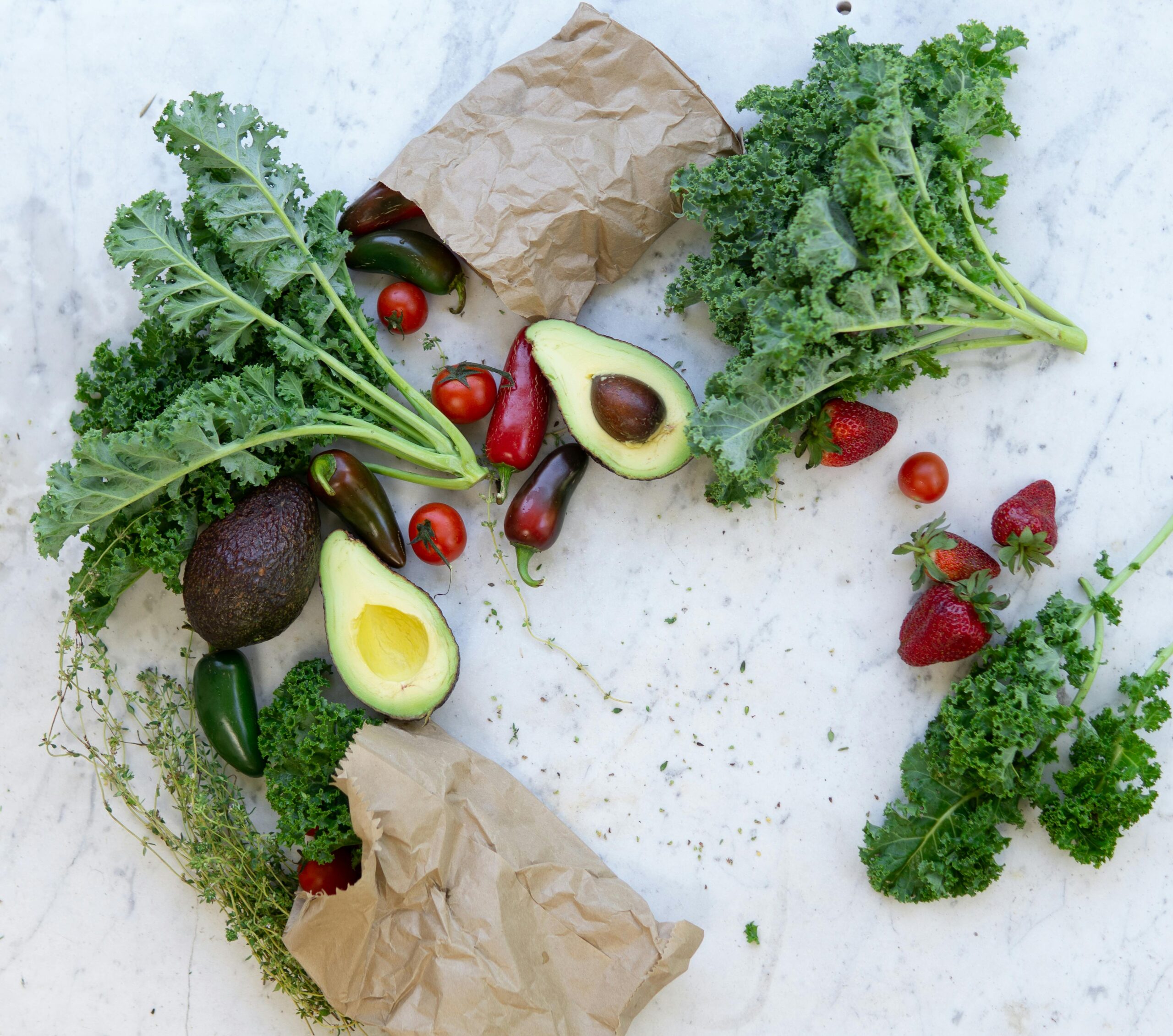
Transform your everyday eating into a vibrant culinary adventure by embracing fresh produce and quality proteins in moderation. This approach creates meals that nourish both body and soul while keeping your kitchen exciting.

The journey toward balanced eating doesn’t require extreme measures or complicated rules. Instead, it invites you to explore the natural diversity of wholesome ingredients available at your local market. By focusing on moderate variety rather than overwhelming abundance, you’ll discover a sustainable approach to meal planning that enhances both flavor and nutrition without creating unnecessary stress or food waste.
🌱 The Power of Moderate Variety in Your Daily Diet
When we talk about variety in nutrition, many people imagine needing dozens of different ingredients every week. The reality is far simpler and more manageable. Moderate variety means selecting from different food groups consistently while rotating your choices throughout the week, ensuring you receive a broad spectrum of nutrients without overwhelming your grocery budget or refrigerator space.
Research consistently shows that diets incorporating diverse nutrient sources support optimal health outcomes. However, the key word here is “moderate.” You don’t need fifteen types of vegetables in your crisper drawer simultaneously. Rather, aim for five to seven different produce items each week, rotating selections based on seasonality, personal preference, and nutritional goals.
This moderate approach offers several compelling advantages. First, it reduces decision fatigue when planning meals. Second, it minimizes food waste by keeping quantities manageable. Third, it makes grocery shopping more efficient and budget-friendly. Finally, it allows you to truly appreciate each ingredient’s unique flavor profile and nutritional contribution.
Fresh Produce: Your Foundation for Flavorful Nutrition
Fresh fruits and vegetables form the cornerstone of any balanced eating pattern. Their vibrant colors signal the presence of different phytonutrients, vitamins, and minerals that work synergistically to support your health. Rather than fixating on exotic superfoods, focus on consistently incorporating familiar, accessible produce into your daily routine.
Building Your Weekly Produce Selection 🥬
Start by selecting produce across different color categories. This simple visual strategy naturally ensures nutritional diversity. Choose one or two items from each color group: greens like spinach or broccoli, reds and purples such as tomatoes or eggplant, oranges and yellows including carrots or bell peppers, and whites like cauliflower or onions.
Seasonal shopping enhances both flavor and value. Spring brings tender asparagus and sweet strawberries. Summer offers abundant tomatoes, zucchini, and stone fruits. Fall delivers hearty squashes and crisp apples. Winter provides robust root vegetables and citrus fruits. Aligning your purchases with natural growing cycles means you’ll enjoy produce at peak flavor while supporting sustainable agriculture.
Don’t overlook frozen vegetables as part of your moderate variety strategy. Flash-frozen produce often retains more nutrients than fresh items that have traveled long distances or sat in storage. Keep bags of frozen broccoli, mixed vegetables, or berries on hand for convenient additions to meals when fresh options are limited.
Protein Sources: Quality and Diversity Matter 🍗
Protein plays essential roles throughout your body, from building and repairing tissues to creating enzymes and hormones. Incorporating moderate variety in your protein sources ensures you benefit from different amino acid profiles and accompanying nutrients that vary between protein types.
Animal-Based Proteins for Balanced Meals
Poultry remains one of the most versatile and accessible protein options. Chicken breast offers lean protein for lighter meals, while chicken thighs provide more flavor and moisture for heartier dishes. Turkey works wonderfully as a ground meat alternative or as roasted centerpieces for special occasions.
Fish and seafood deserve regular rotation into your meal plan. Fatty fish like salmon, mackerel, and sardines provide omega-3 fatty acids alongside high-quality protein. White fish such as cod, tilapia, or halibut offer mild flavors that pair well with various seasonings and cooking methods. Aim for two to three seafood meals weekly to maximize these nutritional benefits.
Red meat can absolutely fit within a balanced approach when consumed in moderation. Lean cuts of beef, pork tenderloin, or lamb provide complete proteins along with iron, zinc, and B vitamins. The key is portion control and frequency—treating these proteins as components of vegetable-forward meals rather than the dominant feature on your plate.
Eggs represent perhaps the most economical and nutritious protein source available. Their versatility spans breakfast scrambles, lunch salads, dinner frittatas, and countless baked goods. Each egg provides approximately six grams of protein along with choline, vitamin D, and other essential nutrients.
Plant-Based Proteins Add Dimension
Even if you’re not vegetarian or vegan, incorporating plant-based proteins into your rotation offers nutritional and culinary benefits. Legumes—including beans, lentils, and chickpeas—provide fiber alongside protein, supporting digestive health and promoting satiety. They also cost significantly less than most animal proteins while offering impressive nutritional value.
Tofu, tempeh, and edamame bring variety to your protein repertoire. These soy-based options absorb flavors beautifully and provide complete proteins containing all essential amino acids. Experiment with different preparations to discover which textures and flavors appeal to your palate.
Nuts, seeds, and their butters contribute protein along with healthy fats. While higher in calories, these nutrient-dense foods enhance both nutrition and satisfaction when used appropriately as meal components or snacks.
Practical Meal Planning with Moderate Variety ✨
Translating the concept of moderate variety into actual meals requires some planning but needn’t be complicated. Start by establishing a flexible framework that provides structure while allowing creativity and adaptation based on what looks fresh at the market or what you’re craving on any given day.
The Weekly Template Approach
Consider creating a loose weekly template that ensures variety without rigid meal prescriptions. For example, designate Monday for poultry, Tuesday for plant-based proteins, Wednesday for seafood, Thursday for eggs, Friday for red meat, and weekends for experimentation or leftovers. This structure guarantees protein diversity while remaining adaptable.
Apply similar thinking to vegetables. If you purchase five different vegetables weekly, plan to feature one or two in each evening meal. Roast a sheet pan of mixed vegetables on Sunday to streamline weeknight cooking. Keep a rotation of raw vegetables for fresh salads and snacking throughout the week.
Batch Cooking Strategies for Busy Lives
Moderate variety becomes more achievable when you employ smart batch cooking techniques. Preparing proteins in bulk at the beginning of the week provides ready components for quick meal assembly. Grill several chicken breasts, roast a whole chicken, cook a pot of beans, or bake salmon fillets all at once.
Similarly, wash and prep vegetables upon returning from the grocery store. Chop bell peppers, wash lettuce, trim green beans, and store everything properly so healthy ingredients are grab-and-go ready. This small investment of time dramatically increases the likelihood that you’ll actually use those fresh ingredients before they spoil.
Creating Balanced Plates That Satisfy 🍽️
Understanding how to compose balanced plates using your moderate variety of ingredients ensures that meals provide sustained energy and satisfaction. The visual plate method offers an intuitive guideline that works for most people without requiring measuring or calorie counting.
Fill approximately half your plate with non-starchy vegetables—these are your leafy greens, cruciferous vegetables, peppers, tomatoes, mushrooms, and more. This abundant vegetable foundation provides volume, fiber, vitamins, and minerals while keeping calorie density reasonable.
Dedicate about one-quarter of your plate to protein sources. A portion roughly the size of your palm typically provides adequate protein for most adults. This guideline works whether you’re serving grilled chicken, baked fish, scrambled eggs, or chickpea curry.
The remaining quarter accommodates starchy vegetables or whole grains—options like sweet potatoes, brown rice, quinoa, whole wheat pasta, or hearty squashes. These provide satisfying carbohydrates that fuel your body and brain while contributing additional fiber and nutrients.
Include a small amount of healthy fat, which might already be present if you’ve cooked with olive oil, chosen fatty fish, or added avocado to your salad. These fats enhance nutrient absorption, particularly for fat-soluble vitamins found in your colorful vegetables.
Flavor Enhancement Without Complexity 🌿
Fresh ingredients shine brightest when prepared simply, allowing their natural flavors to take center stage. You don’t need elaborate sauces or complicated techniques to create delicious, satisfying meals. Instead, master a few fundamental flavor-building approaches that work across numerous ingredient combinations.
The Essential Flavor Builders
Quality olive oil, salt, and black pepper form the foundation of countless preparations. Learn to season vegetables generously before roasting, allowing caramelization to develop deep, complex flavors. Finish cooked proteins with a sprinkle of flaky sea salt to enhance their natural taste.
Fresh and dried herbs transform simple dishes into memorable meals. Keep a selection of dried herbs in your pantry—oregano, thyme, rosemary, and basil work with countless combinations. When possible, incorporate fresh herbs like parsley, cilantro, or basil just before serving for bright, vibrant flavor notes.
Acids brighten and balance dishes beautifully. Lemon juice, lime juice, and various vinegars (balsamic, red wine, apple cider) should be pantry staples. A squeeze of fresh lemon over roasted vegetables or grilled fish adds dimension without calories or complexity.
Aromatics including garlic, onions, ginger, and shallots provide flavor foundations for soups, stir-fries, and sautéed dishes. These ingredients require minimal investment but deliver maximum flavor impact when properly utilized.
Shopping Strategies for Success 🛒
Implementing a moderate variety approach starts at the grocery store or farmers market. Strategic shopping ensures you bring home ingredients that support your balanced eating goals while avoiding impulse purchases that lead to waste or unhealthy choices.
Shop the perimeter of the grocery store first, where fresh produce, proteins, and dairy typically reside. This strategy naturally prioritizes whole foods over processed items that dominate interior aisles. Fill your cart with colorful vegetables, fresh proteins, and dairy products before venturing into center sections for pantry staples.
Create a master grocery list organized by store section, featuring your rotating moderate variety ingredients. Check off items you need each week rather than starting from scratch. This streamlined approach saves time while ensuring you maintain the variety that supports balanced nutrition.
Consider shopping more frequently with smaller trips rather than massive weekly hauls. Stopping by the store twice weekly allows you to purchase smaller quantities of highly perishable items like salad greens, berries, and fresh fish. You’ll waste less while enjoying peak freshness and quality.
Overcoming Common Obstacles and Objections 💪
Many people express concerns about fresh cooking: it’s too expensive, too time-consuming, or too difficult. These obstacles feel real but become manageable when you apply practical solutions tailored to your specific situation and constraints.
Budget-Conscious Fresh Eating
Fresh produce and quality proteins need not break your budget. Store brands often match name-brand quality at lower prices. Seasonal produce costs significantly less than out-of-season options. Frozen vegetables and proteins provide nutritional value comparable to fresh at reduced prices with longer storage times.
Plant-based proteins like beans, lentils, and eggs cost dramatically less per serving than most meats while providing excellent nutrition. Incorporating several meatless meals weekly reduces food costs substantially. Whole chickens cost less per pound than individual parts and provide both immediate meals and leftover meat plus bones for homemade stock.
Time Management for Busy Schedules
The perception that fresh cooking requires extensive time often exceeds reality. Many nutritious meals come together in under thirty minutes using simple techniques. Sheet pan dinners combine protein and vegetables on one pan for minimal prep and cleanup. Stir-fries cook quickly while incorporating numerous vegetables and lean protein.
Utilize appliances that save time without sacrificing quality. Slow cookers transform tough, inexpensive cuts into tender meals with minimal active cooking time. Instant Pots pressure-cook beans, grains, and proteins rapidly. Air fryers create crispy textures without deep frying, cooking vegetables and proteins efficiently.
Sustaining Your Balanced Approach Long-Term 🎯
The beauty of moderate variety lies in its sustainability. Unlike restrictive diets that eliminate entire food groups or require perfect adherence, this balanced approach accommodates real life with its celebrations, social occasions, travel, and inevitable disruptions to routine.
Permission to be imperfect makes this eating pattern maintainable over years and decades rather than weeks or months. Some days you’ll prepare beautiful balanced meals with diverse fresh ingredients. Other days you’ll rely on simpler combinations or occasionally eat meals that don’t fit the framework at all. This flexibility prevents the all-or-nothing thinking that derails many nutrition efforts.
Focus on overall patterns rather than individual meals or days. If you consistently emphasize moderate variety of fresh produce and quality proteins most of the time, occasional deviations won’t significantly impact your overall health or wellbeing. This perspective reduces food-related stress while supporting long-term adherence.
Pay attention to how different foods make you feel, both immediately after eating and in the hours that follow. This internal feedback provides valuable information about which combinations of fresh produce and proteins support your energy, mood, and satisfaction most effectively. Let these observations guide ongoing refinements to your personal approach.
Building Skills and Confidence in the Kitchen 👨🍳
Comfort with basic cooking techniques empowers you to transform simple fresh ingredients into delicious meals without recipes or complicated instructions. Master these fundamental skills and you’ll never feel limited by your ability to prepare nourishing food.
Learn to roast vegetables properly—high heat, adequate oil, proper spacing on the pan, and sufficient time for caramelization. This single technique makes nearly any vegetable delicious. Practice sautéing proteins in a hot pan to develop flavorful exterior crust. Understand how to properly season food at each cooking stage rather than attempting to fix bland food at the table.
Knife skills deserve attention and practice. Comfortable, efficient cutting makes prep work faster and more enjoyable. You needn’t achieve chef-level precision, but learning proper technique for basic cuts improves both speed and safety. Consider watching online tutorials or taking a basic knife skills class to build confidence.
Experiment with one new ingredient, recipe, or technique weekly. This manageable pace prevents overwhelm while steadily expanding your culinary repertoire. Try an unfamiliar vegetable, test a different cooking method, or attempt a new seasoning combination. These small experiments keep cooking interesting while building your practical knowledge.

Embracing Food as Joyful Nourishment 🌟
Ultimately, elevating your meals with moderate variety of fresh produce and proteins transcends mere nutrition. This approach recognizes that food serves multiple purposes in our lives—providing essential nutrients, certainly, but also offering pleasure, connection, cultural expression, and daily moments of satisfaction and joy.
Release perfectionism and embrace the perfectly imperfect practice of feeding yourself well most of the time. Notice the vibrant colors on your plate, savor the diverse textures and flavors, and appreciate the nourishment you’re providing your body. This mindful awareness enhances satisfaction while naturally supporting moderate portions and balanced choices.
Share your fresh, balanced meals with others whenever possible. Cooking for family or friends multiplies the enjoyment while strengthening social bonds. Even if you live alone, occasionally inviting someone to share a meal transforms routine eating into special occasions that feed both body and spirit.
Your journey toward balanced, delicious living through moderate variety of fresh ingredients is exactly that—a journey rather than a destination. Each meal represents another opportunity to nourish yourself well, and each day offers a fresh start regardless of yesterday’s choices. This compassionate, sustainable approach honors both your health goals and your humanity, creating a food relationship that serves you well throughout your lifetime.