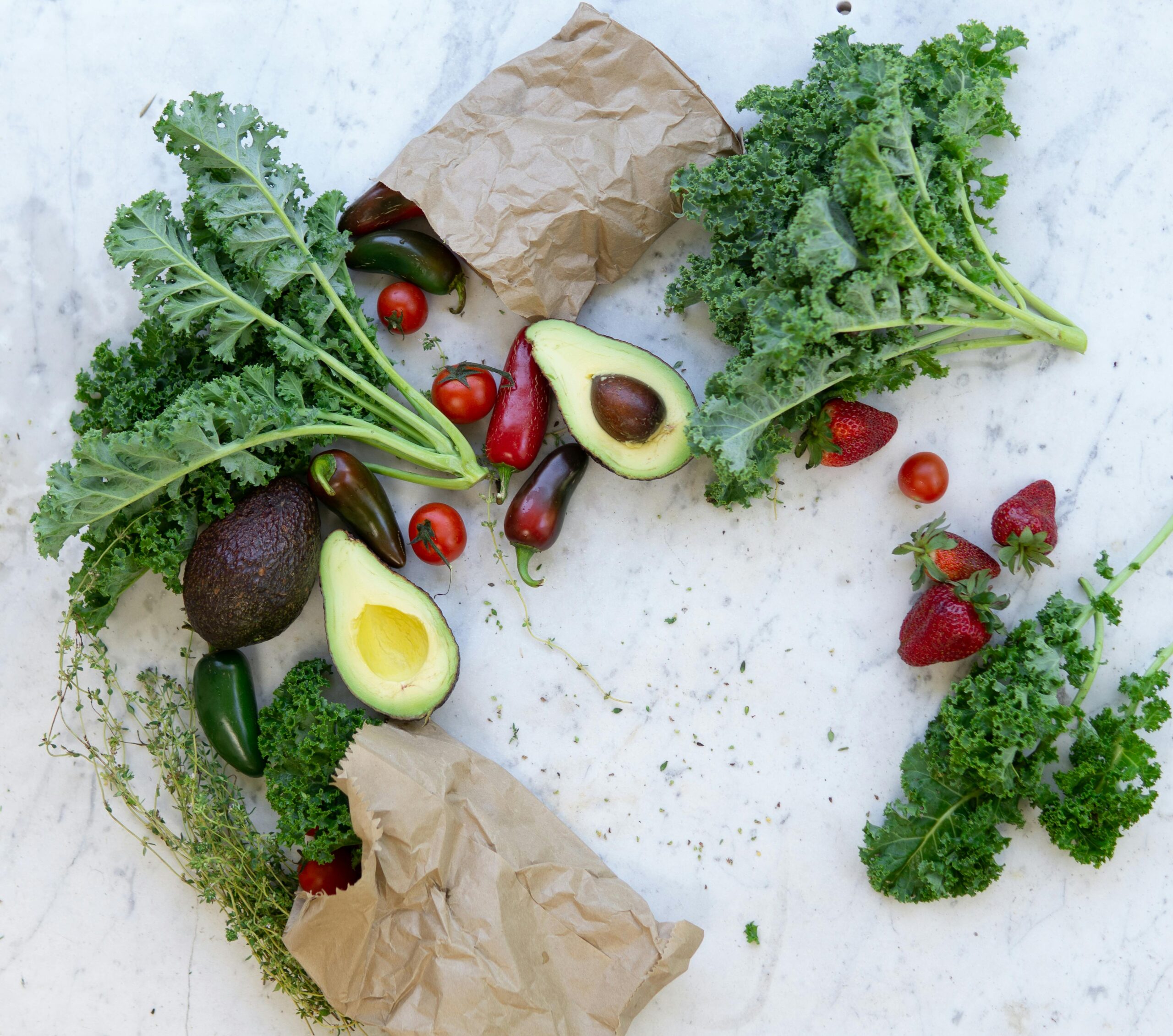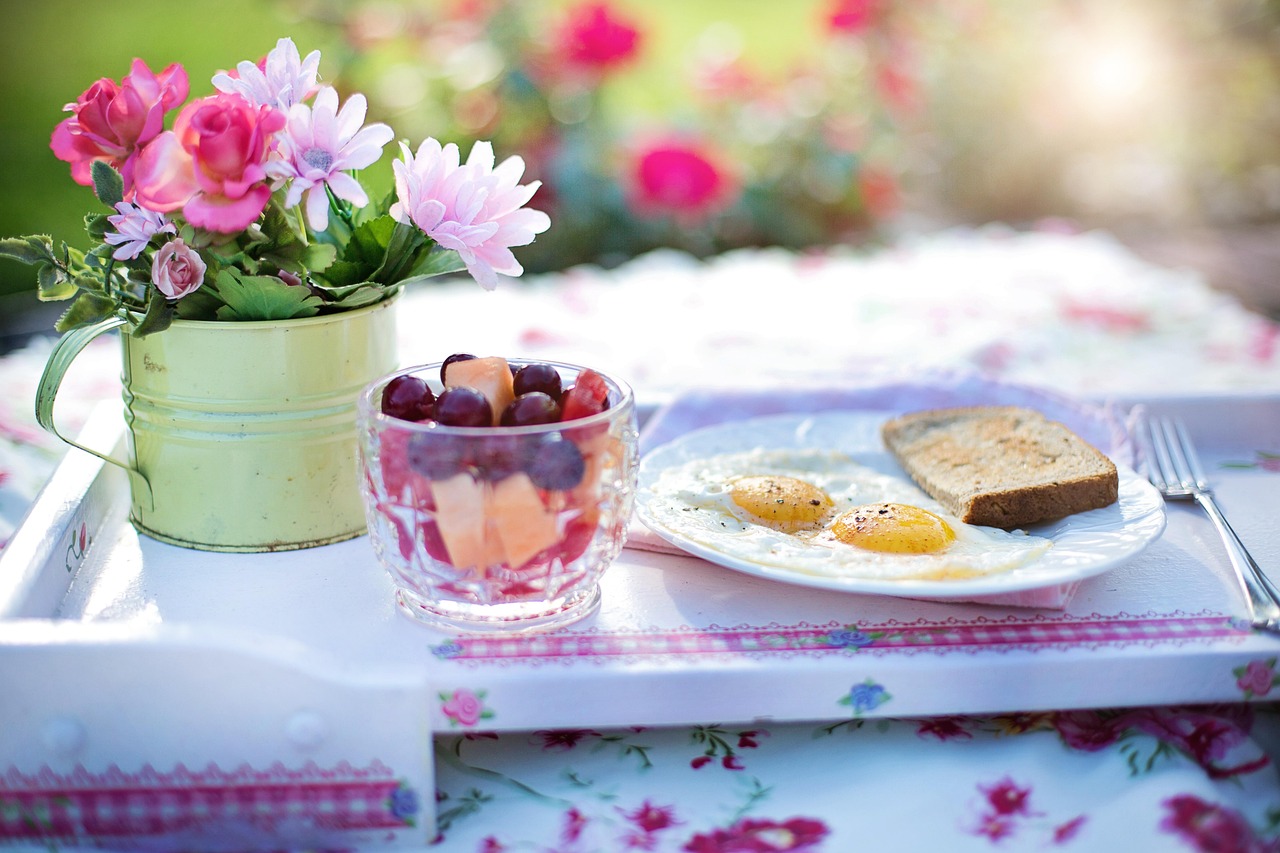
Starting your grocery shopping journey can feel overwhelming, especially when you’re managing a tight budget or cooking for the first time. Understanding which essential items to stock helps transform shopping from a stressful chore into a simple, organized experience.

Building a solid foundation of versatile ingredients means you’ll always have options for creating nutritious meals without breaking the bank. This comprehensive guide walks you through the must-have staples that belong in every beginner’s kitchen, organized by category to make your shopping trips efficient and stress-free.
🌾 The Foundation: Grains and Carbohydrates
Grains form the backbone of countless affordable meals and provide essential energy throughout your day. These shelf-stable items last months when stored properly, making them perfect budget-friendly investments for beginners.
White or brown rice should top your list as one of the most versatile and economical staples available. A large bag costs just a few dollars and yields dozens of servings. Rice pairs with virtually any protein or vegetable, works in breakfast porridges, and can be transformed into fried rice using leftovers.
Pasta in various shapes offers another incredibly affordable option that beginners love. Spaghetti, penne, and rotini each bring different textures to your meals. Pasta cooks quickly, requires minimal skill, and combines beautifully with simple sauces or just butter and cheese for those tight-budget days.
Oats deserve a permanent spot in your pantry for both breakfast and baking purposes. Old-fashioned rolled oats cost pennies per serving and provide fiber-rich nutrition. Beyond oatmeal, you can use oats in smoothies, homemade granola, or as a binder in meatballs and veggie burgers.
Bread, whether fresh, frozen, or as tortillas, rounds out your carbohydrate basics. While fresh bread has a shorter shelf life, you can freeze loaves and remove slices as needed. Tortillas stay fresh longer and work for wraps, quesadillas, or quick pizzas.
🥫 Pantry Proteins: Canned and Dried Options
Protein doesn’t need to be expensive or complicated when you stock these budget-friendly pantry staples. These items provide essential nutrients while offering incredible convenience for beginner cooks.
Canned beans represent one of the best nutritional bargains in any grocery store. Black beans, kidney beans, chickpeas, and pinto beans each cost less than a dollar per can yet provide protein, fiber, and minerals. Rinse them before using to reduce sodium, then add to salads, soups, tacos, or mash for dips.
Peanut butter stands as an affordable protein source that requires zero preparation. Natural varieties with minimal ingredients offer the healthiest option. Spread on toast, blend into smoothies, use in Asian-inspired sauces, or simply eat by the spoonful when you need quick energy.
Canned tuna or salmon provides convenient seafood protein without the fresh fish price tag. These shelf-stable options work perfectly in sandwiches, mixed with pasta, or combined with rice and vegetables. Look for sales and buy several cans to maximize your budget.
Eggs bridge the gap between pantry and refrigerator staples, offering incredible versatility at minimal cost. A dozen eggs provides numerous meal options from breakfast scrambles to dinner frittatas, plus eggs serve as binders in baking and coating for fried foods.
🧈 Essential Fats and Oils
Cooking fats might seem like a small detail, but choosing the right oils and spreads significantly impacts both flavor and your food budget. These essentials enable proper cooking techniques while adding richness to your meals.
Vegetable or canola oil serves as your all-purpose cooking oil with a neutral flavor and high smoke point. One bottle lasts months for most beginners and handles everything from sautéing vegetables to baking cakes. Buy a mid-sized bottle rather than huge containers that might go rancid before you finish them.
Olive oil adds flavor to dressings, marinades, and light cooking applications. You don’t need expensive extra-virgin varieties for cooking; save those for drizzling over finished dishes. A moderately priced olive oil delivers good flavor for pasta dishes, roasted vegetables, and simple vinaigrettes.
Butter brings richness and flavor that oils simply can’t replicate in certain dishes. Whether you choose salted or unsalted depends on your cooking style, but butter elevates toast, enhances baked goods, and creates delicious pan sauces. Store extra sticks in your freezer to extend shelf life.
🧂 Flavor Builders: Spices and Seasonings
Transform basic ingredients into exciting meals by maintaining a core collection of affordable spices and seasonings. These flavor enhancers prevent food boredom without requiring expensive specialty ingredients.
Salt and black pepper form the absolute foundation of seasoning. Kosher salt or sea salt provides better control than table salt for cooking, while a pepper grinder delivers fresher, more vibrant flavor than pre-ground pepper. These two ingredients alone can make simple food taste significantly better.
Garlic powder and onion powder offer convenient alternatives when fresh aromatics aren’t available or budget allows. These dried seasonings add depth to virtually any savory dish, last indefinitely in your pantry, and cost just a couple dollars per container.
A basic Italian seasoning blend combines oregano, basil, rosemary, and thyme in one jar, eliminating the need to buy multiple individual herbs initially. This versatile mix enhances pasta sauces, roasted vegetables, soups, and proteins with Mediterranean flavor.
Chili powder or cumin brings warmth and complexity to beans, rice dishes, and vegetables. Even if you’re not making full Mexican meals, these spices add interesting dimensions to otherwise plain ingredients. Start with small containers since spices lose potency over time.
🥫 Canned and Jarred Essentials
Strategic canned goods transform your pantry into a meal-making powerhouse when fresh ingredients run low or your budget tightens. These shelf-stable items provide backup options that prevent expensive takeout temptations.
Canned tomatoes in various forms—diced, crushed, or sauce—create the foundation for countless budget meals. A simple can of crushed tomatoes becomes pasta sauce with just garlic, oil, and seasonings. Diced tomatoes work beautifully in soups, stews, and chilis that stretch your dollars across multiple servings.
Tomato paste in small cans or tubes adds concentrated flavor and thickness to sauces and soups. A little goes a long way, making this an economical way to boost umami and richness in your cooking. Tube packaging prevents waste since you can use exactly what you need and store the rest.
Chicken or vegetable broth elevates soups, grains, and sauces beyond what water alone provides. Buying boxed or canned broth costs less than making your own when you’re beginning, though you can certainly transition to homemade versions later. Low-sodium varieties give you better control over final seasoning.
Basic condiments including ketchup, mustard, and mayonnaise round out your jarred essentials. These familiar flavors help beginners create simple sandwiches, dressings, and sauces without requiring culinary expertise. Buy standard sizes to avoid waste before expiration dates.
🥕 Fresh Produce: What to Buy Weekly
Fresh vegetables and fruits require more frequent shopping but shouldn’t overwhelm your budget when you focus on versatile, affordable options. These selections provide nutrition while lasting throughout the week with proper storage.
Onions and garlic serve as aromatic foundations for almost every savory dish you’ll prepare. Both store for weeks in cool, dark places and cost very little relative to the flavor they provide. Learning to properly chop an onion ranks among the most valuable skills for beginner cooks.
Carrots and celery offer crunchy vegetables that work raw for snacking or cooked in soups and stir-fries. Both stay fresh for weeks in your refrigerator and cost pennies per serving. Carrots especially provide natural sweetness that balances savory dishes.
Potatoes in various types—russet, red, or sweet—deliver filling, nutritious carbohydrates at rock-bottom prices. A bag of potatoes provides numerous meal options from baked to mashed to roasted. They store for weeks in pantry conditions, making them reliable staples.
Seasonal vegetables and fruits on sale should fill out your fresh produce selection. Buying what’s currently abundant and inexpensive helps you eat well while respecting your budget. Frozen vegetables provide excellent backup options with comparable nutrition at stable prices year-round.
🥛 Dairy and Refrigerated Basics
Your refrigerator staples require more frequent replacement than pantry items but remain essential for balanced, satisfying meals. Focus on versatile options that serve multiple purposes across different meal types.
Milk, whether dairy or plant-based, supports breakfast cereals, coffee, smoothies, and cooking applications. Choose whatever fits your dietary needs and budget, keeping in mind that larger containers usually offer better per-ounce pricing. Ultra-pasteurized milk lasts longer if you use it slowly.
Cheese adds protein, calcium, and irresistible flavor to countless dishes. Blocks of cheddar or mozzarella provide better value than pre-shredded versions and you can grate exactly what you need. Cheese freezes reasonably well if you find good sales and want to stock up.
Yogurt offers probiotics, protein, and versatility for breakfast, snacks, or cooking. Plain varieties cost less than flavored options and allow you to control sweetness by adding your own fruit or honey. Greek yogurt provides extra protein and works beautifully as a sour cream substitute.
🍯 Sweeteners and Baking Basics
Even beginners occasionally want to bake treats or sweeten their morning coffee, making these staples valuable additions to your grocery list. Basic baking supplies open up new possibilities without requiring significant investment.
White sugar and brown sugar handle most sweetening needs from beverages to baked goods. Sugar stores indefinitely when kept dry, so buying standard-sized bags makes sense even for infrequent bakers. Brown sugar adds molasses depth to cookies and glazes that white sugar cannot replicate.
All-purpose flour serves as the foundation for breads, cakes, cookies, and as a thickener for sauces. One five-pound bag lasts months for most beginners and costs just a few dollars. Store flour in airtight containers to prevent pest issues and maintain freshness.
Honey or maple syrup provides natural sweetening with more complex flavors than plain sugar. While slightly more expensive, these last indefinitely and enhance everything from oatmeal to salad dressings. Start with smaller containers to see which you prefer before investing in larger sizes.
💰 Smart Shopping Strategies for Beginners
Having a great list matters little if your shopping approach wastes money or leads to food spoilage. These practical strategies help beginners maximize their grocery budget while building confidence.
Shop your pantry first before heading to the store, taking inventory of what you already have. This prevents duplicate purchases and helps you plan meals around existing ingredients. Beginners often waste money buying items they’ve forgotten they already own.
Create a simple meal plan for the week, even if it’s just rough ideas rather than detailed recipes. Planning helps you buy appropriate quantities and ensures your purchases work together rather than sitting unused. Start with just three or four planned meals if full-week planning feels overwhelming.
Compare unit prices rather than package prices to identify the best values. Larger sizes usually cost less per ounce, but only if you’ll use the product before it spoils. Generic or store brands typically match name-brand quality for staple items while costing significantly less.
Shop sales strategically by stocking up on non-perishable staples when prices drop. If pasta goes on sale at half price, buying several boxes makes sense since it stores indefinitely. However, avoid buying sale items you won’t actually use just because they seem like good deals.
📱 Helpful Tools for Organized Shopping
Modern technology offers valuable support for grocery shopping beginners, helping you stay organized, track spending, and discover deals. Several apps simplify the entire process from planning to purchasing.
Digital grocery list apps keep your shopping organized and prevent forgotten items. Many allow you to categorize products by store section, share lists with roommates or family, and save favorite items for quick list building. These tools prove especially helpful when you’re still learning which products you regularly need.
Store loyalty programs and digital coupon apps help stretch your budget further through savings that require minimal effort. Most major grocery chains offer apps featuring weekly specials, digital coupons, and personalized deals based on your shopping habits. Taking a few minutes to clip digital coupons before shopping can save substantial amounts over time.
🎯 Building Your First Shopping Trip
Your initial comprehensive shopping trip requires more investment than weekly maintenance shopping, but starting with quality staples sets you up for months of successful cooking. Prioritize these categories for your first major grocery run.
Allocate roughly forty percent of your initial budget to pantry staples that last months including rice, pasta, oils, canned goods, and spices. These items cost more upfront but prevent you from needing everything at once during future trips. Think of this as investing in your kitchen infrastructure.
Dedicate thirty percent to refrigerated staples and proteins including eggs, dairy, butter, and some frozen proteins. These items need regular replacement but forming the habit of keeping them stocked ensures you always have meal options available.
Reserve thirty percent for fresh produce and immediate meal components. This portion changes weekly based on sales, seasons, and your planned meals. As you gain experience, you’ll learn which produce stores longest and offers best value in your area.
🌟 Adapting Your List Over Time
Your grocery needs evolve as your cooking skills and confidence grow, making it important to regularly reassess your staple list. What works initially might shift as you discover new preferences and recipes.
Track which staples you actually use versus which sit untouched in your pantry. After a few months, you’ll clearly see your true essentials versus items that sounded good but don’t match your cooking reality. Eliminate products you don’t use to free up budget for items you genuinely need.
Gradually expand your spice collection and specialty ingredients as you become comfortable with basic cooking. Once you’ve mastered simple meals, adding new flavors keeps cooking interesting without overwhelming your budget or skills. Introduce one new ingredient every few weeks.
Adjust quantities based on actual consumption patterns rather than assumptions. Some people go through milk rapidly while others barely use it. Your personal staple list should reflect your real eating habits, not idealized versions of how you think you should eat.

🏆 Success Through Simplicity
Mastering grocery shopping as a beginner ultimately comes down to keeping things simple, staying organized, and learning from experience. The staples outlined here provide a solid foundation that prevents both food waste and expensive impulse purchases.
Remember that everyone’s perfect grocery list looks slightly different based on dietary preferences, cooking frequency, and budget constraints. Use these suggestions as a starting framework, then personalize based on what actually works in your kitchen and lifestyle.
Building good grocery habits now saves thousands of dollars over the years while supporting healthier eating patterns. Each shopping trip offers opportunities to refine your approach, discover better deals, and grow more confident in your ability to feed yourself well without stress or financial strain.