Your spice cabinet holds the key to transforming ordinary meals into extraordinary culinary experiences. Yet many home cooks struggle with overwhelming choices, expired seasonings, and ingredients that trigger unwanted reactions.

Understanding how to organize, select, and use spices effectively can revolutionize your cooking while keeping your kitchen balanced and your meals delicious. Whether you’re dealing with dietary sensitivities, seeking bolder flavors, or simply wanting to make the most of your spice collection, mastering this essential kitchen space is a game-changer that every home cook deserves to experience.
🌶️ Understanding Your Spice Arsenal: Building Blocks of Flavor
The foundation of any great spice cabinet begins with understanding what you actually need versus what sounds exotic. A well-curated spice collection doesn’t require hundreds of jars collecting dust. Instead, focus on versatile, high-quality seasonings that you’ll use regularly and that complement your cooking style.
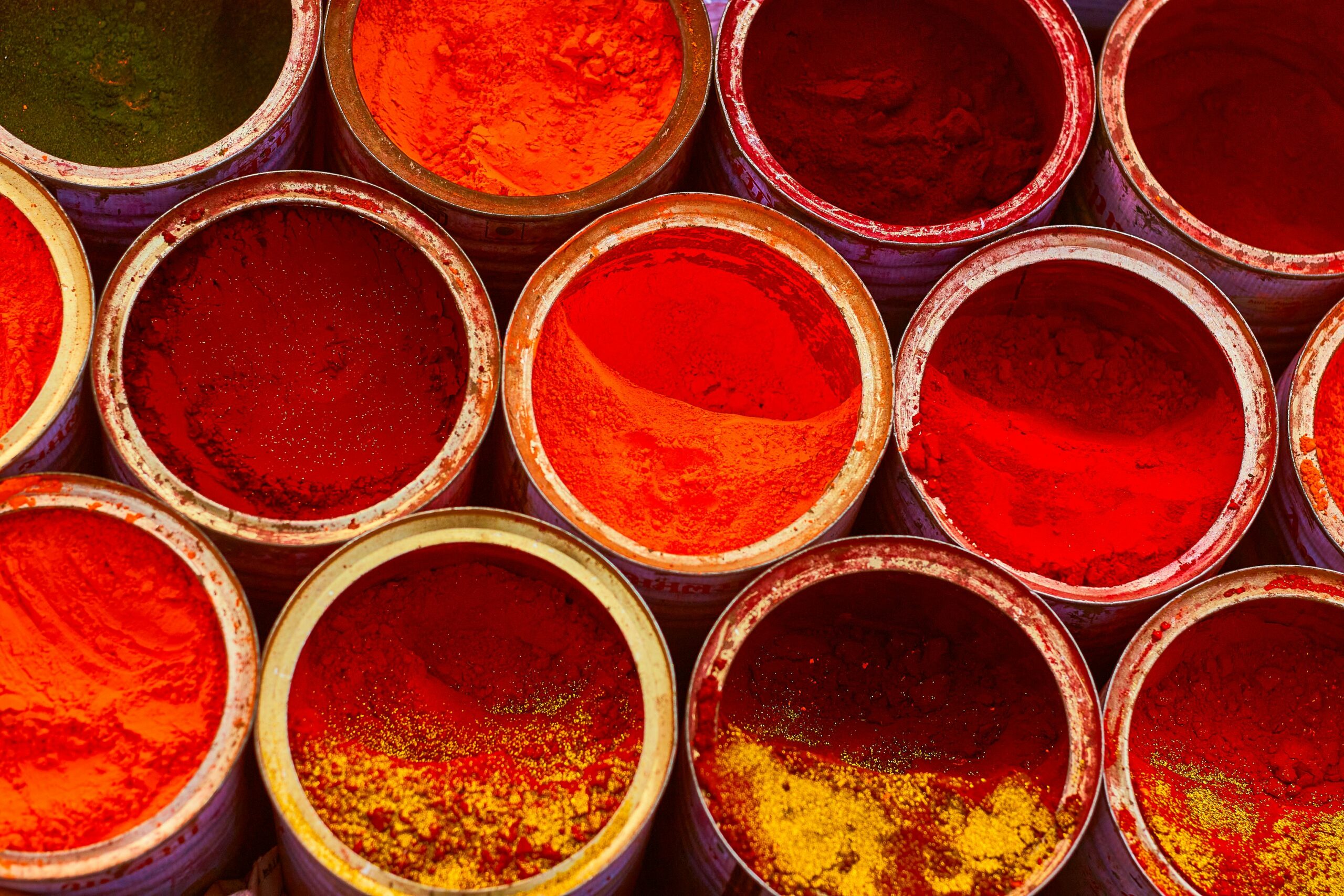
Essential spices form the backbone of most cuisines worldwide. These include black pepper, cumin, paprika, garlic powder, onion powder, cinnamon, oregano, and chili powder. These workhorses appear in countless recipes and provide foundational flavors that build complexity in dishes from various culinary traditions.
Beyond the basics, consider your personal cooking preferences. If you love Mediterranean food, invest in za’atar, sumac, and quality dried herbs. Asian cuisine enthusiasts benefit from having Chinese five-spice, star anise, and white pepper. Mexican cooking calls for Mexican oregano, chipotle powder, and authentic chile varieties.
Quality Over Quantity: Selecting Fresh Spices
Freshness dramatically impacts flavor potency. Whole spices maintain their essential oils longer than pre-ground versions, sometimes staying fresh for up to four years when stored properly. Ground spices, however, typically lose their punch after six months to a year.
Purchase spices in small quantities from stores with high turnover. Bulk bins at natural food stores often provide fresher options than supermarket jars that may have sat on shelves for months. The aroma test never fails—if a spice smells weak or musty when you open it, it’s past its prime and won’t deliver the flavor impact your cooking deserves.
Organizing Your Spice Cabinet for Maximum Efficiency
A disorganized spice cabinet wastes time, money, and culinary potential. Creating an efficient system transforms cooking from frustrating to flowing, allowing you to locate exactly what you need when inspiration strikes or recipes demand quick ingredient access.
Alphabetical organization works wonderfully for extensive collections. Label the tops of jars clearly so you can view them at a glance when stored in drawers or on tiered shelving. This system eliminates the frantic searching that interrupts cooking rhythm and leads to abandoned recipes.
Categorizing by cuisine offers another effective approach. Group Mexican spices together, keep baking spices in one section, and cluster Asian seasonings separately. This method supports menu planning and helps you visualize complete flavor profiles when developing recipes or improvising dishes.
Storage Solutions That Preserve Potency
Heat, light, and moisture are spices’ greatest enemies. Store your collection away from the stove, even though convenience might tempt you otherwise. The fluctuating temperatures and steam from cooking accelerate flavor degradation and can introduce moisture that causes clumping or mold.
Airtight containers in a cool, dark cabinet or drawer provide ideal conditions. Glass jars with tight-sealing lids protect against humidity while allowing you to see contents clearly. Avoid storing spices in plastic containers long-term, as some compounds can interact with plastic and affect flavor profiles.
Consider investing in magnetic spice tins for frequently used seasonings. These can attach to the side of your refrigerator or a magnetic board, keeping your most-reached-for spices within arm’s reach while maintaining proper storage conditions.
🔥 Unlocking Bold Flavors: Techniques That Transform
Knowing which spices to use is only half the equation. How you prepare and apply them determines whether they deliver muted background notes or explosive flavor that makes dishes memorable. Simple techniques elevate ordinary seasonings into extraordinary taste experiences.
Toasting whole spices before grinding releases aromatic oils and deepens flavors exponentially. Heat a dry skillet over medium heat, add whole spices, and shake frequently until fragrant—usually 2-3 minutes. The transformation is remarkable: cumin becomes nuttier, coriander develops citrusy notes, and cinnamon intensifies its warmth.
Blooming spices in fat unlocks another dimension of flavor. This technique involves briefly cooking ground spices in oil or butter before adding other ingredients. The fat molecules carry flavor compounds throughout your dish more effectively than water-based liquids, creating more evenly distributed, pronounced seasoning.
Layering Spices Throughout the Cooking Process
Professional chefs understand that seasoning isn’t a single step but a continuous process. Adding spices at different cooking stages creates depth impossible to achieve with one-time seasoning. Early additions mellow and integrate, while last-minute seasonings provide bright, punchy notes.
Start with hardy spices like bay leaves, whole peppercorns, and cinnamon sticks early in cooking. These release flavor slowly and benefit from extended heat exposure. Mid-cooking, add ground spices like cumin, coriander, and paprika to build the flavor foundation. Finish with delicate herbs and spices like cilantro, basil, or freshly cracked pepper to add freshness and complexity.
Common Triggers Hidden in Spice Blends
Pre-mixed spice blends offer convenience but often contain hidden ingredients that trigger adverse reactions for sensitive individuals. Understanding what lurks in commercial seasonings helps you avoid unwanted symptoms while still enjoying bold flavors.
MSG (monosodium glutamate) appears in many seasoning blends, sometimes disguised under names like “natural flavoring” or “yeast extract.” While safe for most people, MSG causes headaches, flushing, or digestive discomfort in sensitive individuals. Reading labels carefully or creating your own blends eliminates this uncertainty.
Anti-caking agents like silicon dioxide prevent clumping but may cause issues for those with sensitivities. Sugar and maltodextrin frequently appear as fillers in spice blends, problematic for people managing blood sugar or following specific diets. Excessive sodium in commercial seasonings can trigger water retention and blood pressure concerns.
Allergens and Cross-Contamination Concerns
Spice manufacturing facilities often process multiple products, creating cross-contamination risks for people with severe allergies. Wheat, soy, dairy, and nuts can contaminate supposedly pure spices through shared equipment. Those with celiac disease or severe allergies should seek certified gluten-free or allergen-free spice brands.
Nightshade family members—paprika, cayenne, and chili powders—trigger inflammation in some individuals with autoimmune conditions. These people benefit from creating nightshade-free versions of favorite spice blends using alternatives like turmeric for color and black pepper or ginger for heat.
📋 Creating Your Own Signature Spice Blends
Making custom spice blends puts you in complete control of ingredients, intensity, and flavor profiles. This approach saves money, reduces waste, and allows you to tailor seasonings perfectly to your preferences and dietary needs.
Start with basic ratios and adjust to taste. A simple all-purpose seasoning might include: 3 tablespoons garlic powder, 2 tablespoons onion powder, 2 tablespoons paprika, 1 tablespoon black pepper, 1 tablespoon dried oregano, and 1 teaspoon sea salt. This versatile blend works on vegetables, proteins, and even popcorn.
For taco seasoning without fillers or triggers, combine: 4 tablespoons chili powder, 2 tablespoons cumin, 1 tablespoon paprika, 1 tablespoon onion powder, 1 tablespoon garlic powder, 1 teaspoon oregano, 1 teaspoon black pepper, and optional cayenne to taste. Store in an airtight container for up to six months.
Trigger-Free Alternatives for Common Blends
Italian seasoning without preservatives blends equal parts dried basil, oregano, rosemary, and thyme with half portions of marjoram and sage. This aromatic mix enhances pasta sauces, roasted vegetables, and grilled proteins without hidden additives or excessive sodium.
A nightshade-free Cajun blend uses: 2 tablespoons garlic powder, 2 tablespoons onion powder, 1 tablespoon black pepper, 1 tablespoon dried thyme, 1 tablespoon dried oregano, 1 teaspoon white pepper, and 1 teaspoon dry mustard. This delivers bold flavor without paprika or cayenne that some individuals must avoid.
Smart Shopping: Reading Labels and Avoiding Marketing Traps
The spice aisle overflows with marketing claims designed to justify premium prices. “Organic,” “artisanal,” “gourmet,” and “premium” labels don’t always indicate superior quality. Developing label-reading skills helps you identify truly superior products and avoid overpaying for clever packaging.
Check ingredient lists first—pure spices should contain exactly one ingredient. If you see multiple ingredients, you’re buying a blend, not a pure spice. This matters for controlling flavors precisely and avoiding unwanted additives or triggers.
Country of origin information provides quality clues. Certain regions produce superior versions of specific spices due to ideal growing conditions. Turkish bay leaves offer more delicate flavor than California varieties. Mexican cinnamon (Ceylon) tastes sweeter and more complex than cassia cinnamon commonly sold in supermarkets.
When Premium Prices Make Sense
Some spices justify higher costs through superior quality, ethical sourcing, or exceptional freshness. Saffron, vanilla beans, and whole nutmeg show dramatic quality differences between budget and premium versions. For these special ingredients, investing in quality transforms dishes from ordinary to extraordinary.
Fair trade and direct-trade spices often cost more but ensure farmers receive fair compensation and use sustainable growing practices. These products typically offer fresher, more potent flavors because they move through shorter supply chains with better handling throughout.
🌿 Growing Your Own: Kitchen Herbs and Microgreens
Expanding beyond your spice cabinet to fresh herbs and microgreens adds vibrant flavors impossible to achieve with dried seasonings alone. Growing your own ensures freshness, reduces grocery expenses, and gives you complete control over growing methods.
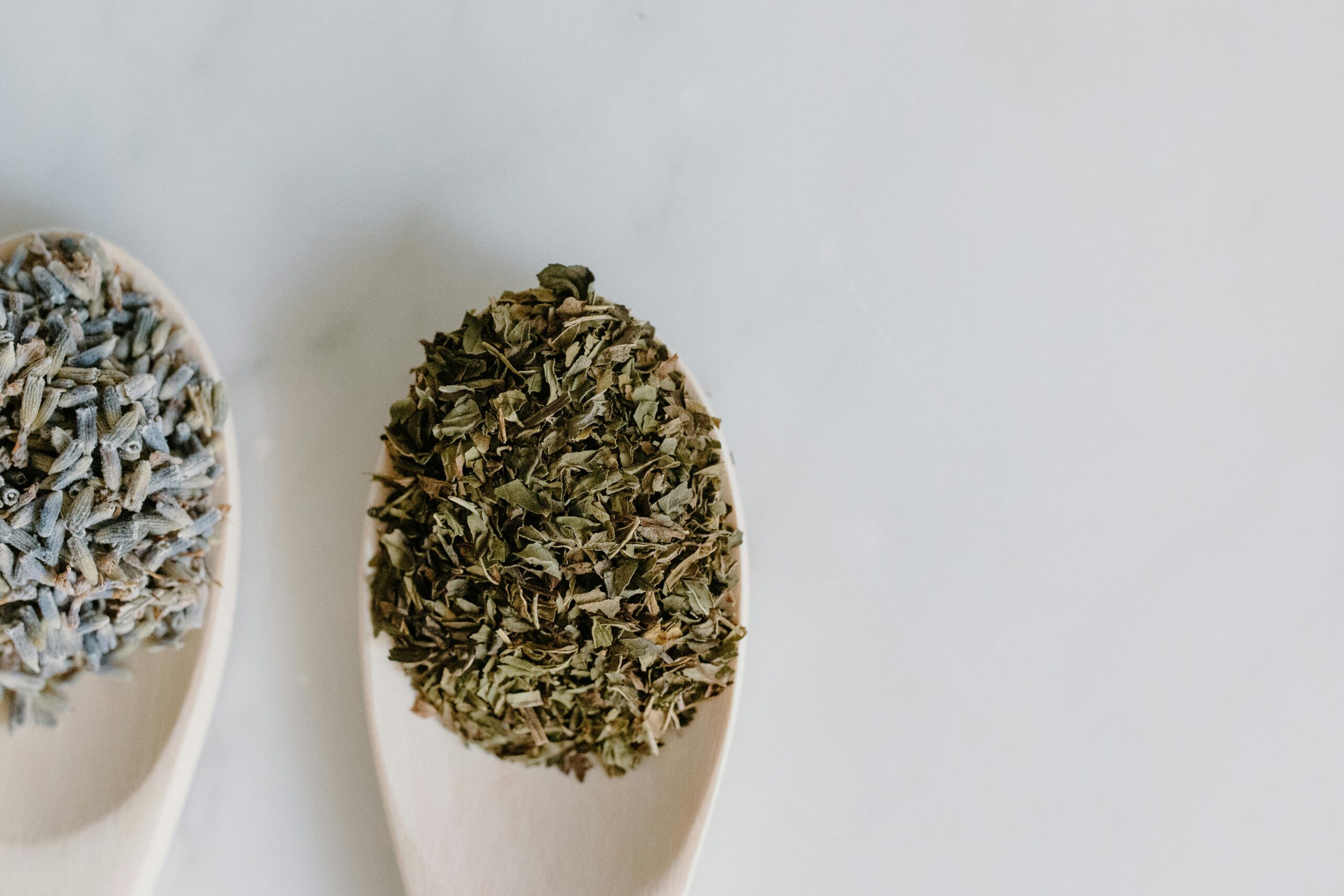
Windowsill herb gardens thrive in most kitchens with adequate light. Basil, cilantro, parsley, mint, and chives grow easily in small pots, providing continuous harvests for months. Snipping fresh herbs directly into dishes delivers brightness and complexity that dried versions can’t match.
Microgreens pack concentrated nutrients and intense flavors in tiny packages. Radish, mustard, and broccoli microgreens add peppery notes to salads and sandwiches. Basil and cilantro microgreens deliver familiar flavors with surprising intensity. Growing trays on kitchen counters produce harvests in just 7-14 days.
Troubleshooting Common Spice Problems
Even experienced cooks encounter spice-related challenges. Knowing how to fix common problems prevents wasted dishes and builds confidence for bold seasoning experiments that elevate your cooking to new levels.
Over-seasoning happens to everyone eventually. If you’ve added too much salt, diluting with additional unseasoned ingredients often saves the dish. Adding acid (lemon juice or vinegar) or sweetness (sugar or honey) can balance excessive saltiness. For too-spicy dishes, dairy products neutralize capsaicin effectively—stir in cream, yogurt, or sour cream to tame the heat.
Clumped spices result from moisture exposure. Prevent this by never sprinkling directly from jars over steaming pots—steam enters containers and causes clumping. Instead, measure into your palm or a small dish first. If spices have already clumped, spread them on a baking sheet and dry in a 200°F oven for 10 minutes.
Reviving Tired Spices
Before discarding spices that smell weak, try reviving them. Toasting in a dry pan often awakens dormant flavors, particularly in whole spices. For ground spices, blooming briefly in hot oil can intensify remaining flavor compounds, making them usable for a bit longer.
However, some spices truly need replacing. If toasting or blooming produces no aromatic response, the essential oils have dissipated beyond rescue. Composting spent spices and replacing them ensures your cooking always showcases the bold flavors you desire.
✨ Advanced Flavor Pairing Strategies
Understanding which spices complement each other creates harmonious dishes that taste balanced rather than chaotic. Certain combinations have become classics across cultures because their flavor compounds interact synergistically, creating results greater than individual ingredients.
Sweet spices like cinnamon, cardamom, and nutmeg pair beautifully with warming spices such as ginger and cloves. This combination appears in chai tea, pumpkin pie spice, and Middle Eastern meat dishes. The warmth amplifies sweetness while sweet notes soften warming spices’ potential harshness.
Earthy spices including cumin, coriander, and turmeric balance with bright, citrusy flavors from coriander seed, sumac, or lemon zest. This pairing dominates Indian, Middle Eastern, and North African cuisines, creating depth while maintaining freshness that prevents dishes from tasting heavy or one-dimensional.
Seasonal Spice Rotation for Year-Round Inspiration
Rotating spices seasonally keeps your cooking exciting and aligned with naturally available ingredients. This approach also ensures you use spices while they’re fresh rather than letting entire jars expire untouched.
Summer cooking benefits from bright, fresh spice profiles. Emphasize coriander, cumin, dill, and fennel that complement grilled vegetables and light proteins. Fresh herb blends dominate this season, supported by warming spices used sparingly for contrast rather than heavy flavor foundations.
Winter calls for warming spices that provide comfort and depth. Feature cinnamon, nutmeg, allspice, cloves, and star anise in both sweet and savory applications. These spices naturally complement hearty root vegetables, slow-cooked meats, and baked goods that define cold-weather cooking.
Maximizing Your Spice Investment
Quality spices represent an investment in better cooking. Proper storage, creative applications, and smart purchasing ensure you extract maximum value from every jar, blend, and botanical in your collection.
Date containers when opened to track freshness. This simple practice prevents using stale spices that deliver disappointing results. Conduct quarterly reviews of your spice cabinet, moving older products to the front and noting what needs replacement or replenishment.
Experiment beyond traditional applications to use spices before they decline. Add cinnamon to savory meat rubs, incorporate cardamom into coffee, or blend unexpected spices into compound butters. Creative exploration prevents waste while expanding your flavor vocabulary and making ordinary ingredients extraordinary.
Your spice cabinet represents endless culinary possibilities when properly organized, thoughtfully stocked, and creatively utilized. By understanding quality indicators, avoiding common triggers, and mastering fundamental techniques, you transform this kitchen essential into a powerful tool for creating memorable meals. The balanced kitchen you’ve built through these strategies supports both bold flavors and personal wellness, proving that exciting cooking and mindful eating aren’t opposing goals but complementary approaches to the culinary journey. Every meal becomes an opportunity to showcase your mastery, delight your senses, and nourish yourself with intention and joy. 🌟