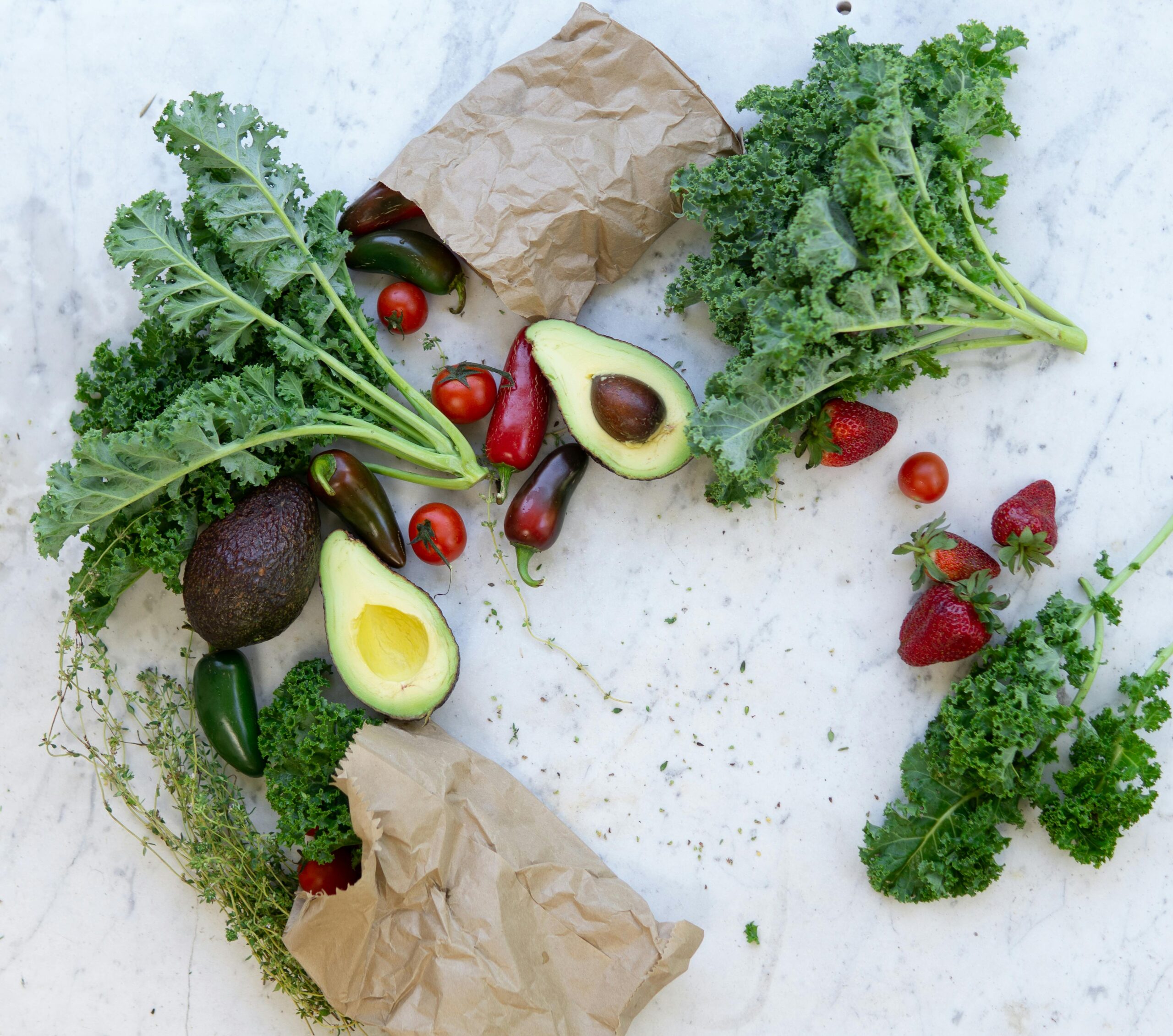
Managing a household budget while enjoying delicious, nutritious meals doesn’t have to be an impossible dream. In today’s economic climate, discovering how to create satisfying dishes without breaking the bank has become essential for families and individuals alike.

The concept of budget cooking has evolved tremendously, moving far beyond bland rice and beans. Modern approaches to affordable meal planning combine nutrition science, culinary creativity, and smart shopping strategies to deliver restaurant-quality flavors at a fraction of the cost. This comprehensive guide will walk you through everything you need to know about building a budget recipe collection that maximizes taste while minimizing expenses.
Understanding the True Cost-Per-Meal Equation 💰
Before diving into specific recipes, it’s crucial to understand what actually constitutes a low cost-per-meal. Many people make the mistake of focusing solely on ingredient prices without considering yield, nutritional value, or satisfaction levels.
A truly budget-friendly meal factors in several elements: the total ingredient cost divided by servings produced, the nutritional density per dollar spent, the time investment required, and the meal’s ability to prevent food waste through smart ingredient utilization. When you calculate cost-per-meal correctly, you might discover that some seemingly expensive ingredients actually deliver better value than their cheaper counterparts.
For instance, buying a whole chicken at $1.50 per pound might seem pricier than ground beef at $3.99 per pound, but that chicken can yield multiple meals including roasted meat, soup stock, and sandwiches, ultimately delivering a lower cost-per-serving ratio.
Building Your Budget Pantry Foundation
The cornerstone of affordable cooking success lies in maintaining a well-stocked pantry with versatile staple ingredients. These foundational items provide the building blocks for countless budget-friendly recipes without requiring frequent shopping trips.
Essential Grain and Legume Staples
Rice, dried beans, lentils, pasta, and oats form the backbone of budget cooking worldwide. These ingredients offer exceptional nutritional value per dollar while providing satisfying bulk to meals. A 20-pound bag of rice can cost as little as $15 and produce over 200 servings, bringing the per-meal cost down to mere cents.
Dried beans and lentils are nutritional powerhouses packed with protein, fiber, and essential minerals. Unlike their canned counterparts, dried legumes cost significantly less and can be cooked in large batches for use throughout the week. A pound of dried black beans typically costs under $2 and produces approximately 12 servings after cooking.
Versatile Proteins That Stretch Your Dollar
Protein often represents the most expensive component of any meal, making strategic selection critical for budget success. Eggs consistently rank as one of the most affordable complete protein sources, with prices hovering around $0.15-$0.25 per egg even in expensive markets.
Canned tuna and salmon provide omega-3 fatty acids and quality protein at budget-friendly prices, especially when purchased on sale. Chicken thighs and drumsticks typically cost 30-50% less than breast meat while offering superior flavor and moisture retention during cooking.
The Ultimate Budget Recipe Collection 🍳
Now that we’ve established the foundation, let’s explore specific recipes that deliver maximum flavor and nutrition at minimum cost. Each recipe has been calculated to cost less than $2 per serving while providing balanced nutrition.
One-Pot Lentil and Vegetable Curry
This hearty vegetarian dish costs approximately $1.20 per serving and feeds six people generously. The recipe requires dried lentils, canned tomatoes, onions, garlic, curry powder, coconut milk, and seasonal vegetables. The beauty of this dish lies in its flexibility—you can substitute whatever vegetables are on sale or approaching their expiration date in your refrigerator.
The cooking process couldn’t be simpler: sauté aromatics, add spices, incorporate lentils and liquid, then simmer until tender. The coconut milk adds richness without requiring expensive dairy products, while the curry spices transform simple ingredients into an aromatic, restaurant-worthy meal.
Classic Chicken and Rice Casserole
Using affordable chicken thighs, long-grain rice, and a simple cream sauce made from pantry staples, this casserole delivers comfort food satisfaction for under $1.50 per serving. The one-dish cooking method saves both time and energy costs while minimizing cleanup.
The key to maximizing value in this recipe involves using every part of the chicken thighs, including rendering the fat for sautéing vegetables and incorporating the bones to create enriched cooking liquid that infuses the rice with deep, savory flavor.
Budget-Friendly Pasta Primavera
Pasta dishes represent some of the lowest cost-per-meal options available when executed properly. This vegetable-forward recipe uses seasonal produce, dried pasta, olive oil, garlic, and parmesan cheese to create a satisfying meal for approximately $1.10 per person.
The secret to elevating this simple dish lies in proper pasta water utilization. The starchy cooking liquid becomes a silky sauce when emulsified with olive oil and cheese, creating luxurious texture without expensive cream or butter.
Strategic Shopping for Maximum Savings 🛒
Even the best recipes won’t deliver budget success without smart shopping strategies. Understanding when and where to purchase ingredients can reduce your grocery bills by 30-50% without sacrificing quality.
Mastering the Sale Cycle
Most supermarkets operate on predictable sale cycles, rotating discounts on different product categories every few weeks. Meat typically goes on sale every 4-6 weeks, while canned goods and dry goods follow quarterly patterns. By tracking these cycles and stocking up during discount periods, you can maintain a diverse pantry while paying rock-bottom prices.
Creating a price book—either digital or paper—helps identify genuine deals versus marketing gimmicks. Record the lowest price you’ve seen for frequently purchased items, then only buy when sales meet or beat that benchmark.
Embracing Imperfect Produce
Many retailers now offer “ugly” produce sections featuring cosmetically imperfect fruits and vegetables at 30-50% discounts. These items provide identical nutrition and flavor to their prettier counterparts but cost significantly less due to aesthetic considerations that don’t affect edibility.
Additionally, shopping at farmers markets near closing time often yields substantial discounts as vendors prefer selling remaining inventory at reduced prices rather than transporting it back.
Meal Planning Strategies That Maximize Efficiency
Even with budget recipes and strategic shopping, success requires systematic meal planning that minimizes waste and maximizes ingredient utilization across multiple dishes.
The Cross-Utilization Method
This planning approach involves selecting recipes that share common ingredients, allowing you to purchase larger quantities at better per-unit prices while ensuring everything gets used before spoiling. For example, if you buy a large head of cabbage, your weekly plan might include coleslaw, stir-fry, and soup—using the entire vegetable across different meals.
The same principle applies to proteins: a whole chicken becomes Monday’s roast dinner, Tuesday’s chicken salad, Wednesday’s soup, and Thursday’s fried rice, stretching one $8 chicken across four distinct meals for a family of four.
Batch Cooking for Time and Money Savings
Dedicating a few hours on weekends to batch cooking staple components transforms weeknight meal preparation from stressful to streamlined. Cooking large pots of rice, beans, or grains; roasting sheet pans of vegetables; and preparing versatile protein sources creates a weekly inventory of ready-to-combine components.
This approach reduces energy costs by running appliances more efficiently, prevents decision fatigue that often leads to expensive takeout orders, and ensures you always have budget-friendly options readily available.
Converting Leftovers Into New Meals 🔄
One person’s leftovers become another meal’s foundation when approached creatively. The ability to transform yesterday’s dinner into today’s lunch or tomorrow’s completely different dish represents advanced budget cooking mastery.
Leftover roasted vegetables become frittata fillings, soup additions, or grain bowl toppings. Yesterday’s plain rice transforms into fried rice with the addition of eggs, vegetables, and soy sauce. Remaining pot roast gets shredded for tacos, sandwiches, or shepherd’s pie topping.
The key lies in viewing leftovers not as repetitive meals but as partially prepared ingredients that reduce your next cooking session’s time and cost investment.
Seasonal Eating for Maximum Value
Aligning your menu with seasonal availability represents one of the most effective strategies for reducing food costs while maximizing freshness and flavor. Produce prices fluctuate dramatically based on seasonal abundance, with in-season items often costing 50-70% less than their out-of-season counterparts.
Summer’s abundant tomatoes, zucchini, and berries give way to autumn’s squash, apples, and root vegetables, followed by winter’s citrus and cruciferous vegetables, then spring’s asparagus, peas, and leafy greens. Building your recipe rotation around these natural cycles ensures you’re always buying ingredients at their quality peak and price valley.
Preserving Seasonal Abundance
When seasonal prices hit rock bottom, smart budget cooks purchase extra quantities for preservation. Freezing, canning, and dehydrating extend the availability of peak-season produce throughout the year at peak-season prices.
Freezing requires minimal equipment and works excellently for berries, stone fruits, blanched vegetables, and herbs frozen in oil. This strategy allows you to enjoy summer strawberries in January smoothies at July prices rather than paying premium winter import costs.
Budget Cooking Technology and Tools
While this guide emphasizes minimal spending, certain kitchen tools and technologies can dramatically reduce long-term food costs through improved efficiency and expanded cooking possibilities.
The Slow Cooker Advantage
Slow cookers transform tough, inexpensive cuts of meat into tender, flavorful dishes through long, gentle cooking. They use minimal electricity while requiring almost no active cooking time, making them ideal for busy households seeking budget-friendly convenience.
A $30 slow cooker investment typically pays for itself within weeks by enabling the purchase of cheaper meat cuts and preventing expensive last-minute takeout orders on busy evenings.
Pressure Cooker Speed and Savings
Modern electric pressure cookers cook dried beans in 30 minutes and tough meats in under an hour while using less energy than traditional stovetop methods. This speed enables same-day cooking of dried legumes, eliminating the need for more expensive canned alternatives.
Nutrition Without Compromise 🥗
Budget cooking sometimes carries an unfair reputation for nutritional inadequacy, but properly planned affordable meals can meet or exceed the nutritional quality of expensive alternatives.
The key involves prioritizing nutrient-dense ingredients that deliver maximum vitamins, minerals, protein, and fiber per dollar spent. Eggs, beans, lentils, oats, cabbage, carrots, and sweet potatoes rank among the most nutritious budget-friendly foods available.
By building meals around these nutritional powerhouses and supplementing with whatever proteins and produce are currently affordable, you can maintain excellent nutrition while minimizing costs. The Mediterranean and traditional Asian diets—both celebrated for their health benefits—evolved from peasant cooking traditions focused on stretching limited resources, proving that budget and nutrition naturally align when approached properly.
Teaching Budget Cooking Skills to the Next Generation
Passing along budget cooking knowledge creates lasting financial benefits for your children and communities. When young people understand how to create delicious, nutritious meals affordably, they’re equipped with life skills that serve them throughout adulthood.
Involving children in meal planning, shopping, and cooking teaches math skills through recipe scaling and budget calculation, science concepts through cooking chemistry, and practical life skills that promote independence and financial responsibility.
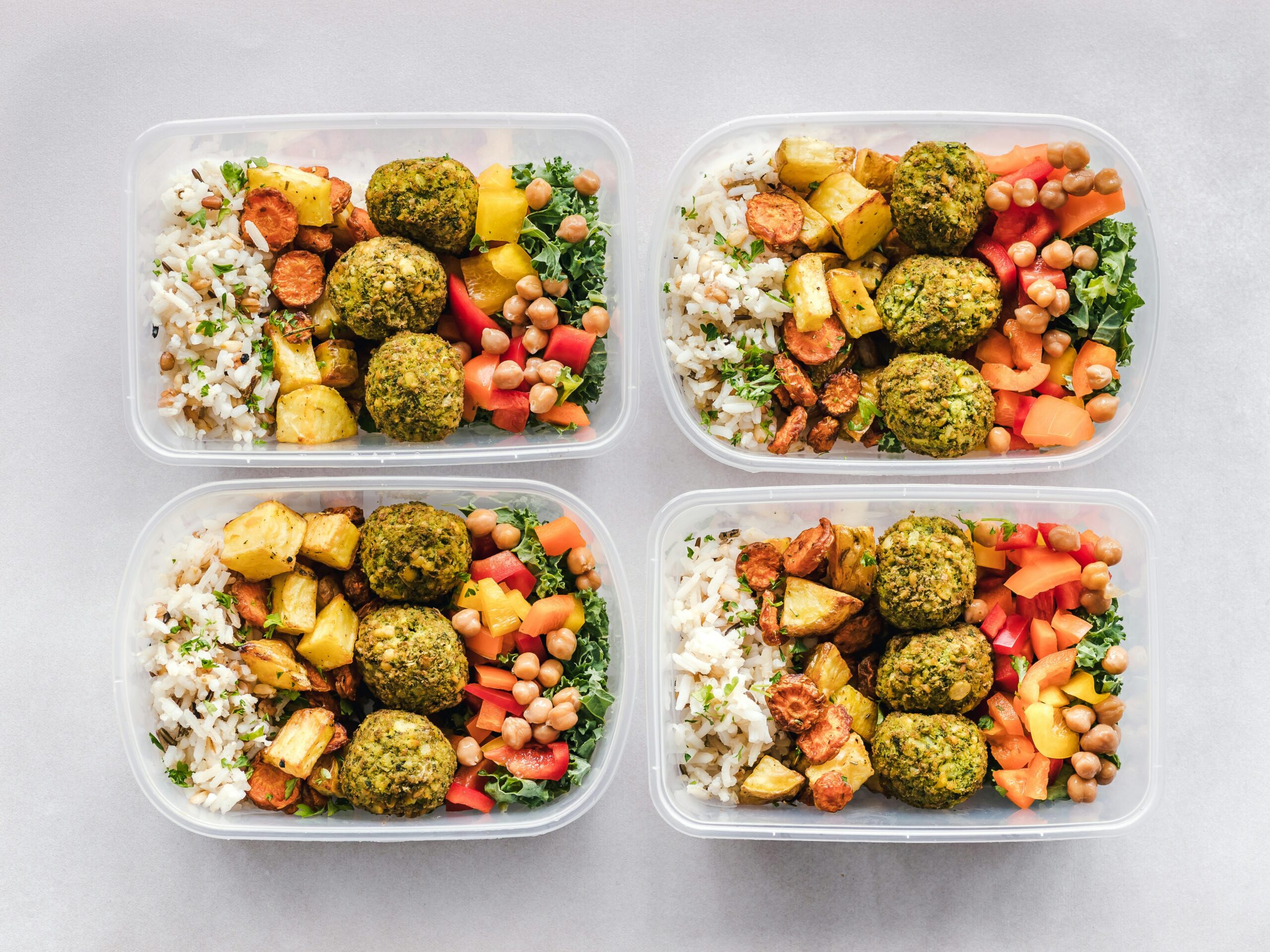
Your Path to Cost-Per-Meal Success Starts Now
Mastering budget cooking isn’t about deprivation or compromise—it’s about intelligent resource allocation that maximizes both satisfaction and savings. The recipes, strategies, and techniques outlined in this guide provide everything needed to dramatically reduce your food expenses while maintaining or even improving meal quality.
Start by implementing just one or two strategies: build a basic pantry, try a few budget recipes, or begin tracking your actual cost-per-meal. As these practices become habitual, you’ll discover that eating well on a budget isn’t just possible—it’s actually enjoyable and creatively satisfying.
The journey to ultimate cost-per-meal success begins with a single budget-friendly recipe. Your wallet, your health, and your taste buds will thank you for taking that first step toward deliciously affordable eating. Remember that every dollar saved on groceries represents money available for other financial goals, making budget cooking not just a practical skill but a powerful wealth-building strategy that compounds benefits over time.