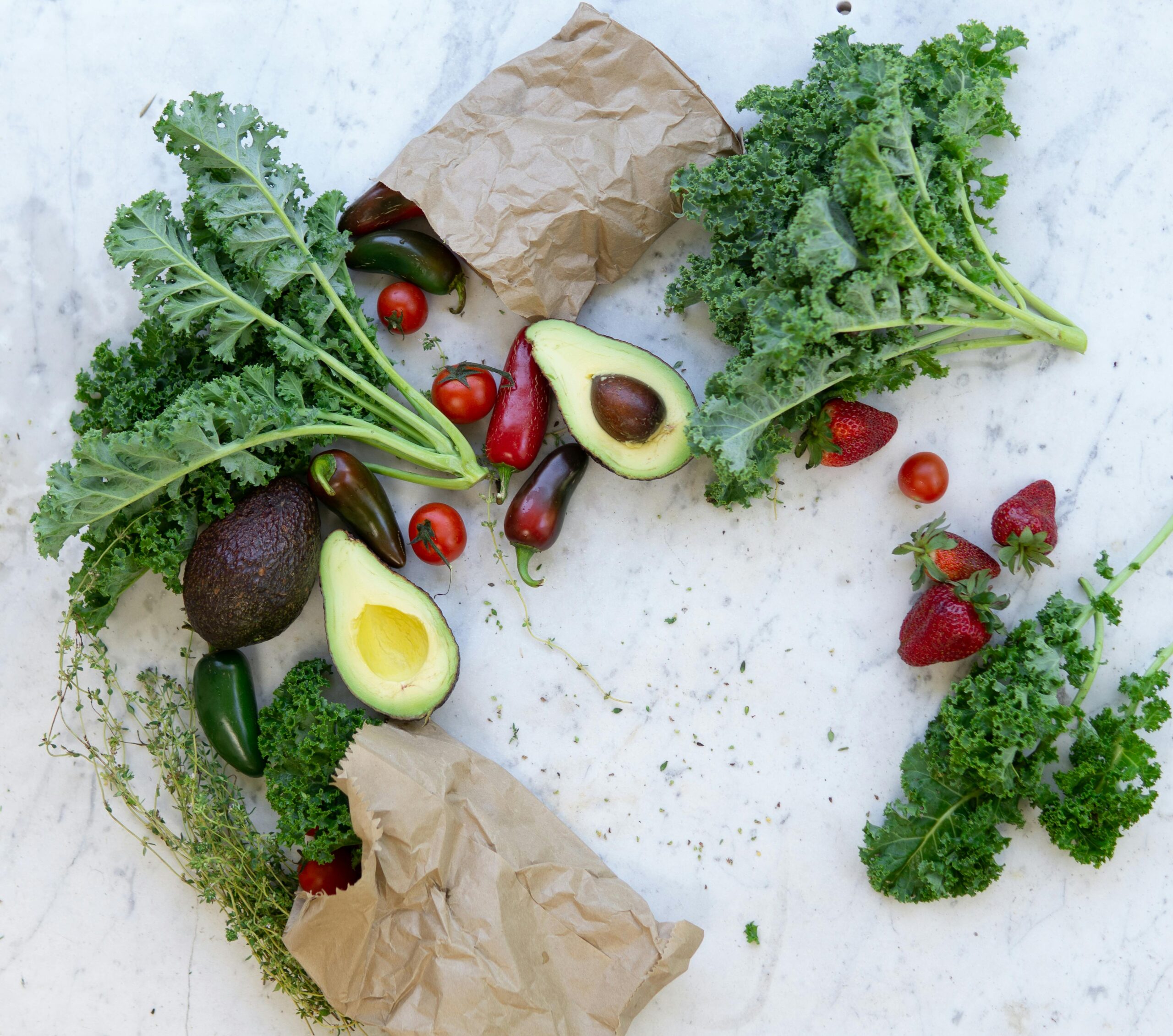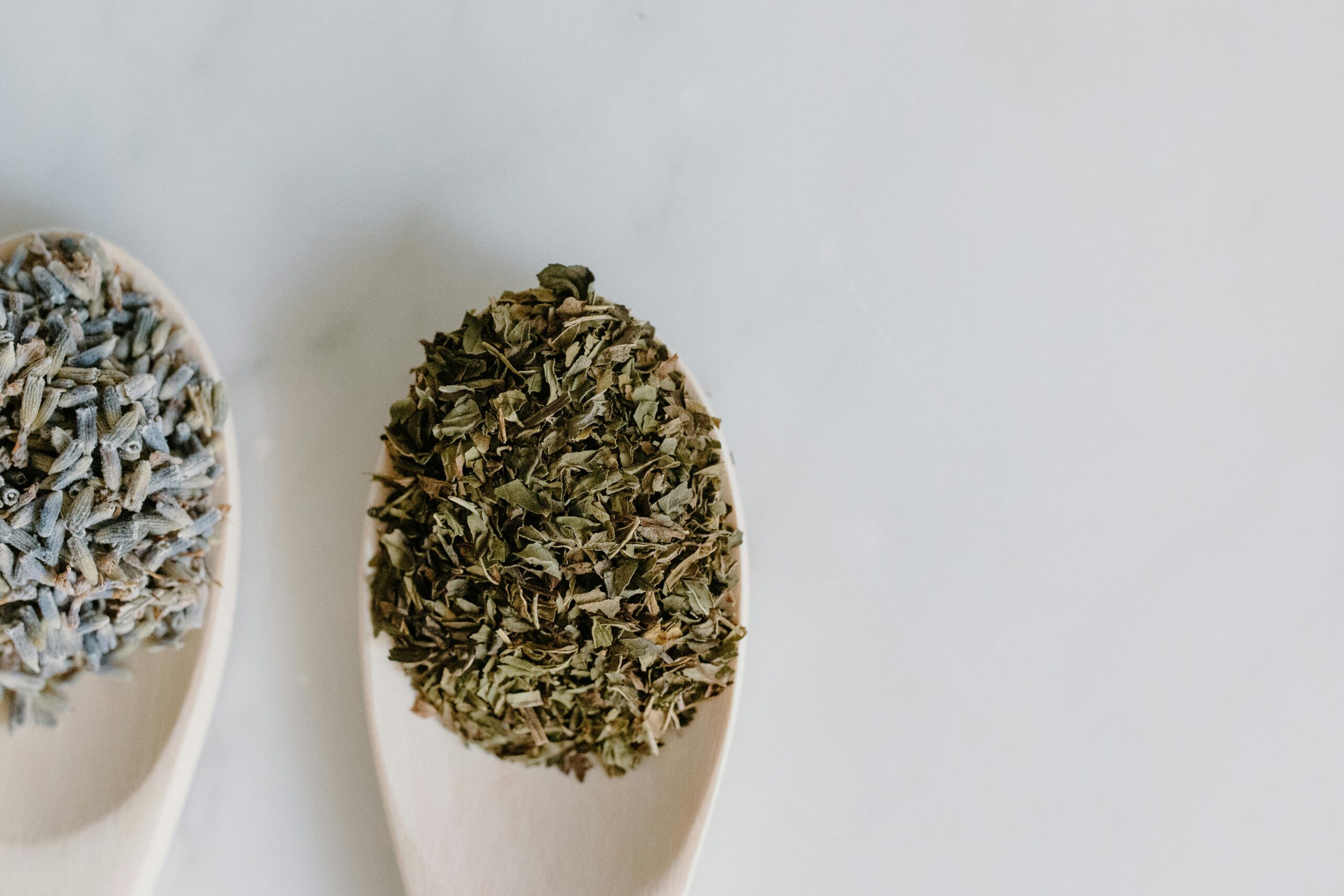
Finding the right balance between high-protein nutrition and digestive comfort can transform your health journey. If you’re navigating the low-FODMAP diet while seeking protein-rich meals, you’re in the right place.

The intersection of high-protein eating and low-FODMAP requirements might seem challenging at first, but it opens up a world of delicious possibilities. Many people with IBS, SIBO, or other digestive sensitivities have discovered that combining these dietary approaches not only soothes their gut but also provides sustained energy, supports muscle health, and promotes overall wellness. The key is understanding which protein sources work best within FODMAP restrictions and how to create satisfying meals that don’t compromise on flavor or nutrition.
🥩 Understanding High-Protein Low-FODMAP Fundamentals
The low-FODMAP diet targets fermentable carbohydrates that can trigger digestive distress in sensitive individuals. FODMAPs include oligosaccharides, disaccharides, monosaccharides, and polyols—compounds found in many common foods. When you add the requirement for high protein intake, whether for fitness goals, weight management, or general health, you need to be strategic about your food choices.
Fortunately, most pure protein sources are naturally low in FODMAPs. Fresh meats, poultry, fish, eggs, and firm tofu all fit perfectly into this dietary framework. The challenge often lies in the accompaniments, seasonings, and cooking methods rather than the proteins themselves. Understanding this foundation empowers you to create meals that satisfy both your nutritional needs and your digestive system.
Best Protein Sources for Low-FODMAP Eating
Not all proteins are created equal when following a low-FODMAP approach. While most animal proteins get the green light, plant-based options require more careful selection. Chicken, turkey, beef, pork, lamb, and all seafood varieties are excellent choices. Eggs provide versatile, affordable protein that works for any meal of the day.
For plant-based protein seekers, firm tofu and tempeh (in small servings) are valuable options. While many legumes are high in FODMAPs, canned lentils that have been rinsed thoroughly can be tolerated in controlled portions. Certain nuts and seeds like macadamias, walnuts, pumpkin seeds, and chia seeds offer both protein and healthy fats without FODMAP concerns.
🍳 Quick Breakfast Recipes to Start Your Day Strong
Mornings set the tone for your entire day, and a protein-rich, gut-friendly breakfast provides the foundation for sustained energy and focus. These recipes come together quickly, making them perfect for busy weekdays while still delivering the nutrition your body needs.
Spinach and Feta Power Omelet
This classic combination delivers approximately 25 grams of protein per serving while keeping FODMAPs minimal. Whisk three eggs with a splash of lactose-free milk, pour into a heated non-stick pan with a bit of olive oil, and add fresh spinach and crumbled feta cheese. The spinach provides iron and vitamins, while the feta adds tangy flavor and extra protein. Serve with a side of sourdough toast (which has lower FODMAP content due to fermentation) for a complete meal.
Blueberry Protein Smoothie Bowl
Blend one scoop of low-FODMAP protein powder with lactose-free yogurt, a handful of blueberries, half a banana (low-FODMAP when unripe), and a tablespoon of peanut butter. Pour into a bowl and top with pumpkin seeds, a few more blueberries, and shredded coconut. This breakfast provides around 30 grams of protein and antioxidants to support your immune system while being gentle on digestion.
🥗 Satisfying Lunch Ideas That Travel Well
Midday meals need to be practical, especially if you’re eating at work or on the go. These high-protein low-FODMAP lunch recipes can be prepared ahead, stored easily, and enjoyed anywhere without compromising your dietary needs.
Grilled Chicken and Quinoa Buddha Bowl
Buddha bowls offer incredible versatility while keeping ingredients simple and organized. Start with a base of cooked quinoa (a complete protein and low-FODMAP grain), add grilled chicken breast seasoned with garlic-infused oil, cumin, and paprika. Layer in roasted carrots, cucumber slices, baby spinach, and a handful of cherry tomatoes. Drizzle with a tahini-lemon dressing made from tahini, lemon juice, olive oil, and a pinch of salt. This balanced meal delivers over 35 grams of protein along with fiber, vitamins, and minerals.
Tuna Salad Lettuce Wraps
Mix canned tuna with a tablespoon of mayonnaise, diced cucumber, chopped chives, and a squeeze of lemon juice. Season with salt, pepper, and dill. Spoon the mixture into large lettuce leaves (butter lettuce works beautifully) and wrap. Pack these separately if making ahead to prevent sogginess. Each serving provides about 25 grams of protein and omega-3 fatty acids, essential for heart and brain health.
🍽️ Dinner Recipes That Impress Without the Stress
Evening meals should be satisfying and substantial, providing the protein your body needs to repair and regenerate overnight. These dinner recipes balance sophistication with simplicity, perfect for both weeknight family meals and entertaining guests.
Pan-Seared Salmon with Roasted Vegetables
Season salmon fillets with salt, pepper, and fresh dill. Heat olive oil in a cast-iron skillet over medium-high heat and sear the salmon skin-side down for 4-5 minutes, then flip and cook another 3-4 minutes until cooked through. Meanwhile, roast zucchini, bell peppers, and eggplant tossed with garlic-infused oil at 400°F for 25 minutes. A single salmon fillet provides approximately 40 grams of high-quality protein plus beneficial omega-3 fatty acids.
Beef Stir-Fry with Bok Choy
Slice beef sirloin thinly against the grain and marinate briefly in tamari (gluten-free soy sauce), ginger, and a touch of maple syrup. Stir-fry in a wok with garlic-infused oil over high heat until browned. Remove beef and stir-fry bok choy, carrots, and red bell pepper strips until tender-crisp. Return beef to the wok and toss everything together. Serve over jasmine rice or rice noodles. This dish delivers around 35 grams of protein per serving with plenty of vegetables for nutrients and fiber.
Herb-Crusted Pork Tenderloin
Coat pork tenderloin with Dijon mustard, then press a mixture of fresh rosemary, thyme, salt, and pepper onto all sides. Roast at 375°F for about 25 minutes until the internal temperature reaches 145°F. Let rest for 5 minutes before slicing. Serve alongside roasted potatoes and green beans sautéed with garlic-infused oil. Pork tenderloin is remarkably lean while providing approximately 30 grams of protein per 4-ounce serving.
🥙 Snacks and Small Bites to Keep Energy Steady
Between-meal nutrition prevents energy crashes and helps maintain steady protein intake throughout the day. These snacks are portable, require minimal preparation, and align perfectly with low-FODMAP guidelines while boosting your protein intake.
Hard-boiled eggs remain one of the most convenient protein snacks, offering 6 grams of protein each. Pair them with a handful of macadamia nuts or walnuts for added healthy fats. Rice cakes topped with peanut butter and sliced strawberries provide both protein and carbohydrates for sustained energy. Lactose-free Greek yogurt with a sprinkle of chia seeds delivers probiotics along with protein, supporting both muscle health and digestive wellness.
🧂 Seasoning Strategies for Maximum Flavor
One common concern with low-FODMAP cooking is losing flavor, particularly since onions and garlic—kitchen staples—are high in FODMAPs. However, numerous creative solutions exist to ensure your high-protein meals remain delicious and satisfying.
Garlic-infused oil captures garlic’s aromatic essence without the problematic fructans, as FODMAPs are water-soluble rather than oil-soluble. Simply heat olive oil with smashed garlic cloves for a few minutes, then remove the garlic and use the infused oil for cooking. Fresh herbs like basil, cilantro, rosemary, thyme, and oregano add tremendous flavor without FODMAP concerns. Spices such as cumin, paprika, turmeric, and coriander provide depth and complexity to protein preparations.
Citrus juices and zest brighten dishes naturally, while ginger (in small amounts) adds warmth without digestive distress. Tamari or coconut aminos provide umami richness for Asian-inspired dishes. Building a well-stocked spice cabinet transforms simple proteins into restaurant-quality meals without compromising your dietary needs.
📊 Meal Planning for Long-Term Success
Consistency matters more than perfection when following a specialized diet. Strategic meal planning ensures you always have appropriate options available, reducing the temptation to reach for foods that might trigger symptoms or fall short on protein.
Dedicate a few hours each week to batch cooking proteins. Grill several chicken breasts, hard-boil a dozen eggs, or prepare a large batch of ground turkey. These prepared proteins become the foundation for multiple meals throughout the week. Cook quinoa, rice, or gluten-free pasta in bulk to streamline dinner assembly.
Create a rotating menu of favorite recipes to prevent decision fatigue. Having a reliable repertoire of ten to fifteen high-protein low-FODMAP meals means you’re never scrambling for ideas. Use your phone to photograph successful meals for visual inspiration when planning future menus.
Essential Pantry Staples
Keeping the right ingredients on hand makes high-protein low-FODMAP cooking effortless. Stock your pantry with canned tuna and salmon, quinoa, rice, gluten-free oats, garlic-infused oil, tamari, and low-FODMAP protein powder. In the refrigerator, maintain supplies of eggs, lactose-free dairy products, firm tofu, and your preferred fresh proteins. The freezer should contain frozen vegetables like spinach and bell peppers, plus backup proteins for unexpected busy days.
💪 Balancing Macronutrients for Optimal Health
While protein takes center stage in these recipes, complete nutrition requires attention to all macronutrients. Healthy fats from olive oil, nuts, seeds, and fatty fish support hormone production, brain function, and nutrient absorption. Low-FODMAP carbohydrates from quinoa, rice, potatoes, and certain fruits provide energy for physical activity and cognitive function.
Most adults benefit from consuming 0.8 to 1 gram of protein per pound of body weight daily, with higher amounts for those engaged in regular strength training or recovering from illness. Spreading protein intake across all meals optimizes muscle protein synthesis better than concentrating it in one large meal. These recipes are designed to provide 25-40 grams of protein per serving, making it easy to meet your daily targets.
🌟 Adapting Recipes to Your Personal Needs
Individual tolerance varies significantly on the low-FODMAP diet. While these recipes follow general low-FODMAP guidelines, you may find you tolerate certain foods better or worse than others. The elimination and reintroduction phases of the low-FODMAP diet help identify your personal triggers.
Keep a food and symptom journal to track which meals leave you feeling energized and comfortable versus those that cause issues. This personalization process transforms the low-FODMAP diet from a restrictive protocol into a sustainable lifestyle tailored specifically to your body’s needs. Don’t hesitate to modify recipes based on your discoveries—swap proteins, adjust vegetables, or experiment with different seasonings until you find your perfect combinations.
🎯 Making Restaurant Dining Work for You
Following a high-protein low-FODMAP diet doesn’t mean giving up restaurant meals or social dining. With strategic ordering, you can enjoy dining out while staying true to your nutritional goals. Choose simply prepared proteins like grilled chicken, fish, or steak, and request no marinade or ask about ingredients. Most restaurants accommodate requests for plain grilled proteins.
Ask for vegetables to be cooked in olive oil rather than butter or unknown sauces. Request dressings and sauces on the side so you control the amount. Many cuisines naturally align with low-FODMAP principles—Japanese restaurants offer plain fish and rice, steakhouses provide straightforward protein and potato options, and Mediterranean restaurants feature grilled meats with olive oil and herbs.
🔬 The Science Behind the Approach
Understanding why this dietary combination works reinforces commitment during challenging moments. The low-FODMAP diet reduces fermentable substrates in the gut, decreasing gas production, bloating, and discomfort in sensitive individuals. Clinical studies show that approximately 70% of IBS patients experience significant symptom improvement on a low-FODMAP diet.
Meanwhile, adequate protein intake supports countless bodily functions beyond muscle building. Protein provides amino acids necessary for enzyme production, immune function, tissue repair, and hormone synthesis. Higher protein intake also promotes satiety, potentially supporting weight management efforts by reducing overall calorie consumption without triggering hunger.
Combining these approaches addresses both digestive comfort and comprehensive nutrition, creating a sustainable framework for long-term wellness rather than a temporary fix.

✨ Your Journey to Digestive Wellness and Vitality
Embracing high-protein low-FODMAP eating represents an investment in your health and quality of life. The initial learning curve gives way to intuitive cooking and eating that becomes second nature. You’ll discover that limitations spark creativity, leading to new favorite dishes you might never have tried otherwise.
The recipes and strategies outlined here provide a strong foundation, but your personal journey will be unique. Celebrate small victories—a week without digestive symptoms, discovering a new favorite recipe, or successfully navigating a restaurant meal. These accumulate into significant lifestyle changes that support not just digestive health but overall vitality, energy, and wellbeing.
Remember that seeking guidance from a registered dietitian, particularly one specializing in digestive health, can provide personalized support and ensure you’re meeting all nutritional needs while following FODMAP restrictions. They can help you navigate the reintroduction phase and create a customized long-term eating plan that maximizes both nutrition and digestive comfort.
Your plate has the power to heal, energize, and nourish. By choosing high-protein low-FODMAP meals, you’re taking control of your health journey with every delicious bite. Start with one or two recipes that appeal to you, build confidence in the kitchen, and gradually expand your repertoire. Before long, this way of eating will feel effortless, natural, and deeply rewarding.