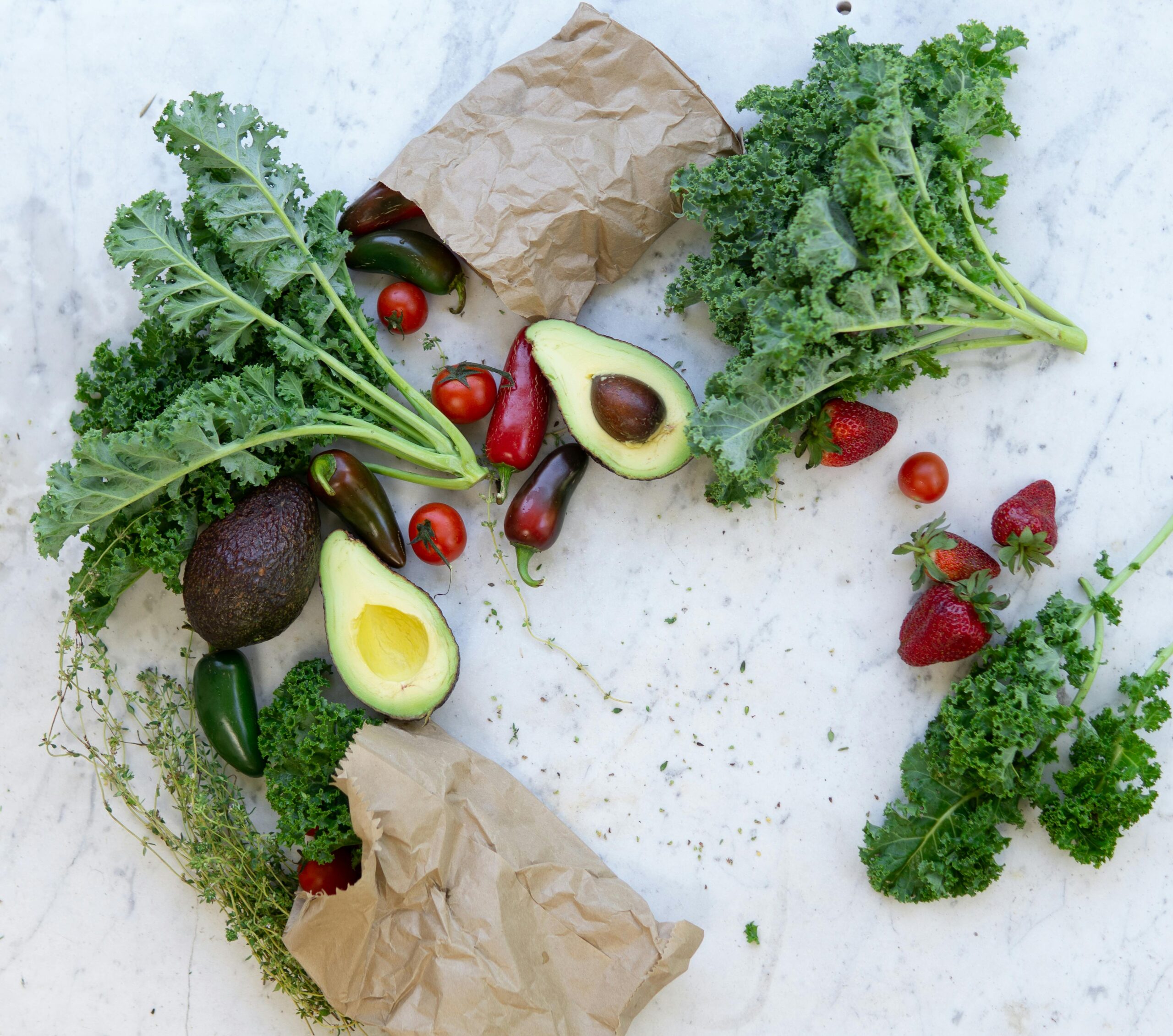
Snacking has evolved from simple indulgence to a strategic art form. Whether you’re battling mid-afternoon energy dips or seeking post-workout fuel, understanding the snack matrix unlocks endless possibilities for satisfying every craving intelligently.

The modern approach to snacking isn’t about deprivation or guilt—it’s about making informed choices that align with your nutritional goals while still delivering satisfaction. By mastering smart substitutions and understanding the balance between sweet and savory options, you can transform your snacking habits into a powerful tool for maintaining energy, managing cravings, and supporting overall wellness.
🧩 Understanding the Snack Matrix Framework
The snack matrix is a conceptual framework that organizes snacking options across two primary dimensions: flavor profile (sweet versus savory) and nutritional density (nutrient-rich versus calorie-dense). This system helps you navigate choices based on your current needs, whether that’s quick energy, sustained satiety, or pure enjoyment.
At the heart of this approach lies the principle of smart substitutions—swapping ingredients or preparation methods to maintain flavor satisfaction while optimizing nutritional value. This doesn’t mean eliminating favorite snacks entirely, but rather reimagining them through creative alternatives that deliver similar taste experiences with enhanced benefits.
The Four Quadrants of Snacking
Every snack falls somewhere within four basic categories: nutrient-dense savory options like vegetables with hummus, nutrient-dense sweet choices such as fresh fruit with nut butter, calorie-dense savory snacks like traditional chips, and calorie-dense sweet treats including cookies and candy. Understanding where your go-to snacks fall helps identify opportunities for strategic substitutions.
🍬 Sweet Cravings: Smart Substitution Strategies
Sweet cravings often signal blood sugar fluctuations, energy needs, or simply the psychological desire for comfort. Rather than reaching for processed sugar bombs, the snack matrix offers numerous alternatives that satisfy sweetness while providing nutritional value.
Chocolate Alternatives That Actually Satisfy
Traditional chocolate bars pack concentrated sugar and fat, but you don’t need to abandon chocolate entirely. Dark chocolate with 70% cacao or higher delivers antioxidants alongside sweetness, while cacao nibs mixed with dried fruit offer intense chocolate flavor with fiber and natural sugars. Frozen chocolate-dipped banana slices provide creamy sweetness with potassium and sustained energy.
For those seeking maximum nutritional density, energy balls made from dates, cacao powder, and nuts create fudgy, brownie-like bites that fuel your body rather than creating energy crashes. These homemade alternatives take minutes to prepare and can be customized with add-ins like coconut, seeds, or protein powder.
Cookie and Baked Good Reimagined
The texture and comfort of baked goods can be replicated with ingredient swaps that dramatically alter nutritional profiles. Replace refined flour with almond flour, oat flour, or coconut flour to increase protein and fiber while reducing blood sugar spikes. Swap white sugar for mashed banana, applesauce, or dates to add natural sweetness with accompanying nutrients.
Butter substitutions with Greek yogurt, avocado, or nut butters maintain moisture and richness while boosting protein content. These modifications create treats that genuinely nourish rather than merely indulge, making them suitable for regular consumption rather than occasional splurges.
Candy Cravings Without the Sugar Crash
When gummy bears or sour candies call your name, fruit-based alternatives can deliver similar sensory experiences. Freeze-dried fruit offers intense flavor concentration and satisfying crunch, while frozen grapes become nature’s candy with refreshing sweetness. Homemade fruit leather made from pureed fruit provides chewy texture without added sugars or artificial colors.
🧀 Savory Solutions: Endless Flavor Possibilities
Savory cravings typically indicate needs for salt, fat, or umami satisfaction. The snack matrix addresses these desires through options that deliver on flavor while incorporating quality proteins, healthy fats, and complex carbohydrates.
Chip Alternatives That Crunch
The crispy, salty satisfaction of chips remains unmatched in the snacking world, but numerous alternatives provide similar sensory experiences with superior nutrition. Kale chips, when properly seasoned and baked, deliver intense crunch with vitamins A, C, and K. Roasted chickpeas offer protein and fiber alongside customizable seasonings from ranch to buffalo to everything bagel.
Seaweed snacks provide umami depth and ocean minerals in crispy sheets that satisfy with minimal calories. For those seeking something closer to traditional chips, thinly sliced and baked root vegetables like sweet potato, beet, or parsnip create colorful, nutrient-dense alternatives that pair perfectly with healthy dips.
Cheese and Dairy Reimagined
Cheese cravings often stem from desires for fat and protein. While cheese itself can fit into balanced eating, strategic substitutions expand options and nutritional diversity. Nutritional yeast delivers cheesy, nutty flavor with complete protein and B vitamins, making it perfect for sprinkling on popcorn or mixing into savory snack mixes.
Greek yogurt dips flavored with herbs and spices provide creamy satisfaction with significantly more protein than cream cheese or sour cream bases. Cashew-based cheese alternatives offer similar textures and flavors for those managing dairy intake, while maintaining the indulgent mouthfeel that makes cheese so satisfying.
Protein-Packed Savory Snacks
Protein creates lasting satiety, making it a crucial component of effective snacking. Hard-boiled eggs seasoned with everything bagel seasoning offer portable protein with minimal preparation. Turkey or beef jerky provides concentrated protein, though quality matters—look for options without excessive sodium or added sugars.
Edamame, whether fresh or dry-roasted, delivers plant-based protein with fiber and a satisfying pop. Cottage cheese topped with cucumber, tomato, and everything seasoning creates a savory bowl that sustains energy for hours. These protein-forward options prevent the grazing cycle that often accompanies less substantial snacks.
⚡ Energy-Boosting Combinations
The most effective snacks combine macronutrients strategically—pairing carbohydrates with protein or healthy fats to create sustained energy release rather than quick spikes and crashes. This principle applies across both sweet and savory categories.
Sweet Combinations That Sustain
Apple slices with almond butter marry fruit’s quick energy with nut butter’s protein and healthy fats for hours of sustained fuel. Greek yogurt with berries and a drizzle of honey provides probiotics, antioxidants, and protein in a naturally sweet package. Dates stuffed with nut butter and topped with dark chocolate create an indulgent treat that actually supports stable blood sugar.
Savory Pairings for Performance
Whole grain crackers with avocado provide complex carbohydrates and healthy fats that fuel both body and brain. Vegetable sticks with hummus deliver fiber, plant-based protein, and satisfying crunch. Rice cakes topped with smashed chickpeas and everything seasoning create a light yet filling option perfect for between-meal hunger.
🎯 Customizing Your Personal Snack Matrix
While general principles guide smart snacking, individual needs vary based on activity level, dietary preferences, health goals, and personal taste. Building your customized snack matrix requires honest assessment of your patterns, cravings, and responses to different foods.
Identifying Your Craving Patterns
Track when cravings strike and what you’re truly seeking. Afternoon slumps often signal protein or complex carbohydrate needs rather than simple sugar desires. Evening sweet cravings may indicate insufficient calories earlier in the day or habitual patterns rather than genuine hunger. Understanding the root cause allows for more targeted solutions.
Preparation Strategies for Success
The best snack matrix remains theoretical without practical implementation. Batch preparation transforms good intentions into accessible reality. Dedicate time weekly to washing and cutting vegetables, portioning nuts and seeds, preparing energy balls, or baking healthier treat alternatives. When healthy options require zero additional effort, they naturally become default choices.
Storage solutions matter equally—clear containers in prominent refrigerator positions make healthy snacks visible and appealing. Pre-portioned servings in grab-and-go containers eliminate decision fatigue and portion control challenges. These environmental design principles support consistent execution of your snack matrix strategy.
🌟 Special Considerations and Dietary Accommodations
The beauty of the snack matrix framework lies in its adaptability to various dietary needs and restrictions. Whether managing allergies, following specific eating patterns, or accommodating preferences, smart substitutions enable personalization without sacrificing satisfaction.
Plant-Based Snacking Solutions
Plant-based diets benefit from intentional protein inclusion in snacks. Roasted chickpeas, edamame, nuts, seeds, and nut butters provide concentrated plant protein. Combining incomplete proteins—like whole grain crackers with hummus—creates complete amino acid profiles. Nutritional yeast adds B vitamins often lacking in plant-based diets alongside its cheesy flavor contribution.
Low-Carb and Keto Adaptations
Low-carbohydrate approaches shift the snack matrix toward fat and protein emphasis. Cheese crisps, pepperoni chips, nuts, seeds, and vegetable sticks with high-fat dips become staples. Fat bombs made from coconut oil, nut butter, and cacao satisfy sweet cravings within carbohydrate restrictions. Hard-boiled eggs, deli meat rolls with cream cheese, and pork rinds address savory desires.
Allergy-Friendly Alternatives
Common allergens need not eliminate entire snack categories. Nut allergies can be accommodated with seed butters like sunflower, pumpkin, or tahini that provide similar textures and nutritional profiles. Dairy alternatives now span from coconut yogurt to cashew cheese, maintaining creamy satisfaction. Gluten-free whole grain options like rice crackers, corn tortilla chips, or quinoa puffs replace wheat-based snacks.
💡 The Psychology of Smart Snacking
Successful implementation of the snack matrix extends beyond nutritional knowledge into behavioral psychology. Understanding why we snack and what truly satisfies enables more intentional choices that align with both immediate desires and long-term goals.
Satisfaction Beyond Macronutrients
Snacking fulfills needs beyond hunger—stress relief, boredom management, social connection, and sensory pleasure all play roles. Acknowledging these dimensions prevents the frustration of choosing nutritionally optimal options that fail to satisfy on other levels. Sometimes the “best” snack is the one that addresses your actual need, whether that’s crunchy, creamy, warm, cold, or simply comforting.
The 80/20 Approach to Snacking
Perfectionism sabotages sustainable habits. Aiming for nutrient-dense choices 80% of the time allows flexibility for pure pleasure without guilt or compensation cycles. This approach maintains both nutritional benefits and psychological health, preventing the restriction-rebellion pattern that undermines long-term success. When you genuinely enjoy traditional treats occasionally, they remain treats rather than forbidden fruits that dominate thoughts.
🔄 Seasonal Snacking and Variety Strategies
Rotation prevents boredom and ensures nutritional diversity. Seasonal eating connects snacking to nature’s rhythms while maximizing freshness and flavor. Summer watermelon and berries give way to fall apples and pears, then winter citrus and pomegranates. This natural variety prevents monotony while ensuring diverse phytonutrient intake.
Challenge yourself to try one new snack option weekly, whether that’s an unfamiliar vegetable, a different nut or seed butter, or a creative preparation method. This exploration mindset keeps snacking interesting while continuously expanding your personal matrix of satisfying options.

🎉 Building Your Sustainable Snack System
The snack matrix isn’t a temporary diet strategy but a lifelong framework for navigating choices with confidence and satisfaction. Success comes from building systems that support your goals rather than relying on willpower alone. Stock your environment with options that serve you, prepare components in advance, and approach snacking as an opportunity for nourishment rather than a test of discipline.
Start by identifying your three most common cravings—perhaps salty crunch, creamy sweetness, and chocolate satisfaction. Research and test three smart substitutions for each, giving yourself permission to experiment and refine based on genuine enjoyment. As these alternatives become familiar and accessible, they naturally replace less nourishing defaults without force or deprivation.
Remember that the goal isn’t perfection but progress—each smart substitution represents a choice that serves your body and satisfies your taste preferences. Over time, these individual choices compound into transformed habits, energy levels, and relationship with food. The snack matrix provides the framework; your personal preferences and consistent implementation create the results.
Whether your current challenge involves managing sweet tooth tendencies, breaking the afternoon vending machine habit, or simply wanting more energy throughout your day, the endless possibilities within the snack matrix offer solutions. Smart substitutions don’t require sacrifice—they represent discovery of options that satisfy cravings while supporting the vibrant, energized life you’re building one snack at a time.