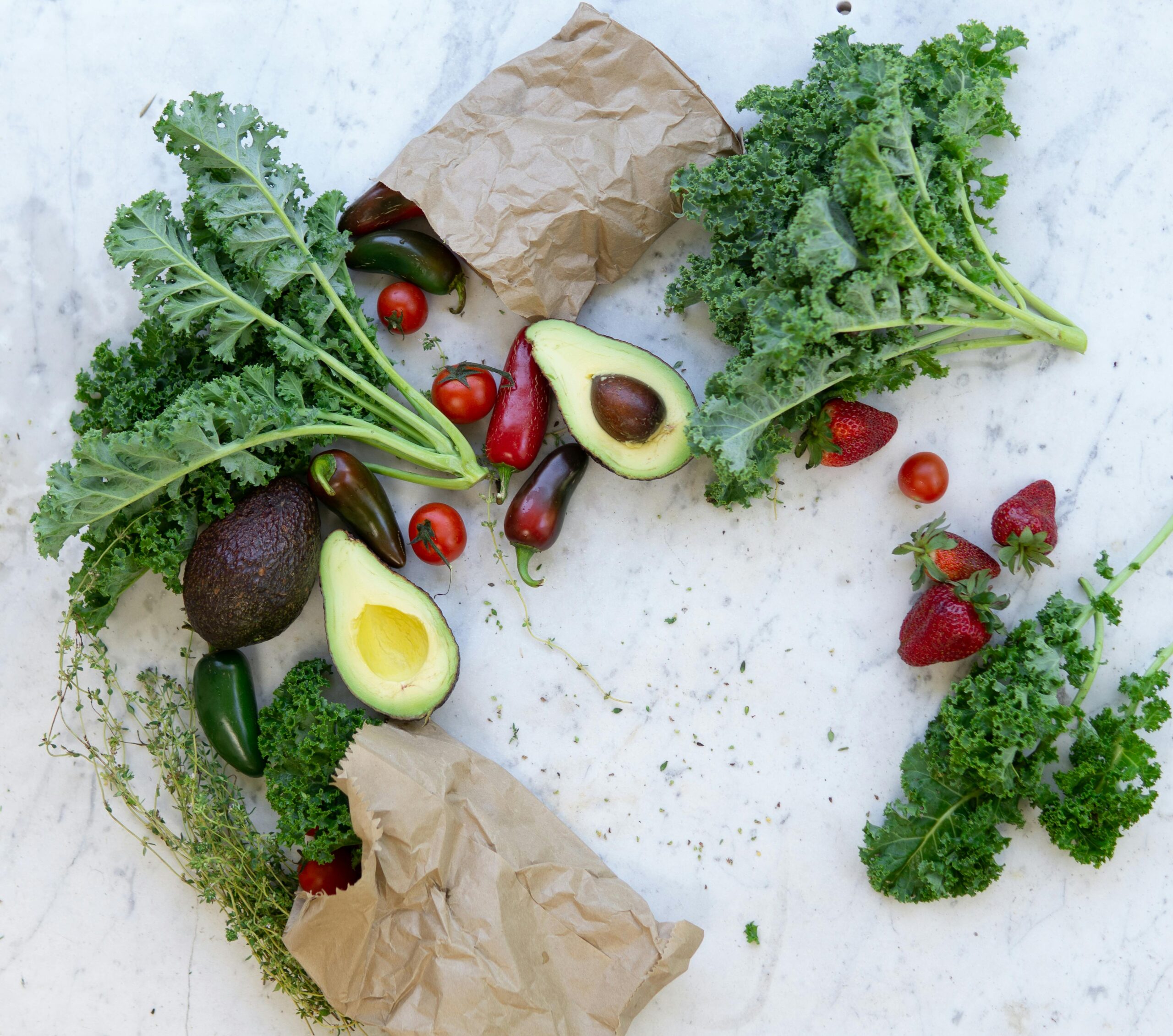
Living dairy-free doesn’t mean sacrificing flavor, nutrition, or enjoyment. Whether you’re lactose intolerant, vegan, or simply exploring healthier alternatives, today’s market offers incredible options that might surprise you.

The dairy-free revolution has transformed from a niche dietary requirement into a mainstream movement embraced by millions worldwide. With innovative food technology and increased consumer demand, plant-based alternatives have evolved dramatically, offering textures, tastes, and nutritional profiles that rival traditional dairy products. This comprehensive guide will help you navigate the diverse landscape of lactose-free and plant-based options, ensuring you find your perfect match for every meal and occasion.
🥛 Understanding Lactose Intolerance vs. Dairy-Free Choices
Before diving into alternatives, it’s essential to understand why people choose dairy-free options. Lactose intolerance affects approximately 65% of the global population to varying degrees. This condition occurs when the body doesn’t produce enough lactase enzyme to break down lactose, the sugar found in milk and dairy products.
However, not everyone avoiding dairy is lactose intolerant. Some people have dairy allergies (different from intolerance), follow vegan lifestyles, experience skin issues triggered by dairy, or simply prefer plant-based nutrition for environmental or ethical reasons. Understanding your specific needs helps narrow down which alternatives will work best for you.
Symptoms That Signal It’s Time to Explore Alternatives
Common indicators that dairy might not agree with your system include bloating, gas, stomach cramps, diarrhea, nausea, and in some cases, skin reactions like acne or eczema flare-ups. If you experience these symptoms regularly after consuming dairy products, exploring alternatives could significantly improve your quality of life.
Plant-Based Milk Alternatives: Finding Your Favorite
The plant-based milk category has exploded in recent years, offering far more than just soy milk. Each alternative brings unique flavors, textures, and nutritional benefits to the table.
Almond Milk: The Popular Choice ☕
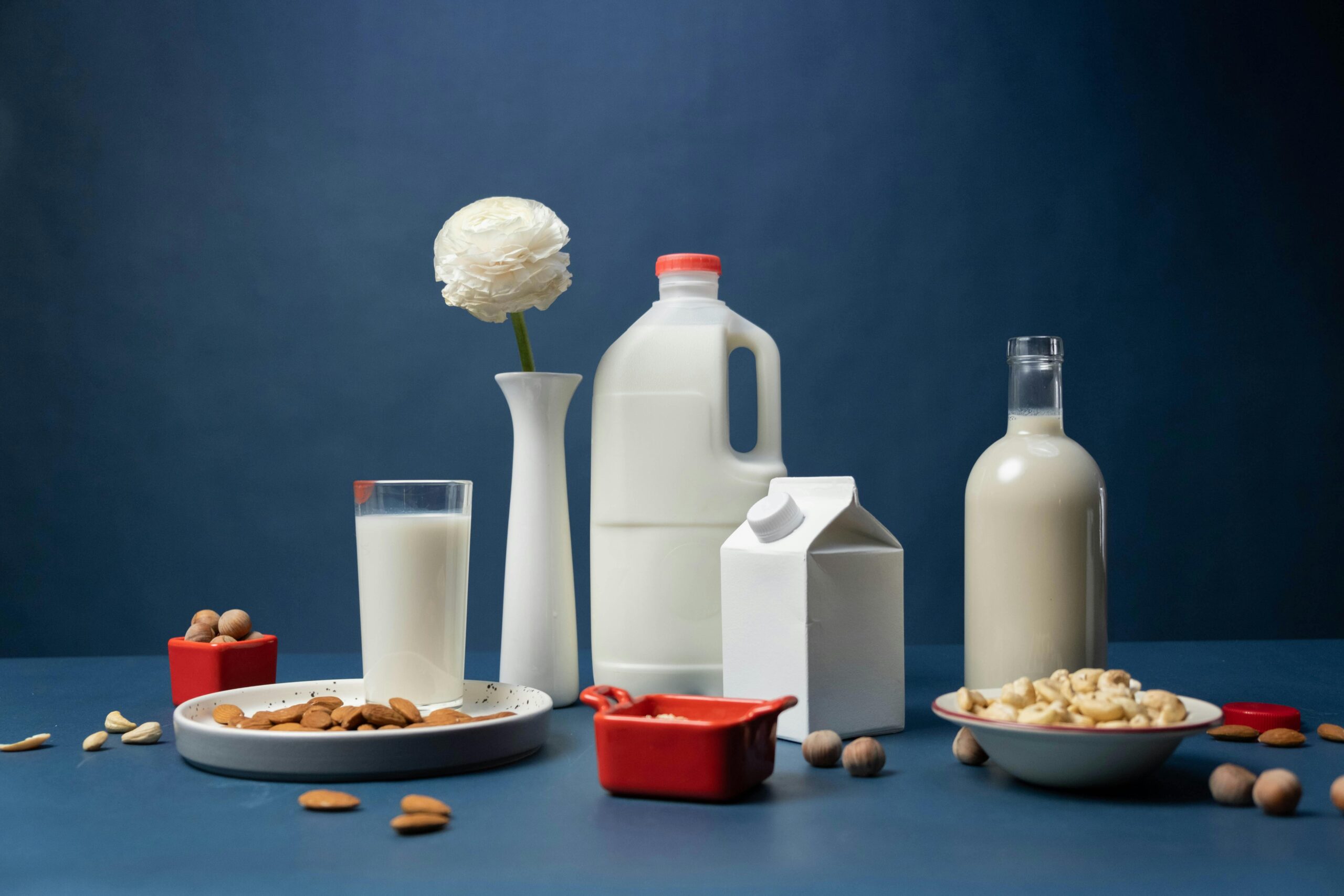
Almond milk has become the go-to dairy alternative for many consumers. It’s naturally low in calories (typically 30-50 calories per cup for unsweetened versions), has a mild, slightly nutty flavor, and works beautifully in coffee, smoothies, and cereal. The texture is thin and refreshing, making it versatile for various applications.
Nutritionally, almond milk is naturally rich in vitamin E but lower in protein than cow’s milk. Most commercial brands fortify their products with calcium, vitamin D, and sometimes vitamin B12 to match dairy’s nutritional profile. It’s an excellent choice for those watching their calorie intake while still wanting a creamy beverage.
Oat Milk: The Barista’s Dream
Oat milk has rapidly gained popularity, especially in coffee shops, thanks to its naturally creamy texture and ability to froth beautifully. Made from oats and water, this option has a mild, slightly sweet taste that doesn’t overpower other flavors.
With a higher carbohydrate content than other plant milks, oat milk provides sustained energy and contains beta-glucans, a type of soluble fiber beneficial for heart health. It typically contains 3-4 grams of protein per cup and is often fortified with essential vitamins and minerals. The consistency makes it perfect for lattes, hot chocolate, and baking.
Soy Milk: The Protein Powerhouse 💪
As one of the original dairy alternatives, soy milk remains a nutritional champion. With 7-9 grams of protein per cup, it matches cow’s milk’s protein content more closely than any other plant-based option. Soy milk contains all nine essential amino acids, making it a complete protein source.
Its slightly bean-like flavor has improved significantly over the years, with many brands offering vanilla or chocolate varieties that appeal to wider audiences. Soy milk works exceptionally well in savory cooking, baking, and as a straightforward milk replacement in most recipes.
Coconut Milk: Tropical Creaminess
Coconut milk brings a rich, creamy texture and subtle tropical flavor to the dairy-free lineup. Available in both canned (thick, full-fat) and carton versions (thinner, beverage-style), it offers versatility for different culinary needs.
The beverage version typically contains 40-50 calories per cup and works well in smoothies, cereal, and coffee. Canned coconut milk is invaluable for curries, soups, and desserts requiring richness and body. While higher in saturated fat than other alternatives, these are medium-chain triglycerides (MCTs), which some research suggests may have health benefits.
Cashew Milk: Smooth and Versatile
Cashew milk offers an incredibly smooth, creamy texture with a neutral, slightly sweet flavor that works in virtually any application. It’s naturally lower in calories and blends seamlessly into both sweet and savory dishes without altering flavors.
This alternative is particularly excellent for making cream sauces, alfredo dishes, and creamy soups. However, like almond milk, it’s relatively low in protein unless fortified.
Other Notable Mentions
The innovation continues with rice milk (hypoallergenic and naturally sweet), hemp milk (omega-3 rich), pea milk (high protein), macadamia milk (luxuriously creamy), and even potato milk gaining traction. Each offers unique characteristics worth exploring based on your taste preferences and nutritional needs.
🧀 Cheese Alternatives That Actually Melt and Taste Good
Dairy-free cheese has historically been the most challenging alternative to perfect, but recent innovations have created options that genuinely satisfy cheese lovers.
Nut-Based Cheeses: Artisanal Quality
Cashew-based cheeses have revolutionized the dairy-free cheese world. Through fermentation and aging processes similar to traditional cheesemaking, these products develop complex flavors, tangy notes, and creamy textures that closely mimic aged cheeses, brie, and cream cheese.
Many artisanal brands create cultured nut cheeses that develop authentic cheese flavors through bacterial fermentation. These premium options work beautifully on charcuterie boards, crackers, and as spreads.
Coconut Oil-Based Cheeses: Melting Magic
For those seeking meltability, coconut oil-based cheeses typically perform best. These products use refined coconut oil (which doesn’t taste like coconut) as a fat base, combined with starches and proteins to create stretchiness and melt characteristics similar to dairy cheese.
These work exceptionally well for pizza, grilled cheese sandwiches, quesadillas, and any application where you need that satisfying cheese pull and melt.
Choosing the Right Cheese Alternative
Consider your intended use when selecting dairy-free cheese. For cold applications like sandwiches or salads, nut-based options often taste best. For cooking, melting, or baking, choose products specifically labeled as “meltable” or “shreds.” Experiment with different brands, as quality and taste vary significantly across manufacturers.
Yogurt and Fermented Alternatives: Gut-Friendly Options 🥄
Plant-based yogurts have achieved remarkable success in replicating the tangy, creamy texture of dairy yogurt while maintaining probiotic benefits.
Coconut Yogurt: Rich and Probiotic
Coconut milk yogurt offers a thick, creamy consistency similar to Greek yogurt. Most varieties contain live active cultures, providing the same probiotic benefits as dairy yogurt. The subtle coconut flavor works beautifully in both sweet and savory applications, from parfaits to tzatziki sauce.
Almond and Cashew Yogurts: Light and Versatile
Nut-based yogurts tend to be lighter and less caloric than coconut varieties. They offer mild flavors that work well with various toppings and can be used in smoothies, dressings, and baking. Look for varieties with added probiotics to support digestive health.
Soy Yogurt: Protein-Rich Option
For those prioritizing protein content, soy yogurt delivers 5-7 grams per serving, comparable to dairy yogurt. The texture is smooth and creamy, with a mild taste that accepts flavorings well.
Oat Yogurt: The Newest Innovation
Oat-based yogurts have recently entered the market, offering a mild, slightly sweet base that’s naturally creamy without additional thickeners. These options appeal to those with nut allergies seeking alternatives beyond soy and coconut.
🍦 Ice Cream and Frozen Desserts: Indulgence Without Compromise
Dairy-free ice cream has come incredibly far, with options that satisfy even the most discerning ice cream enthusiasts.
Cashew and Almond-Based Ice Creams
Nut-based ice creams offer remarkably creamy textures that closely mimic traditional ice cream. The fat content from nuts creates richness and smoothness that’s difficult to distinguish from dairy versions. Many premium brands use these bases to create decadent flavors.
Coconut Milk Ice Cream: Tropical Creaminess
Coconut milk creates naturally rich, creamy frozen desserts. While some products have noticeable coconut flavor, many brands have perfected recipes that minimize this, allowing other flavors to shine through.
Oat Milk Ice Cream: Sustainable and Delicious
The newest category in frozen desserts, oat milk ice cream offers environmental benefits alongside great taste. The naturally creamy oat base creates smooth textures without overwhelming flavors, making it an excellent canvas for various additions.
Butter Alternatives for Cooking and Baking 🧈
Replacing butter might seem daunting, but numerous alternatives perform beautifully in different applications.
Plant-Based Butter Sticks
Modern plant-based butters made from oils like coconut, avocado, and olive oil replicate butter’s functionality remarkably well. They work in baking, spreading on toast, and even making pie crusts. Many are specifically formulated to match butter’s melting point and fat content for reliable results.
Coconut Oil: Versatile Fat Source
Refined coconut oil (flavorless) works exceptionally well in baking as a butter substitute, using a 1:1 ratio. Its solid state at room temperature makes it ideal for pastries, cookies, and pie crusts requiring cold fat.
Olive Oil and Avocado Oil
For savory cooking, high-quality olive oil or avocado oil replaces butter’s richness while adding heart-healthy monounsaturated fats. These work beautifully for sautéing, roasting vegetables, and in salad dressings.
📱 Navigating Labels and Making Smart Choices
Reading labels becomes crucial when selecting dairy-free products. Look beyond marketing claims to examine actual ingredients and nutritional information.
What to Look For
Choose products fortified with calcium, vitamin D, and vitamin B12 to match the nutritional benefits of dairy. Check protein content, especially if replacing milk as a protein source. Opt for unsweetened versions to control sugar intake, adding your own natural sweeteners if desired.
Ingredients to Consider
Minimal ingredient lists typically indicate higher quality products. Watch for excessive additives, gums, or fillers that some people find difficult to digest. Organic and non-GMO certifications may be important depending on your priorities.
Making the Transition: Practical Tips for Success 🌟
Switching to dairy-free alternatives doesn’t have to be overwhelming. Start gradually by replacing one dairy product at a time, allowing your palate to adjust. Try multiple brands of each alternative category, as taste and texture vary significantly between manufacturers.
Don’t expect exact replicas of dairy products. Instead, appreciate alternatives for their unique qualities. Some substitutions work seamlessly, while others require recipe adjustments or different expectations. Join online communities focused on dairy-free living for recipe ideas, product recommendations, and support from others on similar journeys.
Budget-Friendly Strategies
Making your own plant-based milks, yogurts, and cheeses can significantly reduce costs. Many recipes require just basic ingredients and simple equipment. Buy store brands, which often match name-brand quality at lower prices. Watch for sales and stock up on shelf-stable products when prices drop.
Nutritional Considerations and Supplementation
While plant-based alternatives offer numerous benefits, ensuring complete nutrition requires attention to certain nutrients traditionally obtained from dairy.
Calcium and Vitamin D
Choose fortified products to maintain adequate calcium and vitamin D intake, essential for bone health. If consuming primarily unfortified alternatives, consider supplementation after consulting with healthcare providers.
Protein Intake
If relying heavily on low-protein alternatives like almond or rice milk, ensure adequate protein from other sources like legumes, nuts, seeds, and whole grains. Soy and pea milk offer protein levels comparable to dairy milk.
Vitamin B12
This crucial vitamin, primarily found in animal products, should be obtained through fortified plant-based products or supplements, especially for those following vegan diets.
Environmental and Ethical Considerations 🌍
Many people choose dairy alternatives for environmental reasons. Plant-based options typically require less water, land, and resources than dairy production while producing fewer greenhouse gas emissions. Oat and pea milk generally have the lowest environmental impact, followed by soy and almond milk.
Research brands committed to sustainable practices, ethical sourcing, and minimal packaging waste. Many companies now prioritize environmental responsibility alongside product quality, allowing conscious consumers to align purchases with values.
Creating Your Personal Dairy-Free Pantry
Building a well-stocked dairy-free pantry ensures you’re prepared for any culinary need. Keep multiple plant milk varieties on hand for different purposes: oat milk for coffee, almond milk for smoothies, and coconut milk for cooking. Stock various cheese alternatives suitable for different applications, from spreadable options to meltable shreds.
Maintain a selection of cooking fats including plant-based butter, coconut oil, and quality olive oil. Keep nutritional yeast for adding cheesy flavor to dishes, and stock your freezer with dairy-free ice cream for those dessert cravings.
Embracing Your Dairy-Free Journey with Confidence
Discovering your perfect dairy-free match is a personal journey that involves experimentation, patience, and openness to new flavors and textures. The incredible variety available today means there’s truly something for everyone, regardless of taste preferences, nutritional needs, or dietary restrictions.
Remember that perfection isn’t the goal—finding alternatives that enhance your health, satisfy your taste buds, and align with your values matters most. Whether you’re completely eliminating dairy or simply reducing consumption, the options available today make this transition easier and more delicious than ever before.
Start exploring, keep experimenting, and embrace the adventure of discovering new favorites. Your perfect dairy-free match is out there waiting, ready to transform your relationship with food while supporting your health and wellbeing. The dairy-free world has never been more exciting, accessible, or delicious—welcome to a new chapter of culinary possibility! 🌱