Going gluten-free doesn’t mean sacrificing flavor, texture, or variety in your meals. With the right knowledge about alternative grains, you can create delicious dishes that satisfy every craving.

Whether you’re managing celiac disease, gluten sensitivity, or simply exploring healthier eating options, understanding gluten-free grains opens up a world of culinary possibilities. This comprehensive guide will walk you through the best gluten-free grain alternatives, their unique textures, essential cooking techniques, and creative ways to incorporate them into breakfast, lunch, and dinner.
🌾 Understanding Gluten-Free Grains: What Makes Them Different
Gluten is a protein found in wheat, barley, and rye that gives traditional baked goods their characteristic chewiness and helps dough rise. Gluten-free grains naturally lack this protein, which means they behave differently during cooking and baking.
The beauty of gluten-free grains lies in their diversity. Each offers distinct nutritional profiles, flavors, and textures that can actually enhance your meals beyond what traditional wheat-based products provide. Many gluten-free grains are packed with higher levels of protein, fiber, vitamins, and minerals compared to refined wheat flour.
Understanding how these grains work individually and in combination is key to mastering gluten-free cooking. Some are fluffy and light, others are hearty and chewy, and many can be ground into flour for baking applications.
The Essential Gluten-Free Grain Roster
Rice: The Universal Foundation 🍚
Rice stands as the most accessible and versatile gluten-free grain worldwide. White rice offers a neutral flavor and soft texture, perfect for absorbing sauces and seasonings. Brown rice provides more fiber and nutrients with a nuttier taste and chewier bite.
Cooking tip: Rinse rice thoroughly before cooking to remove excess starch. Use a 2:1 water-to-rice ratio for white rice and 2.5:1 for brown rice. Let it rest covered for 10 minutes after cooking for perfect texture.
Beyond these basics, jasmine rice brings floral aromatics to Asian dishes, while arborio rice creates creamy risottos without any gluten. Wild rice, technically a grass seed, adds dramatic color and a distinctly earthy, nutty flavor to grain bowls and pilafs.
Quinoa: The Complete Protein Powerhouse
Quinoa has earned superfood status thanks to its complete amino acid profile, making it especially valuable for vegetarians and vegans. This ancient grain from South America offers a slightly crunchy texture with a mild, slightly nutty flavor.
Available in white, red, and black varieties, quinoa cooks quickly—usually in just 15 minutes. Red and black quinoa hold their shape better than white, making them ideal for cold salads, while white quinoa works beautifully as a breakfast porridge or side dish.
Critical cooking tip: Always rinse quinoa thoroughly to remove saponins, the natural coating that can taste bitter. Use a 2:1 liquid-to-quinoa ratio and fluff with a fork after cooking to prevent mushiness.
Buckwheat: The Misnamed Marvel
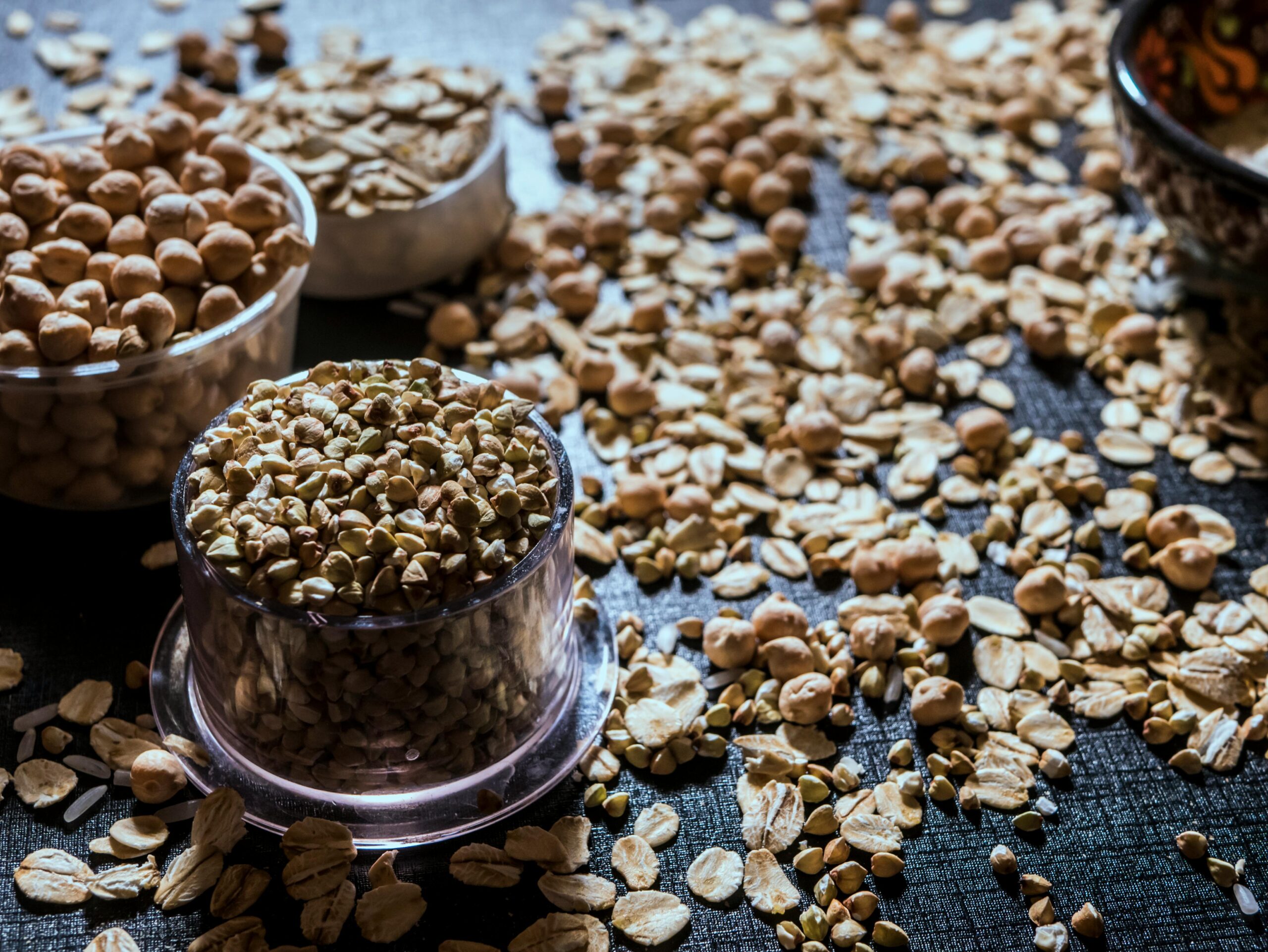
Despite its name, buckwheat contains no wheat and is completely gluten-free. This triangular seed related to rhubarb delivers a robust, earthy flavor and impressive nutritional benefits, including high levels of rutin, an antioxidant that supports cardiovascular health.
Buckwheat groats can be toasted (called kasha) for a deeper, nuttier flavor or used raw for a milder taste. Ground into flour, buckwheat creates hearty pancakes, noodles (like Japanese soba), and rustic breads.
Texture ranges from tender when cooked as porridge to pleasantly chewy in pilaf preparations. Toast raw buckwheat groats in a dry pan before cooking to enhance their flavor complexity.
Millet: The Overlooked Gem 💎
Millet produces tiny, round seeds that can be prepared fluffy like rice or creamy like mashed potatoes, depending on cooking method. This grain offers a mild, slightly sweet corn-like flavor that adapts well to both savory and sweet applications.
Rich in magnesium, phosphorus, and antioxidants, millet supports bone health and helps regulate blood sugar levels. It’s also one of the most alkaline grains, making it easier to digest than many alternatives.
For fluffy millet, use a 2.5:1 water ratio and avoid stirring during cooking. For creamy millet porridge, increase liquid to 3:1 or 4:1 and stir frequently. Toasting millet before cooking brings out its nutty undertones.
Amaranth: The Ancient Aztec Treasure
Amaranth seeds are incredibly tiny but pack tremendous nutritional punch, delivering more protein than most grains along with significant calcium, iron, and lysine. When cooked, amaranth develops a unique porridge-like consistency with a slightly peppery, earthy taste.
Use amaranth as a hot breakfast cereal, stir it into soups for added thickness and nutrition, or pop it like miniature popcorn for a crunchy topping. Its naturally sticky texture makes it excellent for binding veggie burgers and meatless meatballs.
Cook amaranth using a 3:1 liquid-to-grain ratio for about 20 minutes. The grains will appear translucent with a tiny white ring when fully cooked.
Sorghum: The Chewy Contender
Sorghum grains resemble wheat berries in appearance and offer a satisfying chew with a mild, slightly sweet flavor. This drought-resistant grain provides excellent fiber, antioxidants, and B vitamins.
Whole sorghum requires longer cooking time—about 50-60 minutes—but the result is wonderfully hearty. Use it in grain salads, add it to soups, or substitute it for barley in recipes. Sorghum flour works well in gluten-free baking blends, adding moisture retention and structure.
Pre-soaking sorghum for several hours can reduce cooking time and improve digestibility. Use a 3:1 water-to-sorghum ratio for best results.
Teff: The Tiny Ethiopian Powerhouse
Teff seeds are so small that 3,000 grains equal the weight of one wheat kernel, yet they deliver impressive nutrition including high levels of calcium, iron, and resistant starch that supports gut health.
This grain is the foundation of Ethiopian injera, a spongy fermented flatbread. When cooked as porridge, teff develops a slightly gelatinous consistency with a sweet, molasses-like flavor. Brown teff tastes earthier than white teff, which has a milder, chestnut-like flavor.
Cook teff using a 3:1 or 4:1 liquid ratio for just 15-20 minutes. Its natural stickiness makes it excellent for breakfast porridges and polenta-style preparations.
Mastering Texture: The Key to Gluten-Free Success
Texture often determines whether a gluten-free dish succeeds or fails. Since gluten provides structure and elasticity in traditional cooking, understanding how to achieve desired textures with gluten-free grains requires different techniques.
Achieving Fluffy, Separated Grains
For pilafs, fried rice, and grain salads, you want individual grains that don’t clump together. Start by rinsing grains to remove excess starch. Toast them in a dry pan or with a small amount of oil before adding liquid—this coats each grain and helps maintain separation.
Use the appropriate water ratio (usually less liquid creates fluffier results), bring to a boil, then reduce to the lowest possible simmer. Avoid stirring during cooking, which releases starch and creates mushiness. Once cooking completes, let the grain rest covered for 5-10 minutes, then fluff with a fork.
Creating Creamy, Comfort-Food Textures
For porridges, risotto-style dishes, and polenta alternatives, you want creamy consistency. Increase the liquid ratio significantly—sometimes up to 5:1 for very creamy results. Stir frequently to release starches that create creaminess.
Adding ingredients in stages helps build texture layers. For example, start with less liquid, cook partially, then add more liquid gradually while stirring. Finish with fat (butter, olive oil, or coconut cream) for luxurious mouthfeel.
Building Satisfying Chew and Bite
Whole, intact grains like sorghum, wheat berry alternatives, and wild rice provide satisfying chew. Don’t overcook these grains—they should retain slight resistance when bitten. Proper soaking before cooking helps achieve even texture throughout.
Combining grains with different textures creates interest in mixed grain dishes. Try pairing fluffy quinoa with chewy wild rice, or soft white rice with crunchy toasted buckwheat groats.
🍳 Gluten-Free Grains for Every Meal
Breakfast: Starting Your Day Right
Morning meals set the tone for your entire day. Gluten-free grain porridges provide sustained energy without blood sugar spikes. Cook amaranth or teff with milk or plant-based alternatives, then top with fresh fruit, nuts, and a drizzle of honey or maple syrup.
Quinoa makes an excellent breakfast bowl base—cook it with cinnamon and vanilla, then add berries, banana slices, and almond butter. Leftover rice transforms into crispy rice cakes or congee, a comforting Asian breakfast porridge.
For make-ahead options, prepare overnight millet porridge by soaking raw millet in milk overnight, then warming it in the morning with your favorite toppings. Buckwheat groats work similarly for a heartier option.
Lunch: Midday Satisfaction
Grain bowls have become lunch staples for good reason—they’re customizable, meal-prep friendly, and endlessly variable. Start with a base of fluffy quinoa, brown rice, or millet, then layer with roasted vegetables, proteins, leafy greens, and flavorful dressings.
Cold grain salads featuring sorghum or wild rice mixed with herbs, citrus, and crunchy vegetables travel well and actually taste better after flavors meld. Tabbouleh traditionally uses bulgur wheat, but quinoa makes an excellent gluten-free substitute that’s even more nutritious.
Soups benefit from heartier grains like brown rice or buckwheat added during the last 30-40 minutes of cooking. They add body, nutrition, and satisfaction without gluten-containing pasta or barley.
Dinner: Evening Comfort and Creativity
Replace traditional pasta with grain-based alternatives. Sorghum or buckwheat can substitute for wheat berries in Mediterranean dishes. Use cauliflower rice mixed with actual rice to increase vegetable intake while maintaining familiar textures.
Risotto-style dishes work beautifully with arborio rice or even quinoa if you adjust your technique. The key is patient stirring and gradual liquid addition. Finish with parmesan cheese (if dairy-tolerant) or nutritional yeast for depth.
Stuffed vegetables gain heartiness from mixed grain fillings. Combine cooked quinoa, millet, and wild rice with herbs, nuts, and dried fruits for stuffing bell peppers, squash, or tomatoes. The varied grain textures create complexity that single-grain fillings lack.
Baking with Gluten-Free Grain Flours
Converting favorite baked goods to gluten-free versions requires understanding flour properties. No single gluten-free flour perfectly replicates wheat flour, so successful gluten-free baking typically relies on flour blends.
Flour Characteristics and Best Uses
Rice flour provides neutral flavor and light texture but can be gritty alone. Combine it with starches for better results. Brown rice flour adds nutritional benefits and slightly nutty taste.
Buckwheat flour delivers distinctive earthy flavor perfect for pancakes, waffles, and rustic breads. Its strong taste works best when comprising 25-50% of flour blends rather than 100%.
Millet flour creates tender, slightly sweet baked goods. It works well in cakes, muffins, and quick breads. Sorghum flour closely mimics wheat flour properties and blends well with others for all-purpose applications.
Teff flour adds molasses notes and works beautifully in chocolate baked goods, gingerbread, and hearty breads. Amaranth flour contributes moisture and protein but has a strong flavor that works best in small proportions.
Essential Baking Tips
Always combine multiple flours for balanced flavor and texture. A typical blend might include 40% rice flour, 30% sorghum flour, 20% starch (potato or tapichio), and 10% specialty flour like buckwheat or teff.
Add binding agents that replace gluten’s function: xanthan gum (1/4 to 1/2 teaspoon per cup of flour for most recipes), psyllium husk powder, or ground flaxseed. Eggs also provide crucial structure in gluten-free baking.
Let batters rest for 20-30 minutes before baking to allow flours to fully hydrate. Gluten-free batters are often thicker than wheat-based ones. Don’t overbake—gluten-free goods can dry out quickly.
Storage and Meal Prep Strategies 📦
Proper storage extends the life of gluten-free grains and makes meal preparation more efficient. Whole grains contain natural oils that can go rancid, so storage method matters.
Store uncooked grains in airtight containers in a cool, dark place. For long-term storage beyond six months, keep them in the refrigerator or freezer. Label containers with purchase dates to ensure freshness.
Batch cooking grains saves tremendous time. Cook large quantities on weekends, then portion and refrigerate for up to five days or freeze for up to three months. Store in individual portions for grab-and-go convenience.
Cooked grains freeze exceptionally well. Spread cooled grains on a baking sheet and freeze until solid, then transfer to freezer bags. This prevents clumping and allows you to remove exactly the amount you need.
Thaw frozen grains in the refrigerator overnight or reheat directly from frozen. Add a tablespoon of water when reheating to restore moisture. Microwave, stovetop, or oven methods all work well.
Navigating Cross-Contamination Concerns
For those with celiac disease or severe gluten sensitivity, cross-contamination represents a serious concern. Even naturally gluten-free grains can become contaminated during growing, processing, or packaging.
Look for grains specifically labeled “certified gluten-free,” which indicates testing to ensure gluten levels below 20 parts per million. This certification is particularly important for oats, which are often processed in facilities that also handle wheat.
Purchase grains from dedicated gluten-free facilities when possible. Store gluten-free grains separately from any gluten-containing foods in your pantry. Use separate cooking equipment, or thoroughly clean all utensils, pots, and cutting boards before preparing gluten-free meals.
When dining out or buying prepared foods, always ask about preparation methods and potential cross-contamination. Shared fryers, cutting boards, and cooking surfaces can introduce gluten even to naturally gluten-free ingredients.
Budget-Friendly Approaches to Gluten-Free Grains 💰
Gluten-free specialty products can be expensive, but whole gluten-free grains often cost less than processed alternatives. Buying in bulk reduces costs significantly—purchase from bulk bins or online retailers offering larger quantities.
Focus on affordable staples like rice, millet, and buckwheat rather than expensive specialty items. These versatile grains can form the foundation of countless meals without breaking your budget.
Grow some grains yourself if you have space. Quinoa and amaranth can be grown in home gardens in many climates, providing fresh, free grains while ensuring they’re completely gluten-free.
Make your own flour blends instead of buying pre-mixed gluten-free flour. Purchase whole grains in bulk and grind them as needed in a high-powered blender or dedicated grain mill. Freshly ground flour tastes better and costs significantly less.
Embracing Your Gluten-Free Grain Journey 🌟
Transitioning to gluten-free grains opens unexpected culinary doors rather than closing them. Each grain brings unique flavors, textures, and nutritional benefits that can actually enhance your diet beyond what wheat-based eating provided.
Start by experimenting with one or two new grains each week. Try them in familiar preparations first—substitute quinoa for rice in your favorite stir-fry, or use buckwheat flour in your standard pancake recipe. As comfort grows, branch into more adventurous applications.
Don’t expect perfection immediately. Gluten-free cooking has a learning curve, and techniques that worked with wheat don’t always translate directly. Give yourself permission to experiment, adjust, and occasionally fail—each attempt teaches valuable lessons.
Connect with the gluten-free community for support, recipes, and inspiration. Online forums, social media groups, and local meetups provide encouragement and practical tips from others navigating similar dietary journeys.
Remember that gluten-free eating is not a limitation but an opportunity to discover diverse, nutritious, and delicious foods from cultures worldwide. Many traditional cuisines have relied on gluten-free grains for thousands of years, creating time-tested recipes that celebrate these ingredients’ natural qualities.
With the right knowledge, techniques, and mindset, gluten-free grains can form the foundation of satisfying, flavorful meals that nourish your body and delight your taste buds. Whether you’re managing health concerns or simply exploring new culinary horizons, the world of gluten-free grains offers endless possibilities for every meal of the day.