Living with Irritable Bowel Syndrome (IBS) can feel like navigating a dietary minefield, especially when it comes to fiber. Understanding which types support your gut rather than aggravate it is crucial for managing symptoms and reclaiming your digestive comfort.

For years, the medical community has preached a simple message: eat more fiber. But anyone with IBS knows the reality is far more nuanced. The right fiber can transform your digestive health, while the wrong type can trigger debilitating symptoms. This comprehensive guide will help you master the art of fiber selection, distinguishing between varieties that soothe and those that sabotage your sensitive system.
🧬 The Fiber Fundamentals: Understanding What You’re Really Eating
Fiber isn’t just one substance—it’s a diverse family of plant compounds that your body can’t fully digest. This resistance to digestion is precisely what makes fiber so valuable for gut health, but it’s also why different types produce dramatically different effects in IBS sufferers.
All dietary fiber falls into two main categories: soluble and insoluble. Soluble fiber dissolves in water, forming a gel-like substance that slows digestion and can help regulate bowel movements. Insoluble fiber doesn’t dissolve, instead adding bulk to stool and helping food pass more quickly through your digestive tract.
For someone with IBS, this distinction becomes critical. Your symptoms—whether predominantly constipation, diarrhea, or mixed—will determine which fiber type becomes your ally or enemy. The conventional wisdom of simply “eating more fiber” fails to account for this essential personalization.
✨ Soluble Fiber: The IBS-Friendly Superstar
Soluble fiber has earned its reputation as the gentler option for sensitive digestive systems. When it dissolves in water, it creates a soothing gel that can help normalize bowel function regardless of whether you experience constipation or diarrhea.
This remarkable adaptability makes soluble fiber invaluable for IBS management. It slows the transit of food through your intestines when things are moving too quickly, and softens stool when constipation strikes. Additionally, soluble fiber serves as a prebiotic, feeding beneficial gut bacteria without causing the gas and bloating that other fibers trigger.
Top Soluble Fiber Sources for IBS Relief
Psyllium husk stands out as perhaps the most studied and effective soluble fiber for IBS. Multiple clinical trials have demonstrated its ability to reduce overall IBS symptoms, particularly in constipation-predominant cases. Start with small amounts—just one teaspoon mixed in plenty of water—and gradually increase as your tolerance improves.
Oats and oat bran provide beta-glucan, another powerful soluble fiber that’s generally well-tolerated. A warm bowl of oatmeal made with water or lactose-free milk can become a cornerstone of your IBS-friendly breakfast routine.
Chia seeds and ground flaxseeds offer concentrated soluble fiber in small packages. When soaked in liquid, they develop that characteristic gel coating that indicates soluble fiber at work. Just remember to grind flaxseeds before consuming them to access their full nutritional benefits.
Certain fruits and vegetables are excellent soluble fiber sources when consumed appropriately. Peeled apples, bananas, carrots (cooked), and winter squash typically sit well with sensitive systems. The key is proper preparation—cooking vegetables until soft and removing skins when necessary can prevent irritation.
⚠️ Insoluble Fiber: Proceed With Caution
Insoluble fiber serves an important role in digestive health, but it requires a more careful approach if you have IBS. This fiber type adds bulk to stool and accelerates intestinal transit, which can be beneficial for constipation but potentially problematic for those with diarrhea-predominant or mixed-type IBS.
The rough texture of insoluble fiber can irritate an already sensitive gut lining, triggering spasms, cramping, and increased pain. Many IBS sufferers report that raw vegetables, whole wheat products, and nuts—all high in insoluble fiber—are among their most reliable symptom triggers.
Managing Insoluble Fiber Intake Strategically
Rather than eliminating insoluble fiber entirely, focus on moderation and preparation methods that minimize irritation. Cooking vegetables until very soft breaks down some of the tough fiber structure, making them easier to tolerate. Removing skins and seeds from fruits and vegetables reduces the concentration of insoluble fiber while preserving other nutrients.
If you have IBS-C (constipation-predominant), you may benefit from small, gradual increases in insoluble fiber—but always paired with adequate hydration and balanced with soluble fiber sources. Those with IBS-D (diarrhea-predominant) typically fare better by keeping insoluble fiber intake minimal during symptom flares.
Whole grain products present a particular challenge because they’re often recommended for digestive health but can trigger IBS symptoms. If you tolerate them at all, choose products made with oats or white rice rather than wheat, and introduce them slowly while monitoring your response carefully.
🔬 The FODMAP Factor: When Fiber Gets Complicated
Understanding fiber types provides only part of the IBS puzzle. Many high-fiber foods also contain FODMAPs—fermentable oligosaccharides, disaccharides, monosaccharides, and polyols—that can trigger significant symptoms in IBS sufferers regardless of their fiber content.
This overlap creates confusion when you’re trying to increase fiber intake. Foods like beans, lentils, wheat, onions, and garlic are fiber-rich but also high in FODMAPs. They ferment rapidly in the gut, producing gas, bloating, pain, and altered bowel habits that mirror IBS symptoms.
The low-FODMAP diet has become a gold-standard intervention for IBS, with research showing approximately 75% of sufferers experience significant symptom relief. When following this approach, you’ll need to identify fiber sources that are both gut-friendly in type and low in FODMAPs.
Low-FODMAP Fiber Champions
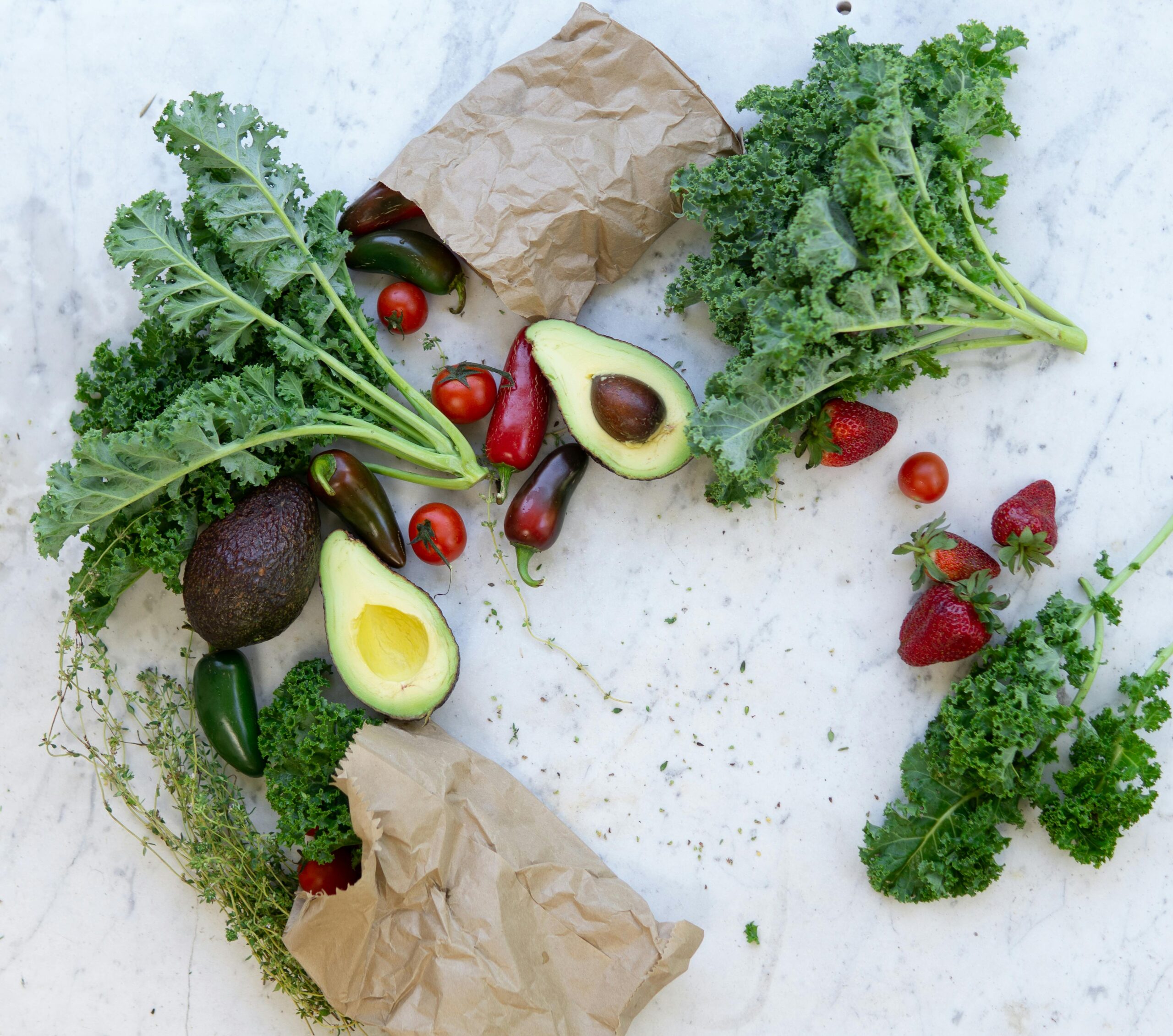
Fortunately, plenty of fiber-rich foods fit the low-FODMAP criteria, allowing you to support digestive health without triggering symptoms. Carrots, zucchini, green beans, and spinach provide fiber without excessive FODMAPs when consumed in appropriate portions.
Quinoa and brown rice offer whole grain options that are naturally low in FODMAPs. Strawberries, blueberries, and kiwifruit provide both soluble and insoluble fiber in a low-FODMAP package, though portion sizes matter—larger servings can increase FODMAP content.
Supplements like psyllium husk and certain types of partially hydrolyzed guar gum offer concentrated fiber without FODMAPs, making them particularly valuable during the elimination phase of a low-FODMAP diet.
💊 Fiber Supplements: When Food Sources Aren’t Enough
Despite your best dietary efforts, getting adequate fiber from food alone can be challenging when managing IBS. Fiber supplements bridge this gap, providing controlled, predictable amounts of specific fiber types without the additional compounds that might trigger symptoms.
Psyllium-based supplements like Metamucil are backed by substantial research showing benefits for overall IBS symptoms. They provide primarily soluble fiber that’s generally well-tolerated when introduced gradually with plenty of water.
Acacia fiber (also called gum arabic) is an emerging option that preliminary research suggests may be even gentler than psyllium for sensitive systems. It dissolves completely clear in water and produces minimal gas during fermentation.
Partially hydrolyzed guar gum (PHGG) has demonstrated particular promise for IBS in clinical studies. It improves both constipation and diarrhea while typically causing less bloating than other fiber supplements. The processing method breaks down the fiber into smaller chains that ferment more slowly.
Supplement Success Strategies
Starting low and going slow is the cardinal rule for fiber supplementation with IBS. Begin with just one-quarter of the recommended serving size and increase gradually over several weeks, allowing your gut bacteria to adapt to the additional fiber.
Timing matters significantly—take fiber supplements at least two hours away from medications to avoid interference with absorption. Many people find taking supplements with meals reduces the likelihood of cramping or discomfort.
Adequate hydration is non-negotiable when using fiber supplements. Each serving requires at least 8 ounces of water, and you should increase your overall fluid intake throughout the day to prevent the fiber from becoming constipating.
🍽️ Building Your Personalized Fiber Strategy
There’s no one-size-fits-all fiber prescription for IBS. Your optimal intake depends on your specific symptom pattern, individual food tolerances, gut microbiome composition, and lifestyle factors. Creating your personalized approach requires systematic experimentation and careful observation.
Start by establishing your baseline fiber intake using a food tracking app or journal. Record not just what you eat but when symptoms occur, their severity, and any other relevant factors like stress levels or sleep quality. This data becomes invaluable for identifying patterns.
Introduce new fiber sources one at a time, waiting at least three days before adding another. This isolation period allows you to clearly connect specific foods with symptoms or improvements. If something triggers a reaction, eliminate it and wait until symptoms resolve before continuing your experimentation.
Practical Daily Fiber Targets
While general guidelines recommend 25-35 grams of fiber daily, many IBS sufferers find their sweet spot falls between 15-25 grams, with the ratio heavily favoring soluble sources. During acute flare-ups, temporarily reducing fiber intake—particularly insoluble types—often provides relief.
Aim for a 3:1 or even 4:1 ratio of soluble to insoluble fiber if you’re especially sensitive. This might mean choosing white rice over brown, peeling vegetables, cooking produce until very soft, and relying on psyllium or other soluble supplements to meet your targets.
Distribute fiber intake throughout the day rather than consuming large amounts at once. Your digestive system will handle three meals with 5-8 grams each more comfortably than one high-fiber meal followed by low-fiber options.
🌱 Lifestyle Factors That Maximize Fiber Benefits
Fiber doesn’t work in isolation—several lifestyle factors determine how well your body responds to dietary changes. Hydration stands paramount among these, as fiber requires adequate fluid to function properly and prevent worsening constipation.
Aim for at least 8-10 glasses of water daily, more if you’re physically active or live in a hot climate. Herbal teas and other non-caffeinated beverages count toward this total. Many IBS sufferers notice significant symptom improvement from hydration improvements alone, even before optimizing fiber intake.
Regular physical activity supports healthy gut motility and can enhance fiber’s effectiveness. Even gentle movement like walking for 20-30 minutes daily helps stimulate intestinal contractions and reduces the bloating that sometimes accompanies increased fiber consumption.
Stress management deserves equal attention to dietary changes. The gut-brain connection means psychological stress directly impacts digestive function, potentially undermining even the most carefully planned fiber strategy. Mindfulness practices, adequate sleep, and stress-reduction techniques complement dietary interventions.
⏰ Timing Your Fiber Intake for Optimal Results
When you consume fiber can be just as important as which types you choose. Strategic timing helps maximize benefits while minimizing discomfort, working with your body’s natural rhythms rather than against them.
Many people find that consuming the majority of their fiber earlier in the day prevents nighttime symptoms that disrupt sleep. A soluble fiber-rich breakfast and lunch, followed by a lighter, lower-fiber dinner, allows active digestion to occur while you’re upright and mobile.
If you struggle with morning bowel movements, a fiber supplement or high-soluble-fiber breakfast can help establish regularity. Conversely, if you experience urgent morning diarrhea, limiting fiber until later in the day might provide relief.
Consider your schedule and access to bathrooms when planning fiber intake. Increasing fiber before important meetings, long commutes, or situations where bathroom access is limited may not serve you well, especially during the adjustment period.
🔄 Adjusting Your Approach Based on IBS Type
The three main IBS subtypes—IBS-C (constipation), IBS-D (diarrhea), and IBS-M (mixed)—each benefit from tailored fiber approaches. Understanding your predominant pattern allows for more targeted intervention.
IBS-C sufferers typically benefit from gradually increased fiber intake, with a balanced mix of soluble and insoluble types once tolerance is established. The bulk and moisture retention properties help normalize bowel movements. However, adequate hydration and physical activity are essential—fiber without these supporting factors can worsen constipation.
IBS-D requires a more cautious approach, emphasizing soluble fiber while keeping insoluble fiber minimal. The gel-forming properties of soluble fiber can help slow transit time and add form to loose stools without irritating the intestinal lining. Supplements like psyllium or acacia fiber often work better than food sources during active diarrhea phases.
IBS-M presents the greatest challenge, requiring flexibility to adjust fiber intake based on current symptoms. Some people find success maintaining a moderate baseline of primarily soluble fiber, then making small adjustments as symptoms shift between constipation and diarrhea.
🎯 Tracking Progress and Refining Your Strategy
Successful fiber optimization for IBS requires ongoing monitoring and adjustment. What works brilliantly for three months might need modification as your gut microbiome evolves, stress levels change, or other factors shift.
Maintain a symptom diary that tracks not only fiber intake but also bowel movement frequency and consistency, pain levels, bloating severity, and overall quality of life. Several smartphone apps designed for IBS tracking can simplify this process and help identify patterns you might otherwise miss.
Schedule regular check-ins with yourself—weekly during the initial adjustment period, then monthly once you’ve established a working protocol. Review your tracking data, noting what’s improved, what remains problematic, and what new questions have emerged.
Don’t hesitate to work with a registered dietitian specializing in digestive health, particularly one trained in the low-FODMAP diet. Professional guidance can accelerate your progress and help you avoid common pitfalls that derail well-intentioned dietary changes.

🌟 Moving Forward With Confidence
Mastering fiber intake transforms IBS from an unpredictable condition into something you can actively manage. By understanding the crucial differences between soluble and insoluble fiber, respecting FODMAP content, introducing changes gradually, and personalizing your approach based on your unique symptom pattern, you take control of your digestive health.
Remember that improvement often follows a non-linear path. Some weeks will show dramatic progress, while others may involve setbacks that require troubleshooting. This variability is normal and doesn’t indicate failure—it’s simply part of the process of finding what works for your unique system.
The investment you make in understanding fiber pays dividends beyond symptom relief. You’ll develop a deeper connection with your body, improve your overall nutrition, and gain confidence in navigating dietary choices. These skills serve you not just in managing IBS but in optimizing health across all areas of life.
Start today with one small change—perhaps adding a teaspoon of psyllium to your morning routine or swapping raw vegetables for cooked ones at dinner. Each modest adjustment moves you closer to the digestive comfort you deserve and the freedom to live without constant symptom worry.