Carbohydrate fermentation is a fascinating biological process that transforms simple sugars into energy, gases, and flavor compounds. This ancient chemical reaction has shaped human civilization, food culture, and our understanding of microbiology in ways we’re only beginning to fully appreciate.

Whether you’re a curious home cook, aspiring brewer, or science enthusiast, understanding how microorganisms break down carbohydrates opens up a world of culinary possibilities and scientific insight. From the bread rising on your counter to the beer fermenting in your garage, these microscopic workers are constantly converting sugars into compounds that nourish us and delight our senses.
🔬 What Exactly Is Carbohydrate Fermentation?
At its core, carbohydrate fermentation is an anaerobic metabolic process where microorganisms convert sugars into other compounds without oxygen. Unlike cellular respiration, which requires oxygen to produce energy efficiently, fermentation allows organisms to generate ATP (adenosine triphosphate) in oxygen-depleted environments.
The process begins when enzymes break down complex carbohydrates like starches into simpler sugars such as glucose, fructose, and maltose. Once broken down, these sugars become fuel for bacteria, yeast, and other microorganisms that metabolize them through specific biochemical pathways.
During this transformation, microorganisms produce various byproducts that give fermented foods their distinctive characteristics. These can include ethanol, lactic acid, carbon dioxide, and numerous flavor compounds that create the complex taste profiles we associate with fermented products.
The Different Types of Fermentation Pathways 🧬
Not all fermentation processes are created equal. Different microorganisms use distinct metabolic pathways, each producing unique end products that determine the final characteristics of fermented foods and beverages.
Alcoholic Fermentation: The Yeast’s Domain
Alcoholic fermentation is perhaps the most recognized type, primarily carried out by various Saccharomyces yeast species. During this process, one glucose molecule is converted into two ethanol molecules and two carbon dioxide molecules, along with a small amount of energy in the form of ATP.
This pathway is responsible for beer, wine, spirits, and the rise of bread dough. The carbon dioxide produced creates the bubbles in champagne and the airy texture of sourdough, while the ethanol content provides the intoxicating properties of alcoholic beverages.
Temperature, pH levels, and available nutrients significantly influence the fermentation rate and final flavor profile. Brewers and winemakers carefully control these variables to achieve consistent, high-quality products with desired characteristics.
Lactic Acid Fermentation: The Probiotic Powerhouse
Lactic acid bacteria, including Lactobacillus and Streptococcus species, perform lactic acid fermentation. This process converts glucose into lactic acid, which lowers the pH of the environment and creates the characteristic tangy flavor found in yogurt, sauerkraut, kimchi, and other cultured foods.
Unlike alcoholic fermentation, lactic acid fermentation produces no carbon dioxide or ethanol. Instead, the accumulation of lactic acid acts as a natural preservative, inhibiting the growth of spoilage organisms and pathogenic bacteria.
This fermentation type offers tremendous health benefits, as many lactic acid bacteria are probiotics that support digestive health and immune function when consumed regularly.
Mixed-Acid and Butyric Acid Fermentation
Some bacteria, particularly certain Enterobacteriaceae family members, perform mixed-acid fermentation, producing a combination of lactic acid, acetic acid, succinic acid, and ethanol. This complex mixture creates diverse flavor profiles and is less common in intentionally fermented foods.
Butyric acid fermentation, carried out by Clostridium species, produces butyric acid with its distinctive rancid butter smell. While generally undesirable in food fermentation, butyrate plays important roles in gut health as a preferred energy source for colon cells.
🍞 The Science Behind Everyday Fermented Foods
Fermentation isn’t just laboratory science—it’s a practical process that creates some of humanity’s most beloved foods and beverages. Understanding the mechanisms behind these transformations helps us appreciate their complexity and quality.
Bread Making: Where Biology Meets Baking
When flour and water combine, naturally present enzymes begin breaking down starches into maltose and glucose. Wild or added yeast consumes these sugars through alcoholic fermentation, producing carbon dioxide that gets trapped in the gluten network, causing dough to rise.
The ethanol produced during fermentation evaporates during baking, contributing to bread’s complex aroma. Meanwhile, lactic acid bacteria present in sourdough starters produce acids that give these breads their distinctive tang and improve shelf life.
Temperature control is crucial—yeast activity increases with warmth but dies above 140°F (60°C). Professional bakers leverage this knowledge to control fermentation timing and achieve consistent results.
Fermented Vegetables: Preservation Through Acidification
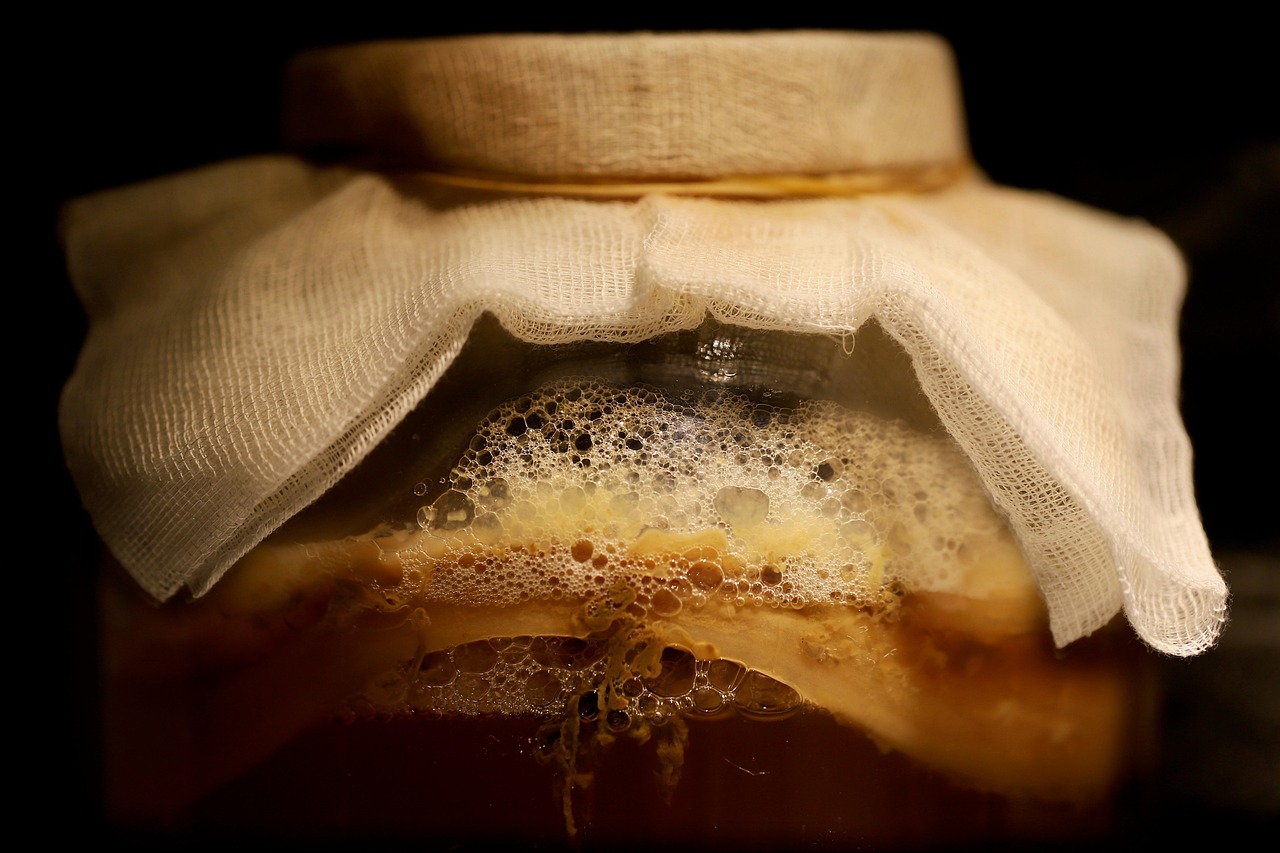
Vegetable fermentation relies on lactic acid bacteria naturally present on plant surfaces. When vegetables are submerged in brine, oxygen is excluded, creating anaerobic conditions perfect for these bacteria to thrive.
As fermentation progresses, the bacteria consume available carbohydrates and produce lactic acid, progressively lowering the pH. This acidification preserves vegetables for months while developing complex, savory flavors known as umami.
The fermentation process also breaks down anti-nutrients like phytic acid and increases vitamin availability, making nutrients more bioavailable than in raw vegetables.
Dairy Fermentation: From Milk to Magnificent
Milk contains lactose, a disaccharide sugar that specific bacteria can ferment. Yogurt cultures containing Lactobacillus bulgaricus and Streptococcus thermophilus convert lactose into lactic acid, which causes milk proteins to coagulate and form yogurt’s characteristic thick texture.
Cheese production involves more complex fermentation processes, often combining bacterial cultures with enzymes and aging periods. Different bacterial strains and aging conditions create the vast diversity of cheeses worldwide.
For lactose-intolerant individuals, fermented dairy products are often more digestible because much of the lactose has been converted to lactic acid during fermentation.
⚡ Energy Production: Why Cells Choose Fermentation
From an energetic perspective, fermentation is significantly less efficient than aerobic respiration. While aerobic respiration can yield approximately 36-38 ATP molecules per glucose molecule, fermentation produces only 2 ATP molecules.
Despite this inefficiency, fermentation offers crucial advantages in specific circumstances. When oxygen is unavailable or scarce, fermentation allows cells to continue producing energy and regenerating NAD+, a critical electron carrier necessary for glycolysis to continue.
Human muscle cells use lactic acid fermentation during intense exercise when oxygen supply can’t meet demand. This temporary solution allows continued exertion, though the lactic acid buildup eventually causes fatigue and the burning sensation associated with strenuous activity.
Microorganisms living in anaerobic environments, such as deep soil, digestive tracts, or oxygen-depleted water, depend entirely on fermentation for survival. These organisms have evolved sophisticated enzymatic machinery optimized for extracting maximum value from limited resources.
🎨 Flavor Development Through Fermentation Chemistry
The magic of fermentation extends far beyond primary metabolic products like ethanol and lactic acid. Secondary metabolites produced during fermentation create the complex flavor profiles that make fermented foods so distinctive and appealing.
Volatile Organic Compounds and Aroma
During fermentation, microorganisms produce hundreds of volatile organic compounds (VOCs) that contribute to aroma and taste. These include esters, aldehydes, ketones, and sulfur compounds, each adding specific aromatic notes.
In beer brewing, yeast-produced esters create fruity flavors ranging from banana to apple, while phenolic compounds contribute spicy or clove-like notes. The specific balance depends on yeast strain, fermentation temperature, and wort composition.
Wine fermentation produces even more complex aromatic profiles, with grape variety, terroir, and fermentation conditions all influencing the final bouquet. Skilled winemakers manipulate these variables to create signature styles and maintain consistency across vintages.
Umami and Savory Depth
Extended fermentation breaks down proteins into amino acids, including glutamate, which provides umami—the savory fifth taste. This is why aged cheeses, soy sauce, miso, and fish sauce deliver such profound savory depth.
The enzymatic breakdown of proteins and fats also releases free fatty acids and peptides that contribute to mouthfeel and lingering flavor sensations. These compounds interact synergistically, creating flavor complexity impossible to replicate through simple ingredient addition.
🏠 Starting Your Fermentation Journey at Home
Beginning your fermentation practice doesn’t require specialized equipment or extensive knowledge. Simple projects can introduce you to fundamental concepts while producing delicious results.
Essential Equipment for Beginners
- Clean glass jars with tight-fitting lids or airlocks
- Non-iodized salt for vegetable fermentation
- pH strips or meter for monitoring acidity
- Thermometer for temperature control
- Clean utensils and work surfaces
- Patience and willingness to experiment
Your First Fermentation Project: Simple Sauerkraut
Sauerkraut represents one of the simplest and most forgiving fermentation projects. You’ll need only cabbage, salt, and time to create this probiotic-rich food.
Shred cabbage finely and massage it with 2% salt by weight until it releases liquid. Pack the mixture tightly into a jar, ensuring the liquid covers the cabbage completely. Weigh down the vegetables to keep them submerged and cover loosely to allow gas escape.
Ferment at room temperature (65-75°F) for 1-4 weeks, tasting periodically until desired flavor develops. The transformation from raw cabbage to tangy sauerkraut provides hands-on experience with lactic acid fermentation.
🔍 Troubleshooting Common Fermentation Issues
Even experienced fermenters encounter occasional problems. Understanding common issues helps you identify and correct problems quickly.
Mold Growth and Surface Films
Surface mold typically indicates oxygen exposure. While small amounts can be skimmed off, extensive mold growth suggests the batch should be discarded. Prevent mold by ensuring complete submersion of fermenting materials beneath liquid.
Kahm yeast, a harmless white film, sometimes appears on fermentation surfaces. Though not dangerous, it can impart off-flavors if left too long. Simply skim it off and ensure your ferment remains properly covered.
Off-Flavors and Unpleasant Odors
Ferments should smell pleasantly sour or yeasty, not putrid or rotten. Foul odors indicate contamination by undesirable bacteria and mean the batch should be discarded for safety.
Temperature fluctuations can cause off-flavors by favoring unwanted microorganisms. Maintain consistent temperatures within recommended ranges for your specific fermentation type.
💡 The Health Benefits of Fermented Foods
Beyond flavor and preservation, fermented foods offer substantial health benefits supported by growing scientific evidence. Regular consumption of fermented foods may support digestive health, immune function, and overall wellness.
Probiotic bacteria in fermented foods help maintain healthy gut microbiota balance, potentially reducing inflammation and supporting digestive regularity. These beneficial organisms may also produce vitamins, enhance nutrient absorption, and strengthen intestinal barrier function.
Research suggests that fermented foods may influence mental health through the gut-brain axis, with some studies indicating potential benefits for mood and cognitive function. While more research is needed, the connection between gut health and mental wellness continues to gain scientific support.
The bioavailability of nutrients often increases through fermentation, as microbial enzymes break down compounds that would otherwise inhibit absorption. This makes minerals like iron, zinc, and calcium more accessible to our bodies.
🌍 Fermentation Across Cultures and History
Fermentation practices appear in virtually every culture worldwide, reflecting humanity’s universal need for food preservation and flavor enhancement before refrigeration existed.
Asian cuisines feature extensive fermentation traditions, from Japanese miso and natto to Korean kimchi and Indonesian tempeh. These foods provide essential nutrients, preservation, and distinctive regional flavors that define culinary identities.
European fermentation traditions include cheese, yogurt, sourdough bread, sauerkraut, and alcoholic beverages. Many traditional preparations developed through generations of observation and refinement, long before anyone understood the microbiology involved.
African fermentation traditions include injera (Ethiopian sourdough flatbread), various fermented porridges, and traditional beverages. These foods often serve nutritional and cultural purposes, marking celebrations and providing sustenance during difficult times.
🚀 Advanced Concepts: Taking Fermentation Further
Once comfortable with basic fermentation, you can explore more complex projects that deepen your understanding and expand your repertoire.
Wild fermentation relies on naturally present microorganisms rather than commercial cultures. This traditional approach produces unique flavors reflecting your local microbial terroir, though results can be less predictable than with cultured starters.
Controlling fermentation temperature precisely allows you to favor specific microorganisms and metabolic pathways, creating distinct flavor profiles. Lager brewing, for example, requires cold fermentation with specific yeast strains to achieve its characteristic clean taste.
Understanding carbohydrate chemistry helps you predict fermentation outcomes. Different sugars ferment at different rates—monosaccharides like glucose ferment quickly, while complex carbohydrates require enzymatic breakdown before fermentation can proceed.
🎯 Embracing the Fermentation Lifestyle
Carbohydrate fermentation represents far more than a scientific curiosity or culinary technique. It connects us to ancestral food practices, supports health and sustainability, and offers endless opportunities for creativity and experimentation.
Starting your fermentation journey requires minimal investment but offers maximum rewards. Each successful batch builds confidence and understanding, while occasional failures provide valuable learning experiences that deepen your knowledge.
The microbial world operates continuously around and within us, and fermentation lets us harness these processes intentionally. By understanding the science behind carbohydrate fermentation, you unlock possibilities that extend from your kitchen to your health, connecting you to traditions spanning millennia while embracing modern scientific understanding.
Whether you’re drawn to fermentation for flavor, health, sustainability, or pure curiosity, the journey offers rewards at every level. Start simple, observe carefully, and don’t fear experimentation. The microorganisms have been perfecting these processes for billions of years—they’re eager to share their expertise with patient, attentive students.