
Living with IBS can feel like navigating a minefield of dietary triggers, unpredictable symptoms, and constant discomfort. Yet many people overlook one of the most fundamental aspects of digestive health: proper hydration and electrolyte balance.

Your digestive system relies on a delicate equilibrium of fluids and minerals to function optimally. When this balance tips in either direction, IBS symptoms can intensify, leaving you frustrated and searching for answers. Understanding how to master hydration and electrolyte tracking offers a powerful tool to soothe your gut and reclaim control over your digestive wellness.
💧 Why Hydration Matters More Than You Think for IBS
Water serves as the foundation for virtually every bodily function, but its role in digestive health deserves special attention. Your intestines need adequate fluid to move waste through your system efficiently, soften stool, and maintain the protective mucus layer that lines your gut.
For people with IBS, hydration becomes even more critical. Dehydration can trigger or worsen constipation-predominant IBS (IBS-C), making bowel movements painful and infrequent. Conversely, those with diarrhea-predominant IBS (IBS-D) lose significant amounts of water and electrolytes during flare-ups, creating a cycle that demands careful replenishment.
Research consistently shows that chronic mild dehydration affects gut motility, the rhythmic contractions that push food through your digestive tract. When you’re not drinking enough water, these contractions can become sluggish or erratic, directly contributing to IBS symptoms like bloating, cramping, and irregular bowel movements.
⚡ The Electrolyte Connection: More Than Just Sports Drinks
While hydration gets plenty of attention, electrolytes often remain misunderstood. These electrically charged minerals—sodium, potassium, magnesium, calcium, chloride, and phosphate—regulate countless processes throughout your body, including nerve signaling, muscle contractions, and fluid balance.
Your digestive system depends on electrolytes to maintain proper muscle function in the intestinal walls. Magnesium, for instance, helps relax the smooth muscles of your gut, potentially easing cramping and promoting regular bowel movements. Sodium and potassium work together to control fluid absorption in your intestines, directly influencing stool consistency.
Common Electrolyte Imbalances in IBS
People with IBS face unique challenges when it comes to maintaining electrolyte balance. During diarrhea episodes, you can lose substantial amounts of sodium and potassium quickly. This depletion leads to fatigue, weakness, muscle cramps, and can paradoxically worsen digestive symptoms.
Magnesium deficiency presents another common issue, as many IBS sufferers avoid certain magnesium-rich foods that might trigger symptoms. Low magnesium levels contribute to constipation, anxiety, and poor sleep quality—all factors that can aggravate IBS.
📊 How to Track Your Hydration Effectively
Generic advice to “drink eight glasses of water daily” fails to account for individual needs, activity levels, climate, and health conditions. Effective hydration tracking requires a more personalized approach tailored to your specific situation.
Start by calculating your baseline hydration needs. A common formula suggests consuming approximately 30-35 milliliters of water per kilogram of body weight daily. For a 70-kilogram person, this translates to roughly 2.1-2.5 liters per day. However, you’ll need to adjust this based on exercise, weather conditions, and IBS symptom patterns.
Signs You’re Properly Hydrated
- Urine appears pale yellow or clear (dark yellow suggests dehydration)
- Regular bowel movements without excessive straining
- Moist lips and mouth throughout the day
- Sustained energy levels without afternoon crashes
- Elastic skin that quickly returns to position when pinched
Practical Hydration Tracking Methods
Technology offers several convenient ways to monitor your water intake. Smartphone apps designed for hydration tracking send reminders throughout the day and allow you to log each glass or bottle you consume. Many of these applications sync with fitness trackers to adjust recommendations based on your activity levels.
For those preferring analog methods, marking a water bottle with time-based goals provides visual accountability. Fill a two-liter bottle each morning and divide it into sections labeled with times: 10 AM, 12 PM, 2 PM, and so forth. This simple technique helps you pace your water consumption evenly throughout the day rather than gulping large amounts sporadically.
🔍 Monitoring Electrolytes: What You Need to Know
Unlike water intake, tracking electrolytes requires more nuanced attention. While you don’t need to obsess over every milligram, developing awareness of your electrolyte consumption helps prevent imbalances that trigger IBS symptoms.
Key Electrolytes and Their Roles
| Electrolyte | Primary Functions | Daily Needs | IBS Considerations |
|---|---|---|---|
| Sodium | Fluid balance, nerve function | 1500-2300 mg | Critical replacement during diarrhea episodes |
| Potassium | Muscle contractions, heart rhythm | 2600-3400 mg | Often depleted with frequent diarrhea |
| Magnesium | Muscle relaxation, bowel regularity | 310-420 mg | Helpful for IBS-C, may worsen IBS-D if excessive |
| Calcium | Muscle function, bone health | 1000-1200 mg | May help reduce diarrhea in some individuals |
Food-Based Electrolyte Sources
Whole foods remain the safest and most effective way to maintain electrolyte balance. Unlike supplements, food provides electrolytes alongside other beneficial nutrients and fiber that support overall digestive health.
For sodium, consider adding a pinch of high-quality sea salt to meals or sipping bone broth, which provides sodium along with gut-healing amino acids. Potassium-rich options include bananas, sweet potatoes, spinach, and avocados—though you’ll want to introduce these gradually to assess tolerance if you’re sensitive to FODMAPs.
Magnesium can be found in pumpkin seeds, almonds, dark chocolate, and leafy greens. If you’re following a low-FODMAP diet, focus on magnesium sources that align with your restrictions, such as spinach, pumpkin seeds, and dark chocolate in appropriate portions.
🍵 Strategic Hydration: When and How to Drink
The timing and method of your hydration matter just as much as the quantity. Gulping large amounts of water in one sitting can overwhelm your digestive system, potentially triggering bloating and discomfort in sensitive individuals.
Adopt a steady sipping approach throughout the day rather than consuming most of your fluids during meals. Drinking excessive amounts with food dilutes digestive enzymes and stomach acid, potentially interfering with optimal digestion and nutrient absorption.
Morning Hydration Ritual
Start your day with 16-20 ounces of water upon waking. After hours of sleep, your body needs rehydration to kickstart digestive processes and promote a morning bowel movement. Consider adding a squeeze of lemon juice and a small pinch of sea salt to create a gentle, natural electrolyte drink.
Pre-Meal and Post-Meal Timing
Aim to finish significant water consumption 20-30 minutes before meals, then resume drinking 30-60 minutes after eating. This timing supports proper digestion while ensuring you meet your daily hydration goals without interfering with digestive enzyme function.
📱 Technology and Apps for Comprehensive Tracking
Modern technology simplifies the challenge of monitoring both hydration and electrolytes. Several applications offer features specifically beneficial for people managing IBS and digestive concerns.
Comprehensive symptom tracking apps allow you to record water intake, electrolyte sources, bowel movements, symptoms, and potential trigger foods all in one place. This holistic approach helps identify patterns between your hydration habits and IBS flare-ups.
Look for apps that offer customizable reminders based on your schedule and allow you to note how you feel after drinking water or consuming electrolyte-rich foods. The ability to export data for review with your healthcare provider adds valuable utility, especially when working to identify personalized patterns.
⚠️ Warning Signs of Imbalance
Recognizing when your hydration or electrolyte levels have shifted out of optimal range empowers you to take corrective action before symptoms worsen. Pay attention to these warning signs that suggest you need to adjust your intake.
Dehydration Red Flags
- Persistent fatigue despite adequate sleep
- Headaches, particularly in the afternoon
- Dark yellow or amber-colored urine
- Dry mouth and increased thirst
- Dizziness when standing quickly
- Worsening constipation or harder stools
Electrolyte Imbalance Indicators
- Muscle cramps or spasms, especially in legs
- Heart palpitations or irregular heartbeat
- Confusion or difficulty concentrating
- Numbness or tingling in extremities
- Nausea unrelated to food triggers
- Unusual weakness or fatigue
If you experience severe symptoms like extreme confusion, fainting, irregular heartbeat, or seizures, seek immediate medical attention. Severe electrolyte imbalances require professional intervention and cannot be safely managed at home.
🥤 Smart Beverage Choices for IBS Management
Not all fluids contribute equally to healthy hydration. Some beverages can actually worsen IBS symptoms despite adding to your overall liquid intake. Understanding which drinks support digestive health and which to limit makes a significant difference in symptom management.
Pure water remains your best choice for consistent hydration. However, herbal teas offer variety while providing additional digestive benefits. Peppermint tea soothes intestinal spasms and reduces bloating. Ginger tea calms nausea and supports overall gut motility. Chamomile provides gentle anti-inflammatory effects and promotes relaxation.
Beverages to Approach Cautiously
Caffeinated drinks like coffee and black tea stimulate gut motility, which can be beneficial for IBS-C but problematic for IBS-D. If you enjoy these beverages, pay careful attention to timing and quantity, perhaps limiting them to morning hours when your digestive system is most resilient.
Carbonated beverages introduce gas into your digestive tract, potentially increasing bloating and discomfort. Artificial sweeteners found in diet sodas and many flavored waters can trigger digestive upset in sensitive individuals. Alcohol acts as a diuretic, promoting fluid loss while irritating the gut lining.
🌟 Creating Your Personalized Hydration Protocol
No single approach works for everyone with IBS. Your optimal hydration and electrolyte strategy depends on your IBS subtype, symptom patterns, lifestyle factors, and individual tolerances. Developing a personalized protocol requires experimentation and careful observation.
Begin with a baseline tracking period of at least two weeks. Record your daily water intake, sources of electrolytes, IBS symptoms, bowel movements, energy levels, and any notable patterns. This data establishes your starting point and helps identify initial correlations.
Adjusting for IBS-D
If diarrhea predominates your symptoms, prioritize electrolyte replacement alongside hydration. During active flare-ups, increase sodium and potassium intake through broths, coconut water, and electrolyte solutions. Be cautious with magnesium supplements, as they can have a laxative effect. Focus on binding foods like bananas and rice while maintaining consistent fluid intake to prevent dehydration.
Optimizing for IBS-C
Constipation-predominant IBS responds particularly well to strategic hydration. Increase your water intake gradually, aiming for the higher end of recommended amounts. Consider supplementing with magnesium citrate or oxide, which draws water into the intestines and promotes bowel movements. Combine adequate hydration with fiber increases for optimal results, always introducing changes slowly to avoid gas and bloating.
🔄 Integrating Tracking into Daily Life
The most sophisticated tracking system fails if you can’t maintain it consistently. Success requires integrating hydration and electrolyte monitoring seamlessly into your existing routines rather than treating it as a burdensome addition.
Link hydration habits to established behaviors through habit stacking. Drink a full glass of water immediately after brushing your teeth. Keep a water bottle at your desk and take three sips every time you check your phone. Consume an electrolyte-rich food as part of your standard breakfast routine.
Prepare for situations that challenge your tracking efforts. When traveling, pack electrolyte packets and research water availability at your destination. Before intense exercise, pre-hydrate and plan for replacement fluids. During stressful periods that might trigger IBS symptoms, increase your tracking vigilance rather than abandoning it.
🎯 Measuring Success Beyond the Scale
While tracking numbers provides valuable data, true success shows up in improved quality of life. Notice changes in your energy levels, sleep quality, and overall sense of wellbeing alongside digestive symptoms.
Keep perspective on improvement timelines. Hydration changes can affect bowel regularity within days, but establishing new habits and seeing consistent symptom reduction often requires several weeks. Electrolyte rebalancing may take longer, particularly if you’re addressing chronic deficiencies.
Celebrate small victories: a week without bloating, increased energy during afternoon hours, or more predictable bowel movements. These incremental improvements accumulate into meaningful quality of life enhancements.
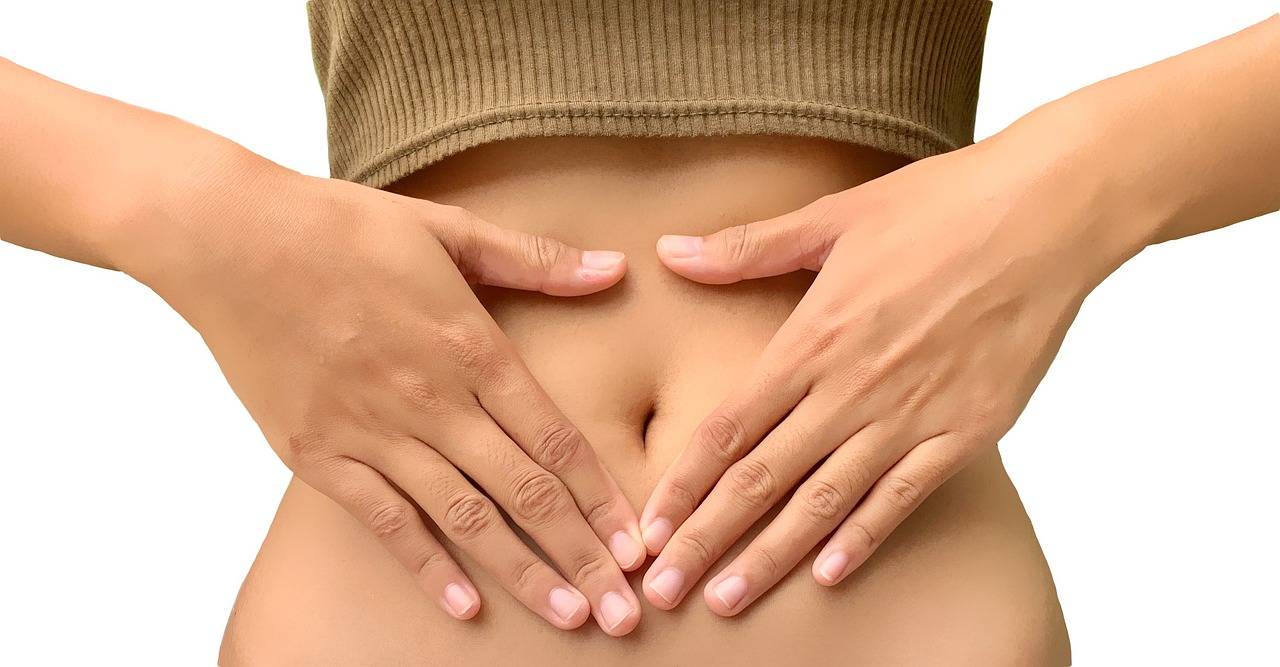
💪 Empowering Your Digestive Health Journey
Mastering hydration and electrolyte tracking represents a powerful, accessible tool in your IBS management toolkit. Unlike many interventions that require significant financial investment or dramatic lifestyle overhauls, optimizing your fluid and mineral balance offers relatively simple changes with potentially profound impacts.
Your digestive system operates within complex interconnected systems throughout your body. Proper hydration and electrolyte balance support not just gut function but also mental clarity, physical energy, immune function, and overall resilience. By addressing these fundamental needs, you create a stronger foundation for managing IBS symptoms and supporting long-term digestive wellness.
Remember that you’re not aiming for perfection but rather consistent progress. Some days you’ll forget to track or fall short of your hydration goals. What matters is returning to your beneficial habits without judgment, learning from patterns over time, and adjusting your approach based on what your body tells you. With patience, attention, and the right tracking strategies, you can achieve better balance, soothe IBS symptoms, and reclaim confidence in your digestive health.