Transitioning back to a regular diet after a period of restriction requires careful planning and mindful choices. A well-organized grocery list becomes your best ally during the reintroduction phase, ensuring you have the right foods to support your digestive system while preventing overwhelm.

Whether you’re recovering from an elimination diet, medical procedure, or digestive reset, the reintroduction phase demands strategic food selection. This comprehensive guide will help you navigate grocery shopping with confidence, making choices that promote healing, reduce inflammation, and simplify your transition back to eating a broader range of foods.
Understanding the Reintroduction Phase and Why Your Grocery List Matters 🛒
The reintroduction phase represents a critical window where your body relearns how to process various foods. During this time, your grocery selections directly impact your success rate and overall comfort level. A smart shopping strategy eliminates guesswork and reduces the temptation to rush the process.
Many people underestimate how a well-planned grocery list can prevent decision fatigue. When you’re standing in the supermarket aisle feeling overwhelmed, having a predetermined list keeps you focused on foods that align with your reintroduction timeline. This preparation also helps you avoid impulse purchases that might derail your progress.
Your grocery list should evolve as you progress through different reintroduction stages. What works during week one might expand significantly by week four. Building flexibility into your shopping routine while maintaining structure creates the perfect balance for successful food reintroduction.
Essential Proteins for Gentle Reintroduction 🥚
Protein sources form the foundation of any reintroduction grocery list. Starting with easily digestible options ensures your body receives necessary nutrients without overwhelming your digestive system. Focus on quality over quantity during these initial stages.
Animal-Based Protein Choices
Begin with well-cooked white fish such as cod, halibut, or tilapia. These mild-flavored options provide complete proteins with minimal fat content, making them ideal first choices. Poached chicken breast and turkey represent excellent next steps, offering familiar flavors with gentle digestibility.
Eggs deserve special attention on your grocery list. They’re versatile, affordable, and packed with bioavailable nutrients. Start with soft-boiled or scrambled preparations before moving to harder-cooked versions. Organic or pasture-raised eggs often contain higher omega-3 fatty acids, supporting anti-inflammatory processes.
Ground meats like lean beef or turkey work well once you’ve successfully reintroduced simpler proteins. Their texture allows for easy digestion while providing important minerals like iron and zinc. Always choose grass-fed or organic options when possible to minimize exposure to hormones and antibiotics.
Plant-Based Protein Options
For those incorporating plant proteins, tofu stands out as a gentle option. Its soft texture and neutral flavor make it accessible during reintroduction. Tempeh follows as a next-step choice, offering additional fiber and fermented benefits that support gut health.
Legumes require careful timing in your reintroduction plan. Start your grocery list with well-cooked lentils, particularly red varieties that break down easily. Canned chickpeas and white beans follow, ensuring you rinse them thoroughly to reduce potential digestive discomfort.
Carbohydrate Sources That Support Digestive Recovery 🍚
Selecting appropriate carbohydrates during reintroduction helps stabilize energy levels while providing necessary fuel. Your grocery list should emphasize easily digestible options before progressing to more complex carbohydrate sources.
Simple Starches for Early Stages
White rice remains a staple reintroduction food across multiple dietary protocols. Its low fiber content and bland nature make it universally tolerable. Stock both short-grain and long-grain varieties for different meal applications. Jasmine and basmati rice offer pleasant aromas without added complexity.
Plain oatmeal serves dual purposes: providing soluble fiber that supports gut healing while offering satisfying texture. Start with well-cooked, smooth oatmeal before introducing steel-cut varieties. Avoid instant packets with added sugars and artificial flavors during early reintroduction.
Sweet potatoes and white potatoes both deserve spots on your list. Their nutrient density combined with natural digestibility makes them valuable additions. Remove skins initially, then reintroduce them as your tolerance improves. These versatile vegetables work in both savory and slightly sweet preparations.
Transitioning to Complex Carbohydrates
As your reintroduction progresses, gradually add quinoa to your shopping list. This pseudograin provides complete protein alongside complex carbohydrates. Rinse thoroughly before cooking to remove bitter-tasting saponins that can irritate sensitive digestive systems.
Sourdough bread represents an excellent choice for reintroducing wheat. The fermentation process breaks down some gluten and phytic acid, improving digestibility. Look for true sourdough made with just flour, water, and salt—avoiding commercial versions with added yeast and preservatives.
Vegetables: Building Your Tolerance Gradually 🥒
Vegetable selection during reintroduction requires thoughtful progression from low-fiber to higher-fiber options. Your grocery list should reflect this gradual increase while providing variety and essential nutrients.
Low-FODMAP and Easily Digestible Vegetables
Zucchini, carrots, and cucumbers lead the way as gentle reintroduction vegetables. Their high water content and mild flavors suit sensitive digestive systems. Purchase organic when possible, especially for thin-skinned varieties that absorb more pesticides.
Leafy greens like spinach and lettuce can enter your rotation once you’ve established tolerance for cooked vegetables. Start with cooked spinach before introducing raw salad greens. Baby spinach offers tender texture compared to mature leaves.
Bell peppers, particularly red and yellow varieties, provide vitamin C without excessive fiber when cooked thoroughly. Remove skins by roasting if you notice digestive sensitivity. Green peppers contain slightly different compounds and might require later reintroduction.
Progressive Vegetable Additions
Cruciferous vegetables like broccoli and cauliflower deserve careful timing. Their sulfur compounds and fiber content can challenge healing digestive systems. Start with well-cooked small portions, gradually increasing quantity as tolerance builds. Steaming breaks down tough fibers more effectively than raw preparations.
Nightshade vegetables including tomatoes and eggplant often get reintroduced later in the process. Some protocols recommend avoiding them entirely during initial stages due to their alkaloid content. Add them individually, monitoring for any inflammatory responses or digestive discomfort.
Healthy Fats for Nutrient Absorption and Satisfaction 🥑
Including appropriate fats on your grocery list ensures proper nutrient absorption and promotes satiety. The right fat sources also support hormone production and reduce inflammation during the healing process.
Extra virgin olive oil stands as a cornerstone healthy fat. Its anti-inflammatory properties and mild flavor make it suitable for cooking and dressings. Choose cold-pressed varieties in dark bottles to preserve beneficial compounds.
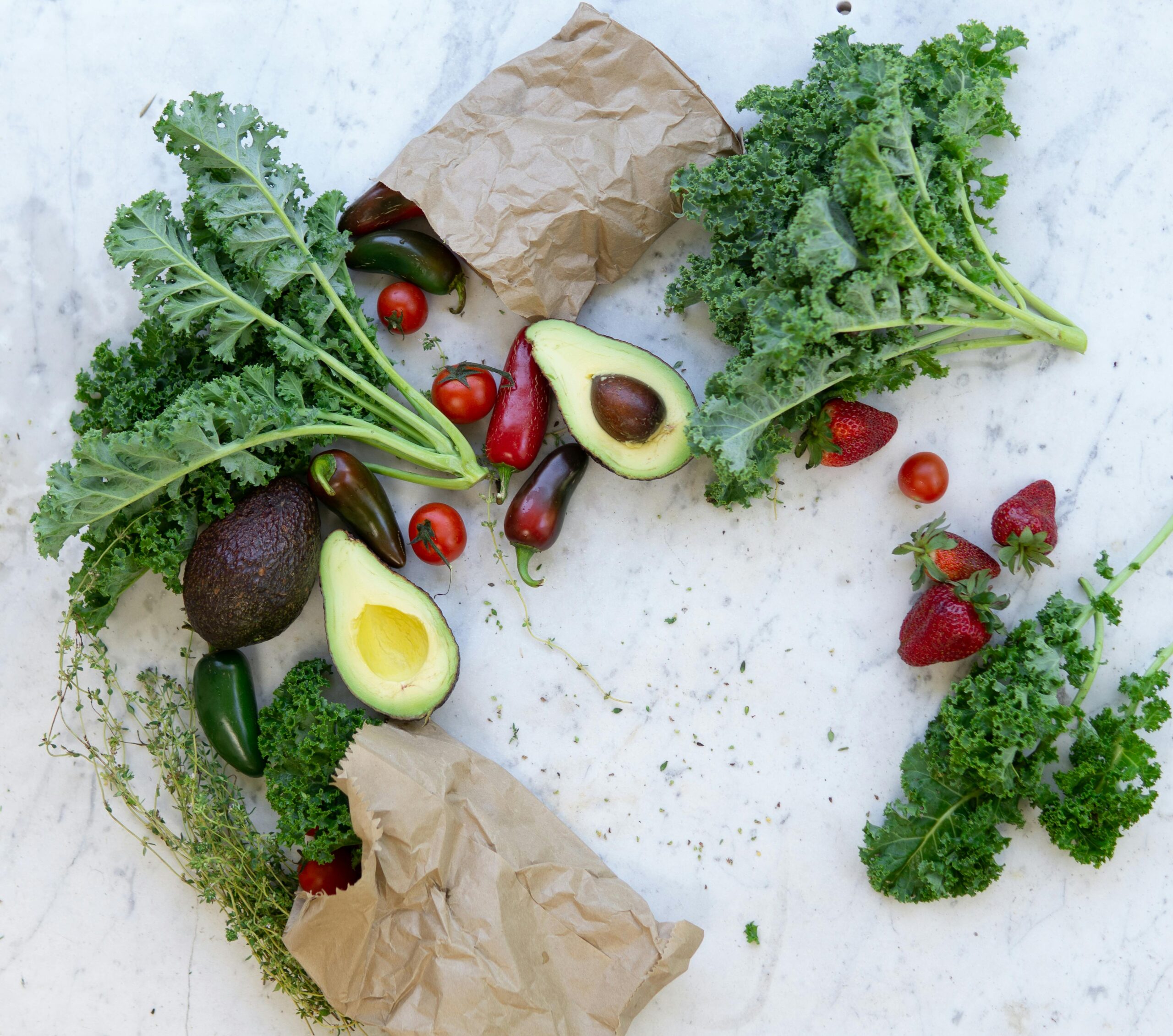
Avocados provide creamy texture alongside heart-healthy monounsaturated fats. Their smooth consistency makes them easy to digest, while their potassium content supports electrolyte balance. Select firm avocados and ripen them at home for best quality.
Coconut oil offers medium-chain triglycerides that digest differently than other fats. Some people find it supportive during reintroduction, though others may need to wait before introducing it. Start with small amounts if you choose to include it.
Nut butters require individual assessment. Almond butter and sunflower seed butter typically reintroduce easier than peanut butter. Look for single-ingredient varieties without added oils or sugars. Store them refrigerated after opening to prevent rancidity.
Dairy and Alternatives: Navigating Your Options 🥛
Dairy reintroduction varies significantly between individuals. Your grocery list might include dairy products, plant-based alternatives, or both, depending on your specific protocol and tolerance levels.
If Reintroducing Dairy Products
Lactose-free milk and hard cheeses often reintroduce more successfully than regular milk. The aging process in hard cheeses reduces lactose content significantly. Aged cheddar, Swiss, and Parmesan typically cause fewer issues than fresh cheeses.
Greek yogurt and kefir provide probiotics that support gut health while offering easier digestibility than regular yogurt. The straining process removes much of the lactose. Choose plain, unsweetened varieties and add your own fruit or honey as tolerated.
Grass-fed butter or ghee deserves consideration for those sensitive to dairy proteins. Ghee has casein and whey removed, making it suitable even for many people with dairy intolerance. Its rich flavor enhances vegetables and starches without overwhelming dishes.
Plant-Based Milk Alternatives
Oat milk has gained popularity due to its creamy texture and mild taste. Check labels carefully, as many brands add oils, sugars, and stabilizers. Some people find homemade versions easier to tolerate during reintroduction phases.
Coconut milk from cans provides rich, satisfying texture for cooking. The full-fat versions work well in curries and soups. Refrigerated coconut milk beverages contain less fat and work better for drinking or adding to smoothies.
Rice milk and almond milk offer lighter alternatives with distinct flavor profiles. Rice milk’s naturally sweet taste makes it popular for those avoiding nuts, while almond milk provides more protein and healthy fats.
Fruits: Sweet Nutrition During Transition 🍌
Fruit selection during reintroduction balances natural sugars, fiber content, and individual tolerance. Your grocery list should start with easily digestible options before expanding to higher-fiber choices.
Bananas lead as an ideal reintroduction fruit. Their soft texture, low acidity, and prebiotic fiber support digestive health. Choose ripe bananas with brown spots for maximum digestibility and sweetness. They’re also excellent for binding in baked goods if eggs aren’t yet reintroduced.
Berries pack antioxidants into small packages. Blueberries and strawberries typically reintroduce well, while raspberries and blackberries contain more seeds that might challenge sensitive systems. Start with small portions and monitor your body’s response.
Melons provide hydration alongside natural sweetness. Their high water content makes them gentle on digestion. Cantaloupe and honeydew work well during earlier stages, while watermelon’s larger seed content might require later introduction.
Stone fruits like peaches and apricots offer variety once you’ve established good fruit tolerance. Their skins contain more fiber, so consider peeling them initially. Canned versions in their own juice can work during travel or off-season periods.
Pantry Staples and Seasonings for Flavorful Meals 🧂
Building flavor during reintroduction doesn’t require complicated ingredients. Your grocery list should include simple seasonings that enhance food without irritating healing digestive systems.
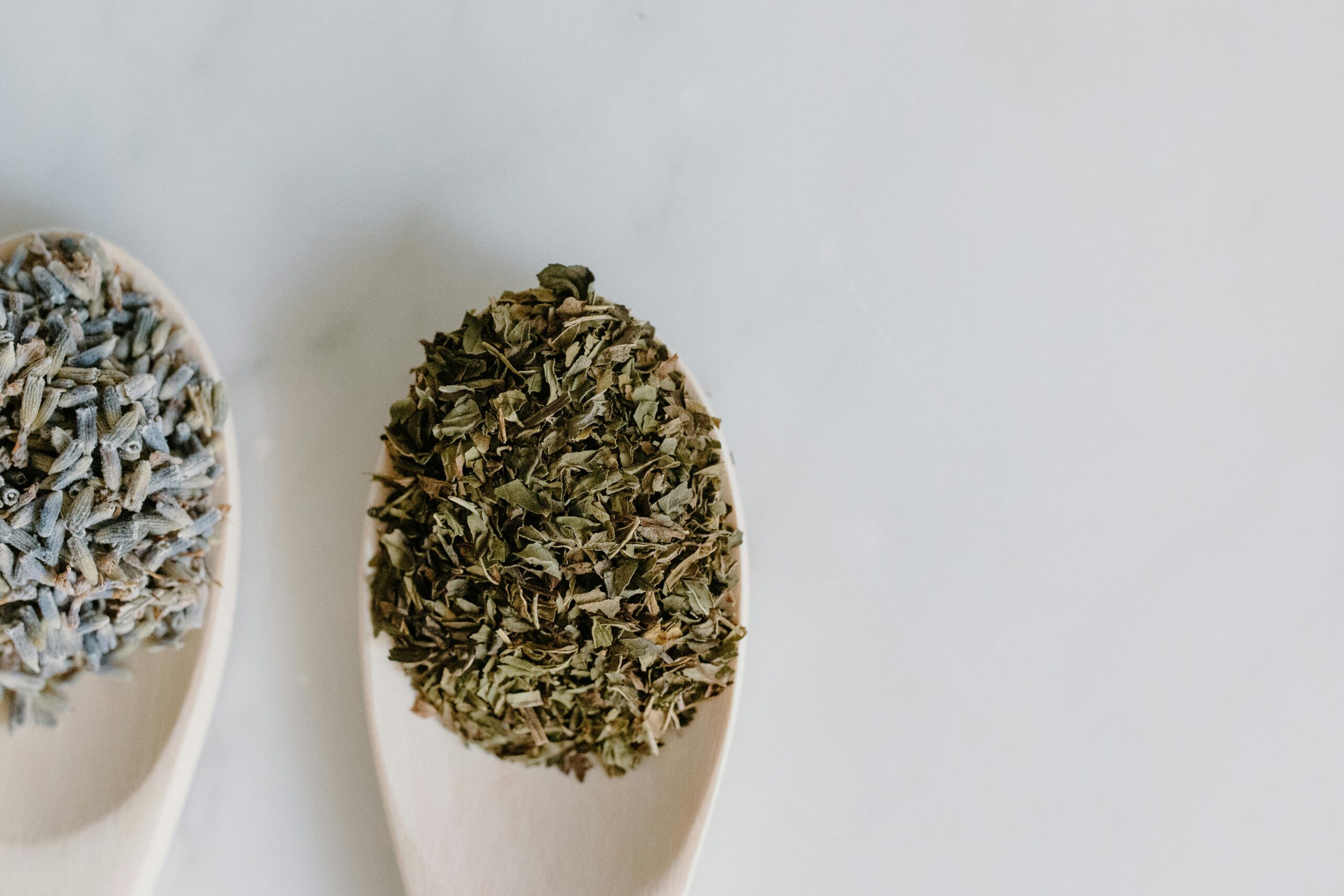
Sea salt and fresh herbs provide the foundation for delicious meals. Basil, parsley, and cilantro offer bright flavors without heat or intensity. Dried herbs work well too—stock oregano, thyme, and rosemary for versatile seasoning options.
Ginger and turmeric bring anti-inflammatory properties alongside distinctive tastes. Fresh ginger root can be grated into teas or stir-fries, while ground turmeric adds color and nutrition to rice dishes and soups. Both support digestive health during transition periods.
Bone broth or vegetable broth deserves regular inclusion on your shopping list. These nourishing liquids add depth to grains, serve as soup bases, and provide minerals that support healing. Choose low-sodium versions to control seasoning yourself.
Honey and maple syrup offer natural sweetness for those who’ve successfully reintroduced these items. Both provide trace minerals alongside sugars. Use sparingly, focusing on whole food sweetness from fruits when possible.
Smart Shopping Strategies for Reintroduction Success 💡
Beyond listing specific foods, developing effective shopping habits supports your reintroduction journey. These strategies help you shop efficiently while staying aligned with your dietary goals.
Shop the perimeter of grocery stores where fresh foods typically live. This simple technique naturally guides you toward whole foods while avoiding processed center aisles. Make strategic trips into middle sections only for specific pantry items on your list.
Batch shopping saves time and reduces temptation. Plan for three to four days of meals, buying exactly what you need. This approach prevents food waste while ensuring ingredients stay fresh. Frozen vegetables and proteins extend flexibility without compromising quality.
Read labels meticulously, even on seemingly simple products. Hidden ingredients like modified food starch, natural flavors, and various gums can trigger reactions in sensitive individuals. The fewer ingredients listed, the better during reintroduction phases.
Consider online grocery ordering for challenging reintroduction periods. This method eliminates visual temptations and allows careful label reading from home. Many services now include organic and specialty items that support therapeutic diets.
Organizing Your Kitchen for Reintroduction Efficiency 🏠
Once you’ve shopped smartly, kitchen organization amplifies your success. Proper food storage and meal prep systems reduce stress and support consistent healthy eating during the reintroduction phase.
Designate clear containers for different food categories. Label them with reintroduction dates or categories to track which foods you’ve successfully added. This visual system helps prevent accidental consumption of foods you haven’t yet tested.
Prep vegetables immediately after shopping. Wash, chop, and store them in transparent containers at eye level in your refrigerator. This preparation makes healthy choices convenient when hunger strikes or cooking time is limited.
Cook proteins in batches for quick meal assembly. Baked chicken breast, hard-boiled eggs, and cooked ground meat store well for three to four days. These ready-to-eat proteins prevent last-minute poor decisions when you’re tired or rushed.
Freeze portions of successfully reintroduced meals. Label containers with ingredients and dates for easy reference. This strategy builds a library of safe meals for busy days or when you’re not feeling well enough to cook.
Tracking Progress and Adjusting Your Grocery Strategy 📝
Your grocery list should evolve as you learn what works for your unique body. Maintaining simple records helps identify patterns and informs future shopping decisions.
Keep a food and symptom journal alongside your grocery receipts. Note which foods triggered reactions and which you tolerated well. Over time, these records reveal personalized patterns that generic lists can’t capture.
Photograph your meals and grocery hauls for visual reference. These images provide quick reminders of successful combinations and portions that worked well. They’re particularly helpful when planning future shopping trips or explaining your needs to family members.
Review your grocery lists monthly to identify trends. Are you consistently avoiding certain foods? Are there items you bought but never used? These insights help refine future lists, reducing waste while improving your reintroduction experience.
Celebrate successful additions to your diet by intentionally expanding your grocery variety. When you confidently tolerate a food group, explore different varieties within it. This approach maintains momentum and prevents boredom during what can be a lengthy process.

Moving Forward With Confidence and Compassion 🌟
The reintroduction phase challenges even the most dedicated individuals. Your grocery list represents more than food items—it’s a roadmap guiding you toward dietary freedom and improved wellness. Every shopping trip reinforces your commitment to healing and self-care.
Remember that reintroduction timelines vary significantly between people. What takes someone three weeks might require three months for another person. Your grocery list should reflect your unique journey rather than arbitrary timelines or someone else’s experience.
Be patient with setbacks and reactions. They provide valuable information rather than representing failure. Adjust your grocery list accordingly, perhaps returning to simpler foods temporarily before trying again. This flexibility demonstrates wisdom rather than weakness.
Build a support system that understands your dietary needs. Share your grocery list with family members or roommates who shop for household items. Their awareness prevents well-meaning but unhelpful food purchases that create temptation or confusion.
As you progress through reintroduction, your grocery list will naturally expand and diversify. Those initial weeks of limited options gradually transform into abundant choices that support your health without compromising your comfort. Trust the process, honor your body’s signals, and shop with intention. Your careful attention to food selection during this critical phase establishes habits and knowledge that will serve you long after the reintroduction period ends, creating a foundation for sustained wellness and enjoyment of eating.