Living with IBS doesn’t mean sacrificing flavor or variety in your diet. The right plant-based groceries can transform your digestive health while delivering delicious, satisfying meals that nourish your gut microbiome.

Navigating the grocery store aisles with irritable bowel syndrome can feel overwhelming, especially when trying to maintain a plant-based lifestyle. Understanding which foods support your digestive system while avoiding common triggers is essential for managing symptoms and enjoying your meals. This comprehensive guide will walk you through the best plant-based options that combine gut-friendly benefits with incredible taste, making your shopping trips more strategic and your meal planning more effective.
🌱 Understanding the IBS-Plant-Based Connection
The relationship between plant-based eating and IBS management is more nuanced than many realize. While plant foods offer incredible benefits like fiber, antioxidants, and anti-inflammatory compounds, not all plants are created equal when it comes to digestive sensitivity. The key lies in selecting low-FODMAP options and gradually introducing fiber-rich foods that your gut can tolerate.
FODMAPs are fermentable carbohydrates that can trigger IBS symptoms in sensitive individuals. However, many plant-based foods fall into the low-FODMAP category, making them excellent choices for building a gut-friendly diet. Understanding this distinction empowers you to fill your cart with confidence, knowing you’re choosing foods that work with your body rather than against it.
Your Essential Low-FODMAP Protein Powerhouses
Protein forms the foundation of any balanced diet, and plant-based IBS-friendly options are more abundant than you might think. Tempeh stands out as an exceptional choice because the fermentation process reduces FODMAP content while enhancing digestibility. Look for plain, unflavored varieties to avoid hidden triggers like garlic or onion powder.
Firm tofu is another reliable protein source that most IBS sufferers tolerate well. The firmer the tofu, the lower the FODMAP content, making extra-firm varieties your best bet. It absorbs flavors beautifully and provides a satisfying texture that works in everything from scrambles to stir-fries.
Canned lentils, when thoroughly rinsed and consumed in controlled portions (up to ¼ cup), can be gentler on the gut than dried varieties. The canning process partially breaks down some of the complex carbohydrates that cause digestive distress. Hemp seeds and chia seeds in moderation offer complete protein profiles without the FODMAP concerns associated with larger beans and legumes.
Smart Protein Shopping Tips 🛒
- Choose organic tofu when possible to avoid GMO soy and potential digestive irritants
- Read labels carefully on meat alternatives, as many contain high-FODMAP ingredients like wheat gluten or inulin
- Stock up on peanut butter without added sugars or oils—it’s a satisfying, low-FODMAP protein source
- Consider sprouted tofu for enhanced digestibility and nutrient absorption
- Keep portions of nuts and seeds to small amounts (roughly 10-15 nuts or 1-2 tablespoons of seeds)
Grains and Starches That Love Your Gut Back
Contrary to popular belief, many grains work beautifully for IBS management when chosen wisely. White and brown rice are generally well-tolerated, with white rice being the gentler option during flare-ups. Quinoa, despite being a complete protein, should be introduced gradually and in smaller portions as it contains moderate FODMAP levels.
Gluten-free oats are a breakfast staple that most people with IBS can enjoy, provided you choose certified gluten-free varieties to avoid cross-contamination. Oats provide soluble fiber that can actually help regulate bowel movements and feed beneficial gut bacteria. Start with smaller portions and gradually increase as your tolerance builds.
Rice cakes, rice crackers, and rice-based pasta offer versatile alternatives to wheat-based products. Sourdough spelt bread, thanks to its fermentation process, may be tolerable for some individuals, though this varies significantly. Always introduce new grains one at a time to monitor your body’s response.
Vegetable Victory: Picking Produce That Performs 🥬
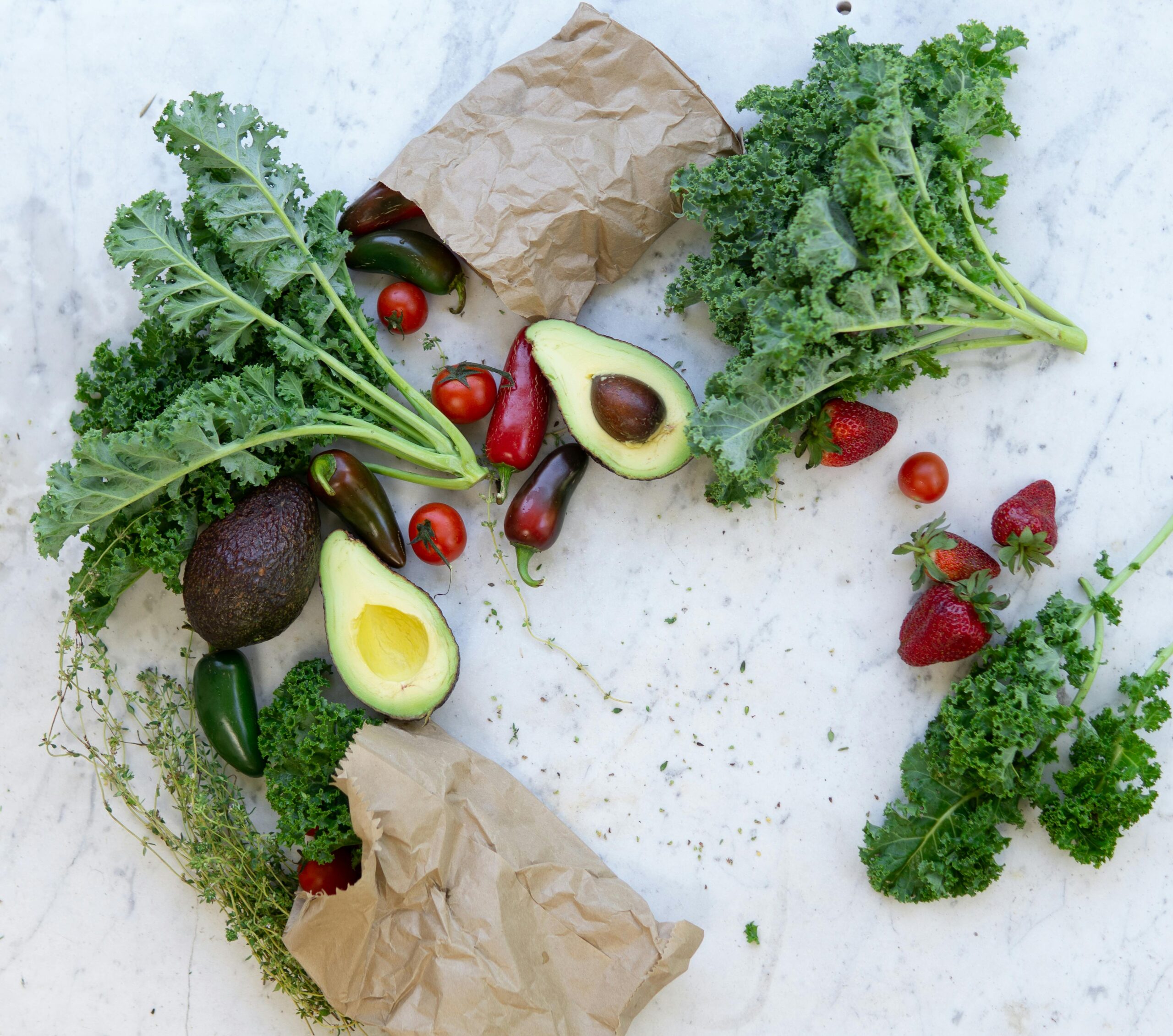
Vegetables form the colorful cornerstone of plant-based eating, but selection matters immensely for IBS management. Leafy greens like spinach, lettuce, and Swiss chard are generally low-FODMAP and packed with nutrients. Carrots, zucchini, and bell peppers (in moderate amounts) offer fiber and antioxidants without overwhelming sensitive digestive systems.
Eggplant, cucumber, and green beans provide satisfying texture and volume to meals while remaining gentle on the gut. Tomatoes, particularly when peeled and deseeded, work well for most people. Fresh herbs like basil, cilantro, and parsley add vibrant flavor without FODMAP concerns, replacing the need for garlic and onion in many recipes.
Vegetables to Approach Strategically
Some vegetables require more careful consideration. While cruciferous vegetables like broccoli and cauliflower offer incredible health benefits, they can trigger symptoms in larger portions. The solution isn’t complete avoidance but rather smart portioning—small amounts may be perfectly tolerable, especially when cooked thoroughly to break down tough fibers.
Root vegetables like sweet potatoes, regular potatoes, and parsnips are generally well-tolerated and provide satisfying substance to meals. Just watch portion sizes and avoid varieties with higher FODMAP content like butternut squash in large servings. Canned vegetables, particularly when the liquid is drained and vegetables are rinsed, can be more gut-friendly than fresh for some individuals.
Fruit Selection for Sweet Success Without Symptoms 🍓
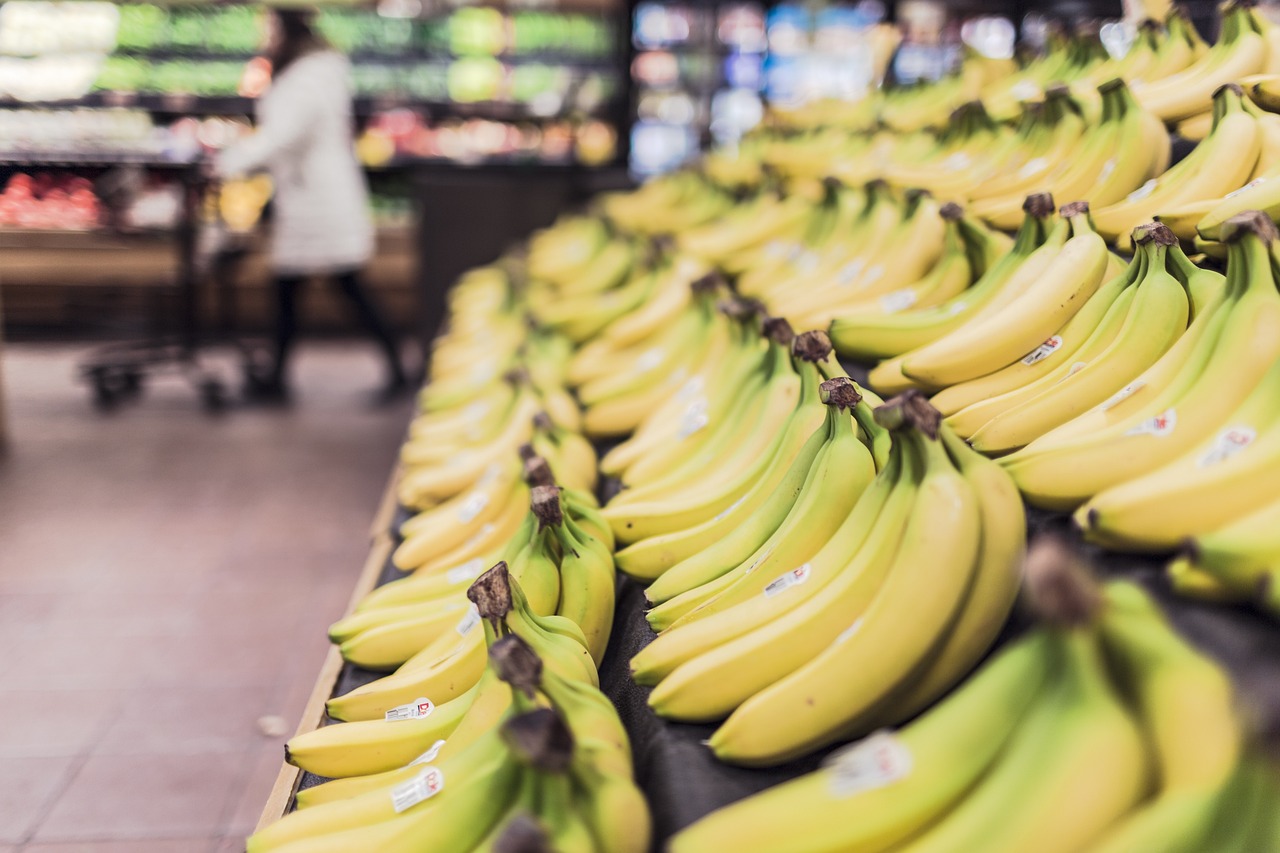
Fruits bring natural sweetness and essential nutrients to your plant-based diet, but choosing the right ones makes all the difference. Berries—strawberries, blueberries, and raspberries in controlled portions—offer antioxidants and fiber without excessive FODMAP load. Bananas (not overripe), oranges, grapes, and kiwifruit (in moderation) typically work well for most IBS sufferers.
Cantaloupe and honeydew melon provide hydration and sweetness, though portion control remains important. Pineapple and papaya contain natural digestive enzymes that may actually support gut health. Avoid stone fruits like peaches, plums, and cherries during sensitive periods, as they contain higher FODMAP levels that can trigger symptoms.
Dried fruits should be approached with caution due to concentrated sugars and FODMAPs, but small amounts of certain varieties like dried cranberries or banana chips might be tolerable. Always prioritize fresh or frozen fruits over dried when possible, and introduce new fruits one at a time to gauge individual tolerance.
Dairy Alternatives That Deliver Without Distress 🥛
The plant-based milk revolution offers fantastic options for IBS management. Almond milk in small quantities, rice milk, and coconut milk (from a carton, not canned) are generally low-FODMAP choices. Oat milk has gained popularity, but check labels carefully as some brands add high-FODMAP ingredients.
Lactose-free regular milk isn’t plant-based but worth mentioning as it’s often better tolerated than other dairy alternatives for those who can consume animal products. For strict plant-based eaters, fortified rice milk provides calcium and vitamins without digestive triggers.
When it comes to yogurt alternatives, coconut yogurt made without added inulin or high-FODMAP ingredients can work well. Probiotic-rich options may actually support gut health by introducing beneficial bacteria. Always check labels for sneaky additions like chicory root, inulin, or high-FODMAP fruit juices.
Pantry Staples That Support Digestive Wellness 🏺
Building a gut-friendly pantry means selecting condiments, oils, and flavor enhancers that add excitement without triggering symptoms. Extra virgin olive oil, coconut oil, and sesame oil provide healthy fats and cooking versatility. Maple syrup and small amounts of dark chocolate (70% or higher cocoa content) can satisfy sweet cravings without FODMAP overload.
Garlic-infused oil offers the flavor of garlic without the FODMAP content, as FODMAPs aren’t fat-soluble. This clever workaround lets you enjoy one of cooking’s most beloved flavors safely. Similarly, you can create onion-infused oils at home for that savory depth.
Stock your pantry with low-FODMAP condiments like mustard, most vinegars, soy sauce or tamari (in small amounts), and homemade or carefully selected store-bought stocks. Herbs and spices like ginger, turmeric, cumin, and paprika add anti-inflammatory benefits alongside flavor without digestive compromise.
Pantry Items Worth Stocking
- Canned coconut cream for creamy sauces and desserts
- Nutritional yeast for cheesy flavor and B-vitamin boost
- Low-FODMAP vegetable broth for soups and cooking grains
- Rice flour and oat flour for baking projects
- Maple syrup and small amounts of table sugar for sweetening
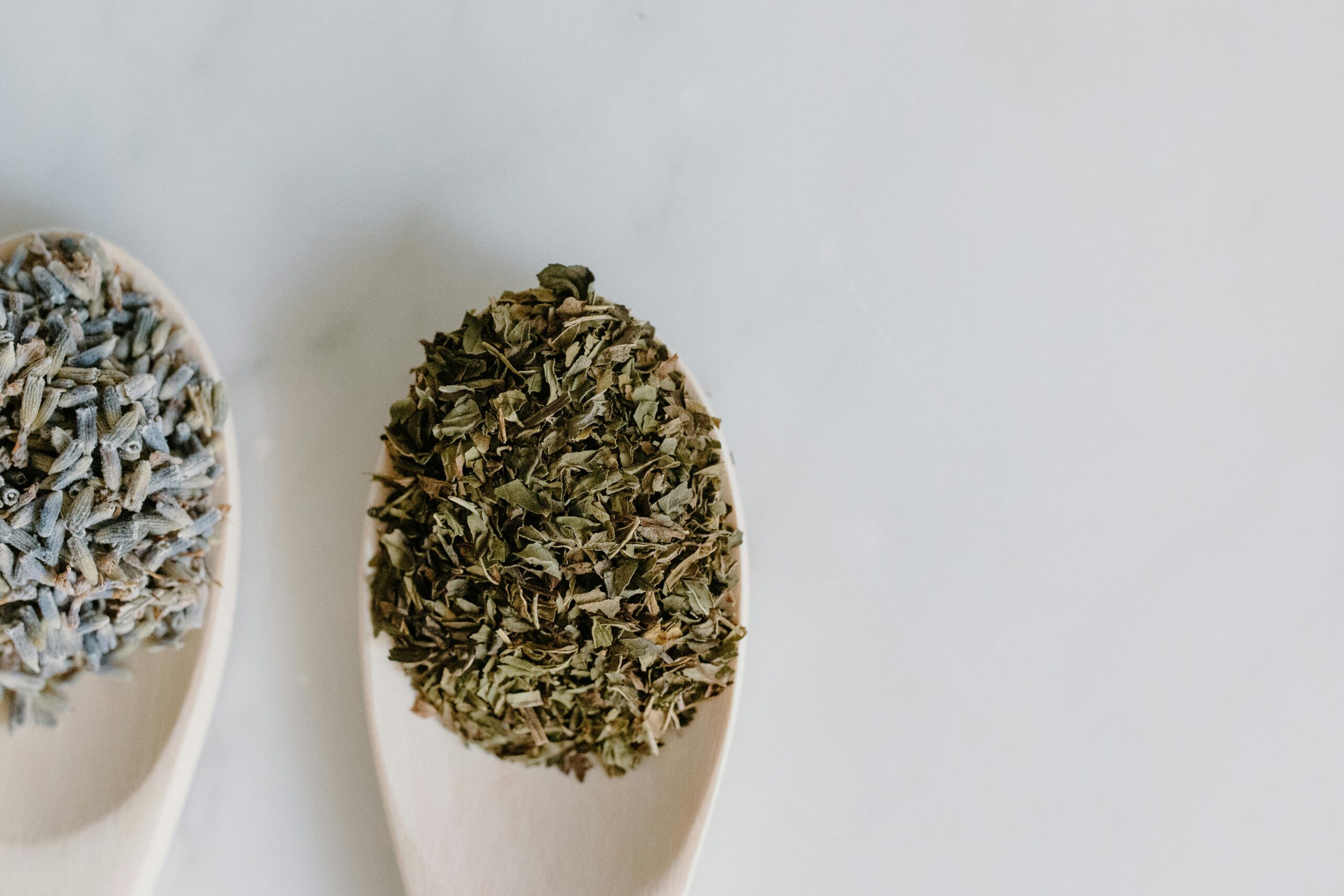
- Herbal teas like peppermint, ginger, and chamomile for digestive support
Reading Labels Like a Gut Health Detective 🔍
Becoming an expert label reader is perhaps the most valuable skill for IBS-friendly grocery shopping. Many seemingly innocent products contain hidden triggers like high-fructose corn syrup, inulin, chicory root, garlic powder, or onion powder. These ingredients appear in unexpected places, from veggie burgers to salad dressings.
Look for products with short, recognizable ingredient lists. The fewer the ingredients, the less likely you’ll encounter problematic additives. Be particularly cautious with sugar alcohols ending in “-ol” (sorbitol, mannitol, xylitol), as these are common IBS triggers found in “sugar-free” products.
Terms like “natural flavors” can hide FODMAP ingredients, so when possible, contact manufacturers to inquire about specifics. Many companies now recognize IBS and FODMAP awareness, making them more transparent about ingredients. Some brands even certify their products as low-FODMAP through Monash University or FODMAP Friendly.
Strategic Shopping for Symptom-Free Success 💡
Planning your shopping trips strategically reduces stress and ensures you come home with gut-friendly options. Shop the perimeter of the store first, where fresh, whole foods typically reside. This approach naturally steers you toward IBS-friendly choices and away from processed center aisles filled with potential triggers.
Consider shopping when stores are less crowded to give yourself time to read labels without feeling rushed. Bring a list organized by store section to streamline your trip and prevent impulse purchases that might not align with your digestive needs. Many people find that ordering groceries online allows for more careful label reading and reduces temptation.
Batch shopping for staples means you always have safe ingredients on hand when hunger strikes. Stock up on frozen vegetables, canned goods, and shelf-stable items that won’t spoil quickly. This preparation prevents desperate moments when you might be tempted to eat something that doesn’t serve your gut health.
Building Balanced, Gut-Loving Meals 🍽️
Understanding individual ingredients is only part of the equation—combining them into balanced, satisfying meals completes the picture. Each meal should ideally contain a protein source, complex carbohydrate, healthy fat, and plenty of vegetables. This combination provides sustained energy, supports satiety, and delivers diverse nutrients your gut needs to thrive.
A sample gut-friendly plant-based meal might include firm tofu stir-fried in garlic-infused oil with bok choy, carrots, and bell peppers, served over white rice with a side of strawberries. Another option could be a quinoa bowl (small portion) with roasted zucchini, spinach, and tempeh, drizzled with tahini dressing made from sesame seeds, lemon juice, and maple syrup.
Meal prepping with IBS-friendly ingredients saves time and ensures you always have safe options available. Cook grains and proteins in batches, chop vegetables for easy assembly, and portion out snacks like rice crackers with peanut butter or a small handful of walnuts with grapes.
Snacks That Satisfy Without Sabotage 🥜
Smart snacking prevents energy crashes and keeps your digestive system on an even keel. Rice cakes topped with peanut butter and sliced banana create a satisfying combination of carbs, protein, and natural sweetness. A small portion of lactose-free yogurt alternative with blueberries and a sprinkle of chia seeds offers probiotics, antioxidants, and omega-3 fatty acids.
Homemade trail mix with low-FODMAP ingredients like peanuts, pumpkin seeds, dried coconut flakes, and a few dark chocolate chips provides portable energy. Sliced cucumber with a tahini-lemon dip delivers refreshing crunch and healthy fats. Baby carrots with a small portion of hummus (made from canned, rinsed chickpeas) can work for some individuals in controlled amounts.
Seasonal Shopping for Variety and Value 🌿
Aligning your plant-based IBS grocery shopping with seasonal availability often means better prices, superior flavor, and peak nutritional content. Summer brings an abundance of zucchini, tomatoes, and berries—all gut-friendly choices. Fall offers squashes (in moderation), carrots, and greens. Winter provides citrus fruits and hearty root vegetables, while spring delivers fresh herbs, lettuce, and strawberries.
Farmers markets can be excellent sources for fresh, locally grown produce, often allowing you to speak directly with growers about growing practices. This connection can help you avoid products treated with substances that might affect your sensitive system. Plus, seasonal shopping naturally creates variety in your diet, preventing food boredom and ensuring diverse nutrient intake.
Your Empowered Grocery Journey Starts Now
Shopping for plant-based groceries while managing IBS transforms from a challenge into an empowering journey once you understand which foods support your unique digestive system. The abundance of delicious, gut-friendly options means you never have to feel deprived or limited. Each shopping trip becomes an opportunity to discover new favorites that nourish both your body and your taste buds.
Remember that everyone’s IBS triggers and tolerances differ slightly. What works perfectly for one person might not suit another, making self-experimentation and careful observation essential. Keep a food and symptom journal to identify your personal patterns, and don’t hesitate to work with a registered dietitian specializing in digestive health for personalized guidance.
Armed with this comprehensive knowledge, you can confidently navigate grocery stores, fill your cart with plant-based options that love your gut back, and create meals that prove managing IBS doesn’t mean sacrificing flavor, satisfaction, or nutritional excellence. Your journey to digestive wellness through smart shopping choices begins with your very next trip to the store.