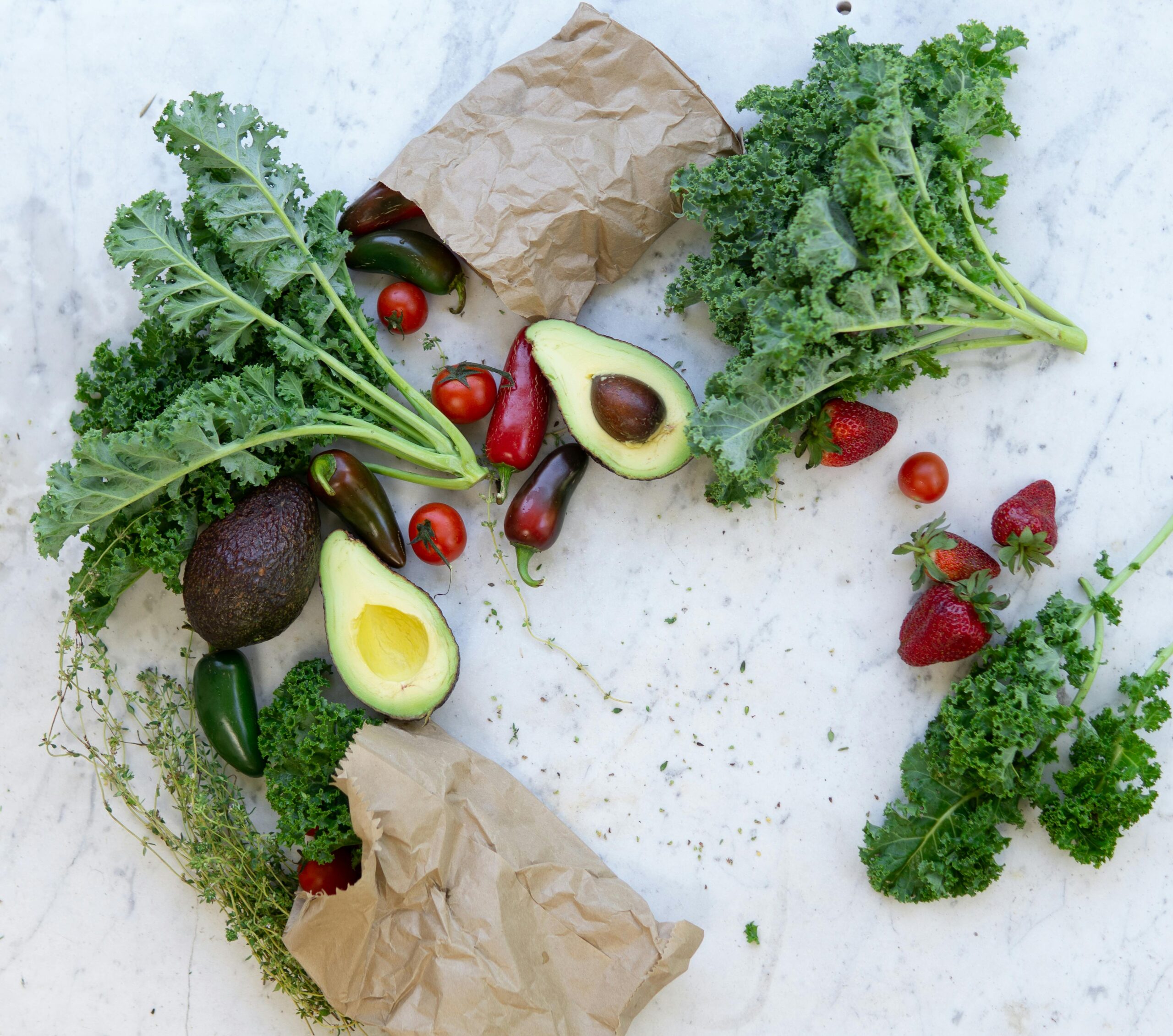
Digestive wellness begins with understanding what you eat and how it affects your gut. High-fiber, low-FODMAP foods offer a powerful solution for those seeking better digestion without uncomfortable symptoms.

The journey toward optimal gut health doesn’t have to be complicated or restrictive. By combining the benefits of dietary fiber with the gentle approach of low-FODMAP eating, you can support your digestive system while maintaining nutritional balance. This approach has transformed the lives of countless individuals struggling with digestive discomfort, bloating, and irregular bowel movements.
Understanding the Power of Fiber in Digestive Health 🌾
Dietary fiber serves as the foundation for healthy digestion, acting as fuel for beneficial gut bacteria and promoting regular bowel movements. Despite its importance, most people consume far less fiber than recommended, missing out on its remarkable benefits for digestive wellness and overall health.
Fiber comes in two main forms: soluble and insoluble. Soluble fiber dissolves in water, forming a gel-like substance that slows digestion and helps regulate blood sugar levels. Insoluble fiber adds bulk to stool and helps food move through the digestive tract more efficiently. Both types play crucial roles in maintaining gut health and preventing digestive issues.
The recommended daily fiber intake is approximately 25 grams for women and 38 grams for men. However, the average person consumes only about 15 grams daily, creating a significant fiber gap that can contribute to various digestive problems including constipation, irregular bowel movements, and compromised gut microbiome diversity.
Demystifying FODMAPs and Their Impact on Your Gut 🔬
FODMAP stands for Fermentable Oligosaccharides, Disaccharides, Monosaccharides, and Polyols. These are short-chain carbohydrates that some people struggle to digest properly, leading to uncomfortable symptoms like bloating, gas, abdominal pain, and altered bowel habits.
When high-FODMAP foods reach the large intestine undigested, gut bacteria ferment them rapidly, producing gas and drawing water into the intestinal tract. For individuals with sensitive digestive systems or conditions like irritable bowel syndrome (IBS), this fermentation process can trigger significant discomfort and digestive distress.
The low-FODMAP diet was developed by researchers at Monash University as a therapeutic approach for managing IBS symptoms. Studies show that approximately 75% of people with IBS experience significant symptom relief when following a low-FODMAP diet, making it one of the most effective dietary interventions for functional gut disorders.
The Challenge: Finding High-Fiber, Low-FODMAP Foods
Many high-fiber foods are also high in FODMAPs, creating a dilemma for those who need both fiber for regularity and FODMAP restriction for symptom management. Foods like wheat bran, beans, lentils, and certain fruits provide excellent fiber but can trigger digestive symptoms in sensitive individuals.
The key lies in identifying foods that offer substantial fiber content while remaining low in fermentable carbohydrates. This careful selection allows you to maintain digestive regularity and support gut health without experiencing the uncomfortable symptoms associated with high-FODMAP foods.
Top High-Fiber Low-FODMAP Foods for Optimal Digestion 🥗
Building your diet around specific high-fiber, low-FODMAP foods ensures you receive adequate fiber while protecting your sensitive digestive system. These foods have been scientifically validated to provide substantial fiber without triggering FODMAP-related symptoms when consumed in appropriate portions.
Vegetables That Deliver Fiber Without FODMAPs
Carrots stand out as an excellent choice, providing both soluble and insoluble fiber while remaining low in FODMAPs. One medium carrot contains approximately 2 grams of fiber and can be enjoyed raw, cooked, or juiced without concern for digestive upset.
Zucchini offers versatility and gentle fiber, with one cup of sliced zucchini containing about 1 gram of fiber. This mild vegetable serves as an excellent base for various dishes and can be spiralized as a pasta alternative, increasing your fiber intake without FODMAP concerns.
Green beans provide approximately 4 grams of fiber per cup and remain low-FODMAP in servings up to 15 beans. They’re rich in both soluble and insoluble fiber, supporting digestive regularity and feeding beneficial gut bacteria.
Spinach and lettuce varieties offer moderate fiber with minimal FODMAP content, making them ideal foundation vegetables for salads and cooked dishes. While their fiber content is lower than some other vegetables, they contribute to overall fiber intake while providing essential vitamins and minerals.
Fruits That Balance Fiber and Digestive Comfort 🍓
Strawberries deliver impressive fiber content at approximately 3 grams per cup while remaining low in FODMAPs. Their soluble fiber helps regulate digestion, and their antioxidant content supports overall gut health by reducing inflammation.
Blueberries provide about 4 grams of fiber per cup in low-FODMAP portions (approximately ¼ cup). These berries contain unique polyphenols that nourish beneficial gut bacteria while supporting digestive regularity.
Kiwifruit has gained recognition for its exceptional digestive benefits, containing approximately 5 grams of fiber per large fruit. The enzyme actinidin found in kiwi aids protein digestion, while its fiber content promotes regular bowel movements. One kiwifruit per day remains within low-FODMAP guidelines.
Oranges offer both soluble and insoluble fiber, with one medium orange providing about 3 grams of fiber. The low-FODMAP serving is one medium orange, making it easy to incorporate into your daily routine while supporting digestive health.
Grains and Starches for Sustained Fiber Intake
Oats represent one of the most valuable high-fiber, low-FODMAP foods, with ½ cup of rolled oats providing approximately 4 grams of fiber. Oats contain beta-glucan, a soluble fiber that feeds beneficial gut bacteria and promotes feelings of fullness while supporting regular bowel movements.
Quinoa offers complete protein alongside approximately 5 grams of fiber per cooked cup. In low-FODMAP portions (up to 1 cup cooked), quinoa provides sustained energy and digestive support without triggering symptoms.
Brown rice and rice bran deliver substantial fiber while remaining low in FODMAPs. One cup of cooked brown rice contains about 3.5 grams of fiber, supporting digestive regularity and providing a versatile base for countless meals.
Gluten-free sourdough bread made with appropriate flours can provide fiber while remaining low-FODMAP, as the fermentation process reduces FODMAP content. Check labels carefully to ensure fiber content meets your needs.
Strategic Meal Planning for Fiber and FODMAP Balance 📋
Creating meals that maximize fiber intake while respecting FODMAP limits requires thoughtful planning and creative combinations. By strategically pairing high-fiber, low-FODMAP foods, you can build satisfying meals that support digestive health throughout the day.
Breakfast Ideas to Start Your Day Right
Begin with a bowl of oatmeal topped with sliced strawberries and a sprinkle of chia seeds (in low-FODMAP portions of 1 tablespoon). This combination delivers approximately 8-10 grams of fiber while remaining gentle on your digestive system.
Alternatively, prepare a smoothie using lactose-free yogurt, spinach, blueberries (¼ cup), kiwi, and a tablespoon of ground flaxseed. This nutrient-dense breakfast provides fiber, probiotics, and essential nutrients to support gut health.
A gluten-free sourdough toast with mashed avocado (⅛ of a whole avocado remains low-FODMAP) and a side of scrambled eggs with spinach offers protein, healthy fats, and fiber to fuel your morning.
Lunch Options for Midday Fiber Boost
Build a grain bowl with quinoa as the base, topped with grilled chicken or tofu, roasted carrots, zucchini, green beans, and a drizzle of olive oil with herbs. This colorful meal provides substantial fiber while supporting digestive comfort.
Create a hearty salad using mixed greens, canned tuna or salmon, cherry tomatoes (in low-FODMAP portions), cucumber, grated carrot, and pumpkin seeds. Dress with olive oil and lemon juice for a fiber-rich, satisfying lunch.
Prepare a rice bowl with brown rice, stir-fried vegetables including bok choy, red bell pepper, and bean sprouts, topped with grilled shrimp or tempeh. This combination delivers diverse fiber sources while maintaining FODMAP awareness.
Dinner Recipes for Evening Digestive Support
Grilled salmon served alongside roasted vegetables like eggplant (in low-FODMAP portions), zucchini, and carrots, with a side of quinoa creates a fiber-rich, balanced dinner that supports overnight digestive processes.
Chicken stir-fry with low-FODMAP vegetables over brown rice or rice noodles provides substantial fiber while ensuring comfortable digestion. Include vegetables like bell peppers, bok choy, and green beans for maximum fiber variety.
Baked white fish with a side of roasted root vegetables including parsnips (up to ½ cup remains low-FODMAP) and carrots, served with a small portion of wild rice, offers excellent fiber content and digestive support.
Supplements and Additional Support for Fiber Intake 💊
While whole foods should form the foundation of your fiber intake, certain supplements can help bridge the gap when dietary sources fall short. However, selecting low-FODMAP fiber supplements requires careful attention to ingredient lists and FODMAP content.
Psyllium husk is a low-FODMAP fiber supplement that provides both soluble and insoluble fiber. Start with small amounts (1 teaspoon) and gradually increase to avoid digestive discomfort. Always consume psyllium with adequate water to prevent constipation.
Partially hydrolyzed guar gum (PHGG) represents another low-FODMAP fiber supplement that has been shown to improve digestive regularity without causing gas or bloating. Studies demonstrate its effectiveness in managing both constipation and diarrhea.
Chia seeds and ground flaxseed can be added to meals in low-FODMAP portions (1 tablespoon each) to boost fiber intake. These seeds provide omega-3 fatty acids alongside fiber, supporting both digestive and overall health.
Hydration: The Often-Forgotten Partner to Fiber 💧
Increasing fiber intake without adequate hydration can actually worsen digestive symptoms, leading to constipation and discomfort. Water helps fiber move through your digestive system smoothly, preventing blockages and supporting optimal bowel function.
Aim for at least 8-10 glasses of water daily, increasing this amount when you consume higher fiber meals or supplements. Herbal teas like peppermint or ginger can provide hydration while offering additional digestive support.
Monitor your urine color as a hydration indicator—pale yellow suggests adequate hydration, while dark yellow indicates the need for more fluids. Proper hydration amplifies the benefits of high-fiber foods and prevents potential side effects.
Tracking Your Progress and Adjusting Your Approach 📊
Maintaining a food and symptom diary helps identify which high-fiber, low-FODMAP foods work best for your unique digestive system. Record what you eat, portion sizes, and any symptoms that arise to recognize patterns and optimize your diet.
Consider using a FODMAP tracking app to simplify the process of monitoring your intake and symptoms. These tools provide portion guidance, FODMAP content information, and symptom tracking features to support your digestive health journey.
Gradually increase fiber intake over several weeks rather than making sudden changes. This gradual approach allows your gut microbiome to adapt and minimizes potential side effects like gas, bloating, or cramping.
Common Mistakes to Avoid When Combining Fiber and Low-FODMAP Eating ⚠️
Many people make the error of eliminating all high-FODMAP foods permanently, which can reduce dietary diversity and potentially harm gut microbiome health over time. The low-FODMAP diet is designed as a temporary elimination phase followed by systematic reintroduction.
Increasing fiber too quickly represents another common mistake that can cause significant digestive discomfort. Your gut bacteria need time to adjust to higher fiber levels, so increase intake gradually over 2-4 weeks.
Neglecting protein and healthy fats while focusing exclusively on fiber can create nutritional imbalances. Ensure each meal contains a balance of macronutrients to support overall health and sustained energy levels.
Relying too heavily on fiber supplements rather than whole foods misses out on the vitamins, minerals, and phytonutrients that whole foods provide. Supplements should complement, not replace, fiber-rich whole foods.
Long-Term Success: Building Sustainable Digestive Health Habits 🌟
Creating lasting digestive wellness requires developing sustainable habits rather than following restrictive rules. Focus on adding high-fiber, low-FODMAP foods you enjoy rather than dwelling on restrictions, making the approach feel positive and achievable.
Meal preparation and planning become essential tools for long-term success. Dedicate time each week to prepare high-fiber, low-FODMAP ingredients that can be quickly assembled into meals, reducing the temptation to choose less supportive options when time is limited.
Regular physical activity complements dietary efforts by stimulating digestive motility and supporting regular bowel movements. Even moderate exercise like walking for 30 minutes daily can significantly improve digestive function.
Stress management plays a crucial role in digestive health, as stress directly impacts gut function through the gut-brain axis. Incorporate relaxation techniques like meditation, yoga, or deep breathing exercises to support your digestive system from a holistic perspective.
Working with Healthcare Professionals for Personalized Support 👨⚕️
While this information provides a solid foundation, working with a registered dietitian who specializes in digestive health can optimize your approach. These professionals can provide personalized guidance based on your specific symptoms, food preferences, and health goals.
A gastroenterologist can help rule out underlying conditions that may be contributing to digestive symptoms. Conditions like inflammatory bowel disease, celiac disease, or small intestinal bacterial overgrowth (SIBO) may require specific treatments beyond dietary modifications.
Regular follow-up appointments allow you to adjust your approach as your digestive health improves. What works initially may need modification over time as your gut microbiome adapts and symptoms change.

Embracing Your Journey to Digestive Wellness 🎯
Achieving optimal gut health through high-fiber, low-FODMAP foods represents a journey rather than a destination. Each person’s digestive system is unique, requiring individualized approaches and patience as you discover what works best for your body.
Celebrate small victories along the way—reduced bloating, more regular bowel movements, increased energy levels—as these improvements indicate your digestive system is healing and becoming more balanced. Progress may be gradual, but consistent effort yields meaningful results.
Remember that occasional setbacks are normal and don’t represent failure. Use these experiences as learning opportunities to better understand your digestive triggers and refine your approach. Flexibility and self-compassion are essential components of long-term success.
By combining adequate fiber intake with low-FODMAP principles, you’re providing your digestive system with the support it needs to function optimally. This balanced approach addresses both the need for regular bowel movements and the sensitivity that causes uncomfortable symptoms, creating a sustainable path toward lasting digestive wellness.
Your commitment to understanding and supporting your gut health through thoughtful food choices demonstrates powerful self-care. As you continue implementing these strategies, you’ll likely notice improvements not only in digestion but also in overall energy, mood, and quality of life—proof that gut health truly influences whole-body wellness.