Navigating the grocery store with digestive concerns can feel overwhelming, especially when you’re new to the low-FODMAP diet. This comprehensive guide will transform your shopping experience into a stress-free journey toward better gut health.

Whether you’ve been diagnosed with IBS or simply want to reduce uncomfortable bloating and digestive distress, understanding which foods to choose makes all the difference. The low-FODMAP approach isn’t about restriction—it’s about discovering which foods work best for your unique digestive system while still enjoying delicious, nutritious meals.
Understanding the Low-FODMAP Basics Before You Shop 🛒
Before filling your cart, it’s essential to grasp what FODMAPs actually are. These fermentable oligosaccharides, disaccharides, monosaccharides, and polyols are short-chain carbohydrates that some people struggle to digest properly. When these compounds reach the large intestine undigested, they ferment and draw water into the bowel, causing gas, bloating, pain, and altered bowel movements.
The low-FODMAP diet was developed by researchers at Monash University and has become the gold standard dietary approach for managing IBS symptoms. Studies show that approximately 70% of IBS sufferers experience significant symptom relief when following this protocol correctly.
Remember that low-FODMAP eating is typically a three-phase process: elimination, reintroduction, and personalization. Your initial grocery shopping will focus on the elimination phase, where you’ll stock up on foods naturally low in FODMAPs.
Your Low-FODMAP Protein Powerhouses
Protein forms the foundation of satisfying meals, and fortunately, most protein sources are naturally low in FODMAPs. Building your shopping list around these essentials ensures you’ll never feel deprived or hungry.
Animal-Based Proteins That Are Always Safe
Fresh meats, poultry, and fish are your best friends on the low-FODMAP diet. Chicken breast, ground turkey, beef, pork, lamb, and all types of seafood contain zero FODMAPs in their plain, unprocessed form. Stock your freezer with these versatile options for quick meal preparation throughout the week.
Eggs deserve special mention as one of the most convenient low-FODMAP proteins available. Whether scrambled, hard-boiled, or baked into dishes, eggs provide essential nutrients and keep you satisfied between meals.
Plant-Based Protein Options
Vegetarians and vegans can successfully follow a low-FODMAP diet with careful planning. Firm tofu is an excellent protein source, though silken tofu should be limited due to higher FODMAP content. Tempeh in small servings (75g or about 2.6 oz) also fits within low-FODMAP guidelines.
Canned lentils (rinsed and drained) can be tolerated in quarter-cup servings, making them a useful addition to salads and bowls. Peanut butter without added high-FODMAP ingredients serves double duty as both protein and healthy fat.
Low-FODMAP Carbohydrates and Grains 🌾
Contrary to popular belief, you don’t need to eliminate all carbohydrates on a low-FODMAP diet. Many grains and starches are perfectly safe and provide necessary energy and fiber for optimal health.
Safe Bread and Grain Products
Look for sourdough spelt bread, which undergoes a fermentation process that reduces FODMAP content. Most supermarkets now carry certified low-FODMAP bread options specifically designed for sensitive digestive systems. Always check labels carefully, avoiding products with high-FODMAP ingredients like honey, inulin, or chicory root.
Rice in all forms—white, brown, basmati, jasmine, and wild rice—is completely FODMAP-free. Stock your pantry with rice cakes, rice crackers, and rice noodles for convenient snacking and meal options.
Oats are another staple worth purchasing in bulk. Choose rolled oats, steel-cut oats, or quick oats for breakfast porridge that supports digestive health while keeping you full until lunch.
Other Essential Grain Products
Quinoa, millet, and polenta provide variety to your grain rotation. Gluten-free pasta made from rice or quinoa offers comfort food satisfaction without digestive consequences. Corn tortillas and corn chips (without high-FODMAP seasonings) work beautifully for Mexican-inspired meals.
Vegetables That Love Your Gut Back 🥬
Vegetables provide essential vitamins, minerals, and fiber, but choosing the right ones matters significantly on a low-FODMAP diet. Fortunately, plenty of delicious options exist to create colorful, nutritious plates.
Green Vegetables You Can Enjoy Freely
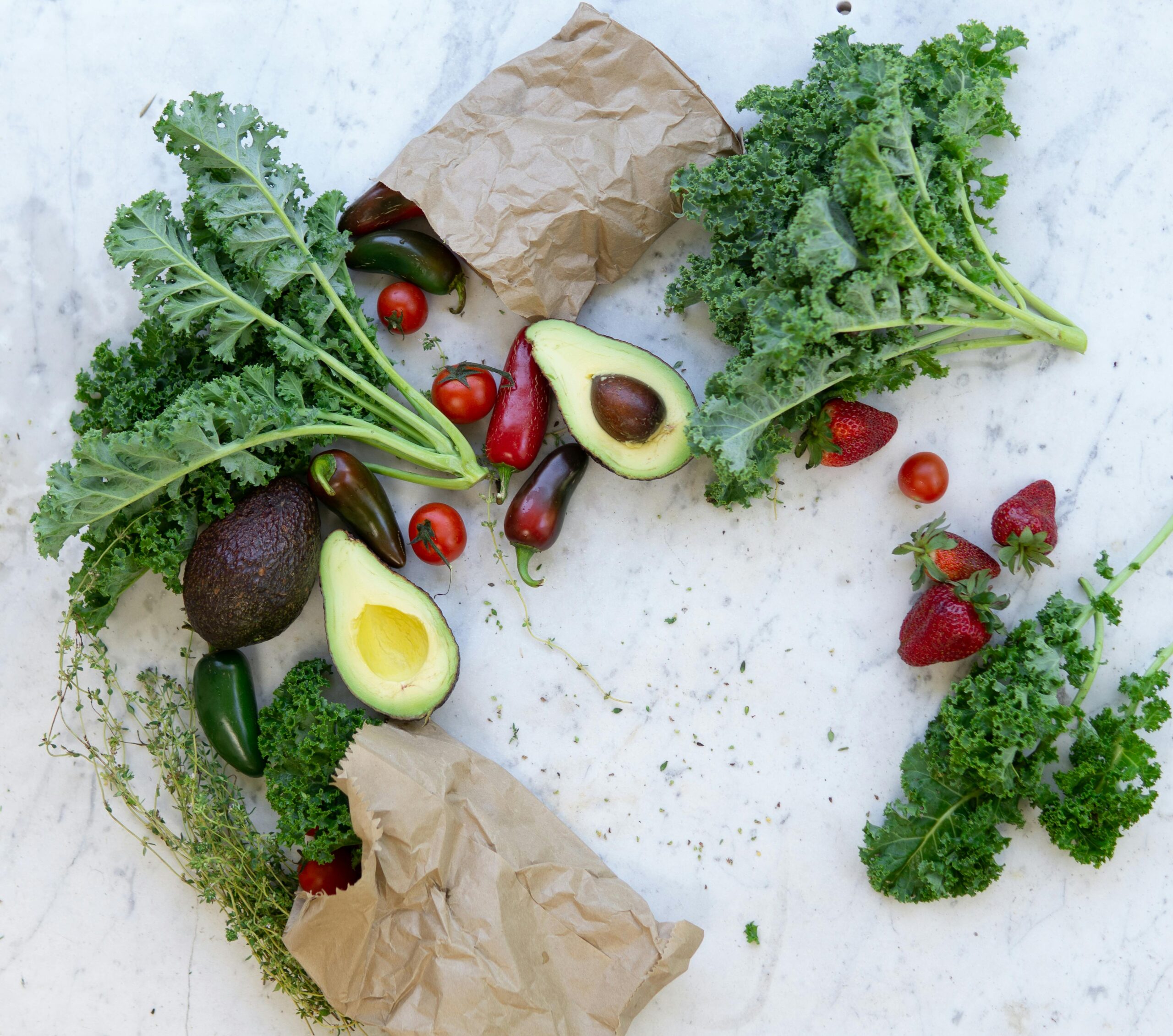
Fill your cart with leafy greens like spinach, lettuce, kale, and chard. Green beans, bok choy, and zucchini are versatile vegetables that work in countless dishes. Bell peppers in all colors add crunch and sweetness without triggering symptoms.
Cucumber, eggplant, and bamboo shoots provide variety and texture. Fresh herbs like basil, cilantro, and parsley enhance flavor profiles while remaining completely gut-friendly.
Root Vegetables and Other Safe Choices
Carrots, parsnips (in moderate portions), and white potatoes are excellent starchy vegetables that provide satisfying bulk to meals. Sweet potatoes are also low-FODMAP, though portion size matters—stick to about half a cup per serving.
Tomatoes (fresh, not sun-dried), radishes, and turnips round out your vegetable options. Canned vegetables like corn and pumpkin (quarter-cup servings) can be pantry staples for quick meal assembly.
Fruits for Natural Sweetness Without the Consequences 🍓
Many fruits contain high amounts of fructose or polyols, but several delicious options remain available for satisfying your sweet tooth naturally.
Berries and Citrus Fruits
Strawberries, blueberries, and raspberries are low-FODMAP superstars packed with antioxidants and fiber. Oranges, mandarins, and grapefruits provide vitamin C and refreshing flavor. One medium kiwi fruit also fits comfortably within low-FODMAP guidelines.
Other Fruit Options to Stock
Bananas (unripe or just barely ripe) work well, though overly ripe bananas become higher in FODMAPs. Grapes (up to one cup), pineapple, cantaloupe, and honeydew melon offer variety throughout the seasons.
Canned fruits in juice (not syrup) provide convenience, especially when fresh options aren’t available. Just verify that no high-FODMAP sweeteners have been added during processing.
Dairy and Dairy Alternatives 🥛
Lactose is a FODMAP, which complicates traditional dairy consumption. However, lactose-free options and suitable alternatives ensure you won’t miss out on calcium and creamy textures.
Lactose-Free Dairy Products
Lactose-free milk, yogurt, and cottage cheese are processed to remove problematic lactose while retaining nutritional benefits. Hard cheeses like cheddar, Swiss, parmesan, and mozzarella contain minimal lactose and can be enjoyed in reasonable portions.
Butter and ghee are virtually lactose-free, making them safe options for cooking and baking.
Non-Dairy Alternatives
Almond milk (check for added high-FODMAP ingredients), coconut milk, and rice milk serve as excellent dairy substitutes. Look for unsweetened varieties without inulin or chicory root additives.
Coconut yogurt provides probiotic benefits without dairy, though portion sizes should remain moderate initially.
Fats, Oils, and Condiments That Add Flavor 🧈
Healthy fats are essential for nutrient absorption and satiety, and most pure fats contain no FODMAPs whatsoever.
Cooking Oils and Spreads
Olive oil, coconut oil, avocado oil, and vegetable oils are all completely safe. Mayonnaise (check ingredients), vinegars, and mustard add flavor without digestive distress.
Nuts and seeds in appropriate portions provide healthy fats alongside protein. Macadamias, walnuts, pecans, and pumpkin seeds are particularly gut-friendly. Peanuts and almonds work well in limited quantities (about 10-15 nuts per serving).
Sauces and Seasonings
Many commercial sauces contain garlic and onion, two of the highest FODMAP foods. Instead, look for garlic-infused oil, which captures flavor without FODMAPs (the compounds are not oil-soluble). Fresh ginger, chives, and the green parts of scallions provide aromatic depth to dishes.
Soy sauce (in small amounts), fish sauce, and pure maple syrup are generally well-tolerated. Create your own spice blends using individual herbs and spices rather than pre-mixed seasonings that often contain hidden FODMAPs.
Smart Shopping Strategies for Long-Term Success 📝
Beyond knowing which foods to buy, developing effective shopping habits ensures consistent success with the low-FODMAP approach.
Reading Labels Like a Pro
Become comfortable scrutinizing ingredient lists for hidden FODMAPs. Watch for wheat, honey, high-fructose corn syrup, inulin, chicory root, agave, and any form of garlic or onion powder in processed foods.
Ingredients are listed by weight, so items appearing near the top of the list are present in larger quantities. Even if a high-FODMAP ingredient appears, its position and your portion size determine whether the product remains suitable.
Using Certified Low-FODMAP Products
Many brands now offer products certified by Monash University or FODMAP Friendly, taking the guesswork out of shopping. These products have been laboratory-tested and meet strict criteria for FODMAP content.
While certified products often cost more, they provide peace of mind during the elimination phase when you’re still learning which foods trigger your symptoms.
Leveraging Technology for Easier Shopping
The Monash University FODMAP Diet app is the gold standard resource created by the researchers who developed the diet. This comprehensive tool includes a searchable food database, recipes, and a diary function to track symptoms.
Having this app on your phone while shopping allows you to quickly verify whether unfamiliar products or ingredients fit within your dietary guidelines. The food database is regularly updated as new foods are tested, ensuring you always have current information.
Building Your Low-FODMAP Pantry Foundation
Creating a well-stocked pantry makes daily meal preparation significantly easier and reduces the temptation to reach for high-FODMAP convenience foods.
Essential Pantry Staples to Always Have
Keep these non-perishables on hand: rice (multiple varieties), quinoa, gluten-free pasta, canned tomatoes, coconut milk, chicken or vegetable stock (check ingredients), canned tuna or salmon, nut butters, rice crackers, and corn chips.
Your spice collection should include salt, pepper, paprika, cumin, coriander, turmeric, cinnamon, and dried herbs like oregano, thyme, and rosemary. These add tremendous flavor variety without any FODMAP concerns.
Freezer Must-Haves
Stock your freezer with frozen proteins, frozen vegetables like green beans and spinach, frozen berries for smoothies, and batch-cooked meals for busy days. Frozen foods are often more economical and reduce waste while maintaining nutritional value.
Meal Planning Makes Everything Easier 🍽️
Rather than shopping randomly, develop a weekly meal plan before heading to the store. This strategy prevents impulse purchases, reduces food waste, and ensures you have everything needed for complete meals.
Start simple with basic meal templates: protein + grain + vegetable for dinners; oats or eggs for breakfasts; and straightforward lunches like salads with protein or leftovers from dinner. As you become more comfortable, expand your repertoire gradually.
Batch cooking on weekends provides ready-to-eat options throughout the week, reducing stress during busy evenings when you might otherwise be tempted to order takeout containing unknown ingredients.
Budgeting for Low-FODMAP Success Without Breaking the Bank 💰
While specialty low-FODMAP products can be expensive, the diet doesn’t have to strain your budget. Focus primarily on whole, unprocessed foods that are naturally low in FODMAPs and typically more affordable than specialty items.
Buy proteins on sale and freeze for later use. Purchase seasonal produce when prices are lowest and flavor is peak. Generic store brands often match name-brand quality at significant savings—just verify the ingredients list remains acceptable.
Consider buying certain staples in bulk from wholesale stores or online retailers. Rice, quinoa, oats, and canned goods often cost substantially less when purchased in larger quantities.

Your First Low-FODMAP Shopping Trip Action Plan ✅
For your inaugural low-FODMAP shopping experience, keep things simple and focus on fresh, whole foods rather than trying to replace every previous pantry item immediately.
Start with proteins you already enjoy preparing, several safe vegetables, one or two grain options, a few pieces of fruit, and basic cooking essentials. This foundational approach prevents overwhelm and allows you to gradually expand your repertoire as you gain confidence.
Shop the perimeter of the store first, where fresh proteins, produce, and dairy are typically located. The center aisles contain more processed foods requiring careful label reading, so tackle those sections after you’ve completed the easier portions of your list.
Give yourself extra time for this first trip—you’ll need to read labels carefully and possibly look up unfamiliar foods in your FODMAP app. Future shopping trips will become progressively faster as you learn which brands and products consistently meet your needs.
Remember that transitioning to low-FODMAP eating is a learning process, not a test. If you accidentally purchase something that turns out to contain high FODMAPs, you haven’t failed—you’ve simply learned something new for next time. Be patient with yourself as you develop this valuable skill that will serve your digestive health for years to come. With the right knowledge and preparation, low-FODMAP grocery shopping transforms from a daunting challenge into an empowering routine that supports your journey toward a happier, healthier gut.