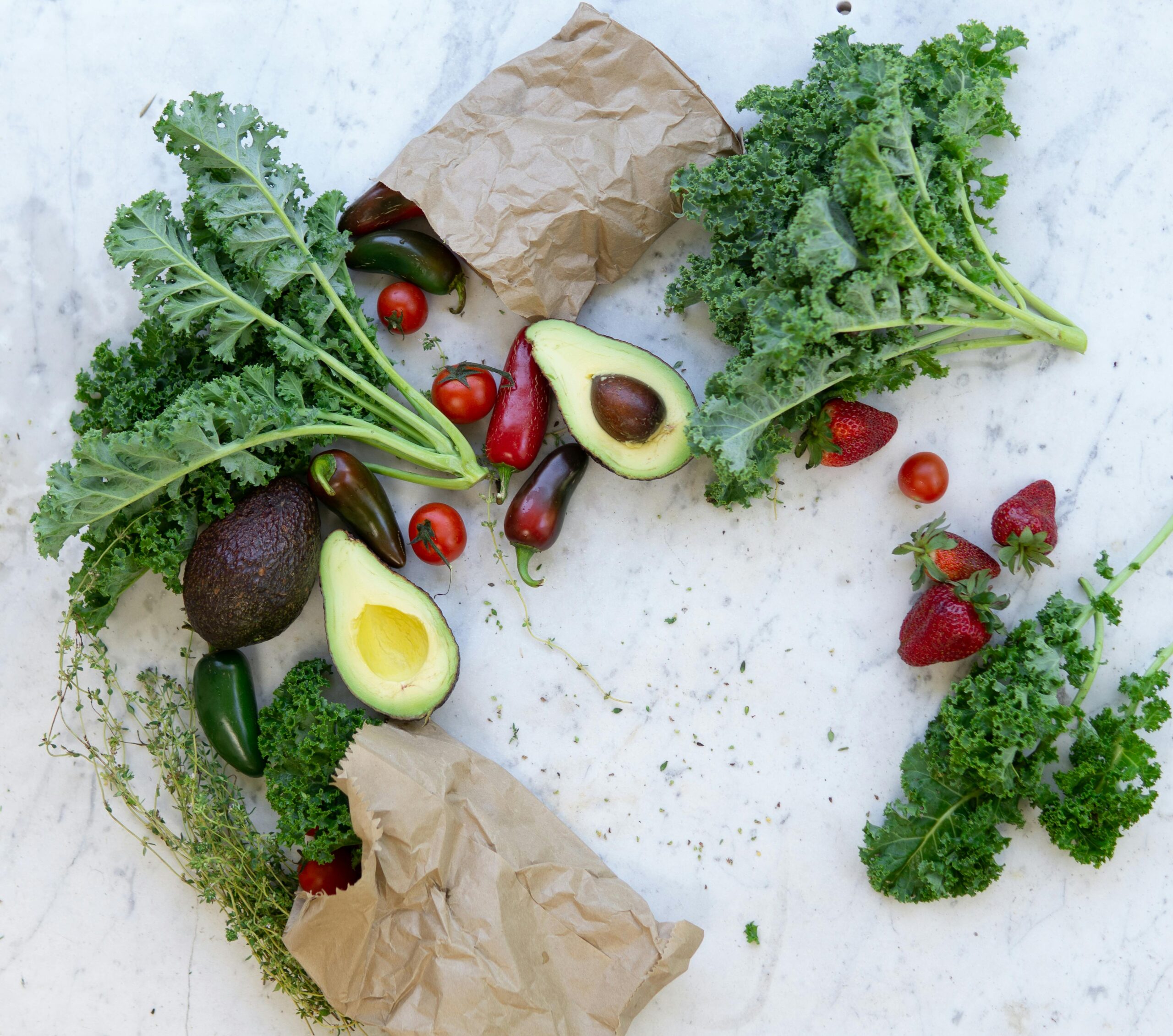
The dairy aisle has transformed dramatically in recent years, evolving from a simple milk-and-cheese section into a diverse marketplace brimming with options for every dietary preference and lifestyle choice.

Whether you’re lactose intolerant, following a vegan lifestyle, managing allergies, or simply curious about exploring new flavors and nutritional profiles, today’s grocery stores offer an impressive array of dairy and dairy-alternative products. This comprehensive guide will walk you through the landscape of modern dairy shopping, helping you make informed decisions that align with your health goals, ethical values, and taste preferences. From understanding nutritional differences to identifying quality products and discovering innovative alternatives, we’ll explore everything you need to know to navigate this exciting and sometimes overwhelming section of your local supermarket.
🥛 Understanding Traditional Dairy Products
Traditional dairy products remain staples in many households, offering rich nutritional benefits including calcium, protein, vitamin D, and vitamin B12. Cow’s milk comes in various fat percentages—from whole milk containing about 3.5% fat to skim milk with virtually no fat content. Each variety serves different culinary purposes and nutritional needs.
Beyond milk, the dairy section includes yogurt, which provides probiotics beneficial for gut health; cheese in countless varieties from soft fresh cheeses to aged hard cheeses; butter and cream for cooking and baking; and specialized products like kefir and cottage cheese. Understanding the nutritional profiles of these products helps you make choices that support your dietary requirements.
For those who can digest lactose comfortably, traditional dairy offers concentrated nutrition in familiar forms. A single cup of cow’s milk provides approximately 8 grams of protein and 30% of your daily calcium needs. Greek yogurt doubles down on protein content, making it particularly popular among fitness enthusiasts and those seeking satiating snacks.
Organic vs. Conventional Dairy
When shopping for traditional dairy, you’ll encounter both organic and conventional options. Organic dairy products come from cows raised without antibiotics or synthetic hormones, fed organic feed, and typically given access to pasture. While organic dairy costs more, many consumers choose it for environmental reasons, animal welfare concerns, or to avoid potential residues from agricultural chemicals.
Conventional dairy undergoes rigorous safety testing and provides the same basic nutritional profile as organic alternatives. The choice between organic and conventional often comes down to personal values, budget considerations, and taste preferences. Some people detect flavor differences between the two, though blind taste tests show mixed results.
🌱 Exploring Plant-Based Dairy Alternatives
The dairy-alternative market has exploded with innovation, offering solutions for people with lactose intolerance, milk allergies, vegan lifestyles, or environmental concerns. Plant-based milks now occupy significant shelf space, with options derived from nuts, seeds, grains, and legumes, each bringing unique flavors and nutritional profiles to the table.
Almond milk leads the alternative milk category in popularity, offering a light, slightly nutty flavor with fewer calories than cow’s milk. However, it contains less protein unless fortified. Soy milk stands out nutritionally as the closest plant-based equivalent to dairy milk, providing comparable protein content and a complete amino acid profile that’s rare among plant sources.
Oat milk has surged in popularity recently, beloved for its creamy texture that froths beautifully in coffee and its lower environmental impact compared to nut milks. Coconut milk brings tropical richness perfect for smoothies and curries, while rice milk offers a hypoallergenic option for those with multiple food sensitivities. Cashew milk provides creaminess without overwhelming flavor, making it versatile for both sweet and savory applications.
Nutritional Considerations for Plant-Based Alternatives
When transitioning to dairy alternatives, understanding nutritional differences becomes crucial. Many plant-based milks contain significantly less protein than dairy milk unless specifically fortified. Check labels for added vitamins and minerals, particularly calcium, vitamin D, and vitamin B12, which naturally occur in dairy but must be added to plant alternatives.
Sugar content varies widely among brands and varieties. Unsweetened versions typically contain 0-2 grams of sugar per serving, while sweetened and flavored options may contain 10 grams or more. Reading nutrition labels helps you avoid unnecessary added sugars while ensuring you’re getting adequate fortification for bone health and overall nutrition.
🧀 Cheese Alternatives That Actually Satisfy
Cheese alternatives have come a long way from the rubbery, bland products of the past. Modern vegan cheeses use sophisticated fermentation techniques, cultured cashews, and innovative ingredients to create products that melt, stretch, and deliver satisfying flavor profiles that appeal even to devoted dairy cheese lovers.
Nut-based cheeses, particularly those made from cashews, offer the most authentic texture and flavor. Brands using traditional cheesemaking techniques adapted for plant ingredients create aged varieties with complex flavor profiles. Coconut oil-based cheeses excel at melting, making them ideal for pizzas and grilled cheese sandwiches, though they may lack the depth of fermented alternatives.
For those avoiding both dairy and nuts, potato and tapioca-based cheeses provide allergen-friendly options. These products typically focus on achieving proper melting characteristics rather than complex flavors, making them functional choices for cooking even if they’re less impressive for cheese boards.
Finding Quality Cheese Alternatives
Quality indicators for dairy-free cheese include shorter ingredient lists featuring whole food components rather than lengthy chemical additives. Look for products containing nuts, cultures, and natural thickeners rather than those relying primarily on oils and starches. Fermented varieties generally offer superior flavor complexity and may provide probiotic benefits similar to traditional cheese.
Price points for premium vegan cheeses often match or exceed specialty dairy cheeses, reflecting the labor-intensive production processes and premium ingredients. However, store brands increasingly offer budget-friendly options that perform well in cooked applications, even if they’re less impressive served raw.
🍦 Frozen Dairy and Alternative Treats
Ice cream and frozen desserts represent another category where alternatives have achieved remarkable quality improvements. Dairy ice cream remains beloved for its creamy texture derived from milk fat, but plant-based versions now deliver comparable indulgence using coconut cream, cashew bases, oat milk, and innovative ingredients.
Coconut milk ice cream pioneered the dairy-free frozen dessert category and continues to dominate thanks to its naturally high fat content that creates luxurious texture. Almond milk ice creams offer lighter options with fewer calories, while cashew-based varieties provide neutral flavor profiles that let mix-ins shine. Oat milk ice cream has recently emerged as a favorite for its sustainability story and creamy consistency.
For those seeking lower-calorie options, both dairy and non-dairy categories now include products made with alternative sweeteners and increased air incorporation to reduce calorie density while maintaining volume. Greek yogurt-based frozen desserts bridge the gap between ice cream and frozen yogurt, offering high protein content with indulgent texture.
☕ Coffee Creamers and Barista-Style Options
Coffee culture has driven significant innovation in both dairy and plant-based creamer formulations. Traditional dairy creamers range from half-and-half to heavy cream, with various flavored options that add both richness and taste to your morning cup. For those watching calories, milk itself serves as a lighter creamer alternative.
Plant-based creamers have evolved specifically to meet the demands of coffee enthusiasts, with barista-style formulations designed to froth, steam, and blend seamlessly without curdling or separating. Oat milk particularly excels in coffee applications due to its natural sweetness and stability at high temperatures. Brands have developed professional-grade versions that perform comparably to dairy in latte art and texture.
Coconut cream-based creamers deliver richness without overpowering coconut flavor, while almond and soy varieties offer neutral options. Flavored creamers in both dairy and plant-based versions provide convenient ways to create specialty coffee drinks at home, though checking sugar content remains important for health-conscious consumers.
🥣 Yogurt and Cultured Products Across Categories
Yogurt provides probiotics, protein, and calcium, making it a nutritional powerhouse in the dairy category. Greek yogurt offers concentrated protein through straining processes that remove excess whey, while Icelandic skyr provides even denser nutrition. Traditional unstrained yogurt contains more calcium due to retained whey but less protein per serving.
Plant-based yogurt alternatives have achieved impressive texture and tang through similar culturing processes applied to coconut milk, almond milk, soy milk, and oat milk bases. Coconut yogurt naturally achieves thick, creamy consistency but contains less protein unless fortified. Soy yogurt provides the highest protein content among plant alternatives and accepts culturing readily due to its protein structure.
Kefir and drinkable yogurts offer probiotic benefits in convenient, portable formats. These fermented products contain diverse bacterial strains that support digestive health and may contribute to immune function. Both dairy and non-dairy versions are available, with similar probiotic benefits when properly cultured.
Choosing Yogurt for Specific Needs
When selecting yogurt, consider your primary goal. For maximum protein, choose Greek or Icelandic varieties with at least 15 grams per serving. For probiotic diversity, look for products listing multiple live and active cultures on the label. For calcium content without excessive protein, traditional unstrained yogurt provides balanced nutrition.
Sugar content varies dramatically among yogurt products. Plain varieties contain only naturally occurring lactose (in dairy) or minimal sugars (in alternatives), while flavored options may pack 15-20 grams of added sugar per serving. Fruit-on-the-bottom and dessert-style yogurts often contain as much sugar as ice cream, so read labels carefully if managing sugar intake.
🛒 Smart Shopping Strategies for Dairy Aisles
Navigating the expanded dairy and alternative sections requires strategy to make cost-effective, nutritious choices without feeling overwhelmed by options. Start by identifying your primary uses—breakfast, cooking, baking, or beverages—and prioritize products that serve those purposes well.
Compare unit prices rather than package prices, as larger containers typically offer better value. However, consider realistic consumption timelines, especially for products with shorter shelf lives. Many dairy alternatives last longer than traditional dairy due to sterilization processes, making larger sizes more practical even for smaller households.
Store brands increasingly offer quality dairy alternatives at significant savings compared to name brands. These products often come from the same facilities as premium brands but with simpler packaging and marketing. Taste-testing store brand options can reveal surprising quality at budget-friendly prices.
Seasonal Considerations and Storage Tips
Stock up on shelf-stable dairy alternatives during sales, as unopened cartons can be stored in pantries for months. Once opened, most alternative milks last 7-10 days refrigerated, similar to dairy milk. Separation is normal in plant-based products; simply shake well before using.
For traditional dairy, observe sell-by dates carefully and store products at proper temperatures immediately after purchase. Cheese lasts longest when wrapped in wax or parchment paper rather than plastic, allowing it to breathe while preventing moisture loss. Freeze butter, hard cheeses, and milk if you’ve purchased more than you can use before expiration dates.
🌍 Environmental and Ethical Considerations
Food choices increasingly reflect values beyond nutrition and taste. Dairy production carries significant environmental impacts, including greenhouse gas emissions, water usage, and land requirements. However, impacts vary considerably based on farming practices, with regenerative dairy operations potentially sequestering carbon and supporting biodiversity.
Plant-based alternatives generally require less water and land while producing fewer emissions than conventional dairy. However, specific crops carry their own considerations—almond production requires substantial water, while soy farming raises deforestation concerns if not properly sourced. Oat milk currently shows among the lowest environmental footprints of all milk options.
Animal welfare concerns drive many consumers toward plant-based alternatives or higher-welfare dairy products certified by organizations that audit farming practices. Labels like Certified Humane, Animal Welfare Approved, and pasture-raised certifications indicate higher welfare standards than conventional production.
💡 Practical Tips for Transitioning and Exploring
If you’re new to dairy alternatives, transition gradually rather than replacing everything simultaneously. Start with one product—perhaps milk for cereal or coffee—and experiment with different varieties to find your preferences before expanding to yogurt, cheese, and other products.
Expect an adjustment period for your palate. Dairy alternatives taste different from dairy products, not necessarily worse, just different. Give yourself time to appreciate these flavors on their own terms rather than constantly comparing them to dairy. Many people find that after a few weeks, they prefer the lighter, varied flavors of plant-based options.
Use dairy and alternatives strategically based on their strengths. Dairy milk might work best in certain baked goods where its fat and protein structure matters, while oat milk excels in coffee and smoothies. Coconut cream can’t be beaten for rich curries, while dairy cream produces superior whipped toppings. There’s no rule requiring all-or-nothing approaches.
Recipe Substitution Guidelines
When cooking and baking with dairy alternatives, understanding substitution ratios ensures success. For most recipes, plant-based milks substitute one-to-one for dairy milk, though results vary. Soy milk works well in savory dishes due to its neutral, slightly beany flavor. Oat milk adds subtle sweetness perfect for baked goods and breakfast items.
For cream substitutes, full-fat coconut milk provides the richest replacement, particularly when chilled and whipped. Cashew cream blended from soaked cashews and water creates versatile neutral cream for both sweet and savory applications. Commercial cream alternatives work well for adding richness to soups and sauces but may not whip as successfully as dairy cream.
🎯 Meeting Specific Dietary Requirements
Different health conditions and dietary patterns require specific considerations when choosing dairy or alternatives. Lactose intolerance affects a significant portion of the global population, ranging from mild discomfort to severe digestive distress when consuming lactose-containing dairy products.
Lactose-free dairy products undergo enzymatic treatment that breaks down lactose while maintaining the nutritional profile of regular dairy. These products taste slightly sweeter than standard dairy due to the breakdown of lactose into simpler sugars, but they provide identical nutrition for those who can tolerate dairy proteins but not lactose.
Milk protein allergies require complete avoidance of dairy products, making plant-based alternatives essential. However, individuals with nut allergies must carefully avoid almond, cashew, and other nut-based products, turning instead to oat, soy, rice, or seed-based alternatives like hemp or pea milk.
Special Considerations for Children and Elderly
Children require adequate calcium, vitamin D, and protein for growth and development. If using plant-based alternatives, ensure they’re fortified with these nutrients and consider including other protein sources throughout the day. Whole dairy milk or fortified soy milk typically best meet children’s nutritional needs among milk options.
Elderly individuals need extra attention to protein intake for maintaining muscle mass and bone density. High-protein dairy products like Greek yogurt or fortified plant-based alternatives with added protein help meet these increased requirements. Vitamin B12, naturally present in dairy but requiring fortification in plant alternatives, becomes increasingly important for older adults who may absorb it less efficiently.
🔍 Reading Labels Like a Pro
Nutrition labels provide essential information for making informed choices in the dairy aisle. Start with serving sizes, which vary between products and can make nutritional comparisons challenging. Standardize comparisons by calculating per-cup or per-100ml values.
Protein content indicates satiety potential and nutritional value. Dairy milk contains about 8 grams per cup, while plant alternatives range from 1 gram (rice, almond) to 7-8 grams (soy, pea). If replacing dairy as a protein source, choose alternatives with at least 6 grams per serving or compensate with protein from other foods.
Check added sugars separately from total sugars. Dairy milk contains natural lactose counted as sugar, while plain plant milks contain minimal natural sugars. Added sugars appear in flavored varieties and sweetened versions, sometimes contributing 10 grams or more per serving—nearly half the recommended daily maximum.
Examine ingredient lists for additives you may want to avoid. Carrageenan, a seaweed-derived thickener, appears in many dairy alternatives and dairy products but causes digestive issues for some people. Gums like gellan, xanthan, and guar provide texture but may cause bloating in sensitive individuals. Simpler ingredient lists generally indicate less processed products.
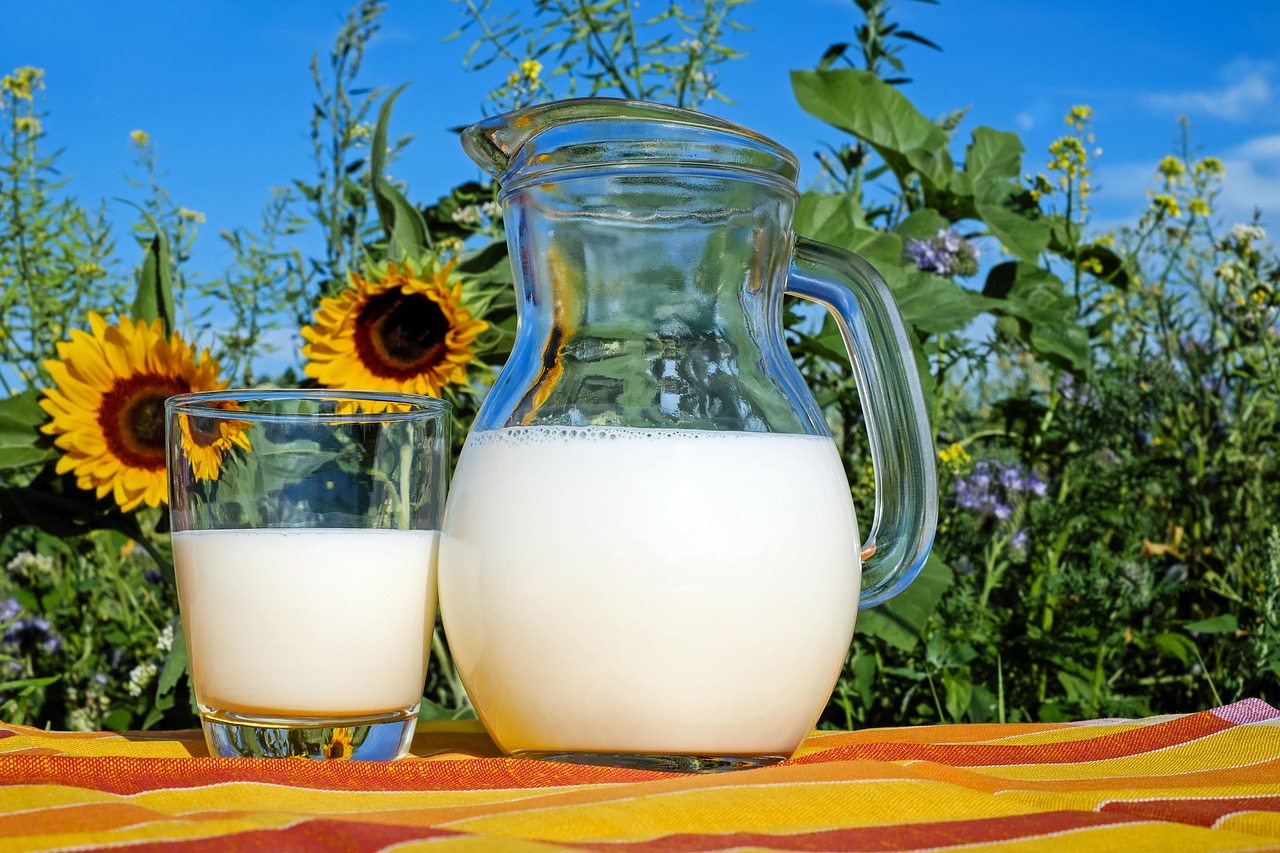
Finding Balance in Your Dairy Shopping Approach
The abundance of choices in modern dairy aisles empowers consumers to create personalized approaches that balance nutrition, ethics, environmental concerns, budget, and taste preferences. Rather than viewing dairy versus alternatives as an either-or decision, consider how different products serve different purposes in your life.
Experimentation remains key to discovering what works for your unique situation. Purchase small sizes of unfamiliar products to test before committing to larger containers. Many stores now offer sampling programs for dairy alternatives, providing risk-free opportunities to explore new options.
Remember that nutritional needs, ethical values, and taste preferences evolve over time. The choices you make today may shift as new products emerge, your health changes, or your priorities develop. Staying informed about innovations in both traditional dairy and alternative products ensures you can adapt your shopping strategies to continually align with your current lifestyle and dietary needs.