Switching to dairy-free alternatives doesn’t mean sacrificing flavor, texture, or nutrition. Whether you’re lactose intolerant, vegan, or simply exploring healthier options, this comprehensive guide will transform your kitchen into a haven of creamy, delicious possibilities.

The dairy-free revolution has evolved dramatically over recent years, bringing us an abundance of substitutes that rival traditional dairy products in taste and versatility. From plant-based milks to cultured cheeses, the options available today make it easier than ever to embrace a lactose-free lifestyle without feeling deprived. Understanding which alternatives work best for different culinary applications will empower you to cook, bake, and enjoy your favorite foods with confidence.
🥛 Understanding Your Dairy-Free Journey: Why Make the Switch?
Before diving into substitutions, it’s important to understand the various reasons people choose dairy-free alternatives. Lactose intolerance affects approximately 65% of the global population to varying degrees, causing digestive discomfort, bloating, and other uncomfortable symptoms. Beyond lactose sensitivity, many individuals experience dairy protein allergies, particularly to casein and whey.
Environmental and ethical considerations also drive the dairy-free movement. Plant-based alternatives generally require less water, produce fewer greenhouse gas emissions, and align with animal welfare values. Additionally, some people find that eliminating dairy improves their skin health, reduces inflammation, and enhances overall digestive wellness.
The nutritional profile of dairy alternatives has improved significantly, with many fortified options now matching or exceeding the calcium, vitamin D, and protein content of cow’s milk. This makes transitioning to dairy-free eating both practical and nutritionally sound when done thoughtfully.
🌾 The Complete Milk Alternatives Guide: Finding Your Perfect Match
Plant-based milks form the foundation of dairy-free cooking and deserve careful consideration. Each variety offers distinct flavors, nutritional benefits, and culinary applications that make them suitable for different purposes.
Almond Milk: The Versatile Favorite
Almond milk remains one of the most popular dairy-free options, prized for its light, slightly nutty flavor and low calorie content. Unsweetened almond milk contains only 30-40 calories per cup, making it ideal for those watching their caloric intake. It works beautifully in smoothies, cereal, coffee, and light baking applications.
When selecting almond milk, look for varieties fortified with calcium and vitamin D to match the nutritional profile of dairy milk. However, keep in mind that almond milk contains minimal protein (typically 1 gram per cup) and may separate when heated to high temperatures, making it less suitable for some cooking applications.
Oat Milk: The Barista’s Choice ☕
Oat milk has surged in popularity due to its naturally creamy texture and mild, slightly sweet flavor. It froths exceptionally well, making it the preferred choice for coffee drinks and lattes. With a higher carbohydrate content than other alternatives, oat milk provides sustained energy and contains beta-glucans, a type of soluble fiber beneficial for heart health.
This substitute excels in baking, creating moist cakes and tender muffins. Its neutral flavor doesn’t overpower other ingredients, and it maintains consistency when heated. Choose unsweetened varieties to control sugar intake, and opt for brands fortified with essential nutrients.
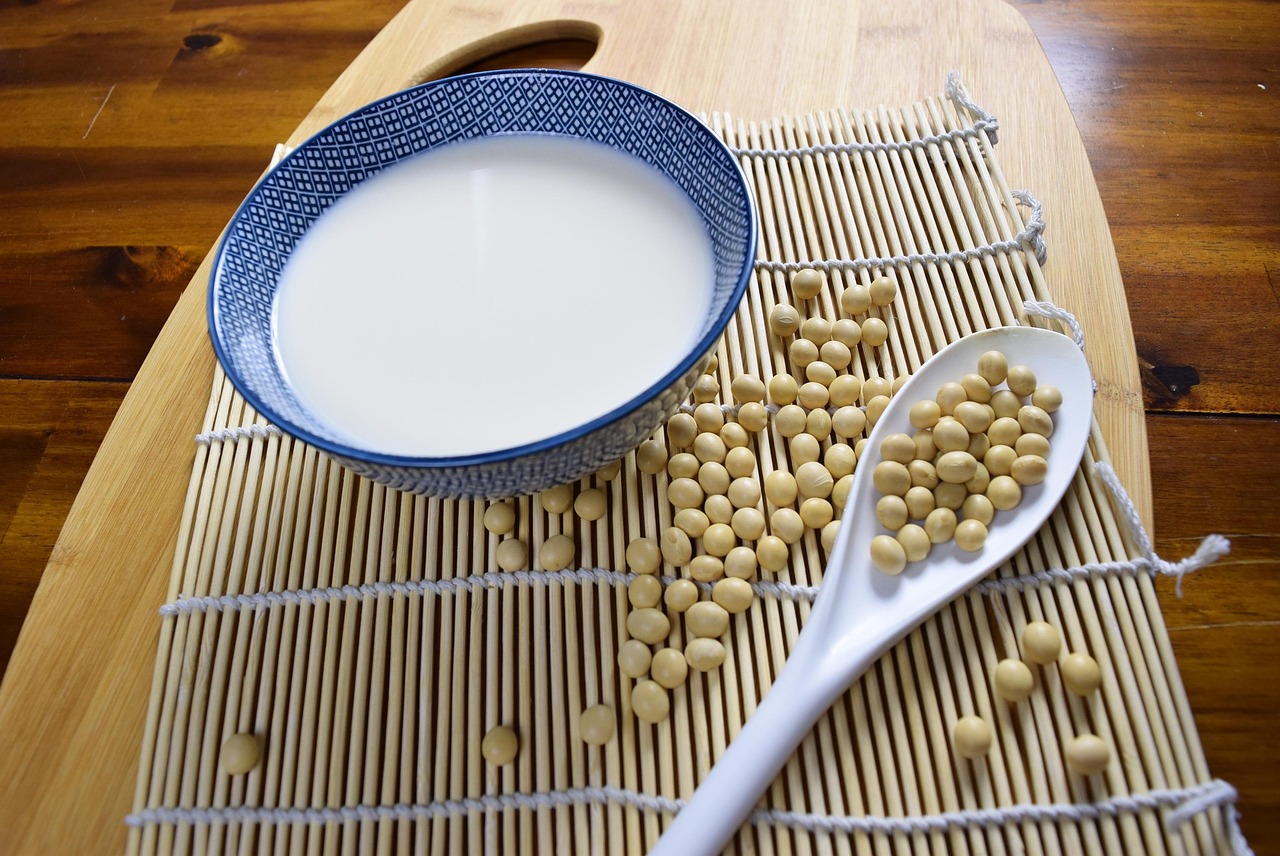
Soy Milk: The Protein Powerhouse
With approximately 7-8 grams of protein per cup, soy milk most closely resembles cow’s milk nutritionally. It contains all nine essential amino acids, making it a complete protein source valuable for vegans and vegetarians. Soy milk’s robust protein content helps it perform reliably in cooking, baking, and creating dairy-free cream sauces.
Unflavored soy milk works well in savory dishes, while vanilla varieties enhance sweet recipes. Some people detect a slight beany flavor, but modern processing techniques have significantly reduced this characteristic in premium brands.
Coconut Milk: Rich and Luxurious
Full-fat coconut milk from cans creates exceptionally rich, creamy dishes perfect for curries, soups, and desserts. The lighter, beverage-style coconut milk in cartons works for everyday drinking and cereal. Coconut milk’s high saturated fat content creates luxurious textures but should be consumed in moderation as part of a balanced diet.
The distinct coconut flavor complements Asian cuisine, tropical smoothies, and chocolate desserts while potentially clashing with European or American comfort foods. Keep both canned and carton varieties stocked for maximum culinary flexibility.
Cashew Milk: Smooth and Creamy
Cashew milk offers exceptional creaminess without overwhelming flavor, making it ideal for cream-based soups, sauces, and desserts. Though lower in protein than soy milk, it blends smoothly and creates silky textures that work beautifully in alfredo sauces and cream pies.
Making homemade cashew milk is remarkably simple—just blend soaked cashews with water and strain—giving you complete control over thickness and sweetness levels.
🧈 Butter Alternatives: Spreading the Goodness
Dairy-free butter substitutes have achieved remarkable sophistication, with options suitable for spreading, cooking, and baking. Vegan butter brands now utilize refined oils, emulsifiers, and natural flavors to replicate butter’s taste and functionality.
For baking, stick-style vegan butter maintains proper ratios for recipes calling for traditional butter. Brands like Earth Balance, Miyoko’s, and Country Crock Plant Butter perform reliably in cookies, cakes, and pastries. When sautéing or pan-frying, these alternatives brown and add richness comparably to dairy butter.
Coconut oil serves as a versatile alternative, though its distinct flavor makes it better suited for sweet applications and Asian-inspired dishes. For a neutral option, refined avocado oil or grapeseed oil works well in cooking applications where butter provides primarily fat content rather than flavor.
🧀 Cheese Alternatives: Achieving That Coveted Stretch and Melt
Dairy-free cheese has experienced perhaps the most dramatic improvements in recent years. While early versions often disappointed, current offerings deliver impressive flavor and functionality across various applications.
Nutritional Yeast: The Flavor Foundation
Nutritional yeast deserves special mention as a foundational ingredient in dairy-free cooking. These deactivated yeast flakes provide a savory, cheese-like flavor packed with B-vitamins, including B12 in fortified varieties. Sprinkle it over popcorn, stir it into pasta dishes, or blend it into sauces for instant umami depth.
Commercial Vegan Cheeses
Brands like Violife, Daiya, Follow Your Heart, and Miyoko’s offer shredded, sliced, and block cheeses made from nuts, soy, or refined oils. These products melt, stretch, and brown with varying success depending on the specific application.
For pizza, look for mozzarella-style shreds specifically formulated to melt. In cold applications like sandwiches and charcuterie boards, aged nut-based cheeses provide complex flavors rivaling traditional varieties. Experiment with different brands, as formulations vary significantly in taste and texture.
Homemade Cashew Cheese
Creating cashew-based cheese at home allows complete customization and avoids additives found in commercial products. Blended soaked cashews form a neutral base accepting various flavors—nutritional yeast for cheesy notes, lemon juice for tang, garlic for depth, and herbs for complexity.
Cashew cream cheese, ricotta, and queso dips all emerge from this simple foundation, offering fresh, clean flavors and creamy textures perfect for spreads, dips, and recipe components.
🍦 Frozen Desserts: Satisfying Your Sweet Tooth
Dairy-free ice cream has transcended niche status to become mainstream, with major brands and artisanal producers creating indulgent frozen treats from various bases.
Coconut milk ice cream delivers richness and creaminess that closely mimics traditional ice cream. Brands like So Delicious and Ben & Jerry’s non-dairy lines offer extensive flavor selections. Almond milk and cashew milk varieties provide lighter options with fewer calories but equally satisfying taste profiles.
Oat milk ice cream represents the newest innovation, creating exceptionally smooth textures with neutral flavors that showcase mix-ins beautifully. For chocolate lovers, many find dairy-free chocolate ice creams indistinguishable from conventional versions.
Making homemade dairy-free ice cream requires either an ice cream maker or simple no-churn methods using frozen bananas as a base. Blended frozen bananas create instant “nice cream” that accepts endless flavor variations while providing natural sweetness and creamy consistency.
🥄 Cream and Sour Cream Substitutes: Adding Richness
Heavy cream’s richness seems challenging to replicate, but several alternatives deliver comparable results in both sweet and savory applications.
Full-fat coconut cream (the thick layer from refrigerated canned coconut milk) whips into fluffy peaks perfect for topping desserts. Cashew cream, made from blended soaked cashews, creates neutral-flavored richness ideal for pasta sauces and soups. Store-bought dairy-free heavy creams from brands like Silk and So Delicious work reliably for most cooking applications.
For sour cream, cultured coconut cream products or blended silken tofu with lemon juice and vinegar create tangy, creamy toppings for tacos, baked potatoes, and nachos. Store-bought options from Kite Hill and Tofutti offer convenient alternatives with authentic tanginess.
🥚 Yogurt Alternatives: Cultured and Creamy
Dairy-free yogurt has achieved impressive authenticity, with cultured plant-based options delivering probiotics, protein, and creamy textures suitable for breakfast bowls, smoothies, and cooking.
Coconut milk yogurt provides richness with natural probiotics from live cultures. Almond milk yogurt offers lighter options with fewer calories. Soy yogurt delivers higher protein content comparable to Greek yogurt, while oat milk yogurt provides creamy, neutral-flavored varieties perfect for savory applications.
Look for unsweetened varieties to control sugar intake, and choose brands fortified with calcium and vitamin D. Use dairy-free yogurt in marinades to tenderize proteins, in baked goods for moisture, or in dressings for tang and creaminess.
📊 Quick Reference: Dairy-Free Substitution Ratios
| Dairy Product | Best Substitute | Ratio | Best For |
|---|---|---|---|
| Cow’s Milk | Oat milk, Soy milk | 1:1 | Drinking, cereal, baking |
| Heavy Cream | Coconut cream, Cashew cream | 1:1 | Sauces, whipped toppings |
| Butter | Vegan butter, Coconut oil | 1:1 | Baking, cooking, spreading |
| Sour Cream | Coconut yogurt + lemon juice | 1:1 | Toppings, dips, baking |
| Cream Cheese | Cashew cream cheese | 1:1 | Spreading, frosting, dips |
| Yogurt | Coconut or soy yogurt | 1:1 | Breakfast, smoothies, marinades |
🍰 Baking Success: Tips for Dairy-Free Perfection
Baking without dairy requires minor adjustments to achieve optimal results. Understanding how different substitutes behave in heated applications ensures consistently delicious outcomes.
For cakes and muffins, use full-fat plant-based milks to maintain moisture and tenderness. Add a tablespoon of apple cider vinegar or lemon juice per cup of plant milk to create a buttermilk substitute that activates leavening agents and adds tang.
In cookie recipes, vegan butter performs nearly identically to dairy butter. Ensure it’s at proper temperature—softened for creaming, cold for flaky pastries. For pie crusts, cold coconut oil or vegan butter creates tender, flaky layers when handled minimally.
Dairy-free chocolate chips, now widely available, prevent accidental dairy inclusion in otherwise vegan baked goods. Brands like Enjoy Life and Hu Kitchen offer various chocolate products free from dairy and common allergens.
🍝 Cooking Savory Dishes: Cream Sauces, Soups, and More
Savory cooking adaptations often prove even simpler than baking substitutions. Creamy pasta sauces emerge beautifully from cashew cream or full-fat coconut milk blended with nutritional yeast, garlic, and seasonings.
For cream-based soups, pureed white beans or potatoes create body and creaminess without added fats. Alternatively, coconut milk or oat cream provides richness in chowders, bisques, and cream of mushroom soup.
When making gratins or casseroles, dairy-free béchamel sauce forms from plant milk thickened with flour or cornstarch, enriched with vegan butter and nutritional yeast. This versatile sauce transforms vegetables, pasta bakes, and pot pies.
Cheese sauces for nachos, mac and cheese, or vegetable dipping benefit from combining cashew cream, nutritional yeast, plant milk, and seasonings like paprika, garlic powder, and turmeric (for color). Blend until silky smooth and adjust consistency with additional milk as needed.
💡 Smart Shopping: Reading Labels and Finding Quality Products
Navigating dairy-free products requires careful label reading, as formulations vary widely in ingredients, nutrition, and quality. Look beyond “dairy-free” or “vegan” labels to assess actual nutritional value.
Check for fortification with calcium, vitamin D, and vitamin B12—nutrients commonly obtained from dairy. Protein content varies dramatically between alternatives, so choose higher-protein options like soy or pea protein-based products when nutrition matters most.
Ingredient lists should be relatively short and recognizable. Avoid products heavily reliant on oils, thickeners, and artificial flavors. Premium brands typically use whole food bases like nuts, oats, or soy rather than cheap fillers.
Sugar content deserves attention, especially in flavored varieties. Unsweetened options allow you to control sweetness levels in recipes and daily consumption. Some brands add excessive sugar to mask inferior base ingredients.
🌟 Building Your Dairy-Free Pantry: Essential Staples
Stocking a well-equipped dairy-free kitchen ensures you’re always prepared to create delicious meals without last-minute shopping trips. Essential items include:
- Multiple plant milk varieties (shelf-stable boxes for convenience, refrigerated for daily use)
- Nutritional yeast (large containers for frequent use)
- Vegan butter (sticks for baking, tubs for spreading)
- Canned full-fat coconut milk (essential for sauces and desserts)
- Raw cashews (for making creams, cheeses, and sauces)
- Dairy-free yogurt (coconut or soy-based with live cultures)
- Vegan cheese shreds (for pizza and Mexican dishes)
- Dairy-free chocolate chips and chunks
- Plant-based cream cheese (for bagels and frosting)
- High-quality oils (olive, avocado, coconut)
🎯 Addressing Common Challenges and Solutions
Transitioning to dairy-free eating presents occasional challenges that become manageable with experience and knowledge. Understanding common issues helps you navigate them confidently.
If plant milks curdle in hot coffee, try oat milk or barista-style formulations designed for stability at high temperatures. Warming the milk before adding it to coffee also reduces curdling risk.
When dairy-free cheese doesn’t melt properly, shred it finely and allow dishes to rest after removing from heat—residual warmth continues melting. Adding a splash of plant milk while heating also improves meltability.
For recipes requiring specific dairy textures difficult to replicate, consider whether the dish truly needs dairy or if it’s simply familiar. Many traditional recipes adapt beautifully with creative substitutions that create entirely new, delicious versions.
🌱 Health Considerations: Maximizing Nutrition
A well-planned dairy-free diet supports excellent health when attention focuses on obtaining key nutrients traditionally supplied by dairy products. Calcium, vitamin D, vitamin B12, and iodine deserve particular consideration.
Choose fortified plant milks and yogurts to meet calcium and vitamin D needs. Dark leafy greens, almonds, sesame seeds, and fortified tofu provide additional calcium sources. Vitamin B12 supplementation or fortified nutritional yeast ensures adequate intake of this essential nutrient found naturally only in animal products.
Protein requirements are easily met through varied plant sources—legumes, whole grains, nuts, seeds, and soy products. Combining different protein sources throughout the day ensures adequate amino acid intake.
Omega-3 fatty acids, important for heart and brain health, come from walnuts, flaxseeds, chia seeds, and hemp seeds. Including these regularly supports optimal nutrition on a dairy-free diet.
✨ Embracing Your Dairy-Free Lifestyle with Confidence
Mastering dairy-free substitutions empowers you to enjoy all your favorite foods while honoring your health needs, values, and preferences. The abundance of high-quality alternatives available today makes this transition easier and more delicious than ever before.
Experimentation remains key to discovering your favorite products and techniques. Taste preferences vary individually, so what works perfectly for one person might not suit another. Give yourself permission to try various brands and substitutes until you find your ideal matches.
Remember that dairy-free eating doesn’t mean deprivation—it opens doors to new flavors, ingredients, and culinary adventures. Many people discover they prefer certain plant-based alternatives to their dairy counterparts, enjoying lighter digestion, clearer skin, and increased energy levels.
Your dairy-free toolkit now equips you with knowledge, options, and confidence to navigate any culinary situation successfully. Whether baking celebration cakes, crafting creamy pasta dishes, or simply enjoying morning coffee, you possess the tools to create delicious, satisfying, and nourishing dairy-free experiences every single day! 🌟