Living with digestive sensitivities doesn’t mean sacrificing flavor or variety in your meals. Plant-based low-FODMAP cooking opens a world of delicious possibilities that support gut health while nourishing your entire body.

The journey toward digestive wellness can feel overwhelming, especially when you’re navigating dietary restrictions. Many people struggle with bloating, discomfort, and unpredictable symptoms that impact their daily lives. But what if you could enjoy vibrant, satisfying meals that actually make your gut happy? That’s exactly what plant-based low-FODMAP cooking delivers—a harmonious blend of nutrition, taste, and digestive ease.
Understanding the Low-FODMAP Approach to Plant-Based Eating 🌱
FODMAP stands for Fermentable Oligosaccharides, Disaccharides, Monosaccharides, and Polyols—a group of short-chain carbohydrates that can trigger digestive distress in sensitive individuals. When these compounds aren’t properly absorbed in the small intestine, they ferment in the colon, causing gas, bloating, pain, and irregular bowel movements.
The low-FODMAP diet, developed by researchers at Monash University, has become a game-changer for people with irritable bowel syndrome (IBS) and other functional gut disorders. Studies show that approximately 75% of IBS sufferers experience significant symptom relief when following this approach.
Combining plant-based eating with low-FODMAP principles might seem challenging at first. Many legumes, certain vegetables, and some grains contain high FODMAP levels. However, with the right knowledge and creative cooking techniques, you can create a diverse, satisfying menu that honors both your values and your digestive system.
Building Your Low-FODMAP Plant-Based Pantry
Success with this lifestyle starts with stocking the right ingredients. Your pantry becomes your foundation for creating meals that are both gut-friendly and nutritionally complete.
Essential Proteins for Your Kitchen
Protein sources require careful selection in a plant-based low-FODMAP diet. Tempeh stands out as an excellent choice—it’s fermented, which reduces FODMAP content, and provides all essential amino acids. Firm tofu is another staple that’s naturally low in FODMAPs and incredibly versatile.
Canned lentils, when drained and rinsed thoroughly, can be tolerated in small portions (up to ¼ cup per serving). The canning process and rinsing remove much of the oligosaccharides that cause problems. Hemp seeds, chia seeds, and pumpkin seeds offer protein-rich additions without FODMAP concerns.
Grains and Carbohydrates That Support Digestion
Your carbohydrate choices provide energy without triggering symptoms. Quinoa, white and brown rice, oats (in moderate amounts), and polenta form the backbone of satisfying meals. Sourdough bread made with spelt or wheat becomes low-FODMAP through the fermentation process, which breaks down the problematic compounds.
Rice noodles, rice paper wraps, and gluten-free pasta made from rice or corn expand your options for varied textures and presentations. These alternatives ensure you never feel deprived of comforting, familiar food experiences.
Vegetables and Fruits: Navigating the Colorful Choices 🥬
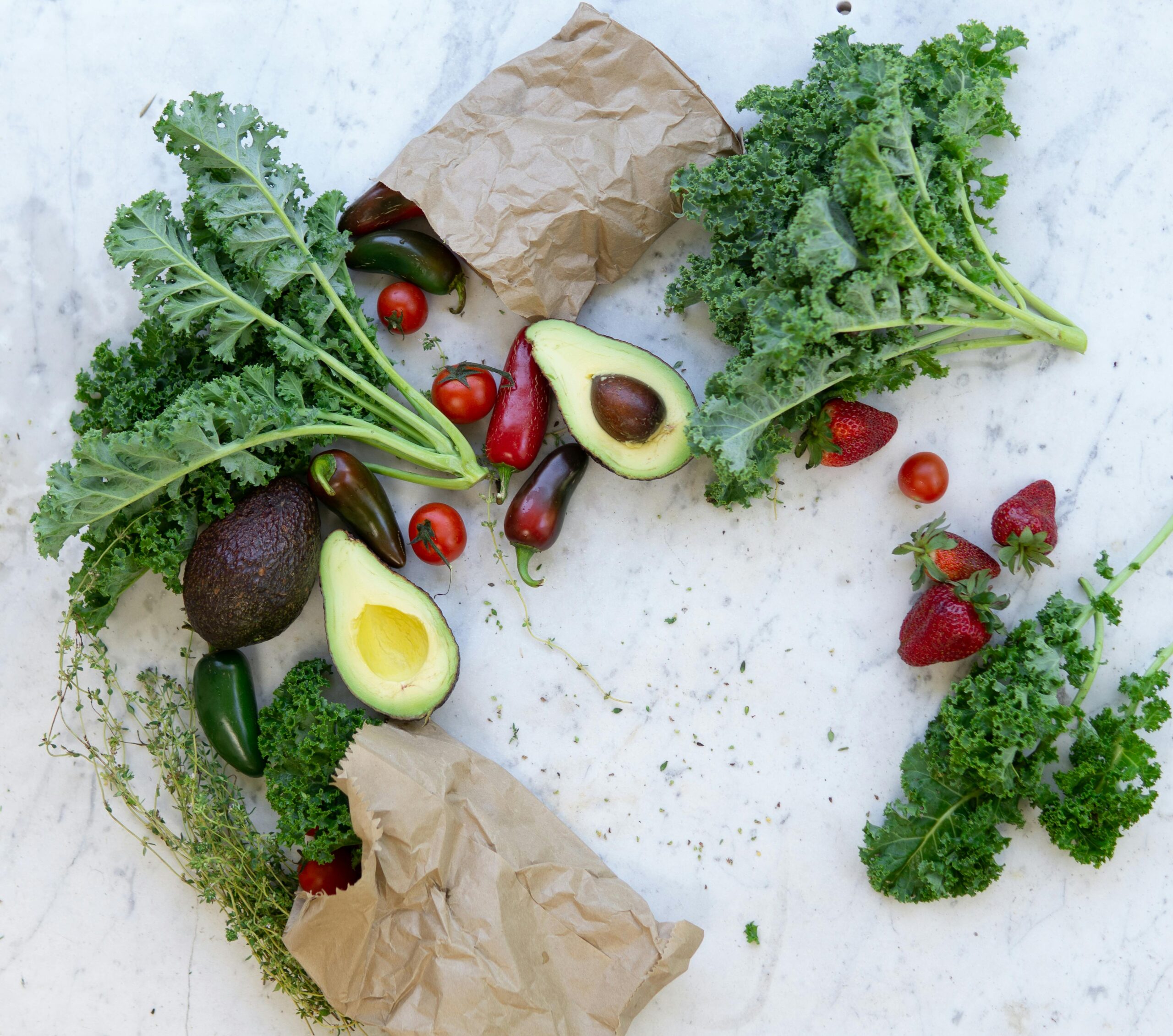
The vegetable kingdom offers abundant low-FODMAP options. Leafy greens like spinach, kale, and lettuce are unlimited. Carrots, zucchini, eggplant, bell peppers, and tomatoes add color, flavor, and nutrients to every plate.
Portion control matters with some vegetables. Green beans are safe up to 15 beans per serving. Butternut squash works in ¼ cup portions. Understanding these nuances helps you maximize variety while maintaining symptom control.
For fruits, stick with berries (strawberries, blueberries, raspberries), oranges, grapes, kiwi, and cantaloupe. Bananas are best when slightly unripe, as ripe bananas contain higher FODMAP levels. These fruits satisfy sweet cravings while providing essential vitamins and antioxidants.
Simple Cooking Techniques for Maximum Flavor
Low-FODMAP cooking doesn’t mean bland food. Smart techniques amplify natural flavors and create satisfying depth in every dish.
Mastering Garlic and Onion Alternatives
Garlic and onion present the biggest challenge for those transitioning to low-FODMAP cooking. These aromatics contain high levels of fructans, but their flavor is irreplaceable in many cuisines.
The solution? Garlic-infused oil captures the essence without the FODMAPs. Heat olive oil gently with whole garlic cloves, then remove the cloves before using the oil. The FODMAPs remain in the solid garlic while the flavor transfers to the oil.
Asafoetida powder, used in Indian cooking, provides an onion-garlic flavor profile. Green onion tops (not the white bulbs) offer mild onion taste in safe quantities. Fresh chives bring a delicate allium flavor without digestive consequences.
Building Layers of Taste Without Trigger Foods
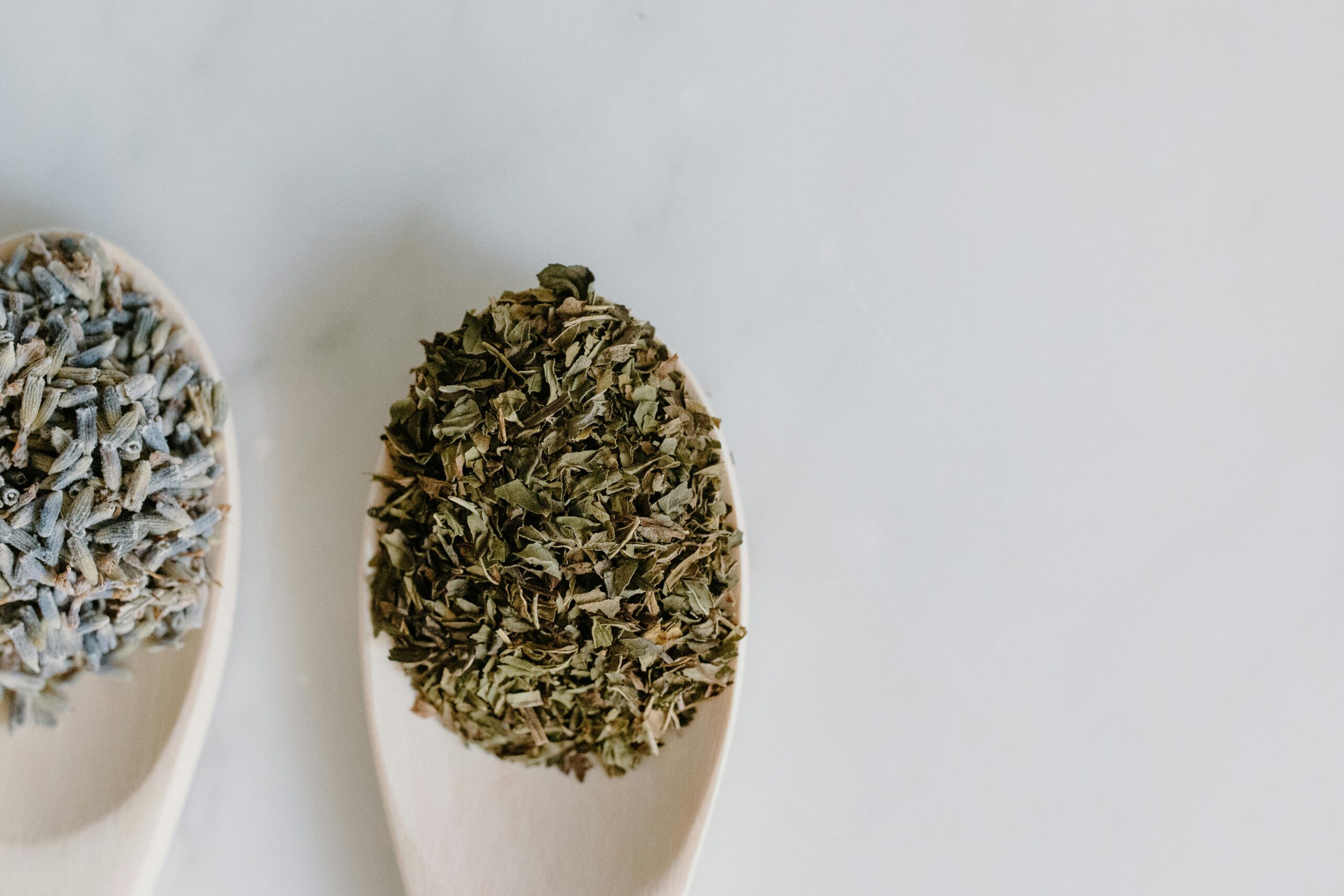
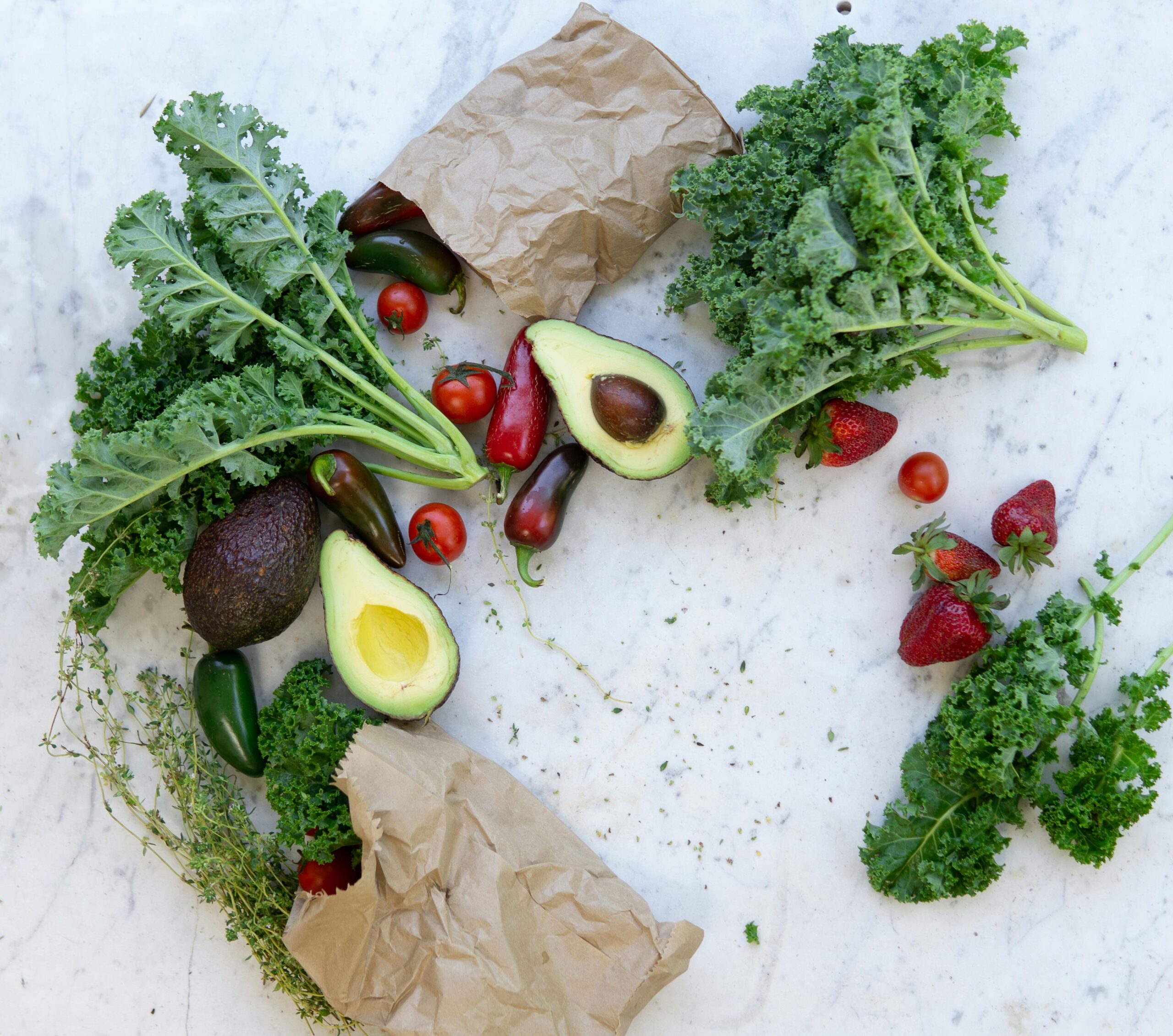
Herbs and spices become your best friends. Fresh basil, cilantro, mint, oregano, and thyme add brightness. Ginger, turmeric, cumin, paprika, and cinnamon create warmth and complexity. Nutritional yeast delivers umami depth while adding B vitamins.
Miso paste (in small amounts), tamari or soy sauce, and balsamic vinegar contribute savory notes. Citrus zest and juice brighten flavors naturally. Maple syrup and brown sugar provide safe sweetness when needed.
Deliciously Simple Recipe Ideas for Every Meal 🍽️
Energizing Breakfast Options
Start your day with a smoothie bowl blending spinach, strawberries, a small banana, almond milk (made from activated almonds), and chia seeds. Top with blueberries, pumpkin seeds, and coconut flakes for texture and nutrition.
Overnight oats made with rolled oats, lactose-free yogurt or coconut yogurt, and topped with permitted fruits create a grab-and-go option. Add a spoonful of peanut butter for protein and satisfying richness.
Savory scrambled tofu with spinach, tomatoes, and bell peppers seasoned with turmeric and nutritional yeast provides a hearty, protein-rich start. Serve with sourdough toast and avocado for a complete meal.
Satisfying Lunch Creations
Build Buddha bowls with quinoa or brown rice as the base. Add roasted vegetables like carrots, zucchini, and eggplant. Include baked tempeh marinated in garlic-infused oil, ginger, and tamari. Drizzle with tahini dressing made from tahini, lemon juice, water, and herbs.
Rice paper rolls filled with rice noodles, cucumber, carrot ribbons, bell peppers, fresh herbs, and baked tofu offer a light, refreshing option. Serve with a dipping sauce made from peanut butter, lime juice, tamari, and a touch of maple syrup.
Warming soups like carrot-ginger or tomato-basil provide comfort and ease of digestion. Blend roasted vegetables with vegetable stock, add coconut milk for creaminess, and season generously with permitted herbs and spices.
Impressive Dinner Dishes
Create a stunning stir-fry with firm tofu, bok choy, bell peppers, and bean sprouts over rice noodles. Season with garlic-infused oil, ginger, tamari, and a splash of rice vinegar. This colorful dish comes together in under 20 minutes.
Eggplant and zucchini lasagna layers thinly sliced vegetables with marinara sauce (check for added onion and garlic), firm tofu ricotta made with nutritional yeast and herbs, and a cashew cream topping. Bake until golden and bubbling.
Stuffed bell peppers filled with quinoa, diced tomatoes, spinach, olives, and seasoned tempeh crumbles showcase how diverse low-FODMAP cooking can be. Top with pine nuts for added texture and healthy fats.
Meal Planning Strategies for Long-Term Success 📅
Consistency matters when managing digestive health. Meal planning transforms what could feel restrictive into an empowering routine.
Dedicate one day weekly to meal prep. Cook large batches of grains, roast multiple trays of vegetables, and prepare proteins in advance. Store these components separately, then mix and match throughout the week for varied meals without repetitive cooking.
Keep a food and symptom diary to identify your personal tolerance levels. While Monash University provides general guidelines, individual responses vary. Some people tolerate certain foods in larger quantities than others.
Batch cooking sauces and dressings saves time and ensures flavor is always available. Make large quantities of garlic-infused oil, tahini dressing, ginger-tamari marinade, and tomato sauce. Freeze in portions for convenient use.
Navigating Social Situations and Dining Out 🎉
Social eating presents unique challenges, but preparation ensures you can participate fully in life’s moments.
When dining at restaurants, research menus in advance. Many establishments now indicate dietary accommodations. Asian restaurants often offer rice-based dishes that can be customized. Mediterranean restaurants provide salads, grilled vegetables, and olive oil-based preparations.
Communicate clearly with servers about your needs. Request dishes without garlic and onion, explaining that you have dietary restrictions. Most kitchens are willing to accommodate when given clear guidance.
For gatherings, offer to bring a dish to share. This ensures you have something safe to eat while introducing others to delicious low-FODMAP possibilities. Your contribution might inspire others to explore gut-friendly cooking.
The Reintroduction Phase: Expanding Your Options
The low-FODMAP diet isn’t meant to be permanent. After 4-6 weeks of strict elimination, begin systematically reintroducing foods to identify your specific triggers.
Test one FODMAP group at a time, starting with small amounts and gradually increasing. Wait three days between testing different foods to clearly identify reactions. Keep detailed notes about symptoms, timing, and quantities consumed.
Many people discover they tolerate certain FODMAPs well while others cause problems. This personalized approach allows you to expand your diet as much as possible while maintaining symptom control.
Work with a registered dietitian specializing in digestive health during this phase. Professional guidance ensures you’re testing correctly and interpreting results accurately, maximizing the foods you can eventually enjoy.
Nutritional Considerations for Optimal Health 💪
A well-planned plant-based low-FODMAP diet provides complete nutrition, but attention to certain nutrients ensures vibrant health.
Protein needs are easily met through tempeh, tofu, seeds, and permitted quantities of lentils. Aim for protein at every meal to maintain stable blood sugar and sustained energy.
Calcium comes from fortified plant milks, leafy greens, tahini, and almonds (in permitted portions). Vitamin B12 requires supplementation on any plant-based diet, as it’s not naturally available in plant foods.
Iron from plant sources absorbs better when paired with vitamin C. Combine iron-rich spinach, quinoa, and pumpkin seeds with vitamin C-rich bell peppers, tomatoes, and citrus fruits. Cooking in cast iron pans also increases iron content.
Omega-3 fatty acids from chia seeds, hemp seeds, and walnuts support brain health and reduce inflammation. Consider an algae-based omega-3 supplement for optimal levels.
Embracing Your Journey to Digestive Wellness 🌟
Transitioning to plant-based low-FODMAP eating represents an investment in your long-term wellbeing. The initial learning curve gives way to intuitive cooking and confident food choices.
Celebrate small victories along the way. Notice when symptoms decrease, energy increases, and life feels more predictable. These improvements motivate continued commitment to gut-friendly eating.
Connect with others on similar journeys through online communities and support groups. Sharing recipes, strategies, and encouragement creates a sense of belonging and provides practical insights.
Remember that perfection isn’t the goal—progress is. Occasional mistakes or symptoms don’t erase your overall success. Each day offers a fresh opportunity to nourish your body with foods that make you feel genuinely good.
Your gut health influences every aspect of your life—mood, energy, immune function, and overall vitality. By choosing plant-based low-FODMAP cooking solutions, you’re not just managing symptoms; you’re creating a foundation for lasting wellness and joy. This approach honors both your body’s needs and your values, proving that dietary restrictions can lead to culinary discoveries rather than limitations. Your happy gut becomes the gateway to a truly vibrant lifestyle, one delicious meal at a time.