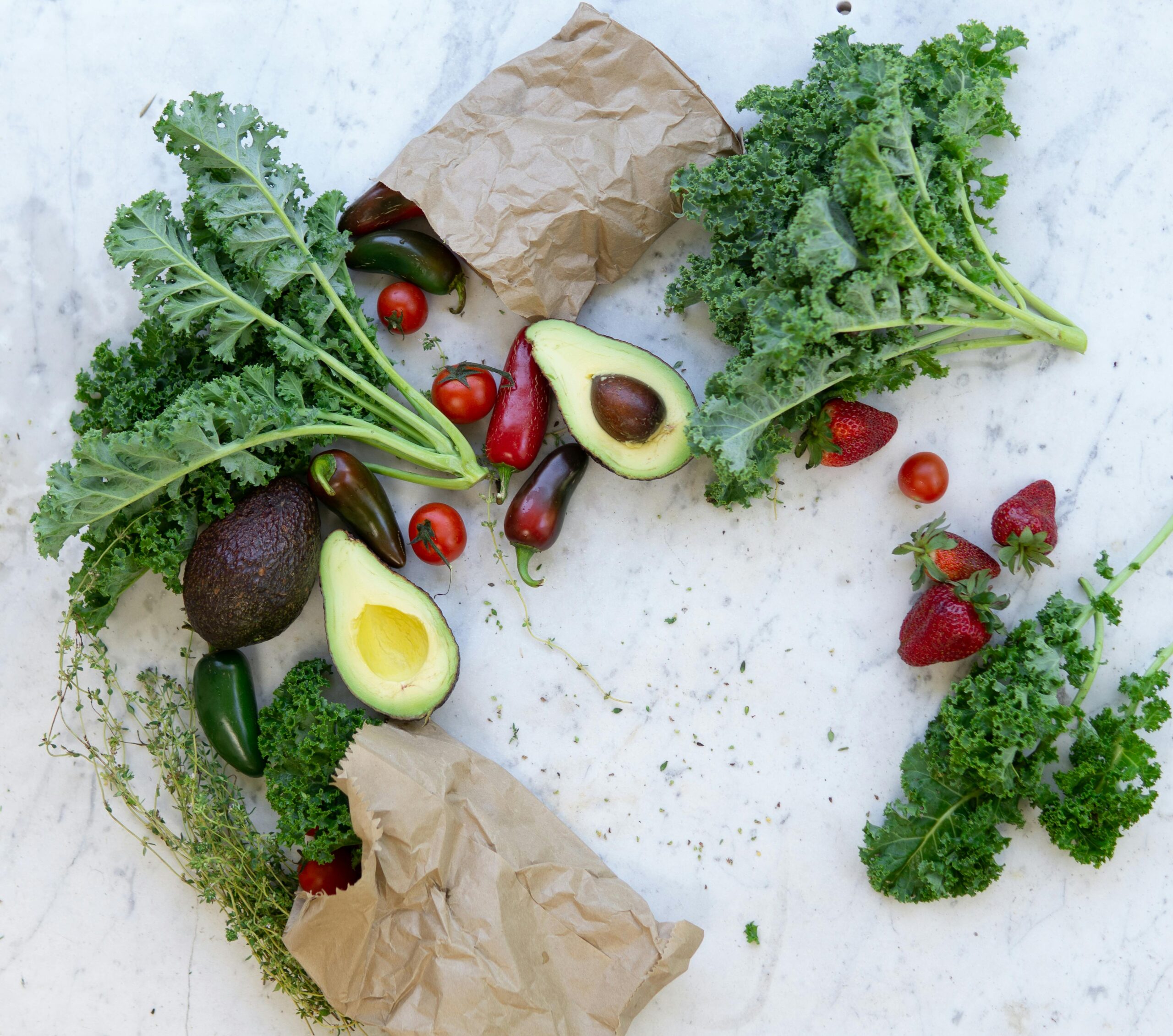
Living with digestive sensitivities doesn’t mean sacrificing flavor. A low-FODMAP diet can be delicious, satisfying, and incredibly flavorful when you know which spices and herbs to reach for.

The low-FODMAP approach, developed by researchers at Monash University, helps manage symptoms of irritable bowel syndrome (IBS) and other digestive disorders by temporarily reducing fermentable carbohydrates. While certain ingredients are off-limits during the elimination phase, the world of herbs and spices remains largely open, offering endless possibilities to transform your tummy-friendly meals from bland to grand. Understanding which seasonings work best together—and which to avoid—is the secret to culinary success on this healing journey.
🌿 Understanding Low-FODMAP Cooking Fundamentals
Before diving into pairing charts, it’s essential to understand what makes certain spices and herbs low-FODMAP friendly. Most pure, single-ingredient herbs and spices are naturally low in FODMAPs, making them perfect allies in your digestive-friendly kitchen. The trouble typically arises with blended seasonings that may contain hidden high-FODMAP ingredients like onion powder, garlic powder, or wheat-based anti-caking agents.
Fresh herbs contain minimal FODMAPs and can be used generously. Dried herbs concentrate flavors but remain safe in typical cooking quantities. The key is reading labels carefully and understanding that whole spices ground at home are always your safest bet. When purchasing pre-ground spices, look for pure, single-ingredient products without additives or fillers.
✨ Essential Low-FODMAP Herbs: Your Flavor Foundation
Fresh herbs provide the backbone of flavorful low-FODMAP cooking. Basil, with its sweet, slightly peppery notes, pairs beautifully with tomatoes, olive oil, and lemon—creating Mediterranean magic in pasta dishes and salads. Cilantro offers bright, citrusy freshness perfect for Mexican and Asian-inspired meals, complementing lime, ginger, and chili peppers wonderfully.
Parsley, often underestimated, brings grassy, clean flavors that enhance rather than overpower. Both flat-leaf and curly varieties work well, though flat-leaf tends to have more robust flavor. Use it generously in chimichurri, tabbouleh (with quinoa instead of bulgur), or simply as a finishing touch to brighten any dish.
Rosemary and thyme represent the hardy, woody herb category. These Mediterranean classics withstand long cooking times and infuse dishes with earthy, pine-like aromatics. They’re exceptional with roasted vegetables, potatoes, chicken, and lamb. Oregano rounds out the Mediterranean trio, offering pungent, slightly bitter notes that define Italian and Greek cuisines.
Fresh vs. Dried: Making the Right Choice
The general rule suggests using one-third the amount of dried herbs compared to fresh, as drying concentrates flavors. Fresh herbs shine when added at the end of cooking or used raw in salads and garnishes, preserving their delicate oils and bright flavors. Dried herbs benefit from longer cooking times, which allow their flavors to bloom and mellow, making them ideal for soups, stews, and marinades.
🔥 Spices That Bring the Heat (Without the Pain)
Contrary to what many people with sensitive stomachs assume, not all heat-bringing spices trigger digestive distress. Black pepper, one of the world’s most common seasonings, is completely low-FODMAP and adds sharp, pungent warmth to virtually any savory dish. White pepper offers similar heat with slightly more earthy, fermented notes—perfect when you don’t want black specks visible in light-colored dishes.
Paprika comes in sweet, smoked, and hot varieties, all low-FODMAP friendly. Sweet paprika adds mild pepper flavor and gorgeous red color to dishes without heat. Smoked paprika (pimentón) introduces complex, campfire-like depth that can replace the savory notes you might miss from garlic and onions. Hot paprika brings moderate heat alongside pepper sweetness.
Cayenne pepper and chili powder (pure ground chili, not blended “chili seasoning”) deliver serious heat. Use them judiciously, as capsaicin can irritate some sensitive digestive systems—though it’s not FODMAP-related. Start with small amounts and adjust according to your personal tolerance.
🌍 Building Global Flavor Profiles
One of the most exciting aspects of low-FODMAP cooking is recreating beloved global cuisines using safe ingredients. Each culinary tradition has signature flavor combinations that can be adapted beautifully.
Mediterranean Magic
Combine oregano, basil, rosemary, and thyme with lemon zest, olive oil, and black pepper for quintessential Mediterranean flavors. Add bay leaves to slow-cooked dishes and fennel seeds for subtle licorice notes in Italian sausages or tomato sauces. This combination works brilliantly with chicken, fish, roasted vegetables, and grain-free pasta dishes.
Asian-Inspired Aromatics
Fresh ginger, lemongrass, cilantro, and basil (especially Thai basil) create authentic Asian flavor foundations without high-FODMAP garlic and shallots. Add in star anise, five-spice powder, sesame oil (in small amounts), and rice vinegar for depth. White pepper often appears in Chinese cooking more than black. Turmeric adds golden color and earthy warmth to curries when garlic-infused oil provides the aromatic base you’re craving.
Latin American Vibrancy
Cumin stands as the cornerstone of Latin American cooking, offering warm, earthy notes that pair beautifully with coriander, oregano (Mexican oregano has a different, more citrusy profile), paprika, and cilantro. Add lime juice, chili peppers, and a pinch of cinnamon to create complex taco seasonings, enchilada sauces, and bean dishes without commercial spice blends containing hidden FODMAPs.
📊 Your Ultimate Low-FODMAP Spice and Herb Pairing Chart
| Primary Ingredient | Best Herb Pairings | Best Spice Pairings | Flavor Profile |
|---|---|---|---|
| Chicken | Rosemary, thyme, sage, tarragon, parsley | Paprika, cumin, black pepper, turmeric | Savory, herbaceous, warm |
| Fish & Seafood | Dill, parsley, cilantro, basil, fennel fronds | White pepper, paprika, coriander, fennel seeds | Fresh, bright, delicate |
| Beef & Lamb | Rosemary, thyme, oregano, mint, bay leaves | Black pepper, cumin, coriander, mustard seeds | Bold, robust, earthy |
| Pork | Sage, thyme, rosemary, fennel, oregano | Paprika, fennel seeds, mustard, black pepper | Savory, slightly sweet, aromatic |
| Eggs | Chives, parsley, tarragon, dill, basil | Black pepper, paprika, turmeric, white pepper | Delicate, fresh, complementary |
| Tomatoes | Basil, oregano, parsley, thyme, rosemary | Black pepper, paprika, red pepper flakes, fennel | Bright, herbaceous, Mediterranean |
| Potatoes | Rosemary, thyme, parsley, chives, dill | Paprika, black pepper, turmeric, caraway | Earthy, comforting, savory |
| Carrots | Parsley, dill, thyme, cilantro, mint | Cumin, coriander, ginger, cinnamon, cardamom | Sweet, warm, aromatic |
| Rice & Quinoa | Cilantro, parsley, thyme, bay leaves, basil | Turmeric, cumin, cardamom, saffron, coriander | Fragrant, complex, satisfying |
| Green Beans | Basil, thyme, tarragon, savory, parsley | Black pepper, mustard seeds, sesame seeds | Fresh, bright, versatile |
🎨 Creating Your Own Signature Blends
Once you’re comfortable with individual herbs and spices, creating custom blends becomes an exciting way to streamline cooking while ensuring FODMAP safety. Store these in airtight containers away from heat and light, and they’ll remain potent for months.
Italian Seasoning Blend
Mix equal parts dried basil, oregano, rosemary, and thyme with half portions of sage and marjoram. This versatile blend works in pasta sauces, on roasted vegetables, mixed into olive oil for bread dipping, or rubbed onto chicken before roasting. The combination captures the essence of Italian cooking without any hidden ingredients.
Mexican-Inspired Taco Seasoning
Combine two tablespoons cumin, one tablespoon paprika, one tablespoon chili powder, two teaspoons oregano, one teaspoon black pepper, and half teaspoon cayenne (adjust heat to preference). This replaces commercial taco seasonings that typically contain onion and garlic powder, delivering authentic flavor for tacos, fajitas, and burrito bowls.
Warming Curry Powder
Toast and grind together coriander seeds, cumin seeds, turmeric, black pepper, fenugreek seeds, and a small amount of cayenne or chili powder. Add ground ginger and a pinch of cardamom for complexity. This creates FODMAP-friendly curry bases when combined with coconut milk, ginger-infused oil, and your choice of protein and low-FODMAP vegetables.
💡 Pro Tips for Maximum Flavor Impact
Blooming spices in oil before adding other ingredients dramatically intensifies their flavors. Heat a small amount of garlic-infused oil (the garlic is removed, leaving only flavor), add your ground spices, and cook for 30-60 seconds until fragrant. This technique releases essential oils and creates a flavor foundation that permeates the entire dish.
Layer herbs throughout cooking for dimensional flavor. Add hardy herbs like rosemary and thyme early in cooking processes like braising or roasting. Finish dishes with fresh, delicate herbs like basil, cilantro, or parsley right before serving to preserve their bright, fresh qualities.
Toast whole spices before grinding them yourself. This extra step takes minutes but transforms flavor profiles completely. Heat cumin seeds, coriander seeds, or peppercorns in a dry pan until aromatic, then grind in a spice grinder or mortar and pestle. The difference is remarkable and well worth the minimal effort.
🍋 Acid and Fat: The Flavor Amplifiers
While not herbs or spices, acids and fats work synergistically with seasonings to create balanced, memorable dishes. Lemon juice, lime juice, and vinegars (except apple cider vinegar in large amounts during elimination) brighten flavors and help herbs and spices shine. A squeeze of lemon over herb-roasted chicken or a splash of red wine vinegar in your tomato sauce makes spices more pronounced and prevents flat, one-dimensional flavors.
Fat carries flavor compounds to your taste receptors and creates satisfying mouthfeel. Olive oil, butter, and coconut oil (in appropriate amounts) help distribute herbs and spices evenly throughout dishes while making them taste richer and more complex. Infusing oils with herbs like rosemary or chili peppers creates flavor-packed ingredients you can use repeatedly.
🚫 What to Watch Out For: Hidden FODMAPs in Seasonings
Vigilance with commercial spice blends prevents accidental FODMAP exposure. Many pre-mixed seasonings contain onion powder, garlic powder, or other high-FODMAP ingredients as bulking agents or flavor enhancers. Always read ingredient lists completely, looking for these common culprits.
Asafoetida (hing), popular in Indian cooking as a garlic substitute, is high in FODMAPs and should be avoided during elimination phases. Some curry powders and garam masala blends contain it. Anti-caking agents in some ground spices may include wheat-based ingredients, though this is more of a gluten concern than FODMAP one.
Quantities matter with certain spices. While most are low-FODMAP in typical serving sizes, consuming large amounts of some spices could potentially cause issues. Fennel seeds, for example, are low-FODMAP up to one tablespoon, but exceeding that amount enters moderate territory. Stick to reasonable culinary amounts and you’ll stay safely in low-FODMAP ranges.
🌟 Transforming Everyday Meals into Flavor Celebrations
Simple ingredient swaps and smart seasoning choices transform potentially bland low-FODMAP meals into dishes you genuinely crave. A plain grilled chicken breast becomes Mediterranean delight with lemon, oregano, and olive oil. White rice transcends ordinary when cooked with turmeric, bay leaves, and finished with cilantro and lime. Roasted carrots reach new heights with cumin, coriander, and fresh mint.
Build a core collection of about ten herbs and spices you use most frequently. For many people, this includes basil, oregano, cumin, paprika, black pepper, ginger, turmeric, rosemary, thyme, and cilantro. This foundation enables you to create countless flavor combinations across multiple cuisines without cluttering your spice cabinet or overwhelming your budget.
Experiment with one new herb or spice monthly. This gradual expansion prevents waste and allows you to truly understand each ingredient’s unique qualities and best applications. Keep notes about what combinations you loved and which proteins or vegetables they complemented best.
🥘 Putting It All Together: Sample Flavor Combinations
For breakfast eggs, try dill and chives with a pinch of white pepper and paprika. This bright, fresh combination works beautifully in scrambles, omelets, or frittatas with suitable vegetables like spinach and bell peppers.
Lunch salads come alive with herb-heavy vinaigrettes featuring parsley, basil, and oregano whisked with olive oil, lemon juice, Dijon mustard, salt, and pepper. Toss with mixed greens, grilled chicken, cherry tomatoes, cucumber, and olives for a satisfying low-FODMAP meal.
Dinner proteins benefit from robust seasoning. Coat salmon with dill, lemon zest, and black pepper before baking. Rub pork chops with sage, fennel seeds, and paprika before pan-searing. Season steak simply with coarse black pepper and finish with fresh thyme and herb-infused butter.
Side dishes deserve equal attention. Roast potato wedges with rosemary, paprika, and olive oil. Sauté green beans with ginger and sesame seeds. Cook quinoa with bay leaves and turmeric, then fluff with fresh cilantro and lime juice.
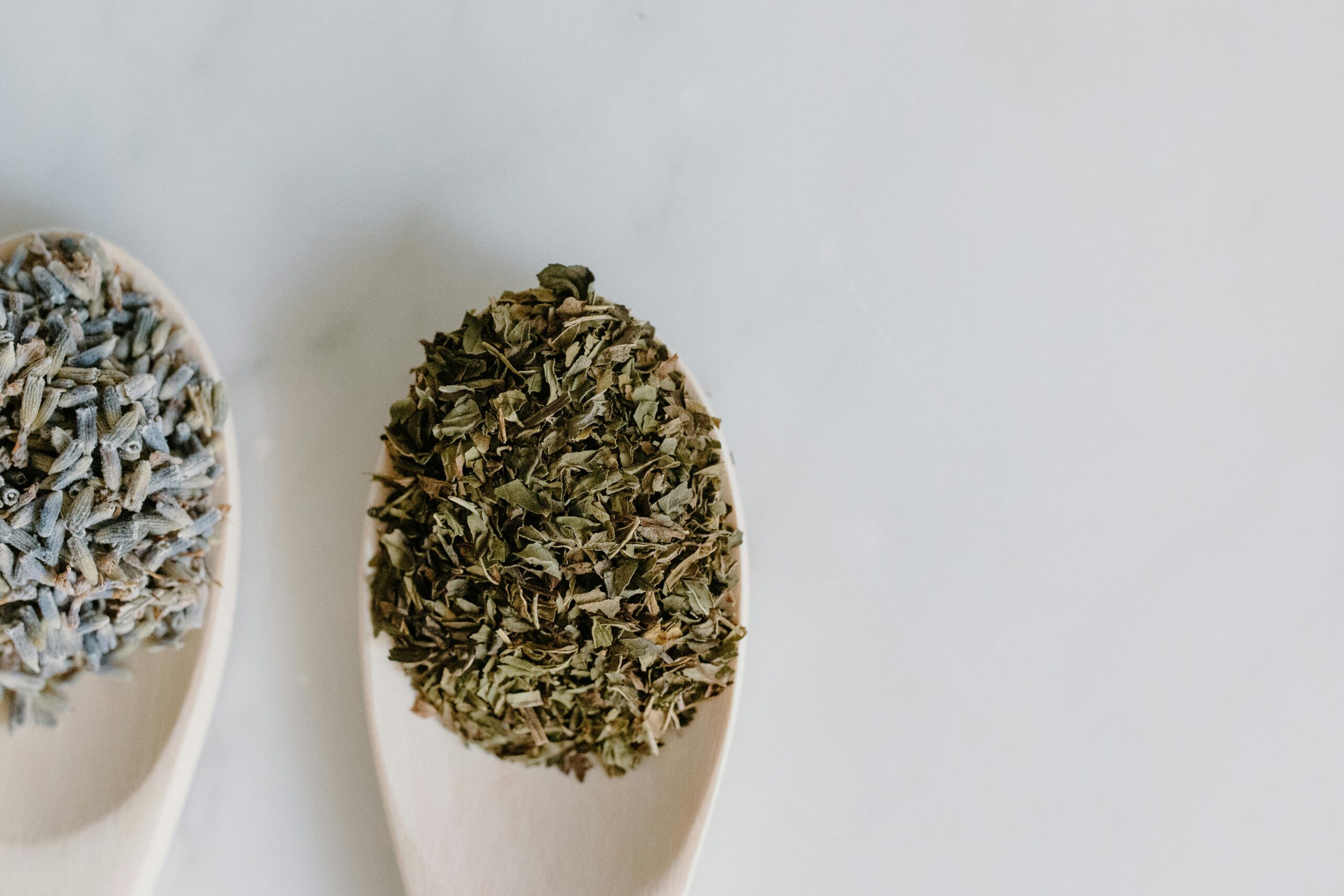
🎯 Your Flavorful Low-FODMAP Journey Starts Now
Mastering low-FODMAP cooking isn’t about restriction—it’s about rediscovering the incredible diversity of flavors available through herbs and spices. While you temporarily eliminate certain ingredients to heal your gut, you simultaneously expand your seasoning repertoire and develop more sophisticated palate awareness.
Start with familiar flavor profiles, then gradually branch into new culinary territories. Keep your pairing chart handy as a reference until these combinations become second nature. Remember that cooking is creative and personal—these guidelines provide starting points, but your preferences and tolerances should ultimately guide your choices.
The low-FODMAP diet typically includes reintroduction phases where you systematically test foods to determine your individual triggers. Throughout this process and beyond, the herb and spice knowledge you’ve gained remains valuable. Many people discover they can eventually tolerate small amounts of garlic-infused oil or green onion tops, but they continue using diverse seasonings because they’ve learned how delicious food can be without relying on just garlic and onions.
Stock your pantry with quality herbs and spices, experiment with confidence, and trust that flavorful, satisfying, tummy-friendly meals are absolutely achievable. Your digestive system and your taste buds can both be happy—and that’s worth celebrating! 🎉