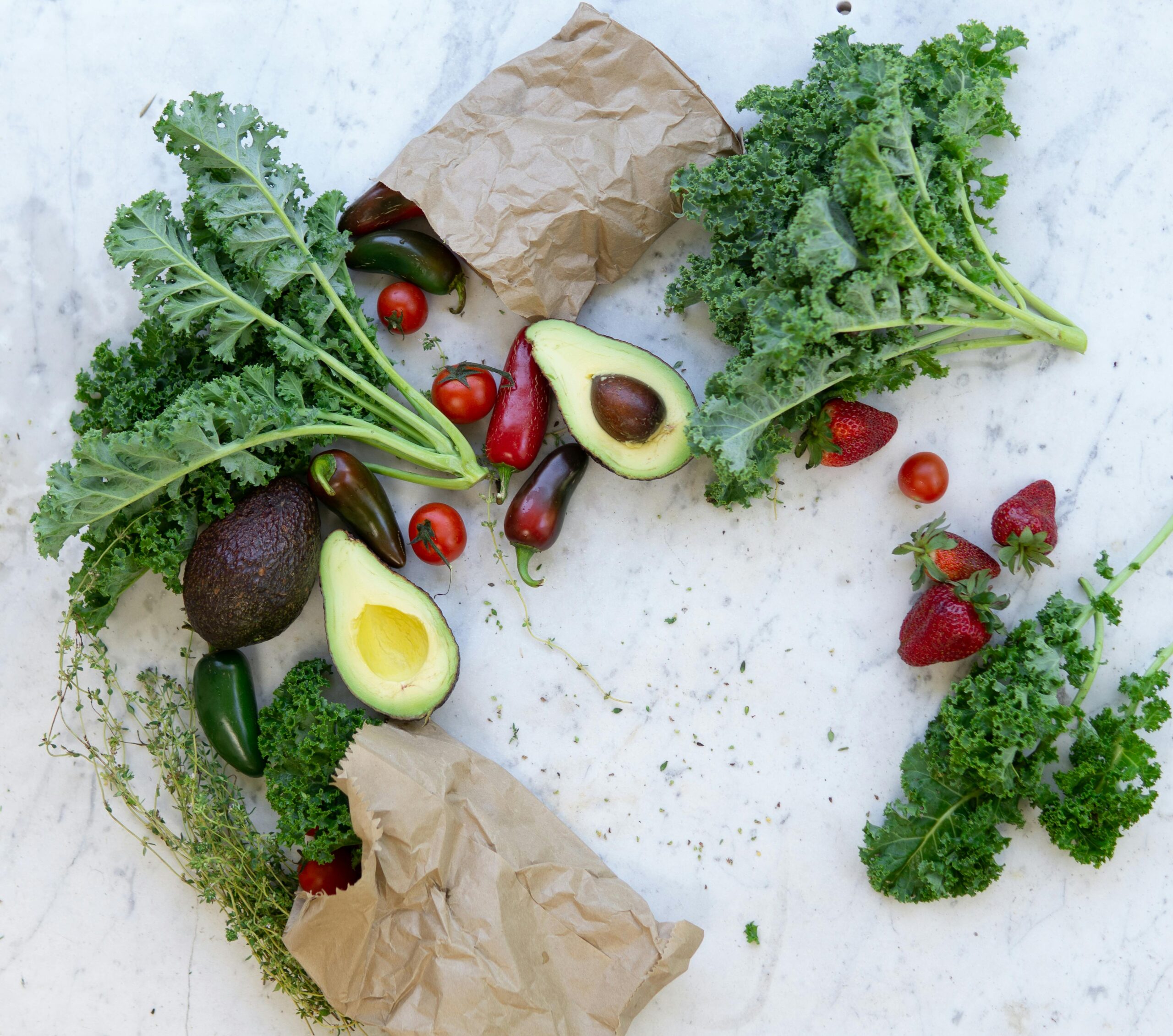
Creating a gut-friendly kitchen starts with understanding which foods support your digestive wellness and which may trigger discomfort. This comprehensive guide will transform your pantry into a low-FODMAP haven.

If you’ve been diagnosed with IBS or other digestive sensitivities, you already know that navigating food choices can feel overwhelming. The low-FODMAP diet has emerged as one of the most effective dietary approaches for managing digestive symptoms, but knowing where to start with your kitchen makeover can be challenging. Let’s break down everything you need to know about building a pantry that supports your gut health while keeping meals delicious and satisfying.
🌾 Understanding the Low-FODMAP Foundation
Before diving into specific products, it’s essential to grasp what FODMAPs actually are. FODMAP stands for Fermentable Oligosaccharides, Disaccharides, Monosaccharides, and Polyols—essentially, short-chain carbohydrates that some people struggle to digest properly. When these compounds reach the large intestine undigested, they can cause bloating, gas, cramping, and other uncomfortable symptoms.
The low-FODMAP approach isn’t meant to be permanent. It typically involves three phases: elimination, reintroduction, and personalization. During the elimination phase, which usually lasts 2-6 weeks, you’ll remove high-FODMAP foods from your diet. This is when having a well-stocked low-FODMAP pantry becomes absolutely crucial for your success.
Essential Grains and Starches for Your Low-FODMAP Pantry
Grains form the backbone of most pantries, and fortunately, several excellent options are naturally low in FODMAPs. Rice is your most versatile friend here—white rice, brown rice, jasmine rice, and basmati rice are all safe choices. Keep different varieties on hand to prevent meal monotony.
Quinoa deserves a prominent spot in your pantry as well. This protein-rich pseudo-grain works beautifully as a side dish, in salads, or as a breakfast porridge. Stick to serving sizes of about one cup cooked to stay within low-FODMAP limits.
Oats are another pantry staple, but there’s a catch: stick to quick oats or traditional rolled oats rather than instant varieties, which may contain high-FODMAP additives. A serving of half a cup of dry oats is considered low-FODMAP and makes for excellent breakfast options or baking ingredients.
Gluten-Free Alternatives That Work
If you’re avoiding gluten alongside FODMAPs, cornmeal, polenta, and certified gluten-free products are your allies. Rice pasta has come a long way in terms of texture and taste, making it an excellent substitute for wheat-based pasta. Keep several shapes on hand for different dishes—spaghetti for classic Italian meals, penne for baked dishes, and small shapes for soups.
Gluten-free bread can be tricky since many contain high-FODMAP ingredients like honey, apple juice, or inulin. Always check labels carefully, or consider making your own using low-FODMAP flours like rice flour, potato starch, and tapioca flour.
🥫 Protein Sources for Long-Term Storage
Canned and shelf-stable proteins are pantry essentials that provide quick meal solutions. Canned tuna, salmon, and sardines are all naturally low-FODMAP and packed with omega-3 fatty acids. Choose options packed in water or olive oil rather than those with added seasonings that might contain garlic or onion.
Firm tofu is low-FODMAP in servings up to 170 grams and can be kept in the pantry until opened. Tempeh, in moderate amounts (about 100 grams), is also suitable and adds wonderful texture to stir-fries and salads.
Canned legumes require careful attention. While most beans and lentils are high in FODMAPs, canned lentils that have been thoroughly rinsed can be tolerated in small amounts—about a quarter cup. Chickpeas from a can, well-drained and rinsed, are low-FODMAP at up to a quarter cup per serving.
Healthy Fats and Cooking Oils 🫒
Fats don’t contain FODMAPs, which makes them generally safe for your low-FODMAP kitchen. Extra virgin olive oil should be your go-to for salad dressings and medium-heat cooking. Keep a bottle of neutral oil like rice bran oil or light olive oil for high-heat cooking and baking.
Coconut oil adds flavor to Asian-inspired dishes and works well in baking. Store it in your pantry where it will remain solid in cooler months and liquid during warmer weather—both forms work perfectly in cooking.
Nut butters are pantry powerhouses, but you’ll need to be selective. Peanut butter (made from just peanuts and salt) is low-FODMAP in tablespoon servings. Almond butter is safe up to one tablespoon, while macadamia and pecan butters offer even more generous serving sizes.
Flavor Builders: Herbs, Spices, and Seasonings ✨
One of the biggest misconceptions about the low-FODMAP diet is that food must be bland. Nothing could be further from the truth! Your spice collection will be your secret weapon for creating exciting, flavorful meals.
Nearly all dried herbs and spices are low-FODMAP. Stock up on basil, oregano, thyme, rosemary, cumin, coriander, turmeric, paprika, and cinnamon. These aromatics add depth without causing digestive distress.
The exception to the spice-friendly rule is garlic and onion powder, which are high in FODMAPs and should be avoided during the elimination phase. However, you can use garlic-infused oil as a substitute since the FODMAPs don’t transfer into the oil. Keep a bottle of quality garlic-infused olive oil in your pantry for that beloved garlic flavor without the digestive consequences.
Condiments and Flavor Enhancers
Building flavor in low-FODMAP cooking often relies on having the right condiments. Soy sauce or tamari (for gluten-free needs) is low-FODMAP and adds umami depth to countless dishes. Fish sauce works similarly and is particularly valuable in Southeast Asian recipes.
Mustard, both yellow and Dijon varieties, are typically low-FODMAP. Check labels to ensure no high-FODMAP sweeteners have been added. Vinegars—white, red wine, rice, and balsamic—are all safe choices for dressings and marinades.
Mayonnaise made with suitable oils and without garlic is low-FODMAP and incredibly useful for sandwiches, salads, and as a base for other sauces. Look for brands with simple ingredient lists or consider making your own.
📦 Baking Essentials for Low-FODMAP Treats
Just because you’re following a low-FODMAP diet doesn’t mean you have to give up baking. With the right ingredients, you can create delicious breads, cookies, and cakes that support your digestive health.
Rice flour is your most versatile baking flour. Combine it with potato starch and tapioca starch to create a blend that mimics all-purpose flour. The typical ratio is 2 parts rice flour to 1 part potato starch to 1 part tapioca starch.
For sweeteners, white sugar, brown sugar, and maple syrup are all low-FODMAP. Avoid honey, agave nectar, and high-fructose corn syrup during the elimination phase. Glucose syrup is an excellent low-FODMAP option for recipes that need a liquid sweetener.
Baking powder and baking soda are fine to use, as are vanilla extract, cocoa powder, and dark chocolate chips (check for added high-FODMAP ingredients). Coconut milk in canned form works beautifully in baking and cooking—just check that it doesn’t contain added gums that might cause issues.
🥤 Beverages and Drink Options
Staying hydrated is crucial for digestive health, and your beverage choices matter. Water should always be your primary drink, but having variety keeps things interesting.
Coffee and tea are both low-FODMAP, though some people find that excessive caffeine can aggravate symptoms. Black tea, green tea, peppermint tea, and herbal blends like rooibos are all excellent options. Keep a selection in your pantry for different moods and times of day.
For coffee alternatives, look for chicory-free options, as chicory root is high in FODMAPs. Rice milk and almond milk in small quantities are suitable low-FODMAP milk alternatives—check labels to ensure no high-FODMAP additives have been included.
Smart Snacking: Pantry-Stable Options 🍿
Having convenient snacks ready prevents you from reaching for potentially problematic foods when hunger strikes. Rice cakes are a classic low-FODMAP snack that can be topped with peanut butter, cheese, or sliced strawberries.
Plain popcorn is low-FODMAP and satisfies that crunchy craving. Pop it yourself on the stovetop or in an air popper rather than relying on microwave varieties that often contain high-FODMAP seasonings.
Rice crackers, corn chips, and potato chips (plain varieties) work well for snacking. Pair them with low-FODMAP dips like salsa made without onion or garlic, or a simple guacamole using the low-FODMAP portion of avocado.
Dark chocolate in moderate amounts is low-FODMAP and can satisfy sweet cravings. Keep individually wrapped portions on hand to make portion control easier. Nuts like macadamias, pecans, and walnuts are low-FODMAP in specified amounts and make nutrient-dense snacks.
Organizing Your Low-FODMAP Pantry for Success 📋
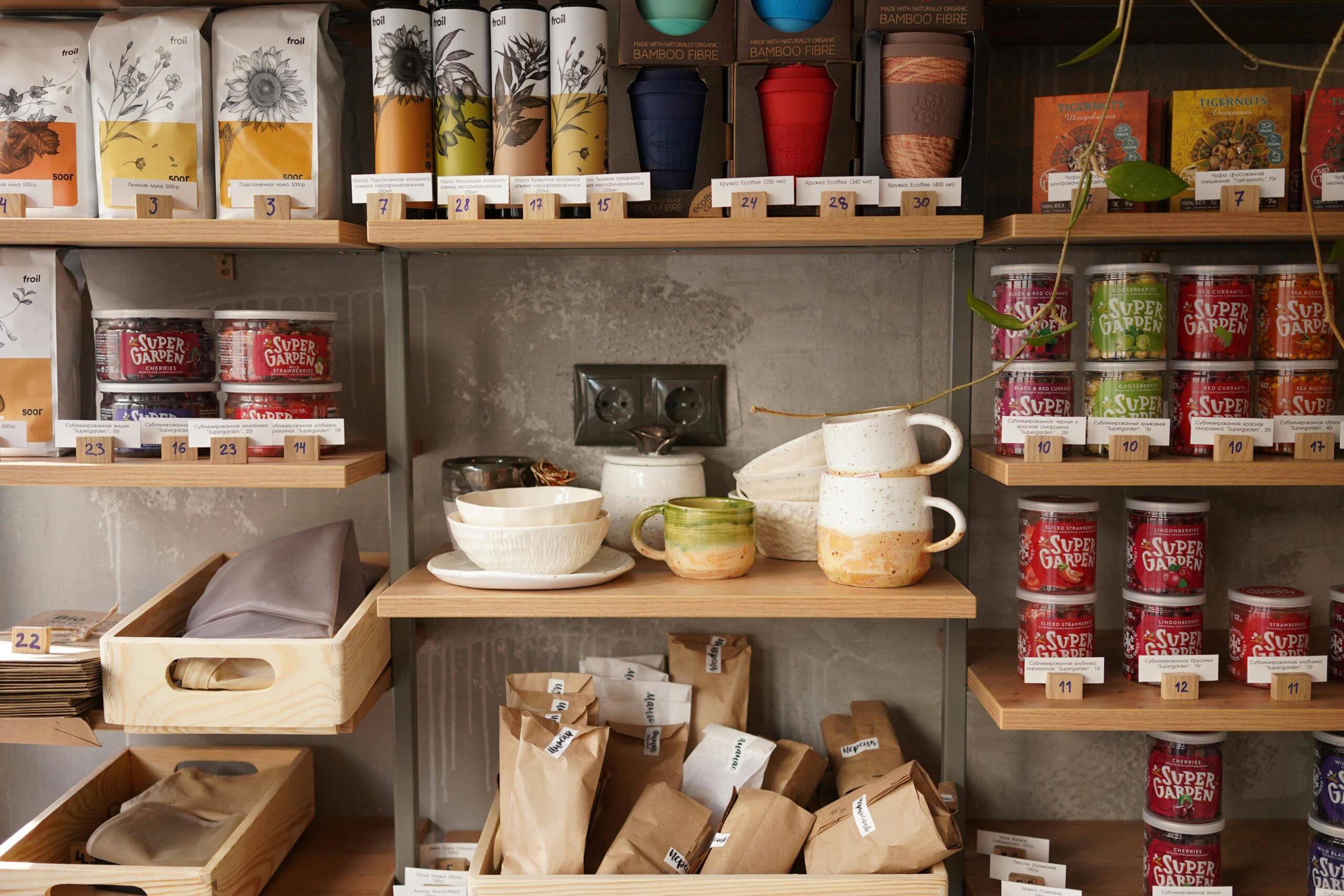
Having the right foods is only half the battle—organizing them effectively makes meal preparation easier and reduces stress. Designate specific areas or shelves for different food categories: grains and pasta, canned goods, baking supplies, snacks, and seasonings.
Clear, labeled containers keep dry goods fresh and make it easy to see what you have at a glance. This organization system prevents you from accidentally purchasing duplicates and helps you notice when supplies are running low.
Consider creating a master list of your low-FODMAP staples and keep it posted inside a cabinet door. This list becomes invaluable for grocery shopping and ensures you never forget essential items.
Label Reading: Your Most Important Skill
Becoming proficient at reading ingredient labels is non-negotiable for low-FODMAP success. High-FODMAP ingredients often hide under various names: inulin, fructo-oligosaccharides, chicory root, agave, honey, apple juice concentrate, high-fructose corn syrup, and polyol sweeteners like sorbitol, mannitol, xylitol, and maltitol.
When in doubt, stick to products with simple, recognizable ingredients. The fewer ingredients listed, the easier it is to identify potential FODMAP sources. Many manufacturers are now creating specifically low-FODMAP certified products, which take the guesswork out of shopping.
Building Your Shopping Strategy 🛒
Stocking a low-FODMAP pantry doesn’t require buying everything at once. Start with basics—rice, pasta, oil, and your favorite spices—then gradually add specialty items as your budget allows.
Buy versatile ingredients that work across multiple recipes. Rice, for instance, serves as a side dish, can be made into fried rice, works in stuffed peppers, and can even be transformed into rice pudding for dessert. This approach maximizes value while minimizing pantry clutter.
Take advantage of bulk sections for items you use frequently, like rice, quinoa, and certain nuts. Buying in bulk often reduces costs and allows you to purchase exactly the amount you need, particularly helpful when you’re still determining which products you’ll use most often.
Seasonal Adjustments and Pantry Maintenance 🔄
Your low-FODMAP pantry should evolve with the seasons. During summer, stock up on ingredients for cold salads and light meals. Winter calls for hearty grains, canned tomatoes for sauces, and baking supplies for comfort foods.
Implement a first-in-first-out rotation system to ensure older items get used before newer purchases. Check expiration dates quarterly and reorganize as needed. Even shelf-stable items lose quality over time, so using ingredients while they’re fresh ensures the best flavor and nutritional value.
Your Empowered Low-FODMAP Journey Begins Here 🌟
Building a gut-friendly kitchen transforms the low-FODMAP diet from an overwhelming challenge into a sustainable lifestyle. With these pantry essentials at your fingertips, you’re equipped to create delicious, satisfying meals that support your digestive wellness without sacrificing flavor or variety.
Remember that the low-FODMAP diet is a tool for identifying your personal triggers, not a permanent restriction. As you progress through elimination and reintroduction phases, your pantry will evolve to reflect your individual tolerances. What begins as a carefully curated selection of safe foods eventually becomes a personalized collection that supports your unique digestive needs.
Start small, stay consistent, and celebrate each step forward. Your gut-friendly kitchen is more than just a collection of foods—it’s an investment in your health, comfort, and quality of life. With confidence and the right supplies, you’re ready to take control of your digestive wellness one meal at a time.