Struggling to stay full and energized throughout the day? The secret lies in building meals that are rich in protein and strategically designed to combat hunger hormones while supporting your body’s nutritional needs.

Protein is the cornerstone of satiety, playing a crucial role in regulating appetite, stabilizing blood sugar levels, and maintaining lean muscle mass. When you prioritize protein-packed meals, you’re not just eating—you’re fueling your body with the nutrients it needs to thrive from morning until night. This comprehensive guide will show you exactly how to create meal templates that keep hunger at bay and energy levels soaring.
🔋 Why Protein Is Your Secret Weapon Against Hunger
Protein stands out among macronutrients for its unique ability to trigger satiety signals in your brain. When you consume protein-rich foods, your body releases hormones like peptide YY and GLP-1, which communicate fullness to your brain while simultaneously suppressing ghrelin, the hunger hormone.
Beyond appetite control, protein requires more energy to digest than carbohydrates or fats—a phenomenon known as the thermic effect of food. This means your body burns approximately 20-30% of the calories from protein just through digestion, compared to only 5-10% for carbohydrates and 0-3% for fats.
Adequate protein intake also preserves muscle mass during weight loss, keeps your metabolism humming, and supports countless bodily functions including immune health, hormone production, and tissue repair. For most adults, aiming for 0.8 to 1 gram of protein per pound of body weight daily provides optimal benefits.
🍳 The Perfect Protein-Powered Breakfast Template
Starting your day with a protein-rich breakfast sets the tone for sustained energy and reduced cravings. Research consistently shows that high-protein breakfasts lead to better appetite control throughout the day compared to carbohydrate-heavy alternatives.
The Breakfast Formula
Build your morning meal around this simple template:
- Base Protein (25-35g): Eggs, Greek yogurt, cottage cheese, protein powder, or lean meat
- Fiber-Rich Carbs: Oatmeal, whole grain toast, berries, or vegetables
- Healthy Fats: Avocado, nuts, seeds, or nut butter
- Volume Boosters: Leafy greens, tomatoes, mushrooms, or peppers
Breakfast Template Examples
Power Scramble: Three whole eggs plus two egg whites scrambled with spinach, mushrooms, and cherry tomatoes. Serve with half an avocado and a slice of whole grain toast. Total protein: approximately 30g.
Greek Yogurt Bowl: One cup plain Greek yogurt topped with half cup mixed berries, two tablespoons chopped walnuts, one tablespoon chia seeds, and a drizzle of honey. Total protein: approximately 25g.
Protein Pancake Stack: Pancakes made with protein powder, oats, banana, and eggs. Top with almond butter and fresh fruit. Total protein: approximately 28g.
🥗 Lunch Templates That Keep Afternoon Energy Stable
The midday meal is critical for maintaining productivity and preventing the dreaded afternoon energy crash. A well-constructed lunch should provide substantial protein while incorporating diverse nutrients to sustain you for hours.
The Build-Your-Bowl Method
This flexible template works for meal prep and daily assembly alike:
- Protein Foundation (30-40g): Grilled chicken, salmon, lean beef, tofu, tempeh, or chickpeas
- Complex Carbohydrates: Quinoa, brown rice, sweet potato, or whole grain pasta
- Colorful Vegetables: At least two cups of mixed raw or cooked vegetables
- Healthy Fat Source: Olive oil dressing, tahini, nuts, or cheese
- Flavor Enhancers: Herbs, spices, lemon juice, or fermented foods
Practical Lunch Combinations
Mediterranean Power Bowl: Six ounces grilled chicken breast over mixed greens with cucumber, tomatoes, red onion, kalamata olives, and feta cheese. Dress with olive oil and lemon juice. Serve with half cup quinoa. Protein: approximately 45g.
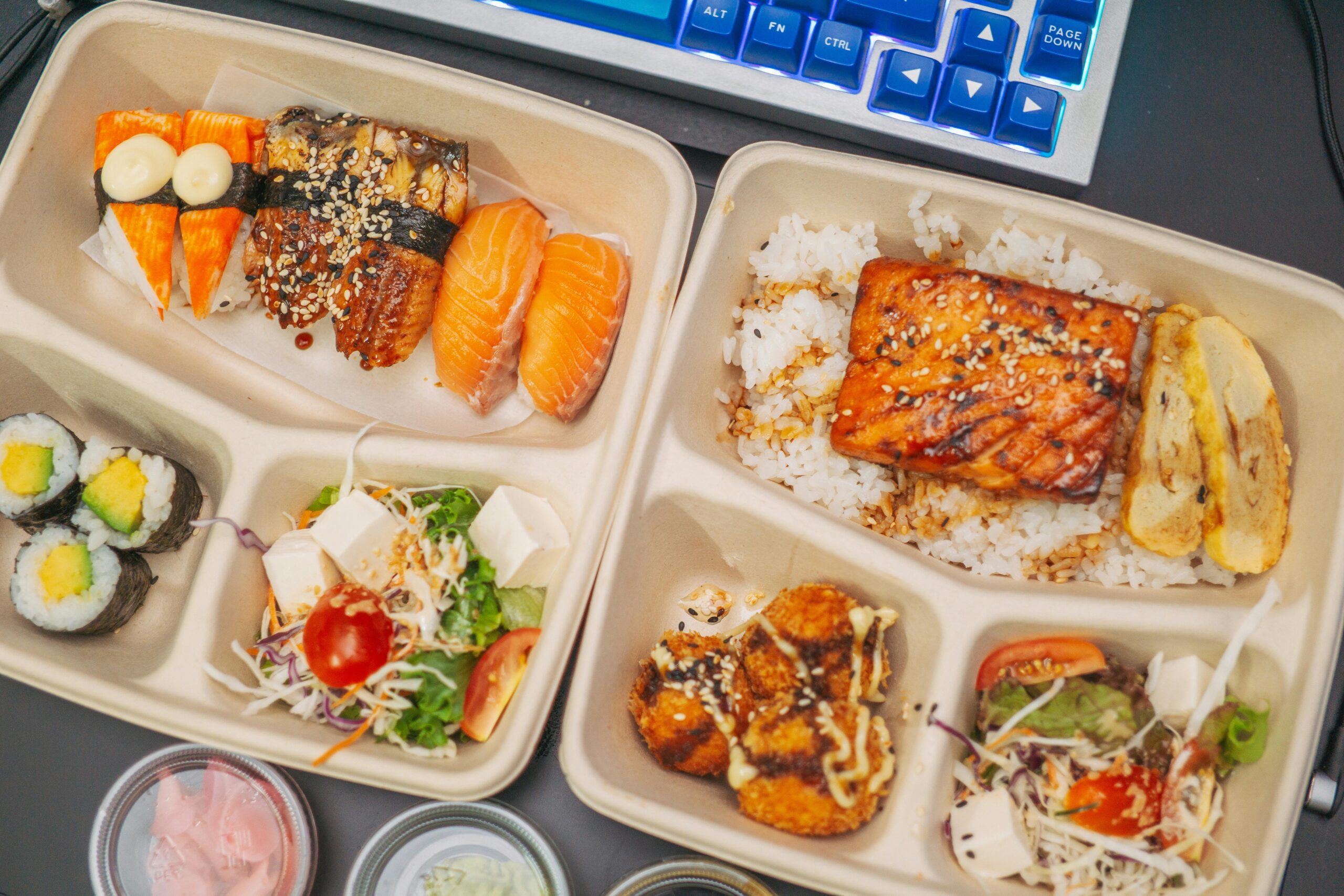
Asian-Inspired Salmon Bowl: Five ounces baked salmon on a bed of stir-fried broccoli, snap peas, and carrots over brown rice. Top with sesame seeds and a ginger-soy dressing. Protein: approximately 35g.
Southwestern Chicken Salad: Sliced grilled chicken, black beans, corn, bell peppers, and avocado over romaine lettuce with salsa and a lime-cilantro dressing. Protein: approximately 40g.
🍽️ Dinner Strategies for Evening Satisfaction
Your evening meal should be substantial enough to prevent late-night snacking while supporting overnight muscle recovery and metabolic processes. Dinner is an excellent opportunity to incorporate larger portions of vegetables while maintaining adequate protein intake.
The Plate Method for Dinner
Visualize your dinner plate divided into sections:
- Half the plate: Non-starchy vegetables (broccoli, cauliflower, Brussels sprouts, leafy greens, zucchini)
- Quarter of the plate: Lean protein source (palm-sized portion, approximately 4-6 ounces)
- Quarter of the plate: Complex carbohydrates or starchy vegetables
- Side addition: Small amount of healthy fats
Dinner Template Ideas
Sheet Pan Protein and Vegetables: Six ounces cod or chicken with roasted Brussels sprouts, bell peppers, and red onions. Serve with roasted sweet potato wedges brushed with olive oil. Protein: approximately 40g.
Stir-Fry Excellence: Lean beef strips or extra-firm tofu with mixed vegetables (bok choy, snap peas, mushrooms, carrots) in a savory sauce over cauliflower rice or regular brown rice. Protein: approximately 35-40g.
Turkey Meatballs with Zoodles: Homemade turkey meatballs served over spiralized zucchini noodles with marinara sauce, topped with Parmesan cheese and a side salad. Protein: approximately 38g.
🥤 Strategic Snacks to Bridge the Gaps
Even with balanced meals, strategic snacking can help maintain energy levels and prevent excessive hunger between meals. The key is choosing snacks that provide protein alongside other nutrients rather than relying on simple carbohydrates alone.
High-Protein Snack Options
Quick Grab-and-Go: Hard-boiled eggs (6g protein each), string cheese (7g protein), Greek yogurt cups (15-20g protein), or protein bars with minimal added sugar (15-20g protein).
Prepared Combinations: Apple slices with almond butter, celery sticks with hummus, cottage cheese with cherry tomatoes, or turkey roll-ups with cucumber and mustard.
Homemade Options: Protein energy balls made with oats, protein powder, and nut butter; roasted chickpeas seasoned with spices; or Greek yogurt parfaits assembled in mason jars.
📊 Protein Distribution Throughout the Day
Recent research suggests that distributing protein evenly across meals, rather than concentrating it at dinner, may optimize muscle protein synthesis and enhance satiety. Aim for approximately 25-40 grams of protein per main meal.
| Meal | Protein Target | Timing Consideration |
|---|---|---|
| Breakfast | 25-35g | Within 1-2 hours of waking |
| Lunch | 30-40g | 4-5 hours after breakfast |
| Dinner | 30-40g | 4-6 hours after lunch |
| Snacks (1-2) | 10-15g each | Between main meals as needed |
🌱 Plant-Based Protein Templates
Those following vegetarian or vegan lifestyles can absolutely achieve optimal protein intake with thoughtful planning. The key is combining various plant proteins throughout the day to ensure complete amino acid profiles.
Complete Plant-Based Proteins
Quinoa, soy products (tofu, tempeh, edamame), and hemp seeds contain all essential amino acids. Other excellent plant proteins include lentils, chickpeas, black beans, nutritional yeast, and seitan.
Vegan Meal Template
Breakfast: Tofu scramble with black beans, nutritional yeast, and vegetables. Serve with whole grain toast and avocado. Protein: approximately 25g.
Lunch: Lentil and quinoa bowl with roasted vegetables, tahini dressing, and pumpkin seeds. Protein: approximately 30g.
Dinner: Baked tempeh with stir-fried vegetables and brown rice, topped with cashews. Protein: approximately 35g.
💪 Meal Prep Strategies for Success
Consistent protein intake becomes significantly easier when you prepare components in advance. Dedicating a few hours weekly to meal prep ensures you always have protein-rich options available, reducing the temptation to reach for less nutritious convenience foods.
Batch Cooking Proteins
Prepare multiple protein sources simultaneously: bake several chicken breasts, grill a large portion of salmon, cook a big batch of hard-boiled eggs, and prepare dried beans or lentils. Store properly portioned amounts in the refrigerator for quick assembly throughout the week.
Pre-Portioned Containers
Invest in quality meal prep containers and portion out complete meals or individual components. This approach eliminates guesswork and ensures consistent protein intake without requiring daily cooking marathons.
🧪 Optimizing Protein Absorption and Utilization
Consuming protein is only half the equation—your body must effectively digest and absorb it. Several strategies can enhance protein utilization and maximize the benefits of your carefully planned meals.
First, avoid consuming excessive protein in a single meal. While your body can process large amounts, distributing intake more evenly throughout the day appears more effective for muscle protein synthesis. Second, pair protein with digestive-supporting foods like fermented vegetables, ginger, or digestive enzymes if needed.
Adequate hydration also plays a crucial role in protein metabolism, as does sufficient sleep and stress management. These lifestyle factors significantly impact how efficiently your body uses the protein you consume.
🎯 Customizing Templates to Your Needs
The templates provided serve as starting points, but individual protein requirements vary based on body weight, activity level, age, and health goals. Athletes and highly active individuals may require the upper end of protein recommendations or even higher amounts.
Those managing specific health conditions should consult healthcare providers before dramatically increasing protein intake. Kidney disease, for instance, may require protein moderation, while pregnancy and lactation increase protein needs.
Adjusting Portions Based on Goals
For weight loss, maintain high protein intake while reducing overall calories through smaller portions of carbohydrates and fats. For muscle building, increase total calories while keeping protein high. For maintenance, find the balance that keeps you satisfied without excess.
🔍 Tracking and Monitoring Progress
While obsessive tracking isn’t necessary for everyone, periodically monitoring your protein intake helps ensure you’re meeting targets. Several smartphone apps make this process straightforward, allowing you to log meals and view nutritional breakdowns instantly.
Pay attention to how different protein amounts and distributions affect your hunger, energy levels, and overall well-being. This personal feedback is invaluable for fine-tuning your approach over time.
🌟 Building Sustainable Protein Habits
The most effective nutrition strategy is one you can maintain long-term. Rather than viewing protein-packed meals as a temporary diet, integrate these templates into your lifestyle as permanent habits. Start by implementing one meal at a time, gradually building your repertoire of go-to protein-rich options.
Experiment with different protein sources, preparation methods, and flavor combinations to prevent monotony. The variety in available protein foods means you never need to eat the same meals repeatedly unless you choose to do so.
Remember that occasional flexibility is part of sustainable eating. Life includes celebrations, travel, and unexpected situations. The goal is consistency over perfection—making protein-rich choices most of the time while allowing room for life’s spontaneous moments.
🚀 Taking the Next Step in Your Nutrition Journey
Armed with these protein-packed templates, you now have the tools to transform your daily eating patterns and experience the sustained satisfaction that comes from properly fueled meals. The reduction in hunger, stabilized energy levels, and improved body composition that follow consistent protein intake create a positive feedback loop, making healthy eating increasingly effortless.
Start with the templates that appeal most to your taste preferences and lifestyle. Gradually expand your rotation as you discover new favorite combinations. Track how you feel—not just physically, but mentally and emotionally—as adequate protein profoundly impacts mood, focus, and overall quality of life.
The journey to optimized nutrition doesn’t require perfection from day one. Each protein-rich meal is a step toward better health, regardless of what came before or what comes after. By prioritizing this essential macronutrient and using flexible templates that fit your life, you’re building a foundation for lasting vitality and satisfaction that extends far beyond hunger control alone.