In today’s fast-paced world, finding time to prepare nutritious meals feels nearly impossible for busy professionals. The constant juggle between career demands, personal commitments, and self-care often leaves healthy eating as the first casualty.

Yet eating well doesn’t have to mean spending hours in the kitchen every night or resorting to expensive takeout. Meal prep has emerged as the ultimate solution for professionals who want to maintain their health without sacrificing precious time or sanity. By dedicating just a few strategic hours each week, you can transform your relationship with food, reduce stress, and reclaim control over your nutrition and schedule.
🎯 Why Meal Prep is a Game-Changer for Working Professionals
Meal prepping isn’t just another food trend—it’s a systematic approach to eating that addresses the core challenges busy professionals face. When you’re working long hours, dealing with unexpected meetings, or managing multiple projects, the last thing you want is to stress about what’s for dinner.
The average professional spends approximately 90 minutes daily on meal-related activities, from deciding what to eat to shopping, cooking, and cleaning up. Meal prep condenses these scattered moments into one efficient session, freeing up hours throughout your week for what truly matters.
Beyond time savings, meal prep delivers financial benefits that compound over time. The typical working professional spends between $200-400 monthly on lunch alone. By preparing meals in advance, you can reduce food expenses by 40-60% while simultaneously improving nutritional quality.
Understanding Different Meal Prep Approaches
Not all meal prep looks the same, and finding the right approach depends on your lifestyle, preferences, and goals. The beauty of meal prepping is its flexibility—you can customize the system to fit your unique needs rather than forcing yourself into a rigid framework.
The Batch Cooking Method
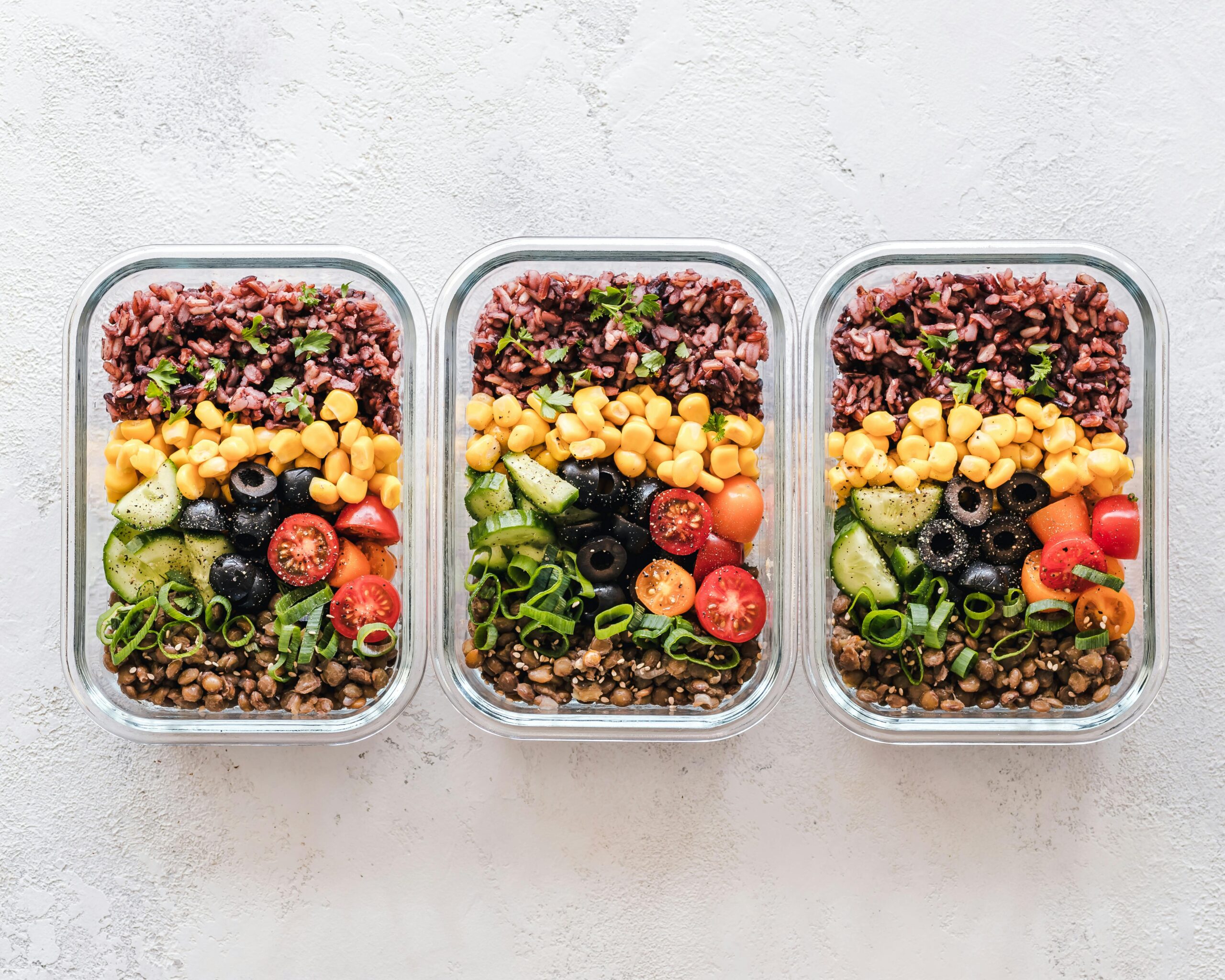
Batch cooking involves preparing complete meals in large quantities and portioning them into individual containers. This approach works exceptionally well for professionals with predictable schedules who don’t mind eating similar meals throughout the week. You might cook a large pot of chili, portion it into five containers, and have lunch sorted for the entire workweek.
This method maximizes efficiency and minimizes decision fatigue. When hunger strikes during a busy workday, you simply grab a pre-made meal without thinking. The consistency also makes calorie tracking easier for those with specific fitness or health goals.
The Component Prep Strategy
Component prep takes a more flexible approach by preparing individual ingredients rather than complete meals. You might roast several pounds of vegetables, cook a variety of proteins, prepare grains, and create different sauces separately. Throughout the week, you mix and match these components to create diverse meals.
This strategy appeals to professionals who crave variety or have unpredictable schedules. It prevents food boredom while still providing the convenience of pre-prepared ingredients. You maintain creativity in the kitchen without starting from scratch each time.
The Hybrid Approach
Many successful meal preppers combine both methods, preparing some complete meals while keeping prepped components available for spontaneous combinations. You might batch cook breakfasts and lunches while keeping dinner components flexible based on evening plans and cravings.
🗓️ Creating Your Personal Meal Prep Schedule
Success in meal prep begins with establishing a consistent routine that aligns with your lifestyle. The key is making prep sessions non-negotiable appointments with yourself, just like important work meetings.
Most professionals find Sunday afternoons or evenings ideal for meal prep, as it sets them up for success during the busiest part of the week. However, if you work weekends or have Sunday commitments, Wednesday evening or Saturday morning might work better. The specific day matters less than the consistency.
Start by blocking out 2-3 hours for your prep session. As you become more efficient with practice, you may reduce this to 90 minutes while still producing a week’s worth of meals. During this time, eliminate distractions—put your phone on silent, play energizing music, and treat it as productive “me time.”
Essential Tools and Equipment for Efficient Meal Prep
Investing in the right tools transforms meal prep from a tedious chore into a streamlined system. You don’t need expensive gadgets, but certain items dramatically increase efficiency and results.
Quality food storage containers form the foundation of any meal prep system. Glass containers with secure lids offer durability, microwave safety, and the ability to see contents at a glance. Aim for a variety of sizes to accommodate different meal types and portion sizes. BPA-free plastic containers work as a lighter, more affordable alternative for those concerned about weight or budget.
A reliable set of sharp knives cuts prep time significantly—literally. Dull knives slow you down and increase injury risk. Invest in at least one quality chef’s knife and keep it properly sharpened. A cutting board large enough for comfortable chopping prevents constant cleaning and repositioning.
Sheet pans and baking dishes allow you to cook multiple items simultaneously, maximizing oven space. You can roast vegetables on one sheet while baking chicken on another, dramatically reducing cooking time compared to sequential preparation.
A slow cooker or Instant Pot provides hands-off cooking that’s perfect for busy professionals. Load ingredients in the morning or set a delayed start, and return home to perfectly cooked proteins, soups, or stews. These appliances excel at tough cuts of meat that become tender and flavorful with minimal effort.
📋 Strategic Planning: The Blueprint for Success
Effective meal prep begins long before you enter the kitchen. Strategic planning prevents waste, saves money, and ensures you actually enjoy the meals you’ve prepared.
Conducting a Kitchen Inventory
Before planning meals, assess what you already have. Check your refrigerator, freezer, and pantry for ingredients nearing expiration or items you’ve been meaning to use. Building meals around existing ingredients reduces waste and shopping expenses while clearing space for new items.
Selecting Recipes Wisely
Choose recipes that share common ingredients to minimize shopping lists and prevent unused items from languishing in your refrigerator. If one recipe calls for cilantro, find another that uses it too. Look for recipes with similar cooking methods so you can prepare multiple dishes simultaneously.
Consider your schedule for the upcoming week. If you have dinner plans on Wednesday, prep four lunches instead of five. If you know Thursday will be particularly stressful, schedule your most comforting meal for that day.
Creating an Efficient Shopping List
Organize your shopping list by store sections—produce, proteins, dairy, pantry items—to minimize backtracking and save time. Many professionals find that online grocery ordering with curbside pickup or delivery eliminates the time-consuming shopping trip entirely, though it does add a small cost premium.
⏱️ Time-Saving Techniques That Actually Work
Once you’ve planned and shopped, implementing smart techniques during your prep session multiplies efficiency without compromising quality.
Mise en Place: Professional Prep at Home
This French culinary term means “everything in its place,” and it’s how professional chefs work efficiently. Before you start cooking, wash and chop all vegetables, measure seasonings, and prepare proteins. Having everything ready before heat hits the pan prevents scrambling and reduces errors.
Simultaneous Cooking Methods
Maximize appliance use by running multiple cooking processes simultaneously. While rice cooks on the stovetop, roast vegetables in the oven and simmer beans in the slow cooker. Use every available heat source to compress cooking time dramatically.
Strategic Seasoning and Flavor Variations
Cook proteins and vegetables simply, then add different seasonings and sauces throughout the week. Plain grilled chicken becomes Mexican-inspired with salsa and cumin, Asian-style with soy sauce and ginger, or Mediterranean with lemon and oregano. This approach provides variety without multiplying prep work.
🥗 Building Balanced, Nutritious Meals
Meal prep means nothing if the meals themselves don’t support your health and energy needs. Understanding basic nutritional principles ensures your prepped meals fuel performance rather than just filling space.
Every meal should include three components: protein, complex carbohydrates, and vegetables or fruit. Protein provides satiety and supports muscle maintenance, especially important for professionals sitting most of the day. Aim for a palm-sized portion of chicken, fish, lean beef, tofu, or legumes.
Complex carbohydrates provide sustained energy without blood sugar spikes that lead to afternoon crashes. Choose brown rice, quinoa, sweet potatoes, whole grain pasta, or oats over refined options. A fist-sized portion typically suffices for most professionals.
Vegetables should comprise the largest portion of your plate, providing fiber, vitamins, minerals, and phytonutrients. Vary colors throughout the week to ensure diverse nutrient intake—dark leafy greens, red peppers, orange carrots, purple cabbage, and white cauliflower each offer unique benefits.
Healthy fats in moderate amounts support hormone production, nutrient absorption, and satiety. Include avocado, nuts, seeds, olive oil, or fatty fish like salmon. A thumb-sized portion provides adequate fat without excess calories.
Storage Strategies for Maximum Freshness
Proper storage determines whether your prepped meals remain delicious and safe throughout the week. Understanding how different foods store optimally prevents soggy salads, mushy vegetables, and unappetizing textures.
Most cooked meals maintain quality for 3-4 days when refrigerated properly at 40°F or below. Store items you’ll eat later in the week in the freezer, then transfer to the refrigerator the night before consumption. This approach extends your effective meal prep window beyond four days.
Keep wet and dry components separate when possible. Store salad dressings in small containers and add just before eating. Keep crispy toppings separate from hot components. This extra step preserves textures that make meals enjoyable rather than merely edible.
Label containers with contents and dates using masking tape and permanent marker. This simple habit prevents mystery meals and ensures you consume items before quality declines. It’s surprisingly easy to forget what’s in identical containers after a few days.
🚀 Overcoming Common Meal Prep Obstacles
Even with perfect planning, challenges arise. Anticipating common obstacles and having solutions ready ensures you maintain consistency rather than abandoning the system when difficulties appear.
The “I’m Too Tired” Trap
After a demanding work week, the last thing you want is to spend hours cooking. Combat this by scheduling prep during higher-energy times or breaking it into smaller sessions. Prep proteins on Sunday, vegetables on Monday, and assemble meals on Tuesday. Shorter sessions feel less overwhelming and fit more easily into varied schedules.
Food Boredom and Flavor Fatigue
Eating identical meals five days straight tests anyone’s willpower. Combat monotony by preparing just 2-3 days at a time, freezing half your prep for later, or mastering the component method that allows infinite combinations. Theme days also help—Mexican Monday, Asian Tuesday, Mediterranean Wednesday creates structure while providing variety.
Unexpected Schedule Changes
Spontaneous dinner invitations or working lunches can derail meal plans. Build flexibility by freezing portions immediately rather than refrigerating everything. Frozen meals serve as backup options when plans change, preventing waste and maintaining your prep investment.
Budget-Friendly Meal Prep Strategies
Eating well shouldn’t break the bank. Strategic approaches allow you to prep nutritious meals while actually reducing food expenses compared to restaurant dining or convenience foods.
Shop seasonal produce when prices drop due to abundance. Summer tomatoes and zucchini cost a fraction of winter prices, while fall squash and root vegetables become affordable and delicious. Frozen vegetables offer nutrition comparable to fresh at lower prices with longer storage life and zero prep work.
Buy proteins on sale and freeze extras for future prep sessions. Whole chickens cost significantly less per pound than breasts but require minimal extra effort to roast and portion. Ground meats, canned tuna, eggs, and legumes provide affordable protein options that taste excellent in diverse preparations.
Generic store brands typically match name-brand quality for staples like rice, pasta, canned goods, and spices at 20-40% lower prices. Splurge on items where quality matters to you—perhaps organic berries or grass-fed beef—while economizing on other items.
⚡ Advanced Strategies for Meal Prep Veterans
Once you’ve mastered basic meal prep, advanced techniques can further optimize your system, reduce time investment, and increase meal quality.
Theme-based batch cooking involves preparing large quantities of one cuisine type using overlapping ingredients and techniques. Mexican month might include burrito bowls, taco salads, enchiladas, and fajitas all using similar base ingredients—beans, rice, peppers, onions, and proteins—with slight variations in preparation and presentation.
Freezer meal swaps with friends or coworkers multiply variety without additional work. Each person prepares a large batch of one meal, then exchanges portions. You invest the same time but end up with multiple meal types. This works especially well with coworkers who understand each other’s dietary preferences and restrictions.
Prep station optimization treats your kitchen like an assembly line. Group similar tasks—all chopping happens together, all seasoning happens together, all portioning happens together. This focused approach reduces mental switching costs and increases speed through repetition and rhythm.
🎉 Making Meal Prep Sustainable Long-Term
The most perfect meal prep system fails if you can’t maintain it consistently. Sustainability requires psychological understanding as much as logistical planning.
Grant yourself permission for imperfection. Some weeks you’ll prep five perfect meals; other weeks you’ll manage only three or rely on simple sandwiches and pre-washed salads. Consistency matters more than perfection. A mediocre system you actually use beats a perfect system you abandon.
Build in treats and favorites so meal prep doesn’t feel restrictive. If pizza brings you joy, include it weekly. If chocolate is non-negotiable, incorporate small portions into your plan. Deprivation leads to rebellion; satisfaction enables consistency.
Regularly reassess and adjust your system. What worked when you started might not suit your current situation. Perhaps your schedule changed, or you’ve improved skills that allow more ambitious recipes. Evolution keeps the system fresh and aligned with your developing needs.
Track your wins to maintain motivation during challenging weeks. Note time saved, money preserved, energy gained, and health improvements. These tangible benefits remind you why you’re investing effort when motivation wanes.
Your Journey to Stress-Free Eating Begins Now
Mastering meal prep transforms more than just your diet—it reclaims time, reduces stress, improves health, and creates mental space for what matters most in your professional and personal life. The investment of a few hours weekly returns dividends daily through better energy, improved focus, and the quiet confidence that comes from taking control of a fundamental life aspect.
Start small rather than attempting perfection immediately. Choose one meal to prep this week—perhaps just lunches—and build from there as confidence and efficiency grow. The system that works is always better than the perfect system you never implement.
Your future self, rushing between meetings or facing a demanding deadline, will thank you for the nourishing meal waiting in the refrigerator. That’s not just food—it’s an act of self-care, a statement that you matter, and a practical solution to one of modern professional life’s most persistent challenges.