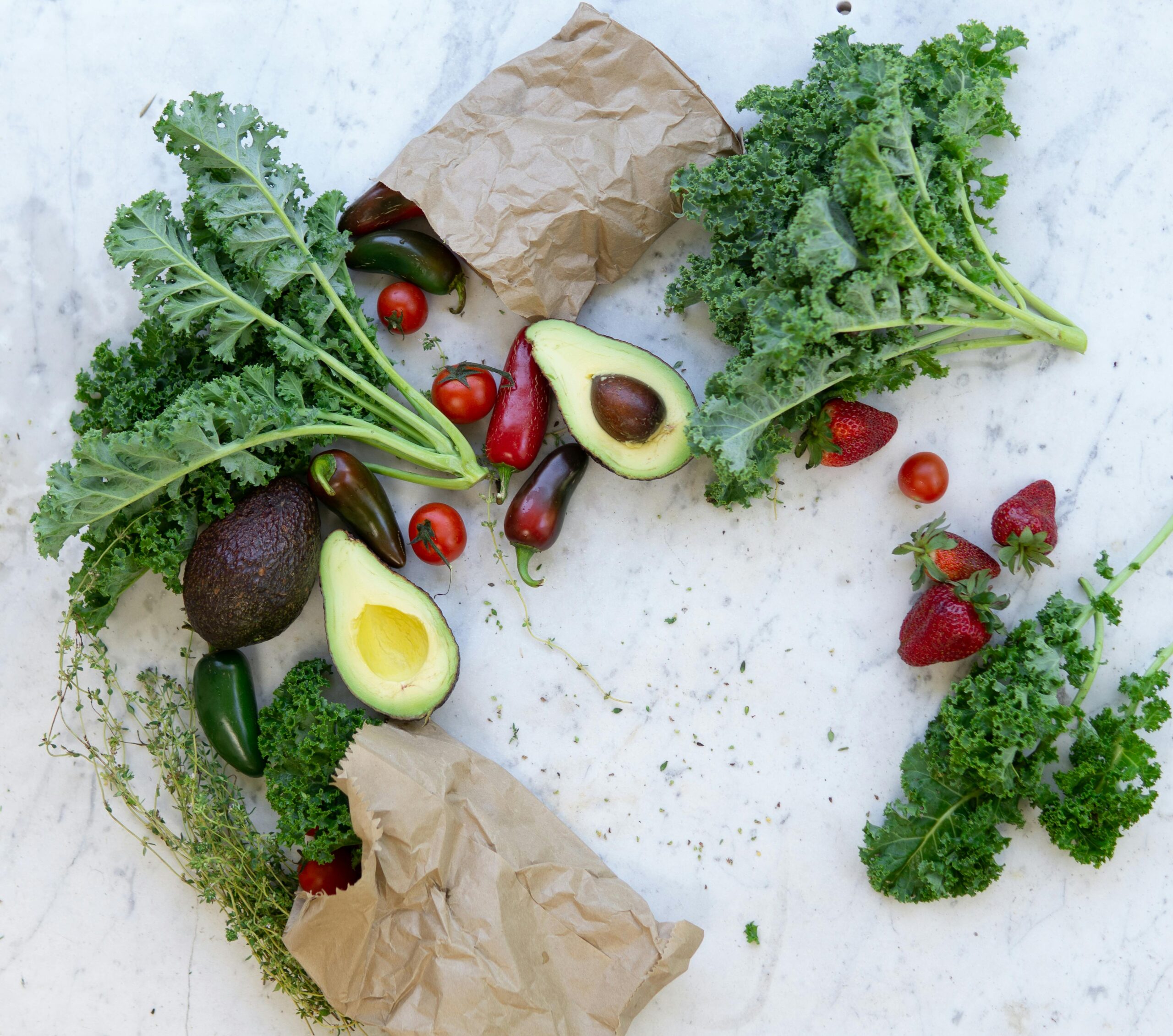
In a world where portion distortion has become the norm and mindless eating dominates our daily routines, taking control of what and how much we consume has never been more crucial for our health and wellbeing.

The journey toward healthier eating habits doesn’t require extreme diets or complicated calorie counting systems. Instead, it begins with awareness—understanding what a proper portion size looks like and developing a mindful relationship with food. This is where education-first portion-size tracking worksheets come into play, offering a practical, visual, and effective approach to transforming your eating habits without the stress of traditional dieting methods.
🍽️ Understanding the Portion Size Problem in Modern Eating
Over the past few decades, portion sizes have increased dramatically in restaurants, packaged foods, and even in our own homes. What we consider “normal” today would have been considered excessive just thirty years ago. This gradual inflation of serving sizes has significantly contributed to rising obesity rates and related health concerns worldwide.
Research shows that when people are served larger portions, they tend to eat more—often without even realizing it. This phenomenon, known as the “portion size effect,” demonstrates how environmental cues override our natural hunger and satiety signals. The problem isn’t just willpower; it’s about retraining our visual perception of what constitutes an appropriate amount of food.
Traditional approaches to portion control often involve tedious calorie counting or weighing every morsel of food, which becomes unsustainable for most people. This is precisely why an education-first approach to portion tracking offers such a refreshing alternative—it focuses on learning and awareness rather than restriction and punishment.
What Makes an Education-First Portion-Size Tracking Worksheet Different?
Unlike conventional food journals that focus solely on numbers and calories, an education-first portion-size tracking worksheet prioritizes understanding and visualization. These worksheets are designed to teach you about proper portion sizes while you track your meals, creating a learning experience rather than just a recording exercise.
The key features of these worksheets include visual references for portion sizes, educational tips about nutritional balance, and prompts that encourage mindful eating practices. Instead of making you feel guilty about what you’ve eaten, they help you recognize patterns, understand your hunger cues, and make informed adjustments gradually.
This approach recognizes that sustainable change comes from knowledge and awareness, not from rigid rules or deprivation. By combining tracking with education, you develop skills that last a lifetime rather than just following temporary dietary restrictions.
🧠 The Science Behind Mindful Eating and Portion Awareness
Mindful eating is rooted in the Buddhist concept of mindfulness—bringing full attention to the present moment without judgment. When applied to eating, this means being fully present during meals, noticing the colors, smells, textures, and flavors of your food, and paying attention to your body’s hunger and fullness signals.
Scientific studies have consistently shown that mindful eating practices lead to better portion control, reduced binge eating, improved digestion, and greater satisfaction from meals. When you eat mindfully, you’re more likely to notice when you’re comfortably full rather than continuing to eat until you’re uncomfortably stuffed.
The connection between mindful eating and portion awareness is powerful. As you become more attuned to your body’s signals and the eating experience itself, you naturally become more aware of how much food you actually need versus how much you’re habitually consuming. This awareness is the foundation for lasting change in your eating patterns.
Essential Components of an Effective Portion-Size Tracking Worksheet
A well-designed portion-size tracking worksheet should include several key elements that work together to support your journey toward healthier eating habits. Understanding these components helps you maximize the benefits of using such a tool.
Visual Portion Size References
The most valuable feature of any portion-size worksheet is clear visual references that help you estimate serving sizes without measuring equipment. These typically use everyday objects as comparison tools—such as a deck of cards for protein portions, a tennis ball for fruit servings, or your fist for carbohydrate portions.
These visual cues are essential because they make portion awareness practical and accessible in real-world situations, whether you’re eating at home, at a restaurant, or at a social gathering. Over time, these references become internalized, allowing you to assess portions automatically.
Educational Nutritional Information
Quality worksheets incorporate brief educational snippets about nutrition, helping you understand not just how much to eat, but also why balanced meals matter. This might include information about macronutrients, the importance of fiber, or how different foods affect your energy levels and satiety.
This educational component transforms the worksheet from a simple tracking tool into a learning resource that builds your nutritional literacy over time. The more you understand about nutrition, the better equipped you are to make informed choices independently.
Mindful Eating Prompts
Effective worksheets include prompts that encourage you to reflect on your eating experience beyond just what and how much you ate. Questions like “How hungry were you before eating?” or “What emotions were present during this meal?” help you identify patterns and triggers in your eating behavior.
These reflective prompts are crucial for developing the self-awareness that underlies sustainable behavior change. They help you recognize emotional eating patterns, identify true physical hunger versus psychological cravings, and understand the contexts in which you tend to overeat.
📋 How to Use Your Portion-Size Tracking Worksheet Effectively
Simply having a worksheet isn’t enough—knowing how to use it effectively makes all the difference in achieving your health goals. The following strategies will help you get the most from your tracking practice.
Start with Observation, Not Judgment
In your first week of tracking, focus entirely on observation without trying to change your eating habits. This baseline period allows you to see your current patterns clearly without the distortion that comes from trying to “be good” on the worksheet. Remember, you can’t improve what you don’t accurately measure first.
During this observation phase, pay special attention to portion sizes compared to the visual references on your worksheet. You may be surprised to discover that your typical serving of pasta is actually three or four portions according to standard guidelines, or that your protein portions are smaller than recommended.
Track Immediately After Eating
For the most accurate tracking, fill out your worksheet immediately after meals rather than trying to recall everything at the end of the day. Memory is surprisingly unreliable when it comes to what and how much we’ve eaten—a phenomenon known as “dietary recall bias.”
Immediate tracking also reinforces mindfulness by requiring you to pause and reflect on what you’ve just eaten. This brief moment of awareness can have a significant impact on your subsequent food choices throughout the day.
Look for Patterns Weekly
Rather than obsessing over individual meals or days, review your worksheets weekly to identify broader patterns. Do you consistently eat larger portions at dinner? Are your vegetable servings consistently lower than recommended? Do certain emotions or situations correlate with overeating?
These patterns provide actionable insights that allow you to make targeted adjustments. Instead of trying to overhaul everything at once, you can focus on one or two specific areas for improvement each week, making the process manageable and sustainable.
🥗 Practical Tips for Mastering Portion Sizes in Different Settings
Portion awareness needs to work in all contexts of your life, not just when you’re carefully measuring food at home. These practical strategies help you maintain appropriate portions wherever you eat.
At Home
Use smaller plates and bowls to naturally reduce portion sizes without feeling deprived. Research shows that the same amount of food appears more substantial on a smaller plate, satisfying our visual expectations while actually containing less food. Start meals with a glass of water and a serving of vegetables to take the edge off hunger before you serve main dishes.
Prepare appropriate portions in the kitchen rather than serving family-style at the table, which encourages multiple helpings. If you’re still genuinely hungry after finishing your plate, wait ten minutes before deciding whether to get more—often the delay allows satiety signals to reach your brain.
At Restaurants
Restaurant portions are notoriously oversized, sometimes containing two to three times the appropriate serving size. Before you start eating, visually divide your plate into proper portions based on your worksheet references, and plan to take the rest home. Alternatively, ask for a to-go container when your meal arrives and box up the excess immediately.
Don’t be afraid to order appetizer portions as your main course, or to share an entree with a dining companion. Remember that you’re paying for the dining experience and quality of food, not necessarily the quantity.
At Social Gatherings
Social eating situations present unique challenges because food is often tied to celebration, hospitality, and connection. Use a smaller plate if available, and take time to survey all the options before filling your plate so you can make intentional choices rather than piling on everything impulsively.
Focus on the social aspects of the gathering rather than making food the central focus. Position yourself away from the food table to reduce mindless grazing, and keep your hands occupied with a beverage or by engaging in conversation.
Common Mistakes to Avoid When Tracking Portion Sizes
Even with the best intentions, people often fall into certain traps when beginning portion-size tracking. Being aware of these common mistakes helps you avoid them and maintain a healthy, sustainable practice.
One significant mistake is becoming overly rigid and perfectionistic about tracking. Remember that the goal is awareness and gradual improvement, not perfection. Missing a day or estimating a portion size roughly is perfectly acceptable—what matters is the overall pattern of awareness and learning.
Another common pitfall is focusing exclusively on quantity while ignoring quality. Proper portion sizes of highly processed, nutrient-poor foods still won’t support optimal health. Your worksheet should help you balance both the amount and the nutritional quality of what you’re eating.
Some people also make the mistake of using portion tracking as a form of punishment or restriction, which creates an unhealthy relationship with food and the tracking process itself. The worksheet should feel like a helpful tool, not a taskmaster. If tracking begins to feel obsessive or anxiety-inducing, it’s important to step back and reassess your approach.
💪 Building Long-Term Success with Portion Awareness
The ultimate goal of using a portion-size tracking worksheet is to develop intuitive portion awareness that doesn’t require constant tracking. This internalization process typically takes several months of consistent practice, but the skills you develop become automatic over time.
As you progress, you’ll notice that you can accurately estimate portion sizes at a glance, that you naturally stop eating when satisfied rather than when your plate is empty, and that you make balanced food choices without needing to consult references. This is the true measure of success—not perfect tracking, but developed competence and confidence.
Plan to use your worksheet intensively for at least eight to twelve weeks to establish new habits and perceptions. After this initial period, you might transition to periodic check-ins—perhaps tracking for one week each month to ensure you’re maintaining your awareness and haven’t drifted back toward larger portions.
Integrating Technology with Traditional Tracking Methods
While paper worksheets offer valuable tactile engagement with the tracking process, many people find that combining traditional methods with digital tools enhances their success. Several apps provide portion-size guidance and tracking features that complement worksheet-based approaches.
Digital tools can offer additional features like photo documentation of meals, automatic nutritional calculations, and trend analysis over time. However, the educational and mindfulness components of a well-designed worksheet remain valuable regardless of whether you track on paper or digitally.
The key is finding the method or combination of methods that feels sustainable and helpful for your lifestyle. Some people prefer the simplicity and unplugged nature of paper tracking, while others appreciate the convenience and analytical capabilities of apps. Experiment to discover what works best for you.
🌟 Transforming Your Relationship with Food Through Awareness
Beyond the practical benefits of appropriate portion sizes and healthier eating patterns, using an education-first portion-size tracking worksheet can fundamentally transform your relationship with food. This transformation moves you away from deprivation-based dieting and toward a balanced, sustainable approach to nourishment.
As you develop greater awareness through tracking and education, food becomes less about restriction and more about nourishment, pleasure, and self-care. You learn to trust your body’s signals, make informed choices that align with your health goals, and enjoy eating without guilt or anxiety.
This shift in mindset is perhaps the most valuable outcome of the education-first approach. When you understand why certain eating patterns support your health and when you’ve developed the skills to implement that knowledge practically, you’re equipped for lifelong success rather than just temporary results.
Creating Your Personalized Action Plan
To maximize your success with portion-size tracking, develop a personalized action plan that addresses your specific challenges, lifestyle, and goals. Start by identifying your primary motivations—whether it’s managing weight, improving energy levels, addressing health conditions, or simply developing a healthier relationship with food.
Next, assess your current eating patterns honestly. What are your biggest portion-control challenges? When and where do you tend to overeat? What emotions or situations trigger excessive consumption? This self-assessment provides the foundation for targeted strategies.
Set realistic, specific goals that focus on behaviors rather than outcomes. Instead of “lose 20 pounds,” try “track my portions consistently for 30 days” or “reduce my dinner portions to match recommended serving sizes.” Behavioral goals are within your control and lead naturally to positive outcomes.
Finally, identify the support and resources you need. This might include printing multiple copies of your worksheet, setting phone reminders to track meals, enlisting a friend as an accountability partner, or scheduling regular review sessions to assess your progress and adjust your approach as needed.
Your Journey Toward Smarter, Healthier Meals Starts Today
Mastering mindful eating and portion awareness is a journey, not a destination. There will be learning curves, occasional setbacks, and moments of frustration along the way. What matters most is your commitment to the process and your willingness to approach this journey with curiosity and self-compassion rather than judgment.
An education-first portion-size tracking worksheet provides the structure, guidance, and awareness necessary to make this journey successful. By combining practical tracking with nutritional education and mindfulness prompts, these tools address the multiple dimensions of eating behavior that must change for lasting results.
Remember that every expert was once a beginner, and every small step toward greater portion awareness contributes to your overall health and wellbeing. Start where you are, use the tools available to you, and trust in the process of gradual, sustainable change. Your future self—healthier, more energized, and free from the stress of disordered eating patterns—will thank you for the commitment you make today.
The power to transform your eating habits lies not in perfect willpower or rigid rules, but in awareness, education, and consistent practice. With your portion-size tracking worksheet as a guide and mindful eating as your practice, you have everything you need to create smarter, healthier meals that nourish both your body and your relationship with food. Begin today, and discover the difference that awareness makes in your journey toward optimal health.