Cooking is an art, but flavor is the magic that transforms ordinary meals into unforgettable culinary experiences. The secret to achieving restaurant-quality taste at home lies in understanding how to properly season and boost flavors in your dishes.

Whether you’re a beginner cook or a seasoned home chef, mastering the art of seasoning can elevate your cooking from bland to brilliant. This comprehensive guide will unlock the secrets to creating perfectly balanced, deliciously flavorful dishes every single time you step into the kitchen.
🌟 Understanding the Foundation: What Makes Food Taste Amazing
Before diving into specific seasonings and techniques, it’s crucial to understand the five basic tastes that our palates detect: sweet, salty, sour, bitter, and umami. These fundamental flavors work together to create complexity and depth in every dish you prepare.
The key to perfect seasoning isn’t about using expensive ingredients or complicated techniques. It’s about understanding how different flavors interact and complement each other. When you balance these elements properly, you create dishes that taste complete, satisfying, and memorable.
Professional chefs know that seasoning is a layered process. It’s not something you do once at the end of cooking, but rather a technique you apply throughout the entire cooking process. This builds flavor complexity that simply can’t be achieved by adding salt at the table.
🧂 The Essential Seasoning Arsenal Every Kitchen Needs
Building a well-stocked spice cabinet is your first step toward flavor mastery. You don’t need dozens of exotic ingredients to create amazing dishes. Instead, focus on quality over quantity with these essential seasonings.
Salt: The Flavor Amplifier
Salt is arguably the most important seasoning in your kitchen. It doesn’t just make food taste salty—it enhances and amplifies existing flavors. Different types of salt serve different purposes: kosher salt for everyday cooking, flaky sea salt for finishing dishes, and fine table salt for baking precision.
The timing of when you add salt matters tremendously. Salting proteins before cooking helps them retain moisture and develop better texture. Salting vegetables early draws out moisture, which is ideal for certain preparations but detrimental for others.
Black Pepper: The Universal Companion
Freshly ground black pepper adds both heat and aromatic complexity to virtually any savory dish. Pre-ground pepper loses its potency quickly, so investing in a good pepper mill and whole peppercorns makes a noticeable difference in your cooking.
Garlic and Onion: The Aromatic Powerhouses
These alliums form the flavor base for countless dishes across global cuisines. Fresh garlic and onions provide the best flavor, but garlic powder and onion powder are convenient alternatives that offer concentrated flavor without moisture.
🌶️ Building Flavor Profiles: Beyond Basic Seasonings
Once you’ve mastered the fundamentals, expanding your seasoning repertoire opens up endless culinary possibilities. Understanding flavor profiles helps you create cohesive dishes that taste professionally prepared.
Herbs: Fresh vs. Dried
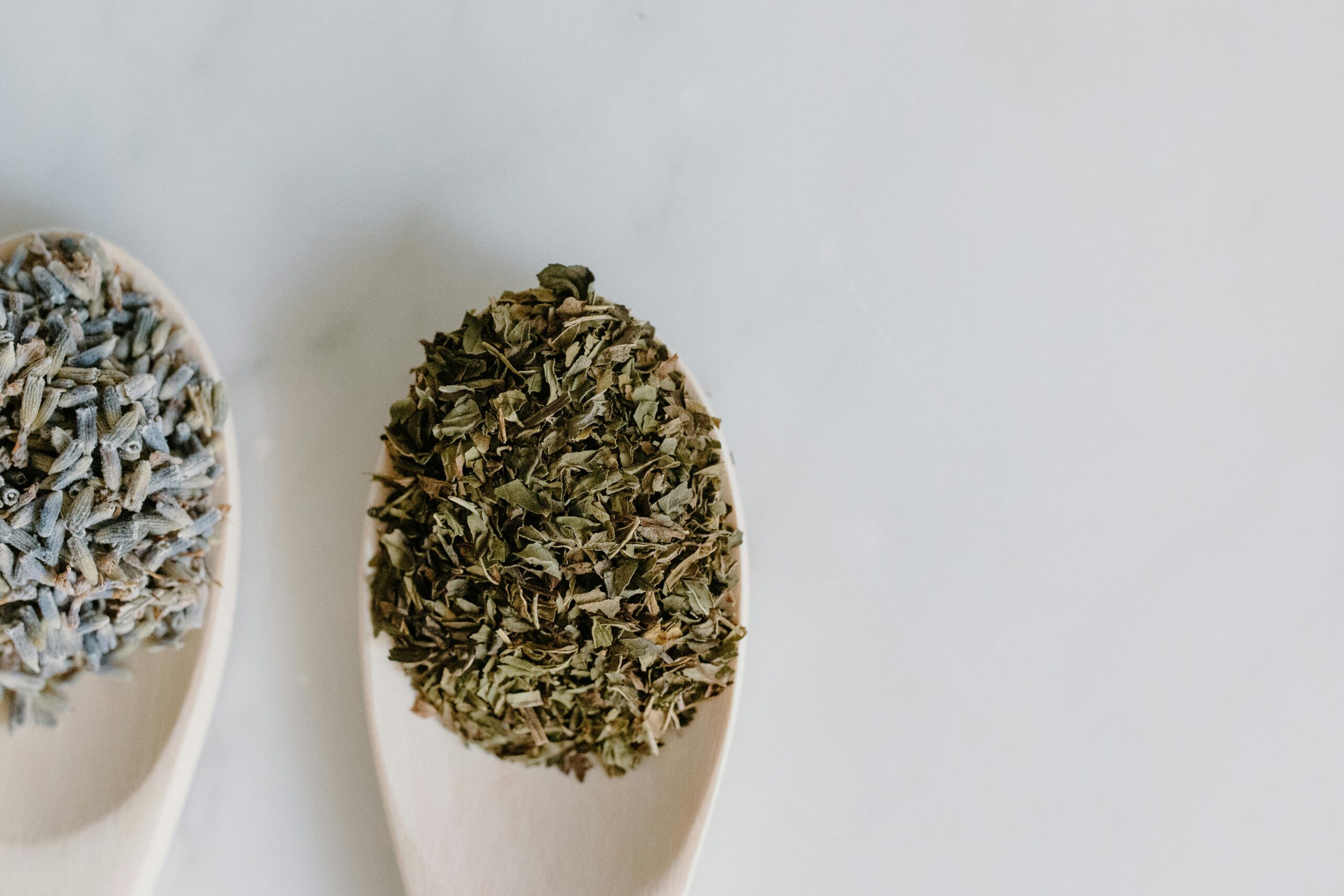
Herbs bring brightness and complexity to dishes. Fresh herbs like basil, cilantro, and parsley are best added at the end of cooking to preserve their delicate flavors. Dried herbs like oregano, thyme, and rosemary should be added earlier, as heat releases their essential oils and flavors.
A general rule: use three times as much fresh herbs as dried, since drying concentrates their flavor. Store dried herbs in a cool, dark place and replace them annually, as they lose potency over time.
Spices That Transform Ordinary to Extraordinary
Cumin adds earthy warmth to dishes, paprika provides color and mild sweetness, and cayenne brings controlled heat. Cinnamon and nutmeg aren’t just for desserts—small amounts add surprising depth to savory dishes like stews and meat preparations.
Toasting whole spices in a dry pan before grinding them releases aromatic oils and intensifies their flavor dramatically. This simple technique takes just minutes but makes a substantial difference in the final dish.
💡 Advanced Flavor Boosting Techniques
Professional chefs use specific techniques to layer and build flavors throughout the cooking process. These methods separate good cooking from truly exceptional dishes.
The Maillard Reaction: Your Secret Weapon
Browning proteins and vegetables creates hundreds of new flavor compounds through the Maillard reaction. This chemical process happens when amino acids and sugars react under high heat, creating complex, savory flavors and appealing aromas.
To maximize browning, ensure your pan is hot before adding food, don’t overcrowd the cooking surface, and resist the urge to move food around constantly. Let it sit and develop that golden-brown crust that’s packed with flavor.
Acid: The Brightness Bringer
Citrus juice, vinegar, and wine add brightness that balances rich, heavy dishes. Acid makes flavors pop and come alive. A squeeze of lemon or splash of vinegar at the end of cooking can transform a flat-tasting dish into something spectacular.
Different acids work better with different dishes. Lemon juice complements seafood and chicken, balsamic vinegar enhances roasted vegetables and red meats, and rice vinegar works beautifully in Asian-inspired dishes.
Umami Boosters: The Fifth Taste
Umami provides savory depth that makes food taste more satisfying. Ingredients rich in umami include soy sauce, fish sauce, aged cheeses, tomato paste, mushrooms, and anchovies. Even small amounts of these ingredients add tremendous flavor without being identifiable.
Combining multiple umami-rich ingredients creates a synergistic effect where the result is greater than the sum of its parts. This is why a Parmesan rind simmered in tomato sauce creates such remarkable depth.
🍳 Practical Application: Seasoning Different Foods
Different types of food require different seasoning approaches. Understanding these nuances ensures perfectly seasoned results across your entire cooking repertoire.
Mastering Meat Seasoning
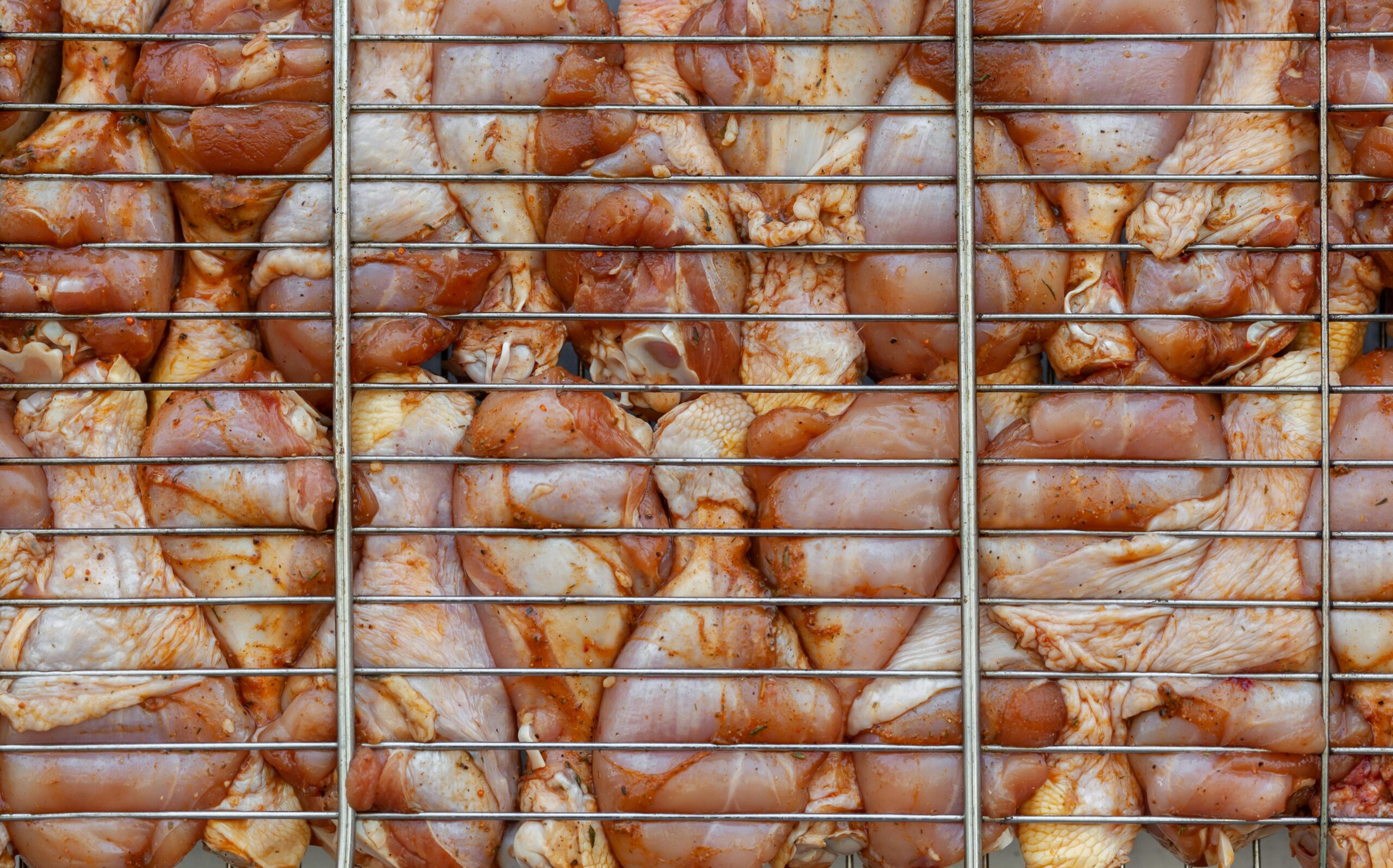
Season meat generously and early. Salt penetrates slowly, so seasoning 40 minutes to overnight before cooking allows it to work its way into the meat, improving both flavor and texture. For steaks and chops, season liberally—more than feels comfortable at first.
Don’t forget about seasoning ground meat properly. Many home cooks under-season meatballs, burgers, and meatloaf. Mix seasonings thoroughly into ground meat, and don’t be afraid to cook a small test portion to check the seasoning level.
Vegetable Seasoning Strategies
Vegetables benefit from different seasoning times depending on the cooking method. Roasted vegetables should be seasoned before cooking to enhance browning and flavor development. Sautéed greens can be seasoned during cooking, while delicate salad greens should only be seasoned just before serving.
Perfecting Pasta and Grains
Always salt your pasta water generously—it should taste like the sea. This is your only opportunity to season the pasta itself from within. The same principle applies to rice, quinoa, and other grains. Cooking them in well-seasoned liquid creates better-tasting results than seasoning after cooking.
🔥 Common Seasoning Mistakes to Avoid
Even experienced cooks make seasoning errors that compromise their dishes. Recognizing these mistakes helps you avoid them in your own cooking.
Under-seasoning is the most common mistake. Many home cooks are timid with salt and seasonings, resulting in bland food. Remember that professional chefs season much more aggressively than most home cooks realize. Taste frequently and adjust seasoning throughout the cooking process.
Adding all seasonings at once creates one-dimensional flavor. Instead, layer seasonings throughout cooking—season at the beginning, middle, and end. Each addition builds complexity and depth that single-time seasoning cannot achieve.
Using old, stale spices wastes your effort. Spices lose potency over time, and no amount of expired paprika will deliver the flavor impact of fresh, aromatic spice. Check your spice cabinet regularly and replace anything that’s lost its vibrant color or aroma.
📊 Flavor Pairing Fundamentals
Understanding which flavors complement each other helps you create balanced, harmonious dishes without following recipes.
Complementary pairing combines flavors that enhance each other, like tomatoes with basil, or pork with apple. Contrasting pairing uses opposite flavors to create balance, such as sweet honey with spicy chili, or rich cream with bright lemon.
Regional cuisines have developed time-tested flavor combinations over centuries. Italian cooking often combines tomatoes, garlic, and basil. Mexican cuisine frequently uses cumin, chili, and lime. Thai cooking balances sweet, salty, sour, and spicy in nearly every dish.
🥘 Building Custom Spice Blends
Creating your own spice blends gives you complete control over flavor and eliminates the additives and fillers often found in commercial mixes.
A basic taco seasoning combines chili powder, cumin, garlic powder, onion powder, paprika, oregano, and cayenne. Italian seasoning mixes dried basil, oregano, rosemary, thyme, and marjoram. Curry powder blends turmeric, coriander, cumin, fenugreek, and various other spices depending on regional style.
Mix spice blends in larger batches and store them in airtight containers away from heat and light. Label them with the date, and use within six months for optimal flavor. This preparation streamlines your cooking and ensures consistent results.
🌿 Fresh Ingredients as Flavor Enhancers
While dried seasonings are convenient, fresh ingredients provide unmatched flavor brightness and complexity that dried alternatives cannot replicate.
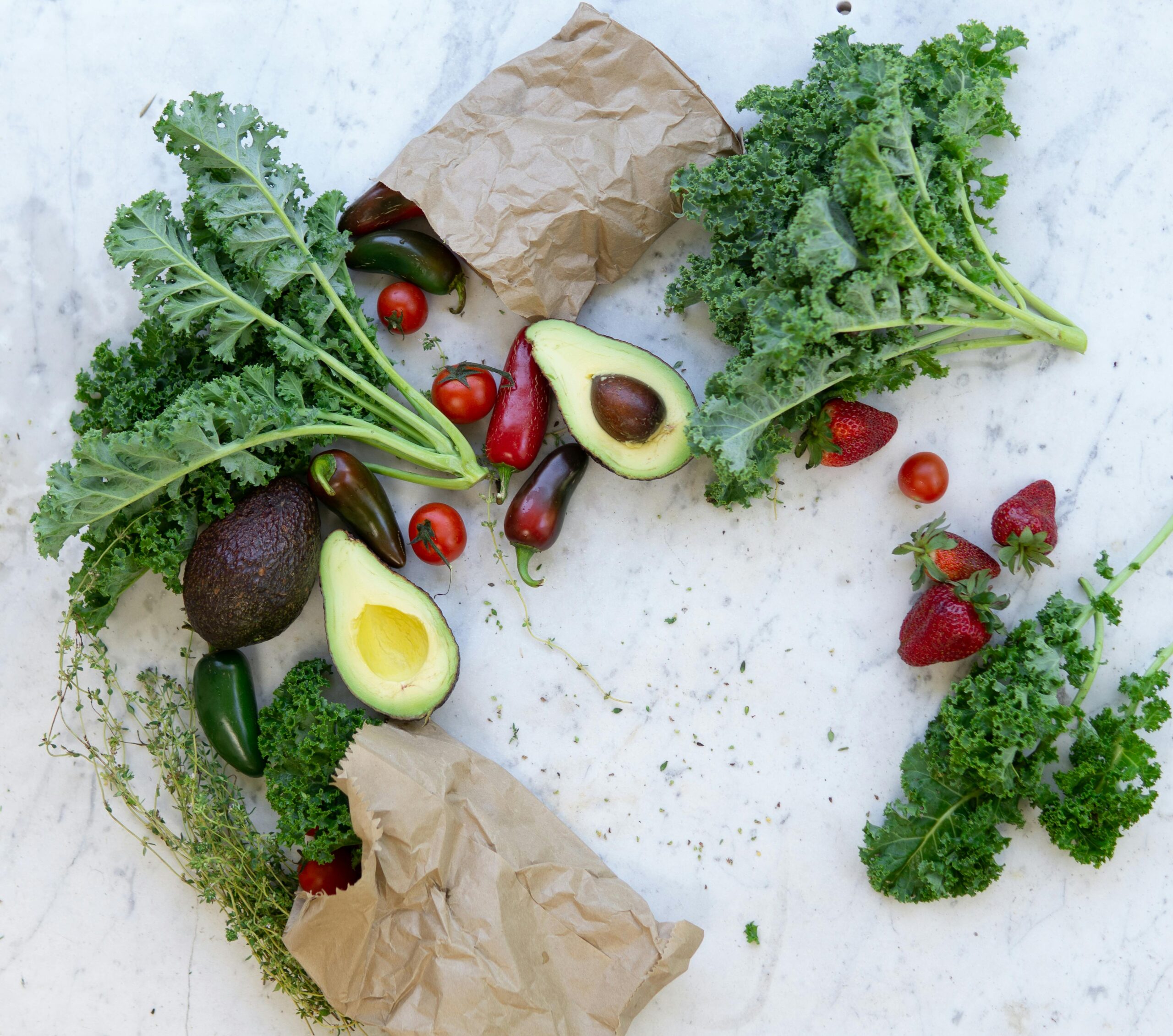
Fresh ginger adds zing to stir-fries and marinades. Fresh chilies provide clean heat with fruity notes that dried versions lack. Fresh herbs like cilantro, basil, and mint deliver aromatic complexity that’s essential in many cuisines.
Keep frequently used fresh ingredients readily available. Store fresh ginger in the freezer and grate it directly into dishes while frozen. Grow herbs in pots on your windowsill for constant access. Keep fresh garlic in a cool, dark place rather than the refrigerator to maintain optimal flavor.
⚖️ The Art of Balance: Knowing When to Stop
More seasoning isn’t always better. The goal is balance where no single flavor overwhelms the others, and the natural taste of your ingredients shines through enhanced but not masked by seasonings.
Taste your food continuously throughout the cooking process. Your palate is the best tool for determining when seasoning is right. If something tastes flat, it likely needs salt. If it tastes harsh or one-dimensional, it might need acid or sweetness to balance.
Remember that flavors concentrate as liquids reduce during cooking. A perfectly seasoned sauce at the beginning might become over-seasoned after an hour of simmering. Season conservatively during cooking and adjust at the end when the final consistency is reached.
🎯 Developing Your Personal Flavor Intuition
Becoming confident with seasoning requires practice and experimentation. The more you cook and taste critically, the better your intuition becomes for what dishes need.
Start keeping a cooking journal where you note what seasonings you used and how the dish turned out. This helps you remember successful combinations and learn from less successful experiments. Over time, you’ll develop personal preferences and signature flavor profiles.
Challenge yourself to cook without recipes occasionally, relying on your understanding of flavor principles and seasoning techniques. This builds confidence and creativity that recipe-following alone cannot develop.
🌍 Global Seasoning Wisdom
Different culinary traditions offer valuable seasoning lessons that can elevate your cooking across all cuisines.
French cooking emphasizes gentle, balanced seasoning that highlights ingredient quality. Asian cuisines often layer multiple flavor elements—sweet, salty, sour, spicy, and umami—in single dishes. Middle Eastern cooking uses warm spices like cumin, coriander, and cinnamon in savory applications that Western cooks often reserve for sweets.
Learning from various culinary traditions expands your seasoning vocabulary and opens new possibilities for flavor creation. Don’t be afraid to borrow techniques and combinations from different cuisines to create your own unique flavor signatures.
✨ The Final Touch: Finishing Salts and Garnishes
The last-minute additions you make before serving can elevate a dish from good to memorable. Finishing touches provide textural contrast and flavor bursts that enliven every bite.
Flaky sea salt adds pleasant crunch and bursts of salinity. A drizzle of high-quality olive oil contributes richness and fruity notes. Fresh herbs scattered over the top provide color, aroma, and brightness. A squeeze of citrus at the very end adds zing that cuts through richness.
These finishing touches require minimal effort but create maximum impact on both flavor and presentation. They’re the professional chef’s secret to making food look and taste restaurant-worthy.
Mastering seasoning and flavor boosting transforms your cooking fundamentally. These techniques work across all cuisines and recipes, making everything you prepare taste better. With practice and attention, you’ll develop the intuitive sense for seasoning that separates extraordinary cooks from average ones. Your journey to perfectly tasty dishes starts with understanding these principles and applying them consistently in your everyday cooking adventures.