Vegetables are nutritional powerhouses that deserve a place at the center of every plate. Learning to cook them properly transforms ordinary meals into extraordinary culinary experiences that nourish both body and soul.

Whether you’re a kitchen novice or an experienced home cook, mastering the art of vegetable preparation opens up a world of flavors, textures, and possibilities. The right cooking method can elevate humble vegetables into restaurant-quality dishes that even the pickiest eaters will enjoy. Understanding when to roast, steam, or sauté makes all the difference between soggy, flavorless vegetables and perfectly cooked sides that steal the show.
🥕 Why Cooking Method Matters More Than You Think
The cooking method you choose directly impacts the nutritional value, flavor profile, and texture of your vegetables. Each technique brings out different characteristics and suits specific vegetable types better than others. Roasting caramelizes natural sugars, creating depth and sweetness. Steaming preserves water-soluble vitamins and maintains vibrant colors. Sautéing offers quick cooking with flavor infusion from oils and seasonings.
Understanding these fundamental differences empowers you to make informed decisions in the kitchen. The same broccoli can taste completely different when roasted versus steamed, offering variety without requiring different ingredients. This knowledge also helps reduce food waste, as you’ll know exactly how to prepare vegetables before they spoil in your refrigerator.
The Art and Science of Roasting Vegetables
Roasting transforms vegetables through dry heat, typically at temperatures between 400°F and 450°F. This method creates the Maillard reaction, a chemical process that produces complex flavors and appealing golden-brown exteriors. The high heat evaporates moisture from the vegetable surface, concentrating flavors while creating desirable crispy edges.
Best Vegetables for Roasting
Root vegetables and firm vegetables respond exceptionally well to roasting. Carrots, potatoes, beets, Brussels sprouts, cauliflower, and squash develop incredible sweetness and texture when roasted properly. Even vegetables with higher moisture content like bell peppers, zucchini, and tomatoes can be roasted successfully with slight technique adjustments.
The key to successful roasting lies in preparation. Cut vegetables into uniform sizes to ensure even cooking. Pieces that are too small will burn, while oversized chunks remain undercooked inside. Generally, aim for 1 to 2-inch pieces, adjusting based on the vegetable’s density.
Essential Roasting Techniques for Perfect Results
Start by preheating your oven thoroughly. A properly heated oven ensures immediate caramelization rather than steaming. Toss vegetables with enough oil to coat them lightly—typically one to two tablespoons per pound of vegetables. The oil facilitates heat transfer and promotes browning.
Arrange vegetables in a single layer on your baking sheet with space between pieces. Overcrowding traps steam and prevents proper browning, resulting in soggy vegetables instead of crispy, caramelized ones. Use multiple baking sheets if necessary, or roast in batches.
Season generously with salt before roasting. Salt draws out moisture initially but ultimately enhances flavor development. Add herbs and spices halfway through cooking to prevent burning. Delicate herbs like basil or cilantro should be added after roasting as a fresh finishing touch.
Timing and Temperature Guidelines 🌡️
Dense vegetables like potatoes, carrots, and beets require 35 to 45 minutes at 425°F. Medium-density vegetables such as Brussels sprouts, cauliflower, and broccoli need 20 to 30 minutes. Softer vegetables like zucchini, bell peppers, and asparagus roast perfectly in 15 to 20 minutes.
Flip vegetables halfway through cooking for even browning on all sides. Some cooks prefer rotating the pan front-to-back as well, compensating for uneven oven temperatures. Watch for visual cues: golden-brown edges and tender centers indicate doneness.
Steaming: Preserving Nutrition and Natural Flavors
Steaming is perhaps the gentlest cooking method, using water vapor to cook vegetables without direct contact with boiling water. This technique preserves up to 90% of nutrients, particularly water-soluble vitamins like vitamin C and B vitamins that leach into cooking water with other methods.
The gentle heat of steaming maintains vegetables’ natural colors brilliantly. Bright green broccoli, vibrant orange carrots, and deep purple cabbage retain their visual appeal, making dishes more appetizing. The texture remains crisp-tender rather than mushy, provided you monitor cooking times carefully.
Setting Up Your Steaming Station
You don’t need fancy equipment to steam vegetables successfully. A simple steamer basket inserted into a pot with a lid works perfectly. Fill the pot with enough water to reach just below the steamer basket bottom—typically one to two inches. The water should never touch the vegetables directly.
For those who steam vegetables regularly, dedicated electric steamers or bamboo steamer baskets offer convenience and capacity. Bamboo steamers can be stacked, allowing you to cook multiple vegetables simultaneously while keeping them separate. These traditional Asian tools also add aesthetic appeal when serving directly from steamer to table.
Vegetables That Shine When Steamed
Green vegetables like broccoli, green beans, asparagus, and bok choy are perfect steaming candidates. Their delicate flavors and crisp textures benefit from gentle cooking. Leafy greens such as spinach, kale, and chard also steam beautifully, wilting down while maintaining nutritional integrity.
Colorful vegetables including carrots, cauliflower, snap peas, and baby corn preserve their vibrant hues when steamed. Even potatoes and sweet potatoes can be steamed, though they require longer cooking times than other methods might offer.
Perfecting Your Steaming Technique 💨
Bring water to a rolling boil before adding vegetables to the steamer basket. This ensures immediate cooking and helps vegetables maintain their color. Arrange vegetables in a single layer when possible, or at least avoid dense packing that prevents steam circulation.
Cover the pot tightly to trap steam inside. Heat escaping through gaps in the lid extends cooking time and wastes energy. Check water levels during longer steaming sessions, adding boiling water if needed to prevent the pot from drying out.
Timing is crucial with steaming. Delicate vegetables like spinach need only 2 to 3 minutes, while green beans require 4 to 5 minutes. Broccoli and cauliflower florets steam perfectly in 5 to 7 minutes. Dense vegetables like whole carrots may need 10 to 15 minutes. Test doneness with a fork or knife tip—vegetables should pierce easily but maintain some resistance.
Flavoring Steamed Vegetables
The perceived blandness of steamed vegetables stems from underseasoning, not the method itself. Season steamed vegetables immediately after cooking while they’re still hot. Butter, olive oil, or flavored oils add richness and help seasonings adhere.
Fresh lemon juice brightens flavors remarkably, especially on green vegetables. Garlic, ginger, herbs, and spices can be added after steaming, or try infusing the steaming water with aromatics like garlic cloves, ginger slices, or herb stems for subtle flavor infusion.
Sautéing: Quick Cooking with Maximum Flavor
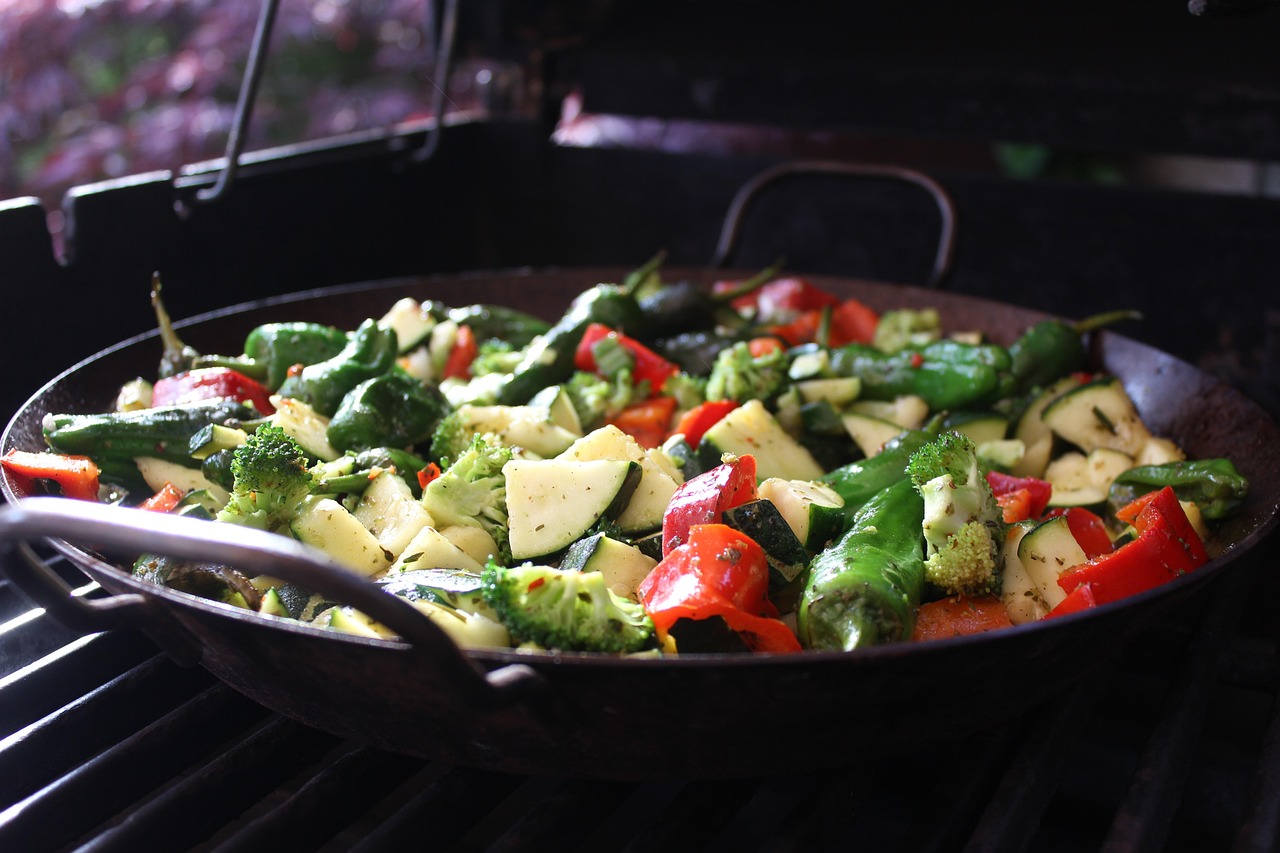
Sautéing involves cooking vegetables quickly in a small amount of fat over relatively high heat. The French word “sauter” means “to jump,” referencing the technique of tossing ingredients in the pan. This method delivers speed, convenience, and incredible flavor development through caramelization and fat integration.
The direct contact with hot pan surfaces creates flavorful browning while maintaining some textural crispness. Sautéing works exceptionally well for weeknight dinners when time is limited but flavor cannot be compromised. A perfectly sautéed vegetable medley can be ready in under ten minutes.
Choosing the Right Pan and Fat
A wide, shallow pan with sloped sides—a traditional sauté pan or skillet—works best for this technique. The broad surface area allows maximum contact between vegetables and heat, promoting even cooking and browning. Stainless steel and carbon steel pans excel at sautéing, though well-seasoned cast iron and nonstick pans work adequately.
Select fats with appropriate smoke points for medium-high to high heat cooking. Olive oil, avocado oil, grapeseed oil, and clarified butter all work excellently. Regular butter can be used for lower-heat sautéing but burns easily at high temperatures. The fat chosen contributes its own flavor profile to the finished dish.
Vegetables Perfect for Sautéing 🍳
Tender vegetables with relatively low moisture content sauté beautifully. Mushrooms, bell peppers, onions, zucchini, snap peas, and asparagus develop wonderful flavors when sautéed. Leafy greens like spinach, chard, and kale wilt down perfectly with this quick-cooking method.
Harder vegetables can be sautéed successfully with slight modifications. Cut them smaller or thinner than usual, or blanch briefly before sautéing to ensure they cook through without burning. Carrots, broccoli, and green beans benefit from these adaptations.
Mastering the Sauté Technique
Heat your pan before adding fat, then heat the fat before adding vegetables. This sequence prevents sticking and ensures proper searing. The fat should shimmer and flow easily across the pan surface but not smoke—smoking indicates temperatures that are too high and will result in burnt, bitter flavors.
Add vegetables to the hot pan and resist the urge to stir immediately. Allowing vegetables to sit undisturbed for 30 to 60 seconds creates flavorful browned surfaces. Then toss or stir, allow another rest period, and repeat. This technique balances caramelization with even cooking.
Avoid overcrowding the pan, which drops temperature dramatically and creates steam rather than browning. Cook in batches if necessary, keeping finished vegetables warm while completing remaining batches. Season throughout the cooking process rather than only at the end for better flavor integration.
Building Flavors Through Aromatics
Sautéing offers the perfect opportunity to layer flavors using aromatics. Start with garlic, shallots, or onions, cooking until fragrant before adding other vegetables. Fresh ginger, chili peppers, and lemongrass can be introduced early for deeper flavor infusion.
Deglaze the pan with wine, broth, or citrus juice after vegetables are cooked to create a quick pan sauce. This technique incorporates the flavorful browned bits stuck to the pan bottom into a delicious coating for vegetables. Finish with fresh herbs, butter, or a splash of cream for restaurant-quality results.
Combining Methods for Complex Flavors
Advanced cooks often combine techniques to achieve optimal results. Par-cooking vegetables through steaming or blanching followed by a quick sauté or roasting finish offers the best of both worlds—thorough cooking with flavorful exteriors.
This hybrid approach works exceptionally well for dense vegetables like potatoes, carrots, and beets. Steam or boil until nearly tender, then finish in a hot pan with oil or under the broiler for caramelized surfaces. The result is evenly cooked vegetables with complex flavor development typically requiring much longer single-method cooking times.
Seasonal Considerations and Vegetable Selection 🌱
The quality of your ingredients significantly impacts final results regardless of technique mastery. Choose seasonal, locally-grown vegetables when possible for superior flavor and nutritional content. Farmers’ markets and community-supported agriculture programs provide access to peak-season produce.
Spring brings tender asparagus, peas, and baby vegetables perfect for gentle steaming or quick sautéing. Summer’s abundance includes zucchini, tomatoes, corn, and peppers that shine when roasted or sautéed. Fall offers root vegetables, squashes, and cruciferous vegetables ideal for roasting. Winter vegetables like hearty greens, cabbage, and stored root vegetables adapt well to all three methods.
Troubleshooting Common Vegetable Cooking Problems
Even experienced cooks encounter issues occasionally. Soggy roasted vegetables usually result from overcrowding, insufficient oven temperature, or excess moisture. Pat vegetables dry before roasting and ensure proper spacing on baking sheets.
Overcooked, mushy steamed vegetables indicate excessive cooking time. Invest in a timer and check vegetables a minute or two before the recommended time. Individual preferences vary—some prefer crisp-tender while others like softer textures.
Burnt sautéed vegetables suggest temperatures that are too high or insufficient pan movement. Reduce heat slightly and keep vegetables moving more frequently. If some pieces cook faster than others, remove them temporarily while slower-cooking pieces finish.
Elevating Everyday Vegetables into Memorable Dishes ✨
Transform simple cooked vegetables into crave-worthy dishes through thoughtful seasoning and presentation. Roasted carrots become extraordinary with a drizzle of honey and sprinkle of cumin. Steamed broccoli transforms with brown butter and toasted almonds. Sautéed mushrooms reach new heights with fresh thyme and a splash of balsamic vinegar.
Presentation matters more than many home cooks realize. Arrange vegetables attractively on serving platters rather than dumping them into bowls. Garnish with fresh herbs, citrus zest, toasted nuts, or seeds. These small touches elevate perceived effort and increase appeal.
Building Your Vegetable Cooking Confidence
Mastery comes through practice and experimentation. Start with forgiving vegetables and basic techniques, gradually progressing to more challenging preparations. Keep notes on what works well and what doesn’t—your personal cooking journal becomes an invaluable reference.
Don’t fear failures—they provide the best learning opportunities. An overcooked batch teaches timing lessons more effectively than any cookbook explanation. Underseasoned vegetables remind you to taste and adjust throughout cooking. Each kitchen session builds skills and confidence.
Embrace the versatility these three fundamental techniques offer. With roasting, steaming, and sautéing mastered, you possess the foundation for countless vegetable preparations. Mix and match methods, experiment with seasonings, and discover combinations that excite your palate. The journey toward vegetable cooking mastery is delicious, nutritious, and endlessly rewarding.
Your relationship with vegetables will transform as your skills develop. What once seemed like obligatory side dishes become the meal’s highlight. Family members who previously avoided vegetables will request specific preparations. The confidence gained in vegetable cookery often sparks broader culinary exploration and experimentation.
Remember that cooking is both art and science—follow foundational principles while allowing creativity to flourish. Trust your senses, taste frequently, and adjust seasonings boldly. Your kitchen is a laboratory for delicious discoveries, and vegetables provide the perfect medium for developing essential cooking skills that translate across all cuisines and preparations.