Meal prep transforms chaotic weeknight cooking into a streamlined process that saves time, money, and mental energy. Mastering this essential skill means embracing recipes that scale beautifully and repeat effortlessly throughout your busy week.

Modern life demands efficiency in every corner of our routines, and the kitchen is no exception. When you develop a system of scalable, repeatable recipes, you eliminate the daily stress of deciding what’s for dinner while ensuring your family enjoys nutritious, home-cooked meals consistently. This comprehensive guide will walk you through everything you need to know about creating a meal prep strategy that actually works for your lifestyle.
🎯 Understanding the Foundation of Scalable Meal Prep
Scalable recipes are the backbone of successful meal preparation. These aren’t just any recipes—they’re carefully designed dishes that maintain their quality whether you’re cooking for two people or ten. The secret lies in understanding which ingredients and cooking methods translate well across different batch sizes without compromising flavor or texture.
The beauty of scalable cooking starts with selecting recipes that feature stable ingredients—think grains, legumes, roasted vegetables, and proteins that hold up well under various cooking conditions. Unlike delicate soufflés or precisely timed steaks, scalable dishes forgive minor timing variations and actually improve with slight modifications to cooking times when batch sizes change.
When you’re building your meal prep repertoire, focus on recipes with straightforward cooking methods like roasting, slow cooking, or one-pot preparations. These techniques allow you to multiply ingredients without requiring additional equipment or drastically extended cooking times. A casserole that serves four can typically serve eight with minimal adjustments to baking time and pan size.
🔄 The Power of Repeatable Recipe Systems
Repeatability transforms good meal prep into an effortless habit. When recipes become second nature, you spend less time consulting cookbooks and more time enjoying the rhythm of efficient cooking. The goal isn’t to eat the same meal every day—it’s to master versatile base recipes that you can modify with different seasonings, sauces, and accompaniments.
Consider a basic roasted chicken and vegetable sheet pan dinner. This single repeatable framework can become Mediterranean one week with olive oil, lemon, and oregano, then Asian-inspired the next with soy sauce, ginger, and sesame oil. The technique remains constant while the flavors rotate, keeping your meals interesting without requiring you to learn entirely new cooking methods each week.
Building Your Core Recipe Collection
Start with approximately ten to fifteen core recipes that you can rotate throughout the month. This provides enough variety to prevent boredom while keeping your shopping lists manageable and your cooking processes familiar. These recipes should cover different protein sources, cooking methods, and flavor profiles to ensure nutritional balance and culinary satisfaction.
Your core collection might include a versatile grain bowl template, a slow cooker protein recipe, a sheet pan dinner formula, a soup or stew base, and a casserole option. Each of these categories allows for endless variations while maintaining the same basic preparation and cooking approach.
📋 Strategic Weekly Planning That Actually Works
Effective meal prep begins long before you enter the kitchen—it starts with thoughtful weekly planning. Dedicate thirty minutes each week to mapping out your meals, considering your schedule, dietary needs, and what ingredients you already have on hand. This planning session prevents impulse purchases and reduces food waste significantly.
Begin by reviewing your calendar for the upcoming week. Identify nights when you’ll need quick reheating meals versus evenings when you might have time for fresh cooking. This realistic assessment ensures your meal prep efforts align with your actual schedule rather than an idealized version of it.
The Template Approach to Menu Planning
Create a weekly template that assigns meal categories to specific days rather than exact recipes. For example, designate Monday for grain bowls, Tuesday for sheet pan dinners, Wednesday for slow cooker meals, Thursday for pasta dishes, and Friday for homemade pizza or tacos. This structure provides freedom within boundaries, making planning faster while maintaining variety.
Within each category, rotate your recipes based on seasonal ingredients, current sales, and personal cravings. This approach prevents decision fatigue—you’re not choosing from an overwhelming universe of possibilities but rather selecting the best option within a predetermined category.
🛒 Smart Shopping Strategies for Meal Prep Success
Your meal prep success heavily depends on efficient grocery shopping. Organize your shopping list by store sections to minimize backtracking and impulse purchases. Group items by produce, proteins, dairy, grains, and pantry staples, then shop in a logical sequence that matches your store’s layout.
Buy ingredients that serve multiple recipes within your weekly plan. If three different meals require onions, purchase enough for all three dishes in one shopping trip. This bulk approach often saves money and ensures you have everything needed without multiple store visits throughout the week.
Pantry Staples That Enable Flexibility
Maintain a well-stocked pantry with versatile staples that work across numerous recipes. These foundation ingredients allow you to adapt recipes based on what proteins or fresh vegetables are available without completely abandoning your meal plan.
- Multiple types of cooking oils (olive, avocado, sesame) for different flavor profiles
- Various grains (rice, quinoa, farro, pasta) that cook similarly but offer different textures
- Canned tomatoes, beans, and coconut milk for quick sauce and soup bases
- An array of spices and dried herbs that transform basic ingredients into global cuisines
- Vinegars and condiments that add finishing touches to completed dishes
- Frozen vegetables that save prep time without sacrificing nutrition
👨🍳 Efficient Batch Cooking Techniques
Batch cooking is where meal prep theory meets practical execution. The most efficient approach involves cooking multiple components simultaneously rather than preparing complete meals one at a time. While your oven roasts vegetables, your stovetop can simmer grains and your slow cooker can handle proteins.
Designate a specific block of time—typically two to three hours—for your primary meal prep session. Many people find Sunday afternoon or Monday evening works best, but choose whatever timing aligns with your schedule and energy levels. Consistency matters more than the specific day you choose.
The Assembly Line Method
Professional kitchens use assembly line techniques for good reason—they maximize efficiency and minimize wasted motion. Apply this same principle to home meal prep by completing similar tasks across all recipes before moving to the next step. Chop all vegetables at once, cook all proteins together, and portion all meals consecutively.
This approach reduces the mental load of switching between different recipes and allows you to maintain focus on each specific task. You’ll also dirty fewer dishes by using the same cutting board and knife for similar ingredients rather than washing equipment between each recipe.
📦 Proper Storage for Maximum Freshness
Even perfectly prepared meals fail if stored incorrectly. Invest in quality storage containers that seal properly, stack efficiently, and work for both refrigerator and freezer storage. Glass containers offer durability and don’t absorb odors, while BPA-free plastic options provide lightweight portability.
Cool foods completely before sealing and storing to prevent condensation that leads to soggy textures and bacterial growth. Divide large batches into meal-sized portions immediately after cooking so you’re only reheating what you’ll actually eat, preserving the quality of remaining portions.
Labeling and Organization Systems
Label every container with the dish name and preparation date using masking tape and permanent marker or pre-printed labels. This simple practice prevents mystery meals and ensures you consume food within safe timeframes. Most cooked meals maintain quality for three to four days refrigerated or three months frozen.
Organize your refrigerator and freezer strategically, placing meals for the immediate days ahead at eye level and future meals toward the back or bottom. This visual system makes grabbing the correct meal effortless even during busy weeknight rushes.
🍲 Category-Specific Recipe Frameworks
Different meal categories require slightly different approaches to ensure they scale and repeat successfully. Understanding these nuances helps you build a truly functional meal prep system rather than fighting against recipe limitations.
Grain Bowls and Buddha Bowls
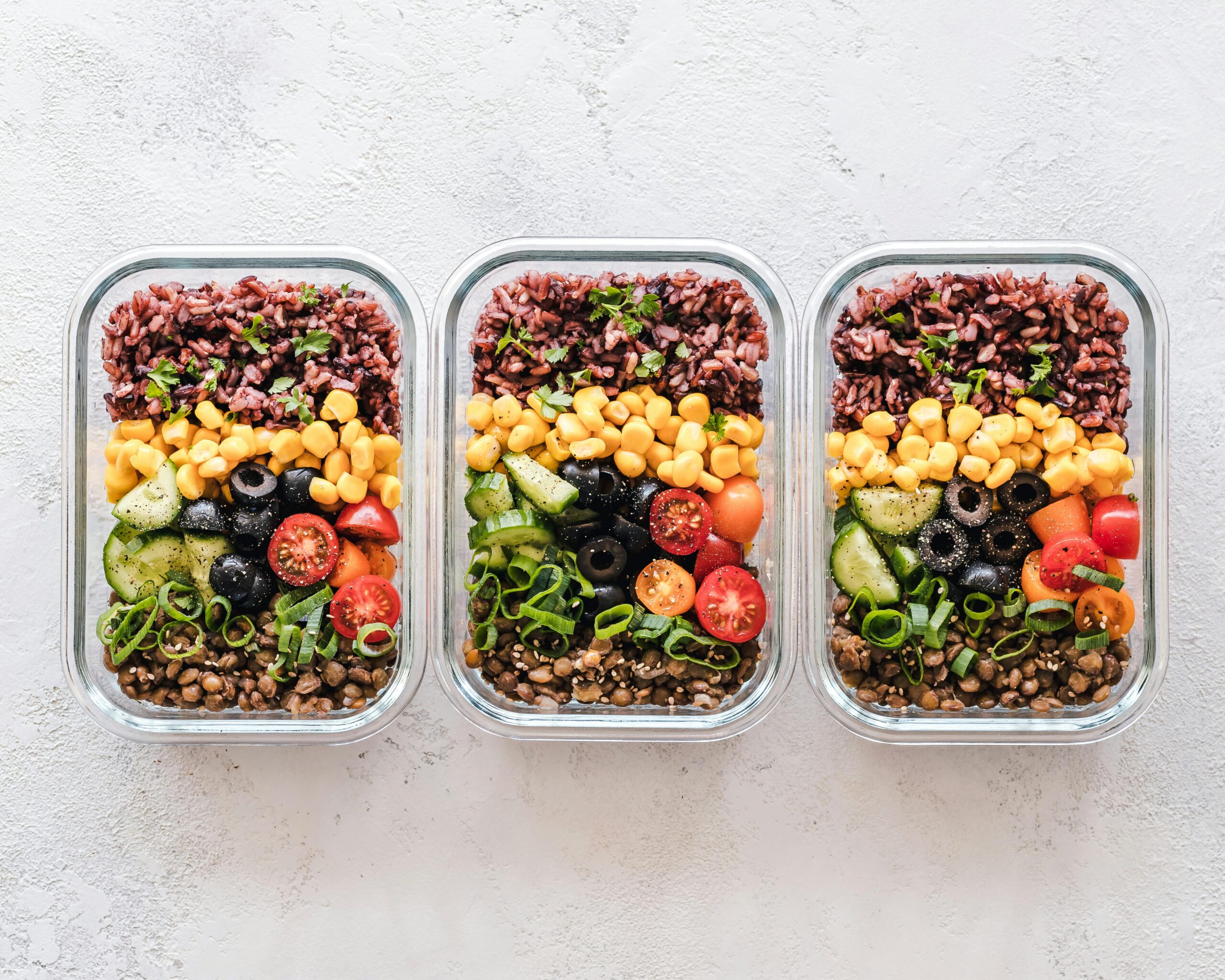
These customizable meals scale beautifully because each component cooks independently. Prepare large batches of grains, roasted vegetables, proteins, and dressings separately, then mix and match throughout the week. This modular approach prevents boredom since you’re creating different combinations from the same prepared ingredients.
Cook grains in large batches using a rice cooker or Instant Pot for hands-off preparation. Roast three to four different vegetable varieties on separate sheet pans simultaneously. Prepare two different protein options to provide variety. Make two contrasting dressings or sauces that complement your chosen ingredients.
One-Pot and Slow Cooker Meals
These recipes epitomize scalability—doubling or tripling the ingredients typically requires no technique adjustments beyond using a larger pot. Soups, stews, chilis, and curries actually improve after a day or two as flavors meld, making them ideal meal prep candidates.
When scaling these recipes, be mindful of seasoning—salt and strong spices don’t always scale linearly with other ingredients. Start with slightly less seasoning than a direct multiplication would suggest, then adjust after tasting. You can always add more, but you can’t remove excess salt or heat.
Sheet Pan Dinners
Sheet pan meals offer unmatched convenience by cooking proteins and vegetables together with minimal cleanup. The key to successful scaling involves understanding cooking times for different ingredients and arranging them properly on the pan to ensure even cooking.
When doubling sheet pan recipes, use two pans rather than overcrowding a single one. Overcrowding creates steam instead of the desired roasting effect, resulting in soggy rather than caramelized vegetables. Rotate pan positions halfway through cooking to ensure even browning.
💡 Overcoming Common Meal Prep Obstacles
Even with solid planning, challenges inevitably arise. Anticipating common problems and having solutions ready prevents small obstacles from derailing your entire meal prep system.
Flavor Fatigue
Eating similar meals throughout the week can lead to boredom, causing you to abandon meal prep altogether. Combat this by preparing versatile components rather than complete identical meals. Use different sauces, seasonings, and accompaniments to transform the same base ingredients into distinct eating experiences.
Keep a selection of quick flavor enhancers on hand—hot sauce, fresh herbs, citrus, cheese, nuts, and pickled vegetables. These simple additions dramatically change a meal’s flavor profile without requiring additional cooking.
Time Constraints
When you genuinely can’t dedicate two to three hours to meal prep, scale back your ambitions rather than skipping entirely. Prep just dinner components, leaving breakfast and lunch simpler. Or focus on preparing proteins and grains, then add quick-cooking fresh vegetables on serving days.
Partial meal prep still delivers significant benefits compared to no preparation at all. Even washing and chopping vegetables for the week ahead dramatically reduces daily cooking time and removes barriers to healthy eating.
📱 Digital Tools That Simplify Meal Planning
Technology offers numerous solutions for streamlining meal prep planning, grocery shopping, and recipe management. Digital tools can track what you’ve cooked, generate shopping lists, and remind you when prepared meals need consuming.
Recipe management apps allow you to save favorite recipes, scale ingredients automatically, and create weekly meal plans with associated shopping lists. Many apps integrate with grocery delivery services, making the entire process from planning to ingredient acquisition seamless.
🌱 Adapting Meal Prep for Dietary Needs
Scalable meal prep works regardless of your dietary preferences or restrictions. The key involves finding versatile base recipes within your dietary framework, then applying the same scaling and repeating principles.
Plant-based meal prep often centers around legumes, tofu, tempeh, and seitan as protein sources, combined with grains and abundant vegetables. These ingredients scale exceptionally well and often cost less than animal proteins. Batch cooking dried beans and lentils provides affordable, nutritious foundations for numerous meals.
For low-carb or keto approaches, focus on proteins and non-starchy vegetables, using cauliflower rice, zucchini noodles, and other vegetable-based grain substitutes. These alternatives require slightly different storage considerations since they contain more moisture, but they prep successfully with proper techniques.
🎨 Preventing Meal Prep Burnout
Sustainability matters more than perfection. Your meal prep system should simplify life rather than becoming another demanding obligation. Give yourself permission to order takeout occasionally, skip prep sessions when life gets overwhelming, and continuously adjust your system based on what actually works rather than theoretical ideals.
Schedule regular recipe refreshes where you introduce new dishes to your rotation while retiring ones that no longer excite you. This evolution keeps meal prep interesting and reflects your developing cooking skills and changing taste preferences.
Building in Flexibility
Always maintain some flexible elements in your meal plan—perhaps one designated “leftovers night” or “easy night” where you prepare something fresh and simple. This breathing room prevents the feeling that you’re rigidly locked into your prep schedule regardless of circumstances.
Keep a few emergency backup options available for weeks when prep doesn’t happen. Quality frozen meals, well-stocked pantry staples for quick pasta dishes, or pre-prepped freezer meals from previous successful sessions provide safety nets without requiring drive-through visits.
🔑 The Long-Term Benefits of Meal Prep Mastery
Once meal prep becomes habitual rather than effortful, the benefits extend far beyond simply having food ready. You’ll notice reduced grocery spending as impulse purchases and food waste decrease. Your nutrition typically improves since you’re eating intentionally prepared meals rather than whatever’s quickest in desperate moments.
The mental relief proves equally valuable—eliminating the daily “what’s for dinner” question reduces decision fatigue and evening stress. You’ll reclaim time previously spent on last-minute meal decisions, grocery runs, and cooking from scratch when you’re already tired and hungry.
Many people find that mastering meal prep creates positive ripple effects in other life areas. The organizational skills, planning discipline, and execution consistency transfer to work projects, fitness routines, and household management. You’re not just learning to cook efficiently—you’re developing broadly applicable life skills.
🚀 Starting Your Meal Prep Journey Today
Begin small rather than attempting a complete kitchen transformation overnight. Choose one meal category, master two or three recipes within it, and establish that habit before expanding. This incremental approach builds sustainable skills rather than creating overwhelming expectations that lead to abandonment.
Your first week might involve simply preparing dinner proteins in advance and batch cooking one grain. This modest start still saves significant time and provides encouraging success that motivates further development. As these practices become automatic, gradually add complexity—another meal prep component, a different recipe category, or preparation for additional meals.
Remember that every expert meal prepper started exactly where you are now—uncertain about techniques, intimidated by the time commitment, and skeptical about whether they’d actually eat the same foods repeatedly. With consistent practice and willingness to adjust your approach based on results, you’ll develop your personalized meal prep system that transforms cooking from a daily stress into an efficient, even enjoyable routine that nourishes both body and peace of mind.