Restaurant-style bowls have transformed the way we think about home cooking, offering a perfect blend of nutrition, flavor, and customization that rivals any trendy eatery.

Creating restaurant-quality bowls in your own kitchen isn’t just about following recipes—it’s about understanding the foundational elements that make these meals so satisfying and learning how to swap ingredients based on what you have available, your dietary preferences, and your flavor cravings. The beauty of bowl-based meals lies in their flexibility and the endless possibilities for personalization. Whether you’re craving Mediterranean flavors, Asian-inspired combinations, or Mexican-style creations, mastering the art of ingredient swaps will elevate your home cooking game and save you both time and money.
🍜 Understanding the Anatomy of a Perfect Bowl
Before diving into ingredient swaps, it’s essential to understand what makes a restaurant-style bowl truly exceptional. Every great bowl follows a fundamental structure that balances nutrition, texture, and flavor. This framework consists of five key components that work together harmoniously.
The base layer typically provides the foundation—usually grains or greens that offer substance and absorb the flavors of other ingredients. Next comes the protein element, which delivers satiety and nutritional value. The vegetable component adds color, crunch, and vitamins. A flavorful sauce or dressing ties everything together, while toppings and garnishes provide textural contrast and visual appeal.
Understanding this structure allows you to approach bowl creation systematically, ensuring that each component complements the others while allowing for creative freedom. Once you grasp this framework, substituting ingredients becomes intuitive rather than stressful.
Base Layer Transformations: Beyond Basic Grains
The base of your bowl sets the stage for everything else, and this is where simple swaps can dramatically alter the final dish’s character and nutritional profile. White rice might be the default option at many restaurants, but your home kitchen offers so much more versatility.
Brown rice provides a nuttier flavor and more fiber, while quinoa delivers a complete protein punch and a slightly fluffier texture. Cauliflower rice has become incredibly popular for those seeking lower-carb alternatives, offering a neutral canvas that absorbs flavors beautifully. Farro brings a chewy, satisfying texture with an earthy taste that pairs exceptionally well with Mediterranean ingredients.
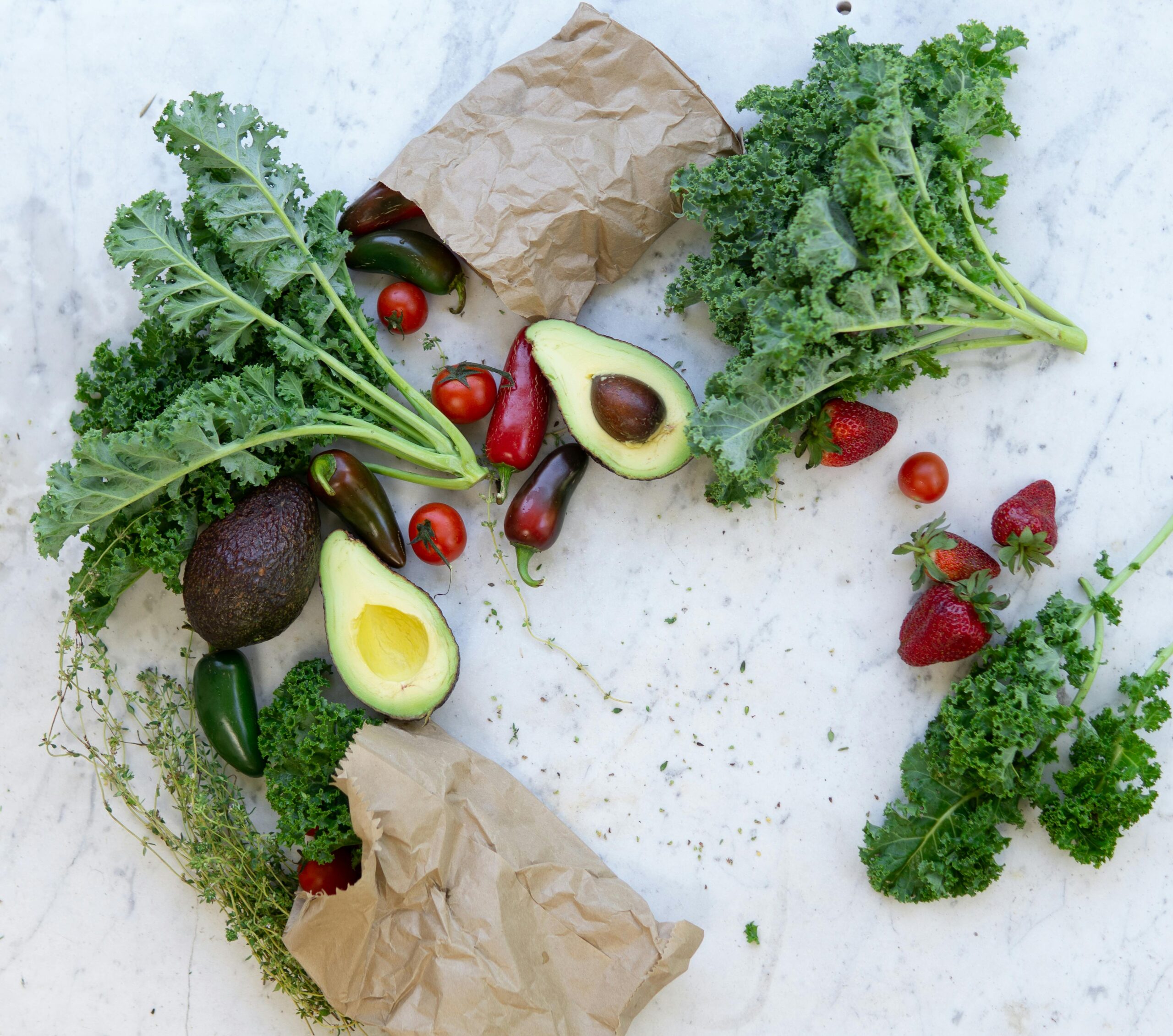
For Asian-inspired bowls, consider swapping traditional rice for soba noodles, rice noodles, or even zucchini noodles. Couscous works wonderfully in Middle Eastern-style bowls, while polenta creates a creamy, comforting base for Italian-influenced creations. Mixed greens, spinach, or kale can serve as raw or slightly wilted bases that add freshness and reduce overall calorie density.
Temperature and Texture Considerations
Don’t overlook the importance of serving temperature when selecting your base. Warm grains provide comfort and help meld flavors together, while cold bases work better for refreshing summer bowls. Some bases like quinoa work equally well hot or cold, offering maximum flexibility for meal prep situations.
Protein Swaps That Transform Your Bowl Experience 🥩
Protein is often the star ingredient that defines your bowl’s identity, and learning to substitute proteins effectively opens up endless possibilities. The key is understanding flavor profiles and cooking methods that complement your chosen cuisine style.
Grilled chicken is the most versatile protein, easily taking on marinades and seasonings from virtually any cuisine. You can swap it with turkey, which offers a leaner option, or duck for a richer, more indulgent experience. Pork tenderloin provides a mild flavor similar to chicken but with a slightly different texture.
For seafood lovers, salmon brings healthy omega-3s and a rich, buttery quality. Swap it with tuna for a meatier texture, shrimp for sweetness and quick cooking, or white fish like cod or halibut for milder flavor. Tofu serves as an excellent plant-based substitute that absorbs marinades beautifully—press it well and crisp it up for the best texture.
Beyond traditional options, consider tempeh for a nutty, fermented flavor with more texture than tofu. Chickpeas, whether roasted crispy or left tender, provide protein and fiber while adding substance. Black beans, lentils, and edamame each bring unique flavors and textures to your bowl creations.
Preparation Methods Matter
The same protein can taste completely different depending on preparation. Grilled chicken offers char and smoke, while poached chicken stays tender and absorbs broth flavors. Pan-seared proteins develop a crispy exterior, while slow-cooked options become fall-apart tender. Experiment with different techniques to discover your preferences for each bowl style.
Vegetable Variations for Color and Crunch
Vegetables bring bowls to life with vibrant colors, varied textures, and essential nutrients. The secret to restaurant-quality bowls often lies in the thoughtful selection and preparation of multiple vegetable components rather than relying on just one or two.
Raw vegetables like shredded cabbage, julienned carrots, sliced cucumbers, and cherry tomatoes provide refreshing crunch and bright flavors. These work especially well in Asian and Mexican-inspired bowls. Roasted vegetables develop deeper, caramelized flavors—try roasting sweet potatoes, Brussels sprouts, cauliflower, or bell peppers tossed with olive oil and seasonings.
Sautéed vegetables offer a middle ground between raw crunch and roasted softness. Mushrooms, zucchini, snap peas, and bok choy all benefit from quick, high-heat cooking that preserves some texture while developing flavor. Pickled vegetables add tangy brightness that cuts through rich proteins and creamy sauces—pickled onions, jalapeños, carrots, or radishes elevate any bowl instantly.
Seasonal Swapping Strategies
Embrace seasonal produce for the best flavors and value. Summer bowls shine with fresh tomatoes, corn, and zucchini, while fall and winter call for roasted root vegetables, squash, and hearty greens. Spring brings asparagus, peas, and radishes that add freshness after months of heavier vegetables.
Sauce Magic: The Game-Changing Element 🎨
Perhaps no element of bowl construction offers more transformative power than the sauce or dressing. A single base and protein combination can taste completely different depending on which sauce you drizzle over it, making sauce swaps your most powerful tool for variety.
For Asian-inspired bowls, soy-based sauces provide umami depth. A simple combination of soy sauce, rice vinegar, sesame oil, and a touch of honey creates magic. Swap in tahini-based dressings for Middle Eastern flavors, combining tahini with lemon juice, garlic, and water until you reach the perfect consistency. Peanut sauce brings richness and works wonderfully with both Asian and fusion bowls.
Mediterranean bowls benefit from herb-forward dressings like chimichurri, made with parsley, cilantro, garlic, olive oil, and vinegar. Greek yogurt-based sauces with cucumber, dill, and lemon (tzatziki-style) add cooling creaminess without excessive calories. Harissa paste mixed with olive oil provides spicy, complex heat.
For Mexican-style bowls, blend chipotle peppers with lime juice and mayo for smoky creaminess, or keep it light with fresh salsa verde. Avocado-based dressings offer healthy fats and luxurious texture—simply blend avocado with lime juice, cilantro, and a bit of water or yogurt.
Quick Sauce Formula for Success
Most successful bowl sauces follow a simple formula: fat (oil, tahini, yogurt, or avocado) + acid (citrus juice or vinegar) + flavor (herbs, spices, garlic, or ginger) + sweetness (honey, maple syrup, or sugar) + salt. Understanding this framework allows you to improvise confidently.
Toppings and Garnishes: The Finishing Flourish
The toppings you scatter over your bowl might seem minor, but they provide crucial textural contrast and visual appeal that separate amateur attempts from restaurant-quality presentations. These final touches shouldn’t be afterthoughts.
Nuts and seeds add crunch and healthy fats—try sliced almonds, cashews, pumpkin seeds, or sesame seeds depending on your cuisine style. Toasted nuts develop deeper flavor than raw versions. Fresh herbs bring brightness and aromatic qualities that enliven every bite—cilantro, basil, mint, and scallions each offer distinct personalities.
Crispy elements like fried onions, wonton strips, or panko breadcrumbs provide satisfying crunch. You can make healthier versions by baking rather than frying. Creamy additions like avocado slices, a soft-boiled egg, or crumbled cheese add richness and visual appeal. Fermented additions like kimchi, sauerkraut, or pickled vegetables contribute probiotics along with tangy complexity.
Building Your Signature Bowl: A Step-by-Step Approach
Now that you understand the components and possible swaps, let’s walk through the process of creating your own signature bowl from scratch. This methodical approach ensures balanced, delicious results every time.
Start by deciding your cuisine inspiration—this guides all subsequent choices. Asian? Mediterranean? Mexican? Fusion? Once you’ve chosen your direction, select one element from each category that fits your theme. Write down your choices to visualize how they’ll work together.
Prepare components in order of cooking time. Start roasting vegetables that need 30-40 minutes, then move to grains that require 15-20 minutes, followed by proteins. While these cook, prepare your raw vegetables and mix your sauce. This timing ensures everything finishes around the same time.
Assembly matters more than you might think. Start with your base, creating an even layer. Add your protein, positioning it prominently but leaving room for vegetables. Arrange vegetables in separate sections rather than mixing everything together—this restaurant technique creates visual appeal and allows diners to enjoy each component individually or combined.
The Temperature Balance Trick
Professional bowl builders understand temperature contrast. Combining warm grains and protein with cool, crunchy vegetables creates an engaging eating experience. Don’t let everything cool to room temperature before assembling—that contrast elevates the dish.
Meal Prep Mastery for Bowl Success 📦
One of the greatest advantages of bowl-based eating is meal prep compatibility. With smart preparation, you can enjoy restaurant-quality bowls throughout the week without daily cooking marathons.
Cook grains and proteins in bulk at the beginning of the week. Most grains store well for 4-5 days refrigerated, while properly stored proteins last 3-4 days. Roasted vegetables keep well, though their texture softens slightly. Raw vegetables should be prepped but stored separately to maintain crunch.
Store sauces in small containers and add them just before eating to prevent sogginess. This also allows different family members to customize their bowls with different sauces. Delicate toppings like herbs and crispy elements should be added fresh rather than stored with the bowl.
Consider a deconstructed storage approach: keep components in separate containers and assemble bowls fresh each day. This takes minimal time but dramatically improves texture and freshness compared to fully assembled bowls.
Cost-Effective Strategies Without Sacrificing Quality 💰
Creating restaurant-style bowls at home saves money compared to ordering out, but smart shopping and ingredient choices maximize those savings while maintaining delicious results.
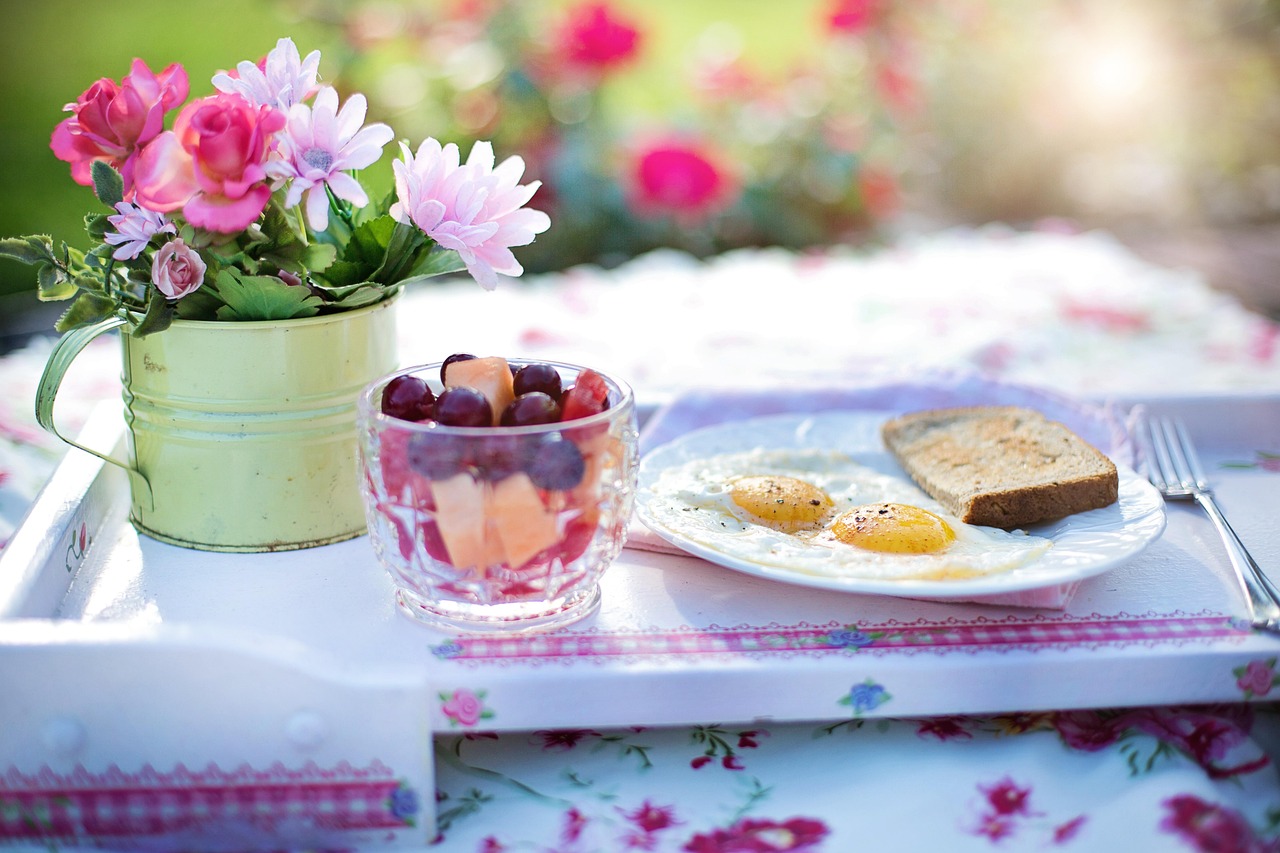
Buy proteins on sale and freeze them properly. Chicken thighs cost less than breasts while offering more flavor. Dried beans and lentils provide inexpensive protein that stores indefinitely. Eggs offer premium nutrition at budget-friendly prices and work wonderfully in breakfast bowls or as toppings.
Purchase grains in bulk from stores with good turnover to ensure freshness. Store them in airtight containers to extend shelf life. Seasonal vegetables always cost less and taste better than out-of-season imports. Frozen vegetables work perfectly for roasted preparations and often cost less than fresh while maintaining nutritional value.
Make your own sauces rather than buying specialty versions. Most bowl sauces require just 4-6 ingredients you probably already have. Growing your own herbs on a windowsill provides fresh garnishes at virtually no cost—basil, cilantro, and green onions regrow easily from scraps.
Dietary Adaptations Made Simple
The modular nature of bowl-based meals makes them perfect for accommodating various dietary needs without preparing entirely separate meals for different family members.
For low-carb diets, swap grain bases for cauliflower rice, zucchini noodles, or extra greens. Increase healthy fats through avocado, nuts, and oil-based dressings. Keto dieters can enjoy rich proteins like salmon or pork with plenty of non-starchy vegetables and full-fat dressings.
Vegetarian adaptations simply swap animal proteins for plant-based alternatives like tofu, tempeh, beans, or lentils. Ensure you’re getting complete proteins by combining grains with legumes. Vegan bowls require extra attention to creamy elements—use cashew cream, tahini dressings, or avocado instead of dairy-based sauces.
Gluten-free bowls work easily by choosing naturally gluten-free grains like rice, quinoa, or certified gluten-free oats. Check sauces carefully, as soy sauce contains gluten—swap it for tamari or coconut aminos. For paleo diets, eliminate grains entirely and double up on vegetables while focusing on quality proteins and healthy fats.
Flavor Profiles That Never Fail ✨
Certain ingredient combinations have stood the test of time because they simply work together harmoniously. Understanding these proven flavor profiles provides shortcuts to delicious bowls.
The classic Asian combination pairs soy sauce, ginger, garlic, and sesame with rice, edamame, and cabbage. Mediterranean bowls shine with olive oil, lemon, oregano, and feta over quinoa with chickpeas and cucumber. Mexican-inspired creations combine cumin, lime, and cilantro with black beans, corn, and peppers over rice.
Middle Eastern flavors marry tahini, lemon, and za’atar with bulgur, roasted vegetables, and hummus. Japanese-inspired bowls feature miso, rice vinegar, and seaweed with short-grain rice, salmon, and pickled ginger. These established patterns give you confidence while leaving room for personal creativity.
Elevating Presentation Like a Professional
We eat with our eyes first, and restaurant-style presentation transforms a simple meal into something special. A few techniques make dramatic differences without requiring artistic talent.
Use bowls with some depth rather than flat plates—this contains ingredients while showing them off. Arrange components in distinct sections rather than mixing everything together. Place protein prominently, slightly off-center for visual interest. Create height by stacking or mounding rather than flattening everything.
Add color contrast intentionally—pair orange sweet potatoes with green edamame and purple cabbage. Drizzle sauce artistically rather than dumping it on top. Sprinkle garnishes strategically for pops of color and texture. A single herb sprig or lime wedge on top signals attention to detail.
Your Bowl-Building Journey Starts Now
Mastering restaurant-style bowls at home represents more than just learning recipes—it’s about developing intuition for flavors, textures, and combinations that satisfy your personal preferences. The ingredient swaps and strategies outlined here provide the foundation for endless creativity in your kitchen.
Start simple by recreating your favorite restaurant bowl using these swap principles. Once you’ve gained confidence, begin experimenting with unexpected combinations that reflect your unique tastes. Keep notes on successful creations so you can repeat them and continue refining your technique. The beauty of bowl-based cooking lies in its forgiving nature—even imperfect combinations usually taste good, and mistakes teach valuable lessons about what works and what doesn’t.
Your home kitchen now holds the potential for unlimited bowl creations that rival any restaurant, customized exactly to your preferences, dietary needs, and budget. With these ingredient swap strategies in your culinary toolkit, you’ll never feel limited by what’s in your pantry or restricted by rigid recipes. Each bowl becomes an opportunity for creativity, nourishment, and satisfaction that celebrates both convenience and quality.