Transforming everyday meals into extraordinary culinary experiences often comes down to one simple element: the perfect sauce or dressing. These flavor-packed accompaniments have the power to elevate any dish.

Whether you’re drizzling a tangy vinaigrette over fresh greens, slathering barbecue sauce on grilled meats, or creating a creamy dip for vegetables, mastering the art of sauce-making opens endless possibilities in your kitchen. The beauty of homemade sauces lies not only in their superior taste but also in the flexibility to customize them according to your preferences, dietary needs, and available ingredients. This comprehensive guide will walk you through essential sauce and dressing recipes while providing practical ingredient swaps that ensure you can always create something delicious, regardless of what’s in your pantry.
🍃 Classic Vinaigrette Variations: Your Foundation for Fresh Flavors
The vinaigrette stands as the cornerstone of salad dressings, offering a perfect balance of acidity and richness. The basic formula follows a simple 3:1 ratio of oil to acid, but the variations are limitless.
For a traditional French vinaigrette, whisk together three parts extra virgin olive oil with one part red wine vinegar, add a teaspoon of Dijon mustard, minced garlic, salt, and pepper. This creates a perfectly emulsified dressing that clings beautifully to salad greens.
Smart Ingredient Swaps for Vinaigrettes
When you’re missing ingredients, these substitutions work beautifully without compromising flavor. Replace red wine vinegar with apple cider vinegar for a slightly sweeter profile, or use lemon juice for a brighter, more citrus-forward taste. If you’re out of Dijon mustard, regular yellow mustard or even a small amount of honey can help emulsify the dressing while adding interesting flavor notes.
For those seeking healthier alternatives, swap half the olive oil with Greek yogurt for a creamy, protein-rich dressing with fewer calories. Avocado oil or walnut oil can replace olive oil entirely, each bringing unique nutritional benefits and distinctive flavors to your creation.
🍯 Creamy Dressings That Please Every Palate
Creamy dressings offer indulgent texture and rich flavors that complement everything from salads to sandwiches. The classic ranch dressing combines mayonnaise, buttermilk, herbs, and garlic powder to create an American favorite that’s surprisingly easy to make at home.
For a homemade ranch, mix one cup of mayonnaise with half a cup of buttermilk, then add dried dill, parsley, chives, garlic powder, onion powder, salt, and pepper. The result surpasses any store-bought version in freshness and flavor customization.
Dairy-Free and Lighter Alternatives
Creating creamy dressings without traditional dairy products has never been easier. Cashew cream serves as an excellent base for vegan versions—simply blend soaked cashews with water until silky smooth. This neutral-flavored cream accepts any seasoning beautifully.
Replace buttermilk with unsweetened almond milk mixed with a teaspoon of lemon juice, letting it sit for five minutes to create a similar tang. Greek yogurt can substitute for mayonnaise in equal amounts, dramatically reducing calories while increasing protein content. For completely plant-based options, use vegan mayo made from aquafaba or soy protein.
🔥 Bold BBQ and Grilling Sauces
Barbecue sauce represents regional pride across America, with styles ranging from sweet Kansas City to tangy Carolina vinegar-based varieties. Creating your own allows perfect customization for your taste preferences.
A versatile base BBQ sauce starts with two cups of ketchup, half a cup of apple cider vinegar, quarter cup of brown sugar, two tablespoons of Worcestershire sauce, one tablespoon of smoked paprika, and garlic powder. Simmer these ingredients together for fifteen minutes to develop deep, complex flavors.
Regional Style Adaptations and Substitutions
Transform your basic sauce into regional specialties through simple swaps. For Carolina-style, reduce ketchup to half a cup and increase vinegar to one and a half cups, adding red pepper flakes for heat. Texas-style BBQ benefits from additional chili powder, cumin, and a tablespoon of strong coffee for earthiness.
When brown sugar isn’t available, substitute with maple syrup, honey, or even molasses for deeper flavor. Replace Worcestershire sauce with soy sauce mixed with a splash of vinegar and a pinch of sugar. For smoky depth without smoked paprika, add a teaspoon of liquid smoke or regular paprika with a dash of cumin.
🌶️ Asian-Inspired Sauces for Global Flavors
Asian cuisines offer incredible sauce diversity, from Japanese teriyaki to Thai peanut sauce, each bringing distinct flavor profiles that can transform simple ingredients into restaurant-quality dishes.
A classic teriyaki sauce combines equal parts soy sauce and mirin (sweet rice wine), with half that amount of sugar and a splash of sake. Simmer until slightly thickened, and you have an authentic glaze perfect for grilled meats, vegetables, or rice bowls.
Pantry-Friendly Asian Sauce Alternatives
Creating authentic Asian flavors without specialty ingredients is entirely possible. Replace mirin with white wine or apple juice mixed with a little sugar. Sake substitutes include dry sherry or additional wine. When fish sauce is called for but unavailable, use soy sauce with a tiny anchovy or simply extra soy sauce with a squeeze of lime.
For peanut sauce, blend peanut butter with soy sauce, lime juice, honey, garlic, and ginger, thinning with coconut milk or water. Substitute almond butter or sunflower seed butter for peanut-free versions that maintain similar creamy texture and nutty flavor.
🍅 Tomato-Based Sauces Beyond the Basics
Tomato sauces form the foundation of countless comfort foods, from pasta to pizza. A simple marinara requires only canned tomatoes, garlic, olive oil, basil, salt, and pepper, yet delivers incredible satisfaction.
For restaurant-quality marinara, sauté minced garlic in olive oil until fragrant, add a twenty-eight-ounce can of crushed tomatoes, season with salt, pepper, and dried basil, then simmer for thirty minutes. The extended cooking time concentrates flavors and creates the perfect consistency.
Creative Tomato Sauce Modifications
Transform basic marinara into different sauce styles through strategic additions. Create arrabbiata by adding red pepper flakes for spicy heat. For vodka sauce, stir in cream and a splash of vodka after cooking. Puttanesca comes alive with capers, olives, and anchovies added during the last five minutes.
When fresh tomatoes replace canned versions, blanch and peel them first, cooking slightly longer to reduce excess moisture. Tomato paste diluted with water can substitute for crushed tomatoes in a pinch—use one six-ounce can of paste with two cups of water.
🥑 Modern Healthy Sauce Options
Contemporary healthy eating doesn’t mean sacrificing flavor. Nutrient-dense sauces made from whole foods offer both taste and nutritional benefits that processed versions cannot match.
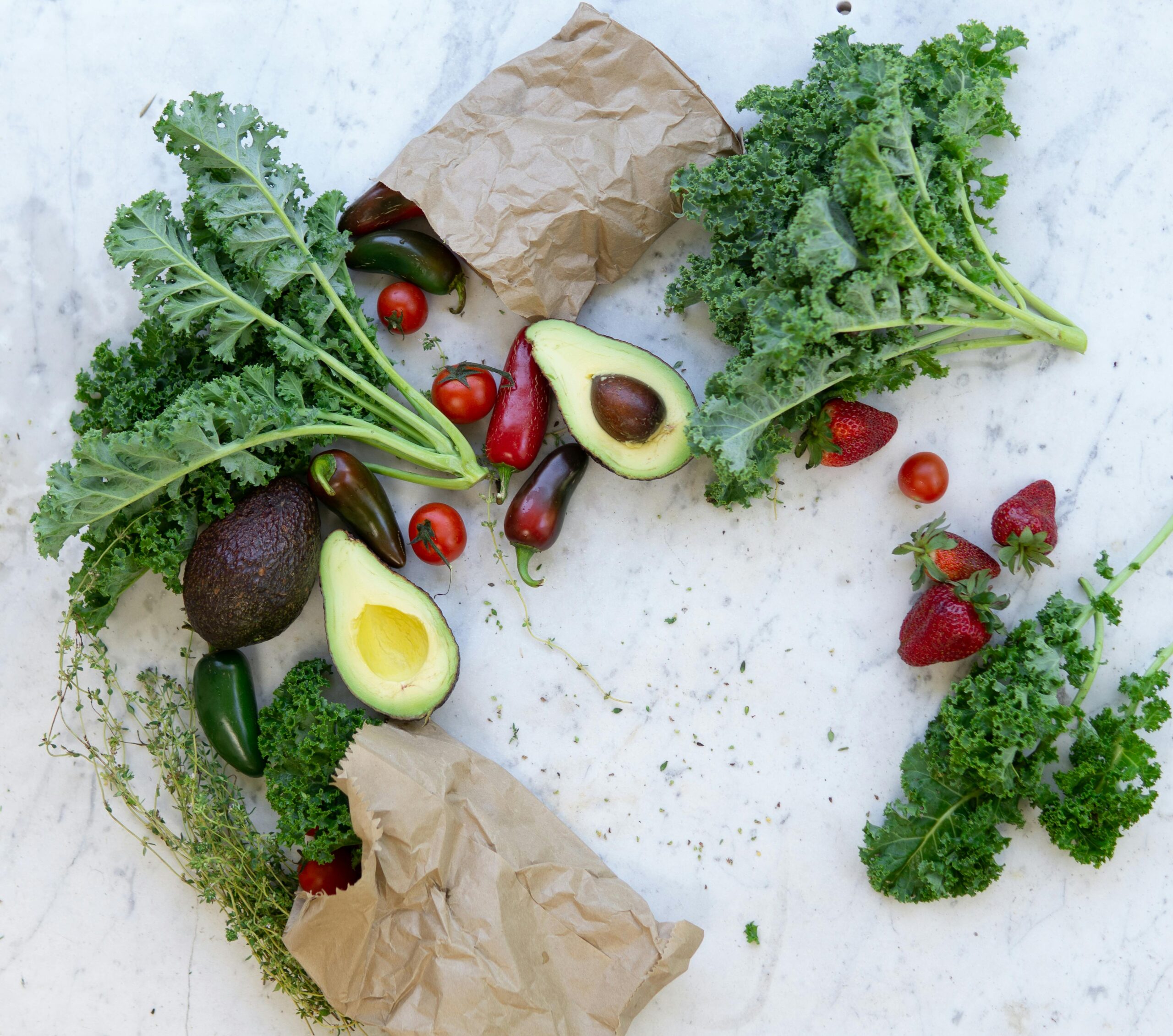
Avocado-based green goddess dressing combines ripe avocado, Greek yogurt, herbs, lemon juice, and garlic in a food processor for a creamy, antioxidant-rich sauce. This versatile creation works as salad dressing, sandwich spread, or vegetable dip.
Superfood Sauce Ingredients and Swaps
Incorporating superfoods into everyday sauces boosts nutritional value effortlessly. Add spirulina powder to green sauces for extra protein and minerals. Blend tahini with lemon juice and garlic for a calcium-rich Middle Eastern sauce perfect with vegetables or grains.
Replace heavy cream in pasta sauces with pureed cauliflower or white beans for similar texture with added fiber and nutrients. Nutritional yeast provides cheesy flavor without dairy, making it perfect for vegan cheese sauces. When recipes call for butter, try mashed avocado or coconut oil for healthy fat alternatives.
🧂 Essential Sauce-Making Techniques and Tips
Mastering basic techniques ensures consistent results regardless of which sauce you’re preparing. Understanding emulsification, reduction, and proper seasoning transforms good sauces into exceptional ones.
Emulsification—combining oil and water-based ingredients—requires patience and proper technique. Add oil very slowly while whisking constantly, or use a blender for foolproof results. If a sauce breaks, start with a fresh egg yolk or teaspoon of mustard and slowly whisk in the broken sauce.
Temperature Control and Consistency Management
Proper temperature prevents common sauce disasters. Add dairy products off heat or on very low temperature to prevent curdling. When thickening sauces, make a slurry by mixing cornstarch with cold water before adding to hot liquids to avoid lumps.
Achieving desired consistency requires patience—sauces continue thickening as they cool, so remove them from heat when slightly thinner than your target. For sauces that become too thick, thin with stock, water, or wine. For those too thin, simmer uncovered to reduce and concentrate flavors while thickening naturally.
📦 Storage Solutions and Meal Prep Strategies
Preparing sauces in advance saves time during busy weekdays while ensuring fresh flavors are always available. Most dressings and sauces store well, some even improving with time as flavors meld.
Vinaigrettes last up to two weeks refrigerated in airtight containers. Creamy dressings containing dairy keep for five to seven days. Tomato-based sauces freeze beautifully for up to three months—portion them into ice cube trays for convenient single-serving amounts.
Freezing Guidelines for Different Sauce Types
Understanding which sauces freeze well prevents texture disappointment. Oil-based and tomato sauces freeze excellently. Dairy-based sauces may separate upon thawing but often reconstitute with vigorous stirring or blending. Mayo-based dressings don’t freeze well and should be refrigerated only.
Label containers with preparation dates and ingredients for easy identification. Glass jars work beautifully for refrigerated storage, while freezer-safe containers or bags prevent freezer burn for longer storage periods.
🎯 Matching Sauces to Dishes: A Quick Reference
Knowing which sauce complements specific foods elevates your cooking instantly. While personal preference reigns supreme, certain combinations have stood the test of time for good reason.
Delicate fish pairs beautifully with light, acidic sauces like lemon butter or citrus vinaigrette. Rich red meats handle bold flavors—think peppercorn sauce, chimichurri, or robust red wine reduction. Chicken’s versatility accepts nearly anything, from creamy mushroom sauce to spicy buffalo coating.
Vegetable and Grain Pairing Suggestions
Roasted vegetables shine with tahini sauce, balsamic glaze, or herb-forward chimichurri. Grain bowls benefit from creamy dressings that add moisture—try green goddess, miso ginger, or lemon tahini. Steamed vegetables need bolder flavors to combat blandness—consider Asian-inspired sauces with ginger, garlic, and soy.
Raw vegetables in salads pair with virtually any dressing, but consider texture—crisp lettuces need lighter vinaigrettes while heartier greens like kale handle thicker, creamier options. Pasta salads absorb dressing, so make extra and toss again before serving.
🌟 Troubleshooting Common Sauce Problems
Even experienced cooks encounter sauce challenges. Knowing quick fixes saves dishes from potential disaster and builds confidence in the kitchen.
When sauces taste flat, the problem usually involves insufficient salt or acid. Add salt gradually, tasting between additions. A squeeze of lemon juice or splash of vinegar brightens flavors remarkably. If sauce tastes too acidic, balance with a pinch of sugar or honey.
Texture and Temperature Fixes
Grainy cheese sauce indicates overheating—prevent this by using low heat and adding cheese off the burner. If it happens, blend the sauce smooth or start over with a fresh base and slowly incorporate the grainy sauce while maintaining proper temperature.
Separated mayo-based dressings need re-emulsification—start with a fresh base of mustard or egg yolk and slowly whisk in the separated mixture. For sauces that are too salty, dilute with unsalted liquid or add potato chunks while simmering, which absorb excess salt before being removed.
💡 Creative Flavor Combinations to Try
Experimenting with unexpected ingredient combinations leads to signature sauces that become personal specialties. Start with familiar bases, then add creative elements that reflect your taste preferences.
Try adding fruit to savory sauces—mango in BBQ sauce, pomegranate molasses in vinaigrettes, or fig jam in pan sauces for pork. Unexpected spices create intrigue: cinnamon in tomato sauce, cardamom in cream sauces, or coriander in vinaigrettes.
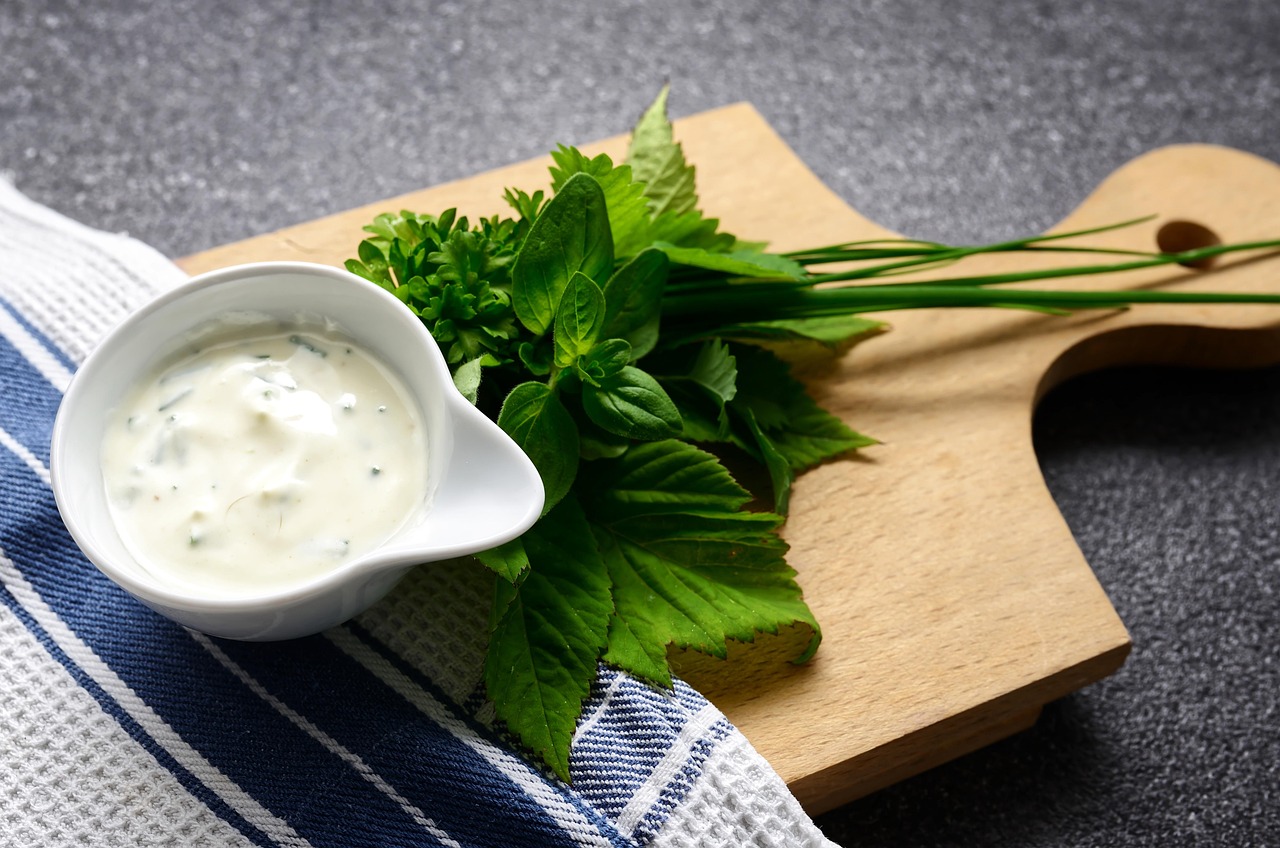
Coffee adds depth to chocolate sauces and BBQ glazes. A splash of bourbon or whiskey creates complexity in both sweet and savory applications. Fresh herbs provide brightness—mint in yogurt sauce, cilantro in lime dressing, or tarragon in cream sauce for chicken.
Mastering sauces and dressings transforms your cooking from ordinary to extraordinary. With these recipes, substitution ideas, and techniques, you’ll never face a boring meal again. Remember that cooking is creative expression—use these guidelines as starting points, then adjust according to your preferences and available ingredients. The best sauce is always the one that makes you excited about your meal, prepared with confidence and customized to your exact taste. Keep experimenting, tasting, and adjusting until you discover your perfect combinations. Your kitchen adventures with these flavorful creations will reward you with delicious results that bring joy to every meal, whether you’re cooking for yourself, family, or entertaining guests. The world of sauces and dressings offers endless exploration—enjoy every flavorful discovery along the way! 🍽️