Navigating a low-FODMAP diet doesn’t mean sacrificing flavor or spending hours in the kitchen. With the right recipes and meal planning strategies, you can enjoy delicious, gut-friendly lunches in just 15 minutes.

Whether you’re managing IBS, digestive sensitivities, or simply looking to reduce bloating and discomfort, quick low-FODMAP lunches can be game-changers for your busy workweek. The key is having a repertoire of simple recipes that combine fresh ingredients with smart preparation techniques, allowing you to nourish your body without triggering uncomfortable symptoms.
🥗 Why Low-FODMAP Lunches Matter for Your Digestive Health
The low-FODMAP diet has gained significant recognition as an evidence-based approach for managing irritable bowel syndrome and other functional gastrointestinal disorders. FODMAPs (Fermentable Oligosaccharides, Disaccharides, Monosaccharides, and Polyols) are short-chain carbohydrates that can ferment in the gut, causing bloating, gas, abdominal pain, and other digestive distress.
Lunchtime presents a particular challenge for those following this dietary approach. You’re typically away from home, pressed for time, and surrounded by tempting but potentially problematic food options. Having quick, satisfying low-FODMAP lunch recipes in your arsenal ensures you stay on track without feeling deprived or spending your entire lunch break cooking.
The beauty of 15-minute low-FODMAP meals is that they’re designed around ingredients that are naturally low in fermentable carbohydrates while being nutrient-dense and satisfying. Think lean proteins, certain vegetables, gluten-free grains, and flavorful herbs and spices that won’t upset your digestive system.
🍳 Essential Ingredients to Keep Your Low-FODMAP Kitchen Stocked
Success with quick low-FODMAP lunches starts with a well-stocked pantry and refrigerator. Having the right ingredients on hand means you can throw together a delicious meal in minutes without second-guessing whether something fits your dietary needs.
Protein Powerhouses
Protein forms the foundation of most satisfying lunches, and fortunately, most protein sources are naturally low in FODMAPs. Keep canned tuna, pre-cooked chicken breast, eggs, firm tofu, and tempeh readily available. These cook quickly or require minimal preparation, making them perfect for rushed weekday lunches.
Hard cheeses like cheddar, Swiss, and parmesan are also low-FODMAP in appropriate portions, adding both protein and flavor to your meals. Lactose-free dairy products expand your options even further, allowing for creamy sauces and satisfying additions without digestive concerns.
Vegetable Varieties That Work
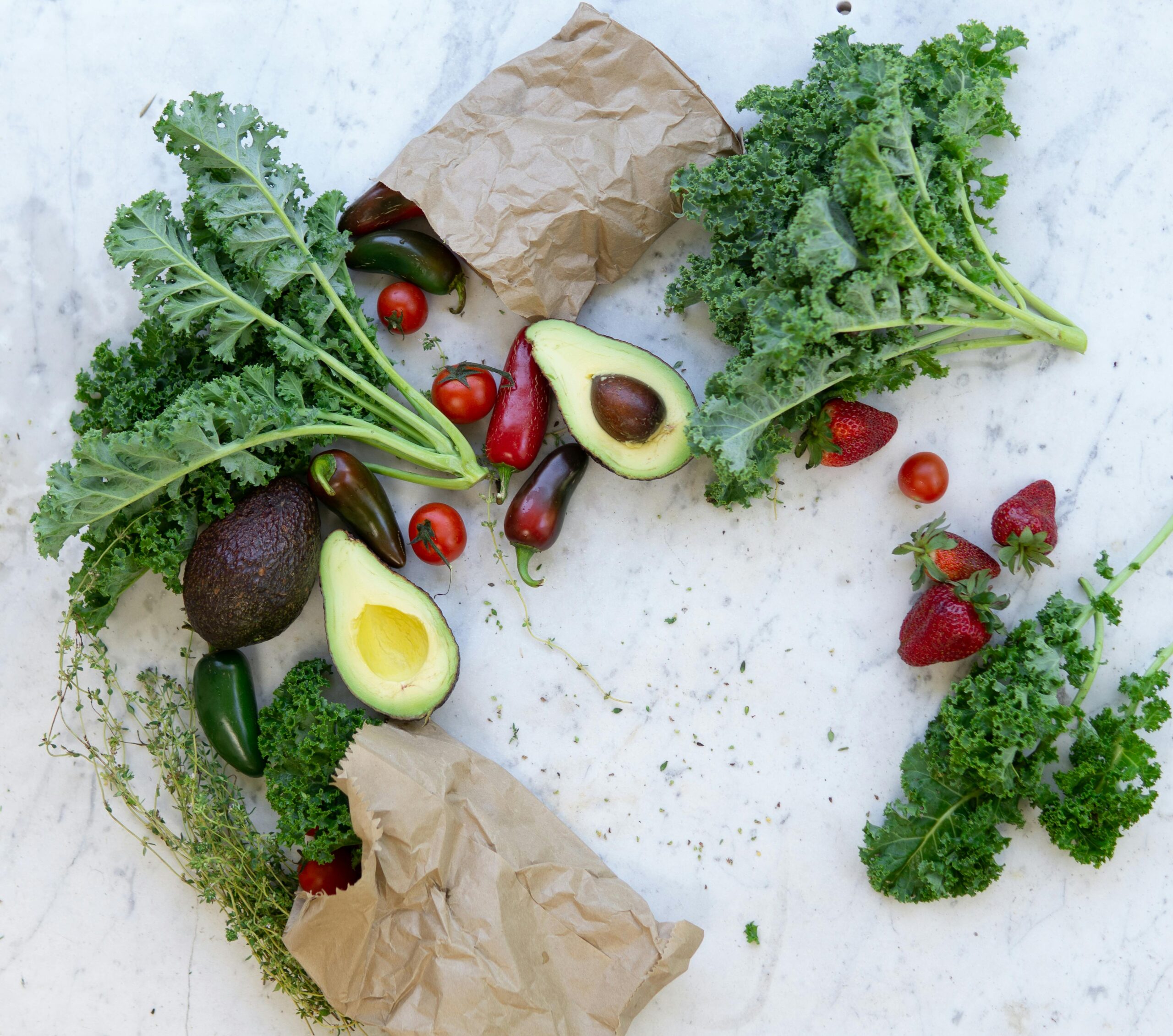
Not all vegetables are created equal on the low-FODMAP diet, but plenty of delicious options are available. Leafy greens like spinach, lettuce, and arugula are excellent bases for salads and wraps. Bell peppers, carrots, cucumbers, zucchini, and tomatoes (in moderation) add color, crunch, and nutrients.
Keep both fresh and frozen options available. Frozen vegetables can be just as nutritious as fresh ones and require zero prep time, making them ideal for quick lunch preparations.
Grains and Carbohydrates
Gluten-free options dominate the low-FODMAP carbohydrate category. Rice (white, brown, or wild), quinoa, gluten-free oats, and certain gluten-free breads and wraps provide energy and satisfaction. Pre-cooked rice packets and quick-cooking quinoa can reduce your lunch prep time to just minutes.
⏱️ Five 15-Minute Low-FODMAP Lunch Recipes
Mediterranean Quinoa Bowl with Grilled Chicken
This colorful bowl combines pre-cooked quinoa with grilled chicken strips, cherry tomatoes, cucumber, olives, and crumbled feta cheese. Simply heat the quinoa in the microwave for 90 seconds, top with your ingredients, and drizzle with olive oil and lemon juice. The combination of protein, complex carbohydrates, and healthy fats keeps you satisfied throughout the afternoon.
The key to the 15-minute timeline is using leftover grilled chicken or purchasing pre-cooked chicken strips from the grocery store. You can also prep the vegetables the night before, making assembly even faster during your lunch break.
Asian-Inspired Lettuce Wraps
These light yet satisfying wraps feature ground turkey or chicken cooked with garlic-infused oil (the oil captures flavor without the FODMAPs), fresh ginger, tamari sauce, and a splash of rice vinegar. Serve the mixture in butter lettuce leaves with shredded carrots, cucumber matchsticks, and chopped peanuts.
The entire cooking process takes just 10 minutes, leaving you 5 minutes for assembly and enjoyment. This recipe works beautifully for meal prep too—cook a large batch of the protein mixture on Sunday and portion it out for quick lunches all week.
Zucchini Noodle Pesto Bowl
Spiralized zucchini noodles (available pre-made at most grocery stores) get lightly sautéed for 2-3 minutes, then tossed with homemade low-FODMAP pesto made from basil, pine nuts, parmesan, and garlic-infused olive oil. Add grilled shrimp or chicken for protein, plus cherry tomatoes for a burst of freshness.
This lunch feels indulgent and restaurant-quality while being gentle on your digestive system. The zucchini noodles provide volume and nutrients without the heaviness of traditional pasta, keeping you energized rather than sluggish.
Sushi-Style Rice Paper Rolls
These fresh rolls combine rice paper wrappers with cooked shrimp or tofu, cucumber, carrots, lettuce, and fresh herbs like cilantro and mint. Serve with a dipping sauce made from tamari, rice vinegar, and a touch of maple syrup. The rolls come together in minutes once you get the hang of the rice paper technique.
This lunch is particularly refreshing during warmer months and provides a light yet satisfying option that won’t weigh you down. Make several rolls at once and store them wrapped in damp paper towels in the refrigerator for an even faster grab-and-go option.
Egg Fried Rice with Vegetables
Using pre-cooked rice (day-old rice works best for texture), this one-pan meal comes together in under 15 minutes. Scramble eggs in garlic-infused oil, add the rice and low-FODMAP vegetables like bok choy, carrots, and bell peppers, then season with tamari and a sprinkle of sesame seeds.
This recipe is infinitely customizable based on what vegetables and proteins you have available. It’s also an excellent way to use up leftovers, reducing food waste while creating a delicious, gut-friendly lunch.
🛒 Smart Shopping Strategies for Quick Low-FODMAP Meals
The secret to consistently preparing 15-minute lunches lies in strategic shopping. Invest time once a week in grocery shopping and basic meal prep, and you’ll reap the rewards throughout the busy workweek.
Focus on purchasing pre-washed greens, pre-cut vegetables, and pre-cooked proteins when your budget allows. While these convenience items cost slightly more, they dramatically reduce preparation time and often prevent food waste by providing exactly the portions you need.
Many grocery stores now offer low-FODMAP certified products, from sauces to snack bars, making it easier than ever to identify safe options quickly. Look for products certified by Monash University or FODMAP Friendly, as these have been laboratory-tested to ensure they meet low-FODMAP standards.
📱 Technology Tools to Support Your Low-FODMAP Journey
Managing a low-FODMAP diet becomes significantly easier with the right digital tools. The Monash University FODMAP Diet app is considered the gold standard reference, providing up-to-date information on FODMAP content in hundreds of foods, complete with traffic-light coding for easy understanding.
Having this information at your fingertips while shopping or meal planning ensures you make informed choices without constantly second-guessing your ingredients. The app also includes recipes, a food diary feature, and guidance on the reintroduction phase of the diet.
🥘 Meal Prep Tips for Maximum Efficiency
While these recipes are designed for quick preparation, doing some advance work on weekends or rest days can make weekday lunches even faster. Consider dedicating an hour on Sunday to washing and chopping vegetables, cooking proteins in bulk, and preparing base ingredients like quinoa or rice.
Invest in quality storage containers that are microwave-safe and leak-proof. Glass containers with divided sections work particularly well for low-FODMAP lunches, keeping ingredients separate until you’re ready to eat and preventing sogginess in salads or wraps.
Create an assembly-line system where you prepare multiple lunches at once. This approach takes only slightly more time than preparing a single lunch but provides you with ready-to-go meals for several days.
🌟 Avoiding Common Low-FODMAP Lunch Pitfalls
Even with the best intentions, certain mistakes can derail your low-FODMAP lunch routine. One of the most common issues is portion size—some foods are low-FODMAP in small amounts but become problematic in larger servings. Avocado, for example, is low-FODMAP at 1/8 of a whole fruit but high-FODMAP at larger portions.
Another pitfall is hidden FODMAPs in seemingly safe foods. Commercial salad dressings, marinades, and sauces often contain high-FODMAP ingredients like garlic, onion, or high-fructose corn syrup. Making your own dressings and sauces takes just minutes and ensures you know exactly what you’re consuming.
Don’t fall into the trap of eating the same lunch every day. Variety ensures you’re getting a broad spectrum of nutrients and prevents food boredom, which can lead to abandoning the diet altogether. With the recipes and strategies outlined here, you can easily rotate through different flavors and cuisines throughout the week.
💪 Balancing Nutrition on a Low-FODMAP Diet
While the low-FODMAP diet is therapeutic for digestive symptoms, it’s important to ensure your quick lunches remain nutritionally balanced. Each meal should ideally include a protein source, healthy fats, vegetables, and complex carbohydrates.
Pay particular attention to fiber intake, as some high-fiber foods are also high in FODMAPs. Include low-FODMAP fiber sources like carrots, spinach, quinoa, and chia seeds to support overall digestive health and regular bowel movements.
Consider working with a registered dietitian who specializes in digestive health, especially during the initial phases of the diet. They can help you create personalized meal plans that meet your nutritional needs while effectively managing symptoms.
🍱 Packing and Transporting Your Low-FODMAP Lunch
The practicality of your lunch matters just as much as the recipe itself. Invest in an insulated lunch bag with ice packs if your workplace doesn’t have reliable refrigeration. Many low-FODMAP lunches contain proteins and dairy that require proper temperature control for food safety.
Pack wet and dry ingredients separately when possible, especially for salads and wraps. Bring dressing on the side in a small container, and assemble your meal just before eating to maintain optimal texture and freshness.
Don’t forget utensils, napkins, and any necessary condiments or seasonings. Having everything you need prevents the temptation to supplement your lunch with potentially problematic options from vending machines or nearby restaurants.
🎯 Making Low-FODMAP Lunches Part of Your Lifestyle
The goal isn’t perfection but progress. Some days you’ll have time for elaborate 15-minute creations, while other days you might need ultra-simple options like a rice cake with peanut butter and banana, paired with carrot sticks and a protein shake.
Build flexibility into your approach by maintaining a mental list of “emergency” low-FODMAP lunches that require virtually no preparation. These might include canned tuna with gluten-free crackers and cucumber, a simple omelet with spinach and cheese, or a rice bowl with leftover protein and vegetables.
Remember that the low-FODMAP diet is typically intended as a temporary elimination diet lasting 2-6 weeks, followed by systematic reintroduction of FODMAP groups to identify your personal triggers. During the maintenance phase, you’ll likely have more flexibility, making lunch planning even easier.

🌈 Keeping Meals Exciting and Flavorful
One concern many people have about the low-FODMAP diet is that food will become bland or boring. Nothing could be further from the truth when you embrace herbs, spices, and creative flavor combinations.
Garlic-infused oil provides the beloved garlic flavor without the FODMAPs (the oligosaccharides don’t transfer into oil). Fresh herbs like basil, cilantro, parsley, and chives add brightness without any digestive concerns. Spices like cumin, paprika, turmeric, and cinnamon open up world cuisine possibilities.
Experiment with different cuisines within low-FODMAP guidelines. Mexican-inspired burrito bowls, Asian stir-fries, Mediterranean salads, and Italian-style dishes can all be adapted to fit your needs while keeping your taste buds engaged and satisfied.
Your journey with quick low-FODMAP lunches is about discovering what works for your unique body, schedule, and preferences. These 15-minute meals prove that managing digestive health doesn’t require sacrificing convenience, flavor, or satisfaction. With the right ingredients, a bit of planning, and these tested recipes, you can power through your busy week feeling nourished, energized, and symptom-free. Start with one or two recipes this week, build your confidence, and gradually expand your repertoire until quick, delicious low-FODMAP lunches become second nature.