Managing a low-FODMAP diet doesn’t mean sacrificing flavor or spending hours in the kitchen every night. Batch cooking and freezer meal prep can transform your weekly routine into a stress-free experience.

Whether you’re navigating IBS symptoms, digestive sensitivities, or simply looking for gut-friendly meal solutions, having delicious low-FODMAP dinners ready in your freezer is a game-changer. These five carefully crafted recipes combine convenience with nutrition, ensuring you always have wholesome options at your fingertips without the daily cooking pressure.
🍽️ Why Freezer-Ready Low-FODMAP Meals Are Your Secret Weapon
The low-FODMAP diet, designed to reduce fermentable carbohydrates that can trigger digestive distress, requires careful ingredient selection and meal planning. When you’re dealing with uncomfortable symptoms or simply trying to maintain gut health, the last thing you need is additional meal-planning stress.
Freezer-ready batch cooking solves multiple problems simultaneously. You eliminate daily decision fatigue about what to eat, reduce food waste, save money by buying ingredients in bulk, and most importantly, ensure you always have safe, symptom-free meals available. This approach also prevents those desperate moments when hunger strikes and you’re tempted to reach for foods that might trigger your symptoms.
The key to successful low-FODMAP freezer meals lies in understanding which ingredients freeze well while maintaining their texture and flavor. Root vegetables, proteins like chicken and fish, lactose-free dairy products, and many herbs and spices all freeze beautifully. By focusing on these ingredients, you can create restaurant-quality meals that taste fresh even after weeks in the freezer.
Essential Tips for Low-FODMAP Batch Cooking Success
Before diving into the recipes, let’s establish some fundamental principles that will make your freezer meal prep journey smoother and more efficient.
Smart Storage Solutions
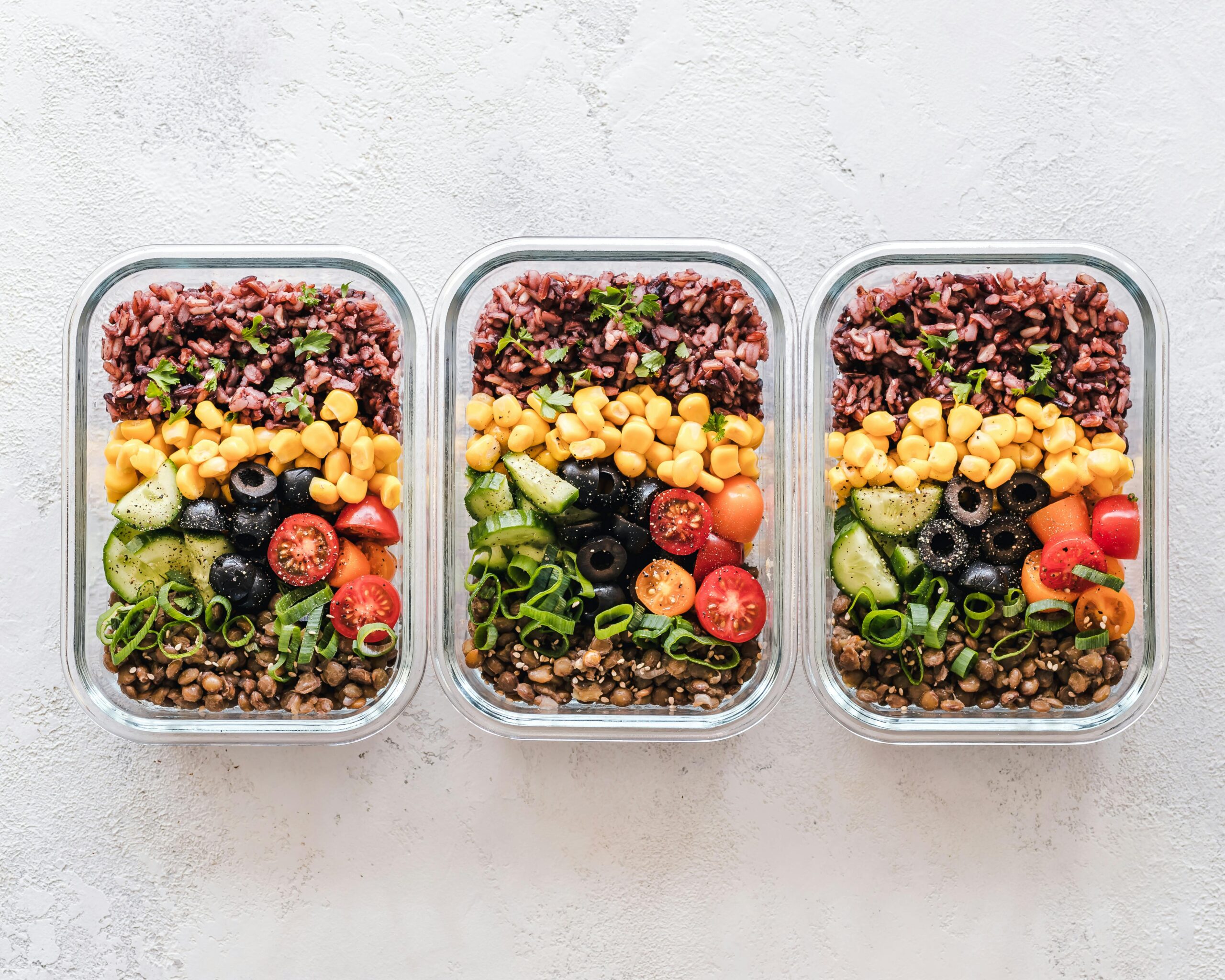
Invest in quality freezer-safe containers or heavy-duty freezer bags. Glass containers work wonderfully for reheating but take up more space, while bags can be stacked flat for maximum freezer efficiency. Always label everything with the dish name and date—trust me, after a month in the freezer, that curry and stew will look remarkably similar!
Portion your meals according to your household size. Individual portions work great for solo diners or varied family schedules, while family-sized portions streamline dinner service when everyone eats together. Leave about an inch of headspace in containers to allow for expansion during freezing.
Freezing and Reheating Best Practices
Cool your meals completely before freezing to prevent ice crystal formation and maintain food safety. Spread containers out in the freezer initially for faster freezing, then stack them once solid. Most of these meals will maintain peak quality for 2-3 months, though they remain safe indefinitely when properly frozen.
For reheating, thaw meals overnight in the refrigerator when possible. Microwave reheating works well for most dishes, but stovetop or oven reheating often yields better texture. Always ensure meals reach an internal temperature of 165°F (74°C) for food safety.
Recipe 1: Ginger-Garlic Infused Oil Chicken with Brown Rice 🍗
This aromatic dish brings Asian-inspired flavors to your low-FODMAP table without the problematic ingredients. The secret lies in infusing garlic flavor into oil, then removing the actual garlic pieces before cooking—a technique that delivers taste without the FODMAPs.
Ingredients (Makes 6 Servings)
- 2 pounds boneless, skinless chicken thighs, cut into bite-sized pieces
- 1/3 cup garlic-infused olive oil (store-bought or homemade)
- 2 tablespoons fresh ginger, grated
- 3 cups cooked brown rice (firm texture for freezing)
- 2 cups baby spinach
- 3 medium carrots, julienned
- 2 tablespoons gluten-free tamari sauce
- 1 tablespoon maple syrup
- 2 teaspoons sesame oil
- Green onion tops (green parts only), sliced
- Salt and pepper to taste
Preparation Instructions
Heat 2 tablespoons of garlic-infused oil in a large skillet over medium-high heat. Season chicken pieces with salt and pepper, then cook until golden and cooked through, about 6-8 minutes. Remove and set aside.
In the same skillet, add remaining garlic-infused oil and ginger. Sauté for 30 seconds until fragrant. Add carrots and cook for 3-4 minutes until slightly tender. Add tamari, maple syrup, and sesame oil, stirring to combine. Return chicken to the pan along with spinach, cooking just until spinach wilts.
Divide brown rice among six freezer-safe containers. Top each with the chicken mixture and garnish with green onion tops. Cool completely before sealing and freezing.
Reheating tip: Add a tablespoon of water before microwaving to restore moisture, or reheat in a covered pan on the stovetop with a splash of chicken broth.
Recipe 2: Mediterranean Herb Turkey Meatballs with Zucchini Noodles 🥙
These flavorful meatballs pack protein and herbs into every bite while remaining completely low-FODMAP. Paired with zucchini noodles and a simple tomato sauce, this dish feels indulgent while supporting your digestive health.
Ingredients (Makes 5 Servings)
- 2 pounds ground turkey (93% lean)
- 1/2 cup gluten-free breadcrumbs
- 1/4 cup fresh parsley, chopped
- 2 tablespoons fresh oregano, chopped
- 1 tablespoon fresh basil, chopped
- 2 eggs, beaten
- 1/4 cup lactose-free Parmesan cheese, grated
- 1 teaspoon salt
- 1/2 teaspoon black pepper
- 3 cups canned crushed tomatoes (check for no added garlic/onion)
- 2 tablespoons garlic-infused olive oil
- 5 medium zucchini, spiralized (freeze separately)
Preparation Instructions
Preheat oven to 400°F (200°C). In a large bowl, combine turkey, breadcrumbs, herbs, eggs, Parmesan, salt, and pepper. Mix gently until just combined—overworking makes tough meatballs. Form into 30 meatballs (about 1.5 inches each).
Arrange meatballs on a parchment-lined baking sheet and bake for 20-25 minutes until golden and cooked through (internal temperature 165°F).
Meanwhile, heat garlic-infused oil in a large saucepan. Add crushed tomatoes, season with salt and pepper, and simmer for 15 minutes. Add cooked meatballs to the sauce and gently combine.
Divide meatballs and sauce among five containers. Freeze zucchini noodles separately in bags (they’ll release water when thawed, so drain before using).
Reheating tip: Thaw meatballs and reheat in a pan or microwave. Sauté fresh or thawed zucchini noodles in a pan for 2-3 minutes just before serving for best texture.
Recipe 3: Slow-Cooked Beef and Root Vegetable Stew 🥘
Comfort food at its finest, this hearty stew features tender beef and low-FODMAP root vegetables in a rich, savory broth. The slow cooking process develops deep flavors that make this dish taste like it took hours—even though your active prep time is minimal.
Ingredients (Makes 6 Servings)
- 2.5 pounds beef chuck roast, cut into 1-inch cubes
- 4 medium carrots, cut into chunks
- 3 medium parsnips, cut into chunks
- 2 cups butternut squash, cubed
- 1 cup celery (about 1 stalk), chopped
- 4 cups low-FODMAP beef broth
- 1/4 cup garlic-infused olive oil
- 2 tablespoons tomato paste (check ingredients)
- 2 bay leaves
- 1 tablespoon fresh thyme
- 1 tablespoon fresh rosemary, chopped
- 2 tablespoons gluten-free flour (for thickening)
- Salt and pepper to taste
Preparation Instructions
Season beef cubes generously with salt and pepper, then toss with gluten-free flour. Heat garlic-infused oil in a large Dutch oven over medium-high heat. Brown beef in batches, about 3-4 minutes per side. Remove and set aside.
In the same pot, add carrots, parsnips, butternut squash, and celery. Sauté for 5 minutes. Add tomato paste and cook for another minute, stirring constantly. Return beef to the pot and add broth, bay leaves, thyme, and rosemary.
Bring to a boil, then reduce heat to low. Cover and simmer for 2-2.5 hours until beef is fork-tender and vegetables are soft. Remove bay leaves. Taste and adjust seasoning.
Cool completely before dividing among six freezer containers. This stew actually improves in flavor after freezing and reheating!
Reheating tip: Thaw overnight and reheat on the stovetop, adding a splash of broth if needed to adjust consistency.
Recipe 4: Lemon-Herb Salmon with Quinoa and Green Beans 🐟
This elegant yet simple dish proves that low-FODMAP eating can be both sophisticated and convenient. Salmon provides omega-3 fatty acids while quinoa offers complete protein and a satisfying texture that holds up well to freezing.
Ingredients (Makes 5 Servings)
- 5 salmon fillets (6 ounces each)
- 2 cups quinoa, cooked according to package directions
- 1 pound fresh green beans, trimmed and blanched
- 1/4 cup fresh lemon juice
- Zest of 2 lemons
- 1/4 cup garlic-infused olive oil
- 2 tablespoons fresh dill, chopped
- 1 tablespoon fresh parsley, chopped
- 1 teaspoon Dijon mustard
- Salt and pepper to taste
Preparation Instructions
Preheat oven to 375°F (190°C). In a small bowl, whisk together lemon juice, lemon zest, garlic-infused oil, dill, parsley, Dijon mustard, salt, and pepper.
Place salmon fillets on a parchment-lined baking sheet. Brush generously with half the lemon-herb mixture. Bake for 12-15 minutes until salmon flakes easily with a fork but remains moist.
Blanch green beans by boiling for 3 minutes, then immediately transferring to ice water to stop cooking. This preserves their bright color and crisp texture through freezing.
In five freezer containers, place a portion of quinoa, top with a salmon fillet, and arrange green beans alongside. Divide remaining lemon-herb sauce among containers, drizzling over each portion.
Reheating tip: Thaw overnight. Reheat gently in the oven at 325°F for 10-12 minutes to prevent salmon from drying out, or use 50% power in the microwave.
Recipe 5: Maple-Mustard Chicken Thighs with Sweet Potato Mash 🍠
This crowd-pleasing combination delivers sweet and savory notes with ultimate comfort food appeal. Sweet potatoes are naturally low-FODMAP and create a creamy, satisfying side that freezes and reheats beautifully.
Ingredients (Makes 6 Servings)
- 12 bone-in, skin-on chicken thighs
- 1/4 cup pure maple syrup
- 3 tablespoons Dijon mustard
- 2 tablespoons garlic-infused olive oil
- 1 tablespoon fresh thyme leaves
- 4 pounds sweet potatoes, peeled and cubed
- 1/4 cup lactose-free butter
- 1/4 cup lactose-free milk
- Salt and pepper to taste
- Fresh chives for garnish
Preparation Instructions
Preheat oven to 425°F (220°C). Pat chicken thighs dry and season generously with salt and pepper. Arrange skin-side up on a large baking sheet.
In a small bowl, whisk together maple syrup, Dijon mustard, garlic-infused oil, and thyme. Brush half the mixture over the chicken thighs. Roast for 35-40 minutes, brushing with remaining glaze halfway through, until skin is crispy and internal temperature reaches 165°F.
Meanwhile, boil sweet potato cubes in salted water until fork-tender, about 15 minutes. Drain well and return to the pot. Add lactose-free butter and milk, then mash until smooth and creamy. Season with salt and pepper.
Divide sweet potato mash among six containers. Top each with two chicken thighs. Cool completely before sealing and freezing.
Reheating tip: Thaw overnight. Reheat chicken in the oven at 375°F for 15-20 minutes to restore crispy skin, and microwave sweet potato mash separately, stirring halfway through.
Maximizing Your Meal Prep Investment ⏰
To make batch cooking truly efficient, dedicate one afternoon or evening every two weeks to preparing multiple recipes simultaneously. Start with recipes that have the longest cooking times, like the beef stew, so it can simmer while you work on other dishes.
Prep all vegetables at once—wash, chop, and organize everything before you start cooking. This assembly-line approach significantly reduces active cooking time. Clean as you go to prevent overwhelming cleanup at the end.
Consider cooking components on different days if a full batch-cooking session feels overwhelming. Cook proteins one day, grains and sides another, then assemble meals on a third day. The flexibility of this approach makes meal prep sustainable long-term.
Customizing Recipes for Your Needs 🎯
These recipes serve as flexible templates that you can adjust based on your specific tolerances, preferences, and what’s available in your local market. Many people on low-FODMAP diets can tolerate small amounts of certain higher-FODMAP foods, so feel free to experiment once you understand your personal triggers.
Substitute proteins based on preference—turkey works wherever chicken is used, and firm white fish can replace salmon. Swap root vegetables freely; rutabaga, turnips, and celeriac all work well in the stew. For grain-free options, cauliflower rice works in place of regular rice or quinoa.
Adjust seasonings to match your taste preferences. Fresh herbs can be replaced with dried herbs (use one-third the amount), and heat levels can be increased with low-FODMAP hot sauces or chili-infused oils.
Building a Low-FODMAP Freezer Inventory 📋
Once you’ve mastered these five recipes, rotate them with other low-FODMAP favorites to create variety in your freezer inventory. Aim to maintain at least 10-15 individually portioned meals at any given time, giving you two weeks of dinner flexibility.
Create a simple freezer inventory list on your refrigerator or smartphone, checking off meals as you use them and noting which ones need replenishing. This system prevents meals from getting forgotten in the back of the freezer and helps you plan shopping trips more efficiently.
Consider theme nights to simplify decision-making even further—Mediterranean Monday, Asian-inspired Tuesday, comfort food Wednesday. This structure provides variety while maintaining the convenience of grab-and-reheat simplicity.
Your Stress-Free Low-FODMAP Future Starts Now 🌟
Committing to freezer-ready low-FODMAP batch cooking represents an investment in your health, time, and peace of mind. The initial effort of preparing these meals pays dividends throughout busy weeks when cooking from scratch feels impossible.
Remember that perfection isn’t the goal—consistency is. Even preparing just one or two recipes per week gradually builds your freezer inventory and reduces daily cooking pressure. Start with the recipe that appeals most to you, master it, then add another to your rotation.
These five recipes provide a solid foundation for stress-free meal prep that supports your digestive health without sacrificing flavor or variety. With your freezer stocked with delicious, gut-friendly options, you’re equipped to handle even the busiest weeks while maintaining the dietary approach that helps you feel your best. The freedom and confidence that comes from knowing you always have safe, delicious meals waiting is truly transformative for anyone navigating a low-FODMAP lifestyle.