Have you ever stared at your refrigerator, wondering what to cook with the random ingredients inside? The secret to creating endless delicious meals lies in understanding the simple formula of mixing and matching bases, proteins, vegetables, and sauces.

This approach transforms everyday cooking from a stressful chore into an exciting creative process. Instead of following rigid recipes, you’ll learn to build customizable meals that satisfy your taste buds while using what you already have at home. Whether you’re cooking for one or feeding a family, this mix-and-match method saves time, reduces food waste, and keeps your menu fresh and exciting.
🍽️ Understanding the Four Building Blocks of Every Great Meal
Every satisfying meal consists of four fundamental components that work together to create balanced nutrition and incredible flavor. When you understand how these elements interact, you unlock unlimited culinary possibilities without needing to memorize hundreds of recipes.
The base provides the foundation and bulk of your meal, typically offering carbohydrates and fiber. Proteins deliver essential amino acids and keep you satisfied longer. Vegetables add vitamins, minerals, texture, and color. Finally, sauces tie everything together with moisture and flavor complexity that transforms simple ingredients into restaurant-quality dishes.
Why This Method Works for Everyone
This flexible approach accommodates various dietary preferences, cooking skill levels, and time constraints. Busy professionals can assemble quick weeknight dinners in under 20 minutes. Home cooks with more time can experiment with elaborate flavor combinations. Whether you’re vegan, paleo, keto, or simply trying to eat healthier, the mix-and-match formula adapts seamlessly to your needs.
Choosing Your Perfect Base: The Foundation of Flavor
Your base anchors the meal and determines its overall character. Traditional grain-based options like rice, pasta, and quinoa offer comfort and versatility. Each grain brings unique textures and subtle flavors that pair differently with various proteins and sauces.
Rice varieties alone provide incredible diversity. Jasmine rice brings fragrant notes perfect for Asian-inspired dishes. Brown rice adds nuttiness and fiber. Basmati rice offers long, fluffy grains ideal for Mediterranean and Indian flavors. Cauliflower rice and zucchini noodles provide low-carb alternatives that absorb sauces beautifully while keeping meals light.
Beyond Traditional Grains
Don’t limit yourself to conventional bases. Baked sweet potatoes create naturally sweet, creamy foundations for savory toppings. Crispy lettuce wraps offer refreshing crunch and minimal calories. Crusty bread transforms meals into open-faced sandwiches or becomes the vehicle for flavorful dips and spreads. Polenta, couscous, and ancient grains like farro each bring distinctive textures worth exploring.
Consider the cooking time when selecting your base. Quick-cooking options like instant rice or pre-cooked grains speed up meal preparation significantly. Batch-cooking bases on weekends means you’ll always have ready foundations waiting in your refrigerator, making weeknight cooking nearly effortless.
🥩 Selecting Proteins That Satisfy and Nourish
Protein choices dramatically influence both the nutritional profile and flavor direction of your meal. Animal-based proteins like chicken, beef, pork, fish, and seafood each bring distinct tastes and textures. Chicken breast cooks quickly and absorbs marinades wonderfully. Salmon provides omega-3 fatty acids and rich, buttery flavor. Ground beef offers versatility and familiar comfort.
Plant-based proteins have evolved far beyond plain tofu. Tempeh brings nutty, fermented complexity. Chickpeas become crispy when roasted or creamy when mashed. Black beans, lentils, and edamame provide fiber-rich alternatives that satisfy vegetarians and meat-eaters alike. Eggs serve as budget-friendly protein that works for any meal of the day.
Preparation Methods That Maximize Flavor
How you cook your protein matters as much as which protein you choose. Grilling creates smoky char and caramelization. Pan-searing develops a golden crust while keeping interiors juicy. Slow-cooking tenderizes tougher cuts until they fall apart. Marinating infuses flavor deep into the protein, while dry rubs create flavorful crusts.
Quick-cooking techniques like stir-frying or broiling work perfectly for weeknight meals. Meal preppers can cook proteins in bulk using sheet pan methods or pressure cookers, portioning them for multiple meals throughout the week. Leftover rotisserie chicken becomes tomorrow’s protein without any additional cooking required.
🥬 Vegetables: Adding Color, Crunch, and Nutrition
Vegetables provide the visual appeal, textural contrast, and nutritional powerhouse elements that elevate simple meals into complete dining experiences. Aim for variety in colors, which naturally ensures a broader spectrum of vitamins and minerals.
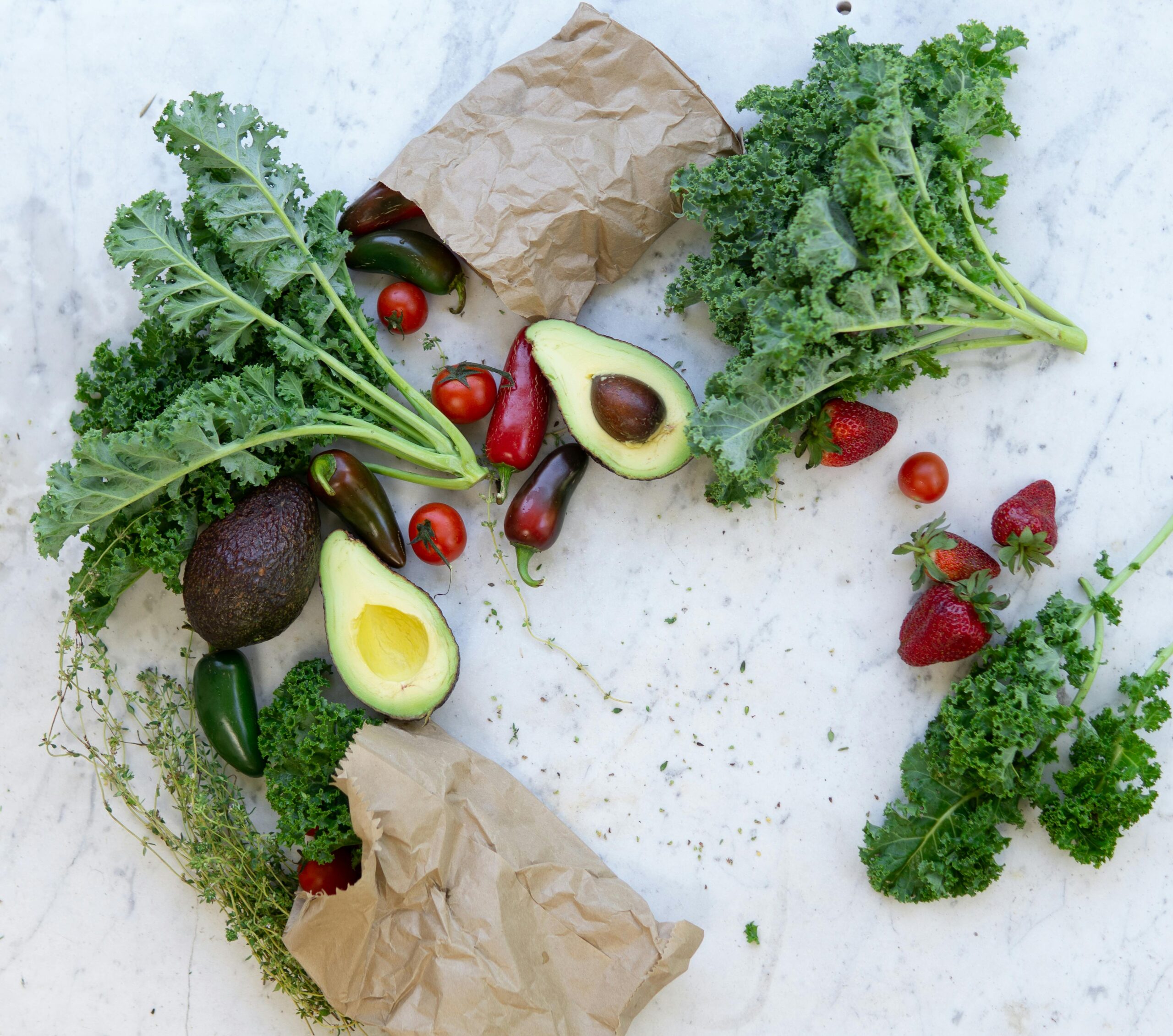
Leafy greens like spinach, kale, and arugula wilt quickly when added to hot dishes or provide fresh crispness in cold preparations. Cruciferous vegetables including broccoli, cauliflower, and Brussels sprouts roast beautifully with caramelized edges. Bell peppers, zucchini, and mushrooms add meaty texture and umami depth.
Raw Versus Cooked: Maximizing Taste and Nutrition
Some vegetables shine when served raw, preserving their crisp texture and fresh flavor. Cucumbers, tomatoes, carrots, and cabbage add refreshing crunch to bowls and wraps. Other vegetables improve dramatically when cooked, with heat breaking down tough fibers and concentrating natural sugars.
Roasting vegetables at high temperatures caramelizes their surfaces, creating addictive sweetness and complexity. Steaming preserves more nutrients than boiling. Sautéing in garlic and olive oil adds Mediterranean flair. Pickling vegetables extends their shelf life while adding tangy brightness that cuts through rich proteins and creamy sauces.
The Magic of Sauces: Transforming Simple to Spectacular
Sauces represent the true secret weapon in your culinary arsenal. A single base-protein-vegetable combination can taste completely different depending on which sauce brings everything together. Master a handful of versatile sauces, and you’ll never eat boring meals again.
Asian-inspired sauces like teriyaki, peanut sauce, and ginger-soy dressings pair beautifully with rice bases and stir-fried vegetables. Mediterranean options including tahini, tzatziki, and lemon-herb vinaigrettes complement grain bowls and roasted vegetables. Creamy sauces like Alfredo, cheese sauce, and ranch add indulgent richness.
Quick Sauces You Can Make in Minutes
You don’t need culinary school to create impressive sauces. Many restaurant-quality options require just a few ingredients whisked together. Combine soy sauce, honey, garlic, and ginger for an instant Asian glaze. Mix tahini, lemon juice, garlic, and water for Middle Eastern-style sauce. Blend avocado, lime, cilantro, and yogurt for creamy Mexican-inspired dressing.
Keep quality condiments stocked in your pantry and refrigerator. Good hot sauce, quality olive oil, aged balsamic vinegar, and diverse spice blends allow you to create flavor variations endlessly. Even simple combinations like butter and herbs or olive oil and garlic can elevate humble ingredients into memorable meals.
🎯 Building Your First Mix-and-Match Meals
Let’s put theory into practice with concrete examples that demonstrate how this system works. Start with familiar flavor profiles, then gradually experiment with bolder combinations as your confidence grows.
For a classic Asian-inspired bowl, combine jasmine rice as your base, teriyaki chicken as protein, stir-fried broccoli and bell peppers as vegetables, and drizzle with sriracha mayo sauce. This combination delivers sweet, savory, and spicy notes with satisfying textures.
Mediterranean Magic
Create a Mediterranean feast by layering quinoa as your base, grilled salmon as protein, roasted zucchini and cherry tomatoes as vegetables, and finishing with lemon-dill yogurt sauce. This meal provides heart-healthy fats, complete protein, and bright, fresh flavors that transport you to coastal Greece.
Mexican-style bowls work wonderfully with cilantro-lime rice as the base, seasoned black beans and grilled chicken as proteins, sautéed peppers and corn as vegetables, and creamy avocado-lime dressing as sauce. Top with fresh salsa and a squeeze of lime for restaurant-quality results at home.
Mastering Flavor Combinations and Pairings
Certain ingredients naturally complement each other based on shared flavor compounds and culinary traditions. Understanding these classic pairings helps you create harmonious meals while also knowing which rules you can break for creative innovation.
Asian flavors typically combine soy sauce, ginger, garlic, sesame, and rice vinegar. Italian profiles feature tomatoes, basil, garlic, olive oil, and Parmesan. Mexican cuisine relies on cumin, chili peppers, lime, cilantro, and beans. Indian cooking showcases curry spices, yogurt, lentils, and rice.
When to Follow Traditions and When to Break Rules
While traditional pairings exist for good reasons, fusion cuisine proves that breaking rules creates exciting new flavors. Korean BBQ tacos combine Asian and Mexican elements brilliantly. Mediterranean pizzas topped with falafel and tahini bridge cultures deliciously. Trust your taste buds and experiment boldly.
Keep notes on combinations you love and those that miss the mark. Your personal preferences matter more than any cookbook. Some people adore cilantro while others find it soapy. Spice tolerance varies dramatically. Adjust recipes to match your palate without guilt.
⏰ Time-Saving Strategies for Busy Cooks
The mix-and-match approach becomes even more powerful when combined with smart meal prep strategies. Dedicate a few hours on weekends to preparing components, and you’ll assemble complete meals in minutes throughout the week.
Cook large batches of grains and store them in portioned containers. Grill or roast multiple proteins at once using different seasonings. Chop vegetables in advance and store them properly to maintain freshness. Prepare several sauces in small jars that keep for days or weeks in the refrigerator.
The Power of Strategic Leftovers
Intentionally cook extra portions with the plan to repurpose them into different meals. Roasted chicken from Monday becomes chicken salad on Tuesday and chicken fried rice on Wednesday. Each iteration feels like a new meal rather than boring leftovers because you’re changing the base, vegetables, and sauce.
Freeze components that don’t lose quality during freezing. Cooked grains, certain proteins, and many sauces freeze beautifully. Label containers with dates and contents. Having a freezer stocked with ready components means you’re always one thawing session away from a complete meal.
Budget-Friendly Meal Planning with Mix-and-Match
This approach saves money by reducing food waste and eliminating the need to buy specialized ingredients for single-use recipes. Purchase versatile ingredients that work across multiple meals and flavor profiles.
Buying proteins on sale and freezing them stretches your budget significantly. Plant-based proteins like beans and lentils cost pennies per serving while providing excellent nutrition. Seasonal vegetables cost less and taste better than out-of-season imports.
Stretching Expensive Ingredients
Use smaller portions of expensive proteins by bulking up meals with additional vegetables and hearty grains. A little bit of salmon goes far when mixed into fried rice with plenty of vegetables. Expensive aged cheese delivers big flavor even when used sparingly as a finishing touch rather than the main component.
🌟 Advanced Techniques for Confident Home Cooks
Once you’ve mastered basic combinations, explore advanced techniques that add professional polish to your home cooking. Learning to balance flavors—sweet, salty, sour, bitter, and umami—transforms good meals into exceptional ones.
Add finishing touches that provide textural contrast. Toasted nuts or seeds add crunch. Fresh herbs brighten flavors at the last moment. A squeeze of citrus lifts heavy dishes. Pickled elements cut through richness. These small additions make diners wonder about your secret ingredients.
Plating and Presentation Matter
You eat with your eyes first, so thoughtful plating elevates the dining experience. Arrange components in distinct sections rather than mixing everything together, allowing each element to shine visually. Use white or neutral plates that make colorful ingredients pop. Add garnishes strategically for visual interest.
Consider temperature and textural contrasts on the plate. Cool, creamy elements balance hot, crispy ones. Soft proteins pair well with crunchy vegetables. These contrasts keep each bite interesting and prevent palate fatigue.
Accommodating Special Diets and Allergies
The flexibility of mix-and-match cooking makes accommodating dietary restrictions remarkably simple. Each component can be swapped independently without ruining the entire meal concept.
For gluten-free diets, replace wheat pasta with rice noodles or gluten-free grains. Dairy-free eaters can substitute coconut milk or cashew cream in sauces. Keto followers choose cauliflower rice and zucchini noodles as bases while loading up on proteins and low-carb vegetables. Vegan meals simply swap animal proteins for plant-based alternatives.
Feeding Mixed Dietary Needs
When cooking for groups with varied requirements, prepare components separately and let people build their own bowls. Offer multiple protein options, several vegetable choices, and different sauces. This build-your-own approach satisfies everyone without requiring you to cook entirely separate meals.
Keeping Your Mix-and-Match Meals Exciting Long-Term
Prevent boredom by continuously expanding your ingredient repertoire. Try one new vegetable each week. Experiment with unfamiliar grains like freekeh or amaranth. Test different protein preparations or explore international spice blends that transport your taste buds to new culinary territories.
Follow food bloggers and cooking channels that inspire creativity. Join online cooking communities where people share successful combinations and troubleshoot failures. Draw inspiration from restaurant menus, then recreate those flavors at home using your mix-and-match framework.
Seasonal eating naturally introduces variety throughout the year. Summer’s tomatoes and zucchini give way to autumn’s squash and root vegetables. Winter citrus brightens heavy meals, while spring’s asparagus and peas signal renewal. Aligning your cooking with seasons connects you to natural rhythms while ensuring peak flavor and value.
Your Delicious Journey Starts Today
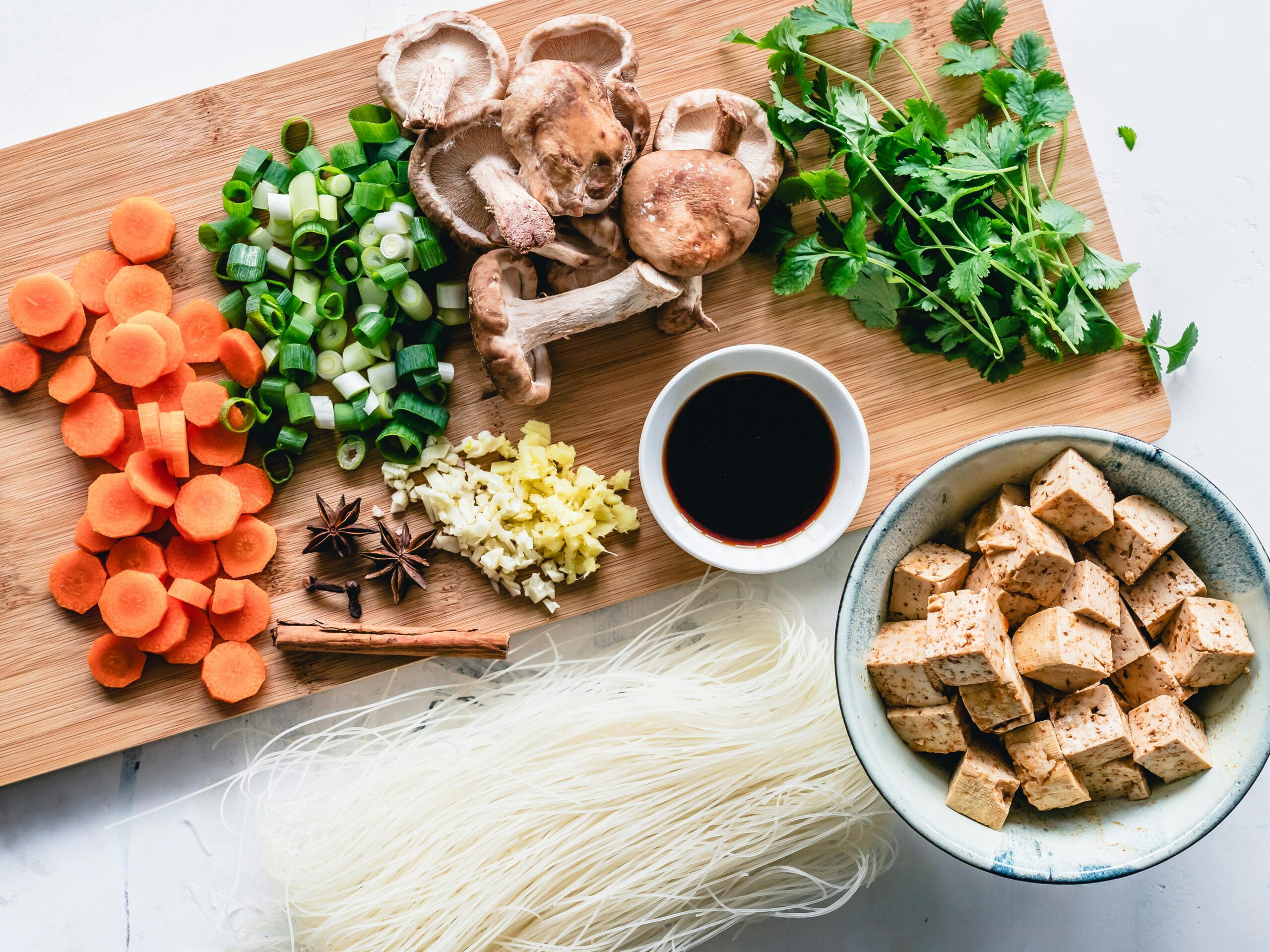
The beauty of this mix-and-match approach lies in its simplicity and endless possibilities. You don’t need expensive equipment, culinary training, or hours in the kitchen. Start with what you have right now in your refrigerator and pantry. Choose a base, select a protein, add some vegetables, and finish with a sauce that sounds appealing.
Your first attempts might feel uncertain, but each meal teaches valuable lessons about your preferences and successful combinations. Soon, you’ll develop an intuitive sense of what works together, creating delicious meals without consulting recipes at all. This cooking confidence transforms meal planning from stressful obligation into joyful creative expression that nourishes both body and soul every single day.