Living with Irritable Bowel Syndrome (IBS) can feel like navigating a minefield, where every meal and daily choice impacts your digestive comfort. While diet modifications and stress management often take center stage in IBS discussions, one fundamental element frequently gets overlooked: hydration. The simple act of drinking enough water throughout the day can dramatically influence how your gut functions, how symptoms manifest, and ultimately, how you feel.

Water is not just a passive component of your body—it’s an active participant in virtually every digestive process. From breaking down food to moving waste through your intestines, proper hydration serves as the foundation upon which healthy gut function is built. For those managing IBS, understanding this connection becomes even more critical, as dehydration can exacerbate symptoms while optimal fluid intake can provide surprising relief.
💧 The Gut-Hydration Connection: Why Water Matters for Digestive Health
Your digestive system relies on water at every stage of the digestive process. Saliva, which begins breaking down food in your mouth, is approximately 99% water. Your stomach produces gastric juices that are water-based, and your intestines need adequate fluids to properly absorb nutrients and move material through your system efficiently.
When you don’t drink enough water, your colon absorbs more fluid from waste material, leading to harder stools and constipation—a common IBS symptom. Conversely, proper hydration helps maintain the right consistency of intestinal contents, supporting regular bowel movements and reducing strain on your digestive tract.
The mucus lining your intestinal walls also depends on adequate hydration. This protective layer acts as a barrier between your intestinal cells and the contents moving through your digestive tract. When you’re dehydrated, this mucus barrier can become compromised, potentially increasing gut sensitivity and inflammation.
Understanding IBS and Its Relationship with Fluid Balance
IBS affects the large intestine and involves a collection of symptoms including abdominal pain, bloating, gas, diarrhea, and constipation. The condition impacts how your intestines contract and move contents through your digestive system, and hydration status plays a significant role in these processes.
For those with IBS-C (constipation-predominant), insufficient water intake compounds the problem by making stools harder and more difficult to pass. The colon’s primary function includes extracting water from waste material, and when you’re already dehydrated, it extracts even more, creating a cycle of increasing discomfort.
People with IBS-D (diarrhea-predominant) face different challenges. While it might seem counterintuitive, maintaining proper hydration remains crucial because diarrhea causes significant fluid loss. The fear of triggering symptoms sometimes leads people to reduce fluid intake, which can actually worsen the condition by leading to dehydration and electrolyte imbalances.
The Dehydration-Symptom Spiral
When you’re dealing with IBS, dehydration can create a downward spiral of worsening symptoms. Inadequate fluids lead to harder stools, which increase straining and discomfort. This physical stress can trigger the gut-brain axis—the communication network between your digestive system and your central nervous system—leading to increased pain perception and anxiety about symptoms.
Dehydration also affects your body’s ability to produce digestive enzymes efficiently and can slow down the entire digestive process. This sluggishness allows more time for fermentation of food in your intestines, potentially increasing gas, bloating, and abdominal distension.
🥤 How Much Water Do You Really Need?
The traditional “eight glasses a day” advice is a starting point, but individual needs vary considerably based on factors including body size, activity level, climate, and overall health status. For IBS management, the quality and timing of your fluid intake matter as much as the quantity.
A more personalized approach suggests consuming approximately half your body weight in ounces of water daily. For example, someone weighing 150 pounds would aim for about 75 ounces of water. However, this should be adjusted based on your specific circumstances and symptom patterns.
- Start your day with 16-20 ounces of water upon waking to rehydrate after sleep
- Drink consistently throughout the day rather than consuming large amounts at once
- Increase intake during exercise, hot weather, or when experiencing diarrhea
- Monitor your urine color—pale yellow indicates good hydration, while dark yellow suggests you need more fluids
- Consider your diet’s water content—fruits, vegetables, and soups contribute to daily hydration
Strategic Hydration: Timing and Technique for IBS Relief
For IBS management, when and how you drink can be as important as how much. Gulping large amounts of water quickly can actually trigger bloating and discomfort, particularly if you swallow air in the process. Instead, sip water steadily throughout the day to maintain consistent hydration levels.
Morning Hydration Rituals
Beginning your day with room temperature or warm water can gently stimulate your digestive system and encourage morning bowel movements. Some people find that adding a squeeze of lemon helps, though be cautious with citrus if you have acid reflux alongside your IBS. This morning practice helps compensate for the natural dehydration that occurs during sleep and prepares your digestive system for the day ahead.
Hydration Around Meals
There’s ongoing debate about drinking water with meals. Some experts suggest limiting fluids during meals to avoid diluting digestive enzymes, while others see no significant issue. For IBS management, listen to your body. If drinking with meals causes bloating, try consuming most of your fluids between meals instead—about 30 minutes before or after eating.
Drinking warm water or herbal tea before meals can actually aid digestion by preparing your stomach for food. This practice has been used in traditional medicine systems for centuries and many IBS sufferers report improved comfort when adopting this habit.
🍵 Beyond Plain Water: Hydration Options for Sensitive Guts
While water should form the foundation of your hydration strategy, various other beverages can contribute to your daily fluid intake while offering additional benefits for IBS management. However, not all fluids are created equal when dealing with a sensitive digestive system.
Herbal Teas for Hydration and Symptom Relief
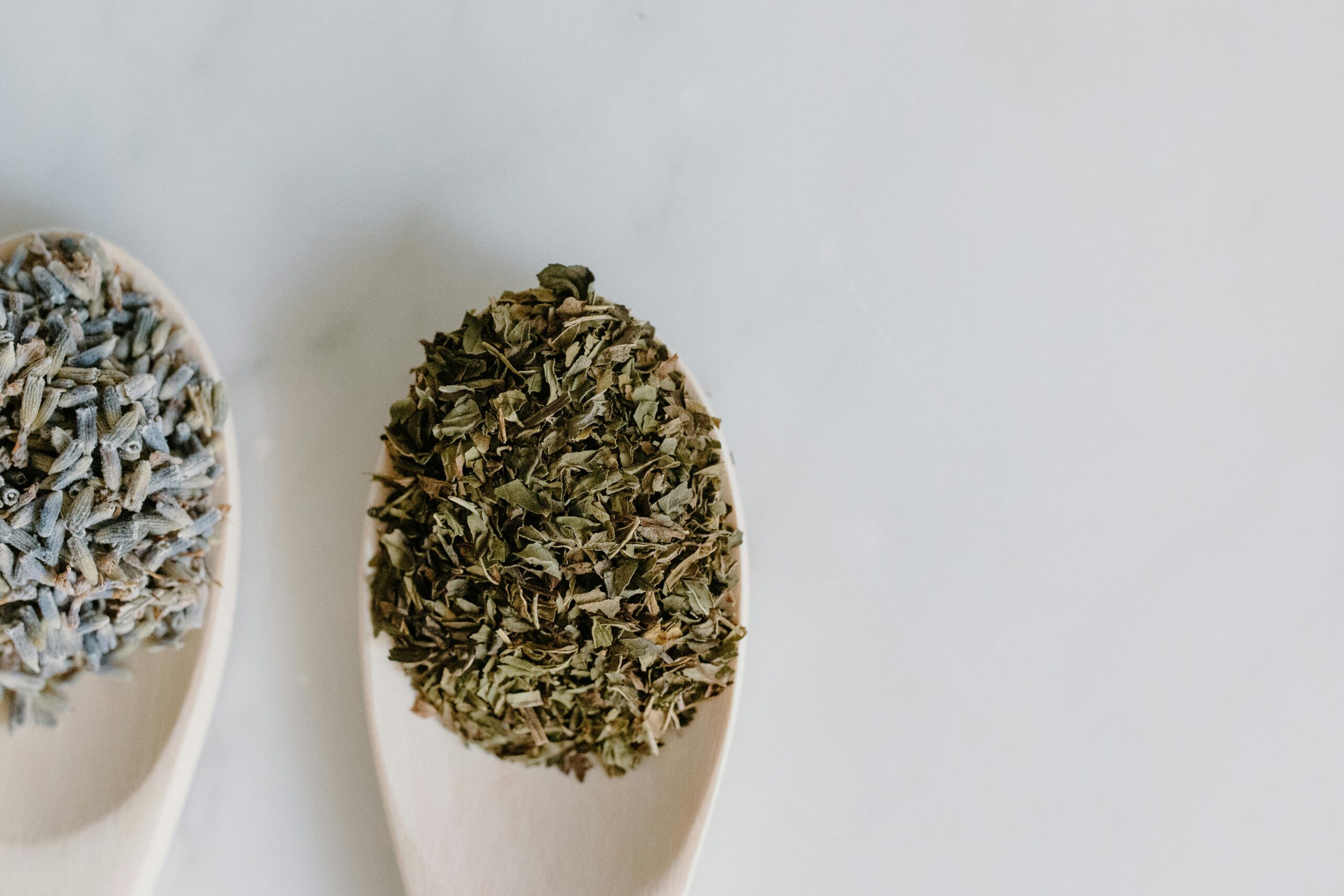
Certain herbal teas provide both hydration and therapeutic benefits for IBS symptoms. Peppermint tea can help relax intestinal muscles and reduce cramping. Ginger tea may ease nausea and support digestive motility. Fennel tea can help reduce gas and bloating. Chamomile tea offers anti-inflammatory properties and can calm both your gut and your nervous system.
These teas count toward your daily fluid intake while providing targeted relief. Just ensure they’re caffeine-free, as caffeine can be a gut irritant for many IBS sufferers and has diuretic properties that can contribute to dehydration.
What to Avoid or Limit
Certain beverages can worsen IBS symptoms or contribute to dehydration. Caffeinated drinks like coffee, black tea, and energy drinks can stimulate the bowels excessively and act as diuretics. Carbonated beverages introduce gas into your digestive system, potentially increasing bloating and discomfort. Alcohol can irritate the gut lining and disrupt normal digestive function. Artificially sweetened drinks, particularly those containing sugar alcohols like sorbitol or mannitol, can trigger diarrhea and gas in IBS sufferers.
The Fiber-Water Partnership: Why Both Are Essential
Increasing dietary fiber is often recommended for IBS management, particularly for those with constipation-predominant IBS. However, fiber without adequate water can backfire spectacularly, leading to increased constipation, bloating, and discomfort. Fiber works by absorbing water in your intestines, which softens stool and promotes regular bowel movements.
When you increase fiber intake without proportionally increasing your water consumption, the fiber can actually create a blockage effect, absorbing whatever limited fluid is available in your intestines and making constipation worse. This is why many people report worsening symptoms when they first increase fiber—they haven’t adjusted their hydration accordingly.
The solution is to increase both simultaneously and gradually. As you add more fiber-rich foods or supplements to your diet, consciously drink more water throughout the day. This partnership allows the fiber to work as intended, creating softer, bulkier stools that move more easily through your system.
💪 Electrolytes: The Unsung Heroes of Gut Hydration
Water alone isn’t always sufficient for optimal hydration, especially if you’re dealing with frequent diarrhea or excessive sweating. Electrolytes—minerals like sodium, potassium, magnesium, and calcium—are essential for proper fluid balance in your body and play crucial roles in muscle function, including the smooth muscles of your intestinal walls.
When you have diarrhea, you lose not just water but also significant amounts of electrolytes. This can lead to weakness, muscle cramps, dizziness, and worsening gut function. Replacing these minerals becomes as important as replacing fluids.
Natural Electrolyte Sources
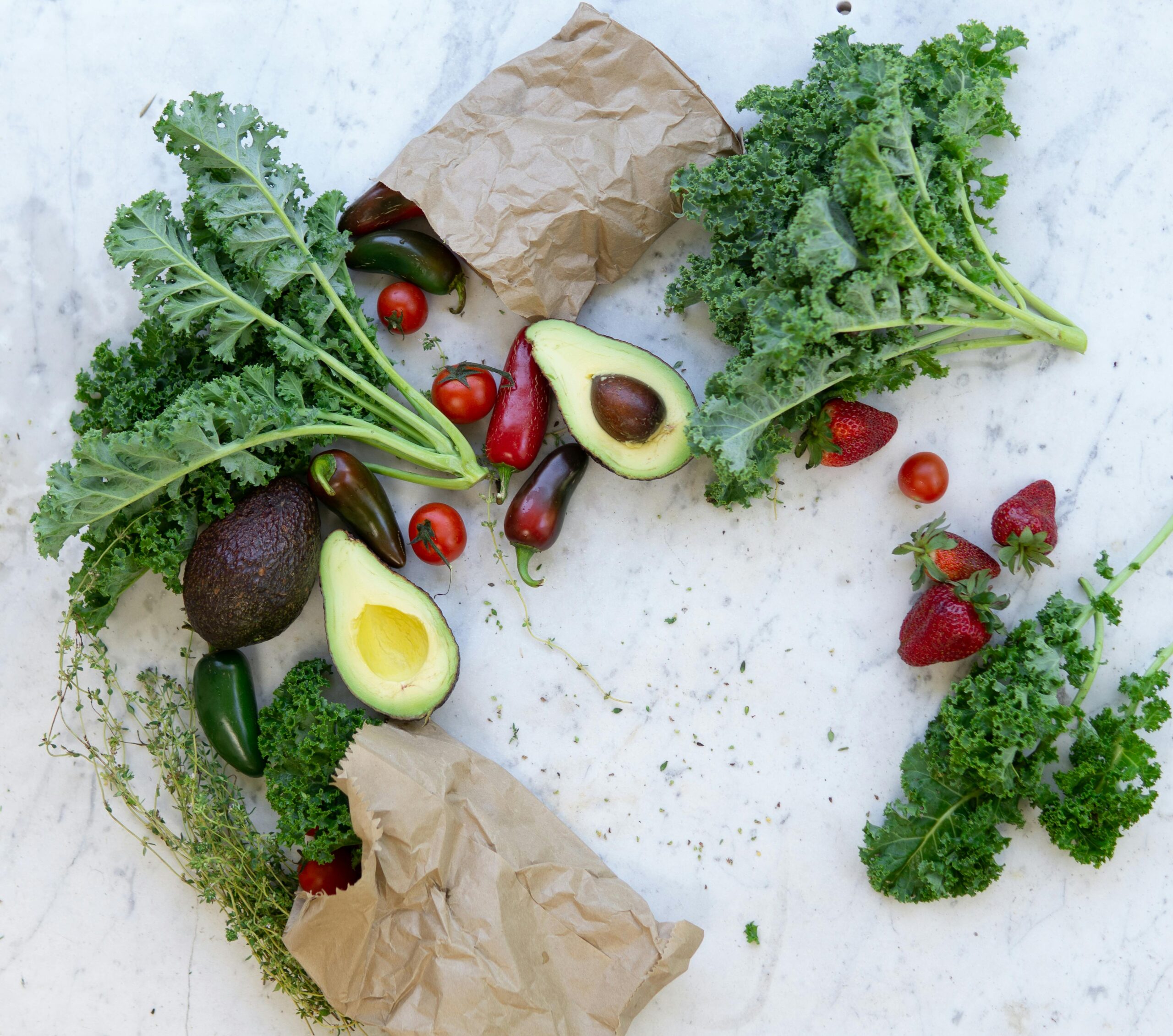
You don’t necessarily need commercial sports drinks to replenish electrolytes. Many whole foods provide these essential minerals in gut-friendly forms. Coconut water offers natural potassium and sodium. Bone broth provides sodium and other minerals while being gentle on the digestive system. Bananas, sweet potatoes, and avocados are rich in potassium. Leafy greens and nuts provide magnesium.
If you opt for electrolyte drinks, choose versions without artificial sweeteners, excessive sugar, or additives that might trigger IBS symptoms. Some people find that adding a small pinch of sea salt to their water provides sufficient electrolyte support for daily needs.
Recognizing Dehydration: Signs Your Body Needs More Fluids
Thirst is often a late indicator of dehydration—by the time you feel thirsty, you’re already somewhat dehydrated. Learning to recognize earlier signs helps you stay ahead of the problem, which is particularly important for IBS management.
Dark-colored urine is one of the most reliable indicators of inadequate hydration. Ideally, your urine should be pale yellow or nearly clear. Persistent fatigue that doesn’t resolve with rest can indicate dehydration, as your body needs adequate fluids for energy production. Dry mouth, lips, or skin suggests your body is conserving water. Headaches frequently result from dehydration, as your brain tissue shrinks slightly when fluid levels drop. Dizziness or lightheadedness, especially when standing, can indicate both dehydration and electrolyte imbalances.
For IBS specifically, increased constipation, harder stools, or more difficult bowel movements often signal that you need to increase fluid intake. Paradoxically, some people experience worsening diarrhea with dehydration, as the intestines become irritated and reactive.
🌟 Creating Your Personal Hydration Plan for IBS Management
Developing a sustainable hydration strategy requires personalization based on your specific IBS subtype, lifestyle, and symptom patterns. What works beautifully for one person might not suit another, so experimentation and attention to your body’s responses are essential.
Start with a Baseline Assessment
Track your current fluid intake for several days without changing your habits. Note what you drink, when you drink it, and how much. Also record your IBS symptoms during this period. This baseline provides valuable information about patterns you might not have noticed.
Then gradually increase your water intake by 8-16 ounces per day, maintaining this new level for at least a week before increasing further. This gradual approach allows your body to adjust and helps you identify the optimal hydration level for symptom management.
Building Sustainable Habits
Keeping water readily accessible throughout your day dramatically increases consumption. A reusable water bottle that you carry everywhere serves as both a reminder and a convenience. Setting gentle reminders on your phone or using a hydration tracking app can help establish the habit until drinking regularly becomes automatic.
Flavor infusions can make water more appealing if you find plain water boring. Fresh cucumber, mint leaves, or small amounts of fresh fruit (avoiding high-FODMAP options if you’re sensitive) can enhance taste without adding problematic ingredients. Just avoid artificial sweeteners and excessive citrus if these trigger your symptoms.
The Gut-Brain-Hydration Triangle
The relationship between hydration, gut health, and mental wellbeing forms a fascinating triangle of influence. Your gut contains hundreds of millions of neurons that communicate constantly with your brain through the vagus nerve and chemical messengers. This gut-brain axis plays a significant role in both IBS symptoms and emotional health.
Dehydration affects this communication network. Research shows that even mild dehydration can impact mood, increase anxiety, and reduce cognitive function—all factors that can worsen IBS symptoms through the stress response. Conversely, proper hydration supports optimal neurotransmitter production and function, potentially reducing the stress-related component of IBS.
The gut microbiome—the trillions of bacteria living in your intestines—also depends on adequate hydration. These beneficial microbes thrive in a properly hydrated environment and struggle when conditions become too dry. Since gut bacteria play crucial roles in digestion, immune function, and even mood regulation, maintaining their environment through proper hydration provides wide-ranging benefits.
🎯 Practical Tips for Consistent Hydration Success
Knowledge without implementation creates little change, so practical strategies that fit into your daily life make all the difference in maintaining proper hydration for IBS management.
- Link water drinking to existing habits—drink a glass after brushing your teeth, before checking email, or while commuting
- Eat water-rich foods like cucumbers, watermelon, lettuce, and zucchini to supplement fluid intake
- Use visual cues like filling multiple water bottles in the morning to pace your consumption throughout the day
- Warm up to the idea—many people find room temperature or warm water easier on the digestive system than ice-cold beverages
- Create accountability by tracking your intake, whether through a journal, app, or simple tally marks
- Prepare for increased bathroom visits initially—your body will adjust as proper hydration becomes your new normal
When to Seek Professional Guidance
While proper hydration can dramatically improve IBS symptoms for many people, it’s not a complete solution on its own. If you’re consistently well-hydrated but still experiencing significant symptoms, working with a gastroenterologist or registered dietitian specializing in digestive health can provide additional strategies and ensure no underlying conditions are being missed.
Certain warning signs warrant prompt medical attention regardless of your hydration status: severe or worsening abdominal pain, unintended weight loss, blood in your stool, persistent vomiting, fever alongside digestive symptoms, or symptoms that wake you from sleep.
A healthcare provider can also help you determine if you have specific electrolyte imbalances that need addressing, particularly if you experience frequent diarrhea or have been limiting food groups that provide essential minerals.
🌈 Embracing Hydration as Self-Care
Reframing hydration from a chore into an act of self-care can transform your relationship with this essential practice. Each glass of water represents a choice to support your body’s natural healing processes, to provide your gut with what it needs to function optimally, and to invest in feeling better.
Many people with IBS feel a sense of helplessness regarding their symptoms, as if their body is working against them. Proper hydration is one area where you have direct control and can see relatively quick results. Most people notice improvements in energy, digestion, and symptom frequency within just a few days of optimizing their fluid intake.
Remember that consistency matters more than perfection. Some days you’ll drink more, some days less. The goal is establishing an overall pattern of adequate hydration that supports your gut health and overall wellbeing. Be patient with yourself as you build this habit and celebrate the small victories along the way.
Living with IBS requires attention to multiple factors, from diet and stress management to sleep and movement. Among all these elements, hydration stands out as one of the most accessible and impactful changes you can make. Water is free, available, and powerful in its simplicity. By unlocking the power of proper hydration, you’re giving your gut the fundamental support it needs to function better, reducing symptom frequency and severity, and ultimately helping yourself feel better day by day. Start today with just one extra glass of water, and build from there. Your gut will thank you.