Living with digestive sensitivities doesn’t mean sacrificing flavor or your plant-based values. Combining a low-FODMAP approach with plant-based eating creates a powerful pathway to gut healing and vibrant health.

Thousands of people struggle daily with bloating, gas, and digestive discomfort while trying to maintain a compassionate, plant-based lifestyle. The good news? You can absolutely thrive on plants while giving your gut the gentle care it needs. This comprehensive guide will show you exactly how to master delicious low-FODMAP plant-based eating that supports both your digestive wellness and your ethical values.
🌱 Understanding the Low-FODMAP Plant-Based Connection
FODMAPs (Fermentable Oligosaccharides, Disaccharides, Monosaccharides, and Polyols) are short-chain carbohydrates that can trigger digestive distress in sensitive individuals. For those with IBS, SIBO, or other gut conditions, these compounds can ferment in the intestines, causing painful bloating, cramping, and irregular bowel movements.
Plant-based eaters face unique challenges when following a low-FODMAP protocol. Many staple plant proteins like beans, lentils, and chickpeas are high in FODMAPs. Common plant-based milk alternatives, wheat-based products, and certain vegetables also fall into the restricted category. However, with proper knowledge and planning, you can create a nutritionally complete and deeply satisfying low-FODMAP plant-based diet.
The Three-Phase Approach to Success
The low-FODMAP diet isn’t meant to be forever. It’s typically implemented in three strategic phases: elimination (2-6 weeks), reintroduction (8-12 weeks), and personalization (ongoing). This methodical approach helps you identify your specific triggers while maintaining nutritional adequacy on a plant-based diet.
🥗 Your Low-FODMAP Plant-Based Pantry Essentials
Building a well-stocked kitchen is the foundation of successful low-FODMAP plant-based eating. These ingredients will become your go-to staples for creating delicious, gut-friendly meals.
Protein Powerhouses That Love Your Gut
Protein can be challenging on a low-FODMAP vegan diet, but several excellent options exist. Firm tofu is naturally low in FODMAPs and incredibly versatile. Tempeh made from soybeans (not mixed grains) can be tolerated in servings up to 100g. Edamame beans are safe in portions of ¾ cup, providing both protein and satisfying texture.
Canned lentils and chickpeas, when rinsed thoroughly, become lower in FODMAPs compared to their dried, home-cooked counterparts. A quarter-cup serving of canned chickpeas or lentils typically falls within safe limits. Hemp seeds, chia seeds, and pumpkin seeds offer additional protein without FODMAP concerns, making them perfect for boosting nutritional content.
Grains and Carbohydrates for Sustained Energy
Fortunately, many delicious grains fit perfectly into a low-FODMAP framework. Quinoa, white rice, brown rice, oats (in moderate portions), and rice noodles all provide satisfying carbohydrates without triggering symptoms. Gluten-free bread made from low-FODMAP flours offers sandwich possibilities, while rice cakes and corn tortillas create versatile meal foundations.
Sourdough spelt bread prepared using traditional fermentation methods breaks down FODMAPs naturally, making it tolerable for many people who react to regular wheat products. This opens up additional variety for those who miss traditional bread textures.
🍎 Navigating Fruits and Vegetables Strategically
Plant-based eating centers around produce, so understanding which fruits and vegetables support gut healing versus triggering symptoms becomes essential knowledge.
Green Light Vegetables
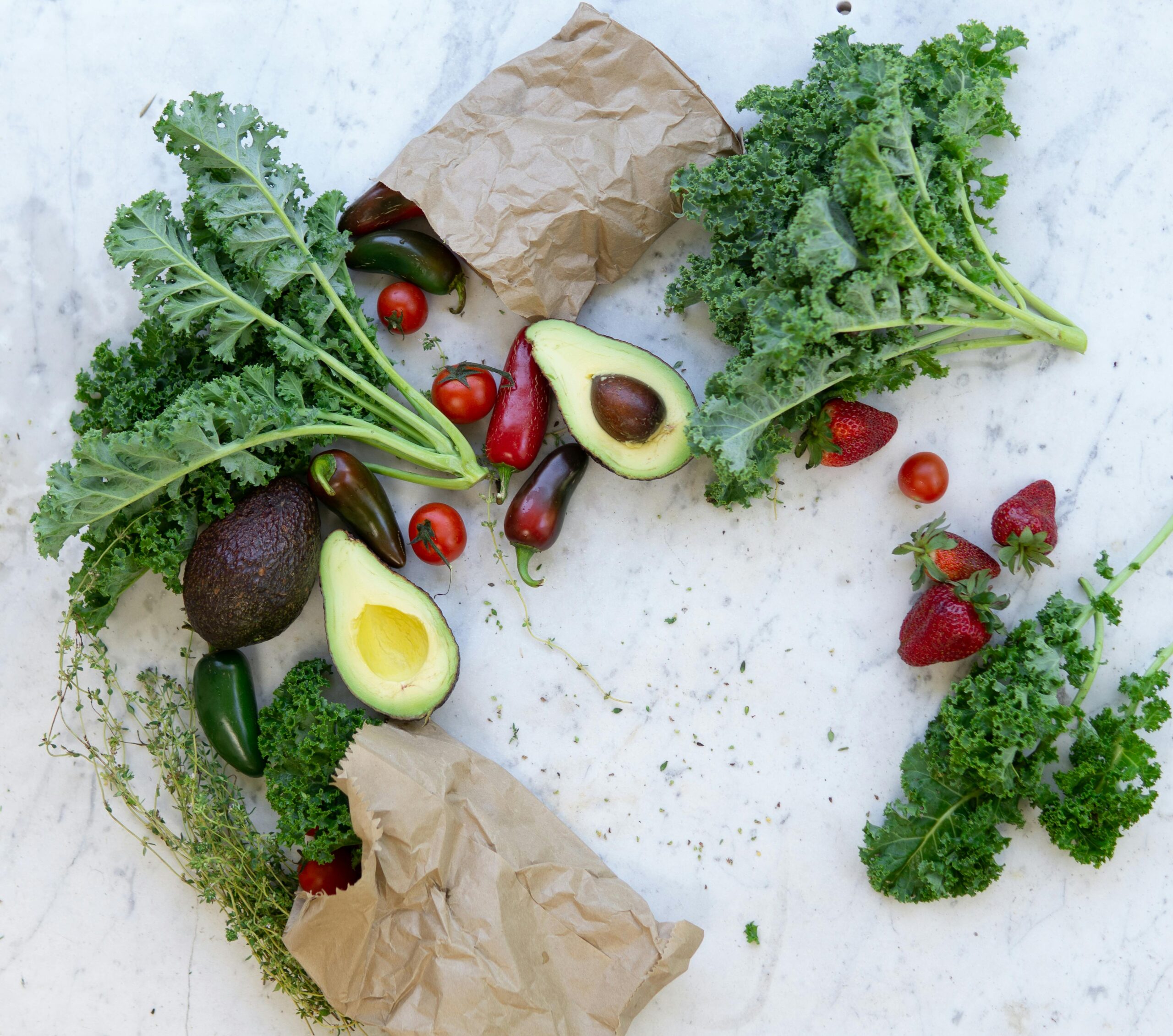
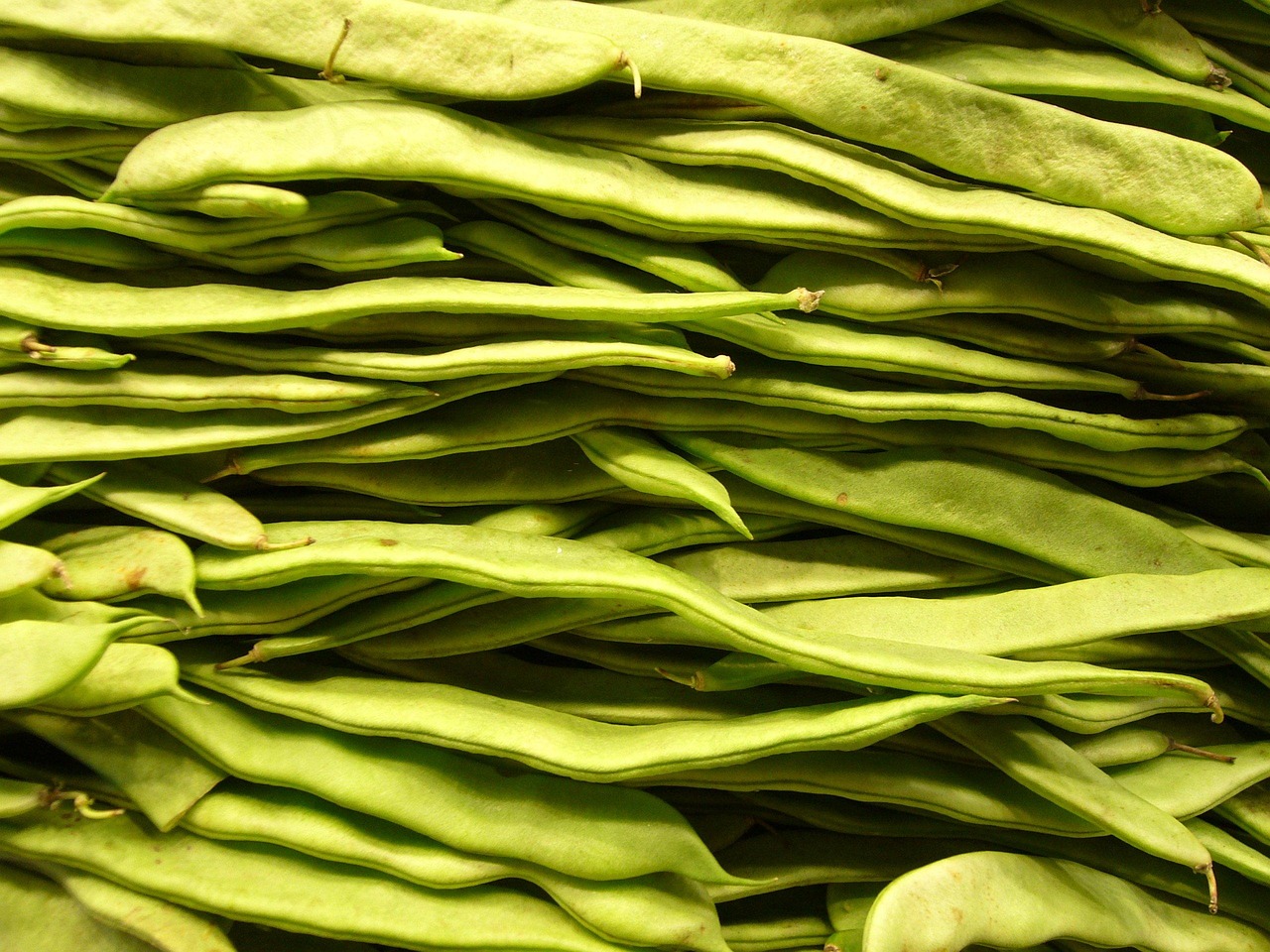
These vegetables can be enjoyed freely without FODMAP concerns: spinach, kale, lettuce, cucumber, zucchini, bell peppers, carrots, tomatoes, eggplant, green beans, bok choy, and potatoes. Swiss chard, bamboo shoots, bean sprouts, and choy sum also make the safe list, providing diverse flavors and textures for creative cooking.
Fruit Freedom with Guidelines
Low-FODMAP fruits include strawberries, blueberries, oranges, grapes, kiwi, cantaloupe, honeydew melon, and pineapple. Bananas are safe when they’re still slightly firm with green tips—overripe bananas develop higher FODMAP levels. A single medium banana typically sits within tolerable limits, providing potassium and natural sweetness.
Portion control matters significantly with fruits. Even low-FODMAP varieties can become problematic in excessive quantities due to cumulative fructose content. Spreading fruit intake throughout the day rather than consuming large amounts at once helps prevent digestive overwhelm.
🥛 Plant Milk and Dairy Alternatives Made Simple
Many commercial plant milks contain high-FODMAP ingredients like cashews, soy protein isolate, or inulin (chicory root fiber). Reading labels becomes crucial for protecting your gut health.
Safe plant milk options include almond milk made from real almonds (not almond protein), macadamia milk, rice milk, and coconut milk (in moderate amounts). Oat milk can be problematic due to its oligosaccharide content, though some people tolerate small quantities. Coconut cream and canned coconut milk work beautifully for creamy sauces and curries when you need richness.
🍳 Breakfast Ideas That Start Your Day Right
Morning meals set the tone for your entire day, both nutritionally and digestively. These breakfast options provide energy without triggering uncomfortable symptoms.
Create a satisfying smoothie bowl using lactose-free protein powder or hemp protein, spinach, frozen blueberries, half a banana, almond milk, and topped with chia seeds and pumpkin seeds. The combination provides protein, healthy fats, and fiber while remaining gentle on sensitive systems.
Overnight oats made with gluten-free oats (⅓ cup maximum), almond milk, strawberries, and a tablespoon of peanut butter deliver make-ahead convenience. Scrambled tofu with spinach, bell peppers, tomatoes, and turmeric on gluten-free toast creates a savory option that feels indulgent while supporting gut healing.
Quinoa porridge offers a protein-rich alternative to traditional oats, cooked with rice milk, cinnamon, and topped with kiwi slices and a sprinkle of hemp seeds. This warm, comforting bowl provides sustained energy throughout busy mornings.
🥙 Lunch and Dinner Combinations for Every Craving
Creating satisfying main meals on a low-FODMAP plant-based diet requires creativity but delivers delicious results that the whole family can enjoy.
Bowl Meals That Nourish Deeply
Buddha bowls remain perfectly viable with strategic ingredient selection. Build yours with a base of quinoa or brown rice, add roasted vegetables like zucchini, carrots, and bell peppers, include a protein source like marinated tempeh or seasoned tofu, and dress with a tahini-lemon sauce made gut-friendly by omitting garlic.
Sushi bowls featuring seasoned rice, cucumber, carrot ribbons, edamame, pickled ginger, and sesame seeds satisfy cravings for Japanese flavors. Top with sliced avocado and a drizzle of tamari (gluten-free soy sauce) for umami depth.
Comfort Food Classics Reimagined
Pasta lovers can rejoice with rice pasta, quinoa pasta, or gluten-free corn pasta topped with a simple marinara sauce made from canned tomatoes, fresh basil, oregano, and infused oil (garlic-infused oil provides flavor without FODMAPs). Add sautéed zucchini, spinach, and olives for vegetable content.
Thai-inspired peanut noodles using rice noodles, a sauce made from peanut butter, lime juice, ginger, maple syrup, and tamari, combined with bok choy, carrots, and bell peppers creates an explosion of flavors without digestive consequences. Top with crushed peanuts and fresh cilantro for restaurant-quality presentation.
Veggie stir-fries remain staples for quick, nutritious meals. Use firm tofu, tempeh, or edamame as protein, combine with low-FODMAP vegetables, and flavor with ginger, tamari, and garlic-infused oil. Serve over jasmine rice or rice noodles for satisfying texture.
🍪 Snacks and Treats for Guilt-Free Enjoyment
Maintaining energy between meals while respecting your digestive needs requires planning, but numerous delicious options exist.
Rice cakes topped with peanut butter and sliced strawberries provide quick energy with balanced macronutrients. A small handful of macadamia nuts, walnuts, or pumpkin seeds offers healthy fats and protein in a portable package. Carrot and cucumber sticks with a tahini dip create crunchy satisfaction.
Homemade energy balls made from oats, peanut butter, maple syrup, and dark chocolate chips (check for low-FODMAP certification) can be batch-prepared for grab-and-go convenience. Store them in the freezer for extended freshness.
Dark chocolate (in moderation) satisfies sweet cravings while remaining low-FODMAP. Pair with a few strawberries for an elegant, simple dessert that feels indulgent without triggering symptoms.
🔬 Ensuring Nutritional Completeness
Any restrictive diet requires extra attention to nutritional adequacy. Low-FODMAP plant-based eating demands particular awareness around several key nutrients.
Protein Considerations
Aim for 1.4-2.0 grams of protein per kilogram of body weight, especially during the elimination phase when protein sources are limited. Combining different plant proteins throughout the day ensures complete amino acid profiles. Track your intake initially to confirm you’re meeting requirements.
Calcium and Vitamin D
Without fortified plant milks that may contain high-FODMAP ingredients, meeting calcium needs requires deliberate planning. Fortified low-FODMAP plant milks, calcium-set tofu, tahini, almonds (in safe portions), and leafy greens contribute to daily requirements. Consider a calcium supplement if dietary intake falls short.
Vitamin D supplementation becomes essential for most people following plant-based diets, regardless of FODMAP status. Choose vegan D3 supplements derived from lichen for optimal absorption.
Iron and B12
Plant-based iron sources include fortified cereals (check ingredients), quinoa, pumpkin seeds, spinach, and firm tofu. Pair iron-rich foods with vitamin C sources like bell peppers, strawberries, or citrus to enhance absorption. Vitamin B12 supplementation remains non-negotiable for all long-term plant-based eaters.
📱 Tracking Your Journey with Technology
Several apps can help manage the complexities of low-FODMAP plant-based eating. The Monash University FODMAP Diet app provides the most scientifically accurate, regularly updated database of FODMAP values for thousands of foods. This resource, created by the researchers who developed the low-FODMAP diet, becomes invaluable during elimination and reintroduction phases.
Food tracking apps help monitor nutritional intake, ensuring you meet all requirements despite dietary restrictions. Symptom journals, whether digital or paper-based, prove essential during reintroduction for identifying personal triggers and patterns.
🌟 Mastering the Reintroduction Phase
The reintroduction phase holds the key to long-term success. This systematic process helps you understand your unique tolerance levels rather than permanently avoiding all high-FODMAP foods.
Test one FODMAP group at a time, starting with small amounts and gradually increasing over three days. Monitor symptoms carefully, waiting at least three days between tests. This methodical approach provides clear data about which specific FODMAPs trigger your symptoms and at what threshold.
Many people discover they tolerate certain FODMAP groups perfectly fine while remaining sensitive to others. This personalization expands dietary variety significantly compared to staying on the strict elimination phase indefinitely.
🍽️ Dining Out and Social Situations with Confidence
Social eating presents challenges, but preparation and communication make plant-based low-FODMAP dining out entirely manageable.
Research restaurant menus ahead of time, calling to discuss modifications if needed. Asian restaurants often accommodate easily with rice-based dishes, simple protein preparations, and steamed vegetables. Mexican restaurants can prepare corn tortilla dishes with safe vegetables and beans in safe portions.
Communicate clearly with servers about your dietary needs without over-explaining. Request simple preparations without garlic and onion, which restaurants can usually accommodate. Bringing your own salad dressing or sauce in a small container provides backup for challenging situations.
💪 Creating Your Sustainable Low-FODMAP Plant-Based Lifestyle
Long-term success requires viewing this approach as a lifestyle rather than a temporary diet. Meal planning, batch cooking, and maintaining a well-stocked pantry reduce daily decision fatigue and prevent falling back on potentially triggering convenience foods.
Dedicate time weekly to meal preparation, cooking grains, chopping vegetables, preparing proteins, and mixing sauces. This investment pays dividends throughout busy weeks when cooking from scratch feels overwhelming. Freeze individual portions of complete meals for ultimate convenience.
Connect with communities of others following similar paths. Online forums, social media groups, and local meetups provide recipe ideas, emotional support, and practical tips from people who truly understand the unique challenges of combining plant-based and low-FODMAP approaches.
Remember that perfection isn’t the goal—progress is. Some days will be easier than others. Be patient with yourself as you learn which foods support your body best. Your gut healing journey unfolds uniquely, and honoring your individual needs while maintaining your plant-based values represents true wellness.
With the right knowledge, tools, and mindset, mastering delicious low-FODMAP plant-based eating becomes not just possible but genuinely enjoyable. Your gut will thank you, your taste buds will celebrate, and your body will thrive with the nourishment it needs to support your most vibrant, energetic life. Here’s to happy guts, delicious food, and the perfect balance between digestive wellness and plant-based living! 🌱✨