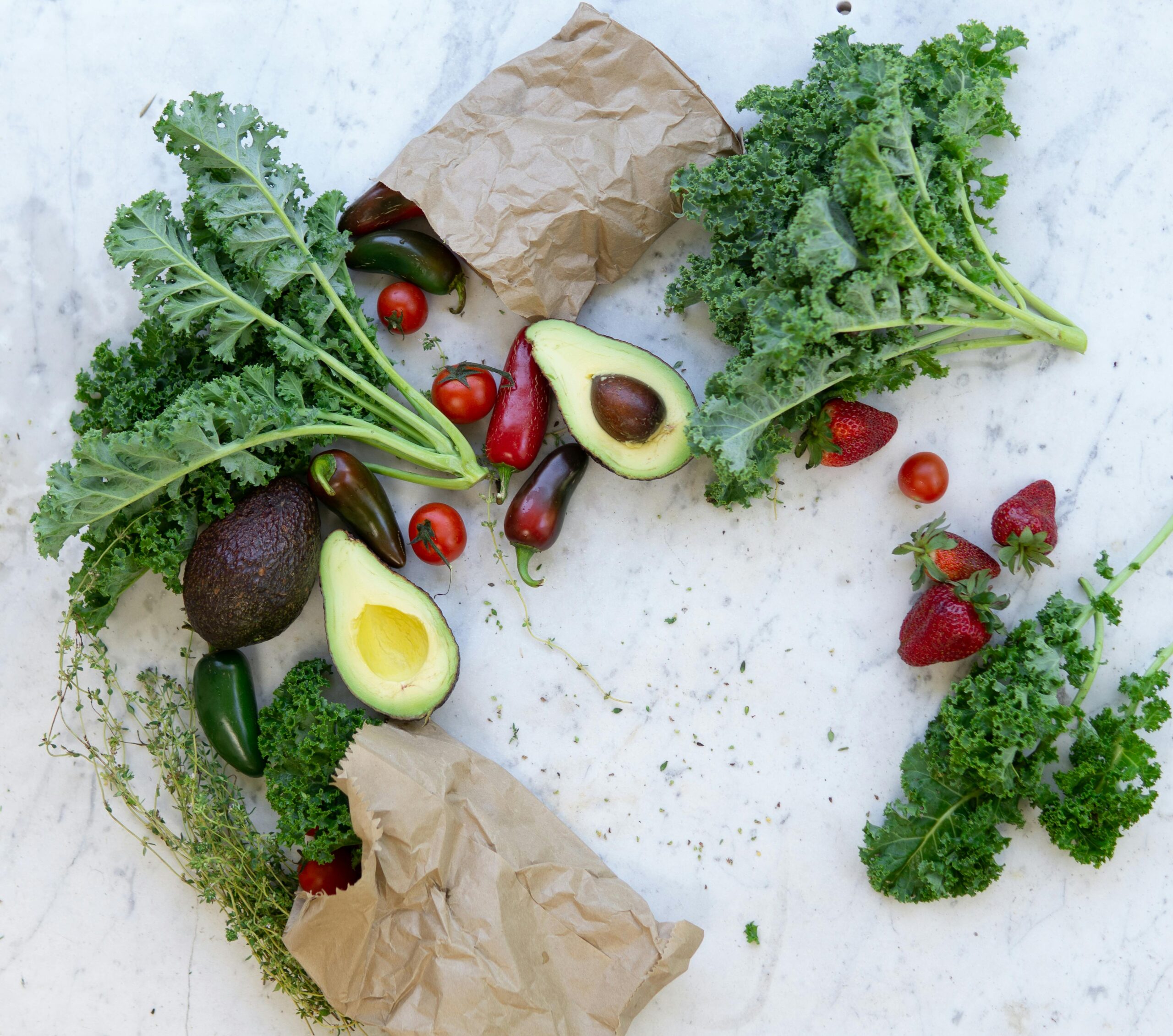
Living with digestive sensitivities doesn’t mean sacrificing flavor or nutritional balance. The low-FODMAP diet offers a scientifically-backed pathway to managing irritable bowel syndrome (IBS) and other gastrointestinal conditions while enjoying delicious, satisfying meals.

Navigating the world of FODMAPs can feel overwhelming at first, with long lists of foods to avoid and confusing portion sizes to track. However, with the right knowledge and practical strategies, you can transform your relationship with food and create meals that nourish both your body and soul. This comprehensive guide will walk you through everything you need to know about crafting balanced, gut-friendly meals that support your digestive health without compromising on taste or nutrition.
Understanding the Foundation: What Makes a Meal Truly Balanced? 🍽️
A balanced low-FODMAP meal incorporates all essential macronutrients while respecting your digestive system’s unique needs. The key is combining lean proteins, healthy fats, and low-FODMAP carbohydrates in proportions that keep you energized and satisfied throughout the day.
Protein should occupy about one-quarter of your plate, providing the building blocks your body needs for repair and growth. Excellent low-FODMAP protein sources include chicken, turkey, fish, eggs, firm tofu, and tempeh. These options deliver essential amino acids without triggering digestive distress.
Complex carbohydrates form another quarter of your plate, offering sustained energy and important fiber for gut health. Rice, quinoa, oats, potatoes, and certain gluten-free grains fit perfectly into a low-FODMAP framework when consumed in appropriate portions.
The remaining half of your plate should feature colorful, low-FODMAP vegetables that provide vitamins, minerals, and antioxidants. Think carrots, zucchini, bell peppers, spinach, green beans, and bok choy—all packed with nutrients while being gentle on your digestive system.
The Power of Proper Portion Control
One of the most misunderstood aspects of the low-FODMAP diet is that many foods aren’t strictly forbidden—they’re portion-dependent. Avocados, for example, are high-FODMAP in large amounts but perfectly acceptable in quarter-fruit servings. Sweet potato becomes problematic above half a cup, but smaller portions work beautifully.
This nuanced approach means you have more flexibility than you might initially think. Learning these portion thresholds empowers you to include favorite foods strategically rather than eliminating them entirely. A registered dietitian specializing in digestive health can help you identify these personal tolerance levels.
Creating Your Low-FODMAP Pantry Essentials
Success with low-FODMAP cooking starts with a well-stocked pantry. Having the right ingredients on hand makes meal preparation effortless and ensures you’re never tempted to reach for problematic convenience foods.
Stock your shelves with these foundational items:
- Gluten-free pasta, rice noodles, and rice varieties (jasmine, basmati, brown)
- Quinoa, millet, and certified gluten-free oats
- Canned tuna, salmon, and sardines in water or olive oil
- Low-FODMAP nuts like macadamias, peanuts, and pecans (in moderate portions)
- Seeds including pumpkin, sunflower, and chia
- Garlic-infused oil (FODMAP-friendly when properly prepared)
- Herbs and spices for unlimited flavor without digestive consequences
- Lactose-free milk, hard cheeses, and suitable dairy alternatives
Breakfast: Starting Your Day Right 🌅
Morning meals set the tone for your entire day, providing energy and stabilizing blood sugar levels. Low-FODMAP breakfast options are more diverse than many people realize, extending far beyond plain rice cakes and bananas.
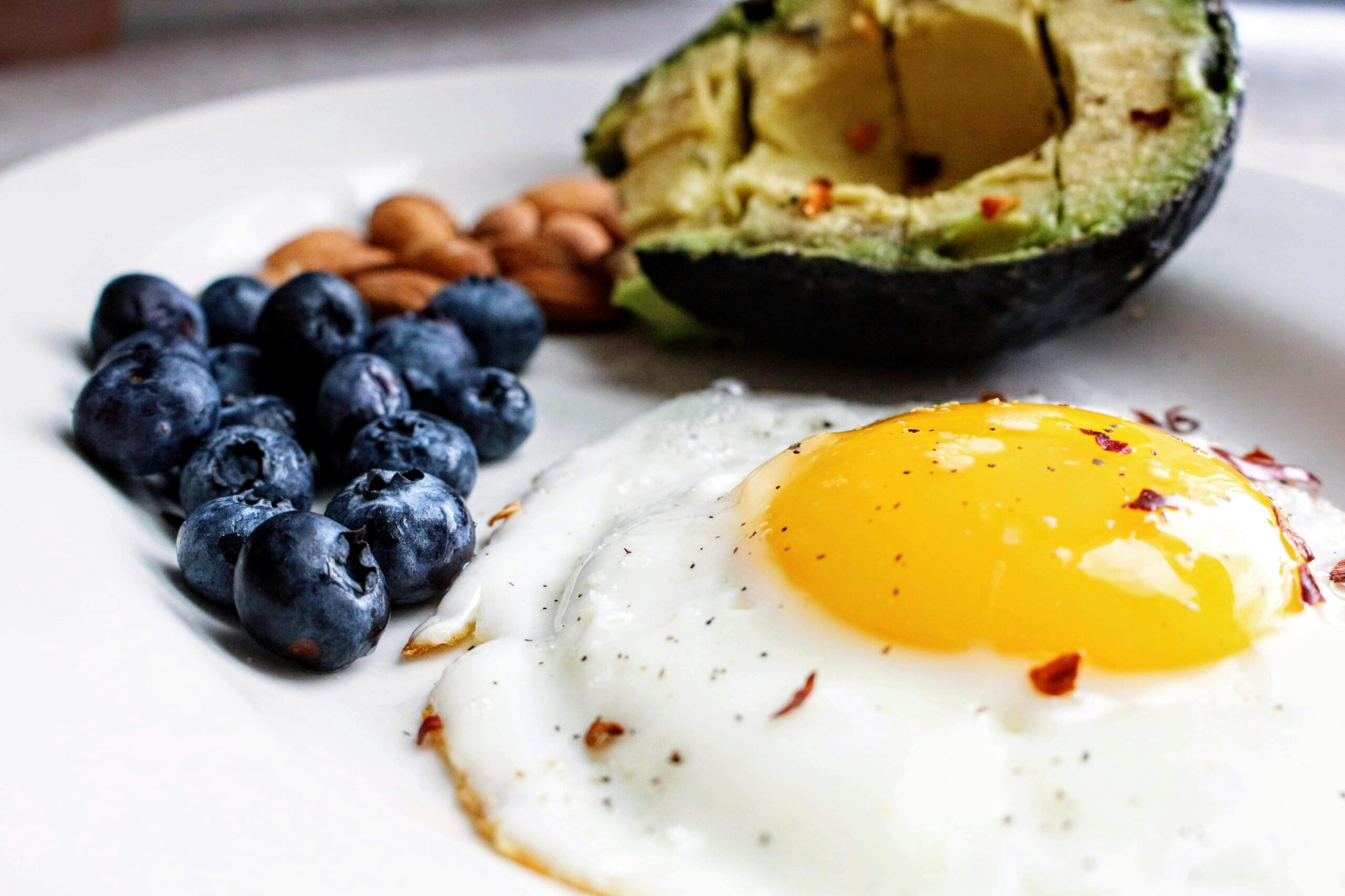
Consider a spinach and tomato omelet cooked in olive oil, served alongside gluten-free sourdough toast. The eggs provide high-quality protein, while the vegetables add fiber and nutrients. Alternatively, prepare overnight oats using lactose-free milk, chia seeds, and topped with strawberries and a dollop of peanut butter.
Smoothie bowls offer another creative option when crafted carefully. Blend lactose-free yogurt with a banana, handful of spinach, and strawberries, then top with low-FODMAP granola and pumpkin seeds. This combination delivers protein, probiotics, and satisfying texture.
Quick Breakfast Solutions for Busy Mornings
Not everyone has time for elaborate morning preparations. Keep hard-boiled eggs in your refrigerator for grab-and-go protein. Pair them with rice cakes topped with peanut butter and sliced banana for a balanced meal that takes seconds to assemble.
Lactose-free yogurt cups mixed with low-FODMAP granola and blueberries provide another speedy solution. Prepare individual portions in mason jars the night before for even faster mornings.
Lunch Ideas That Travel Well
Whether you’re working from home or heading to an office, lunch needs to be portable, satisfying, and gentle on your digestive system. The key is planning ahead and batch-cooking components that can be mixed and matched throughout the week.
Build balanced bowls using cooked quinoa as a base, topped with grilled chicken, cucumber, cherry tomatoes, shredded carrots, and a drizzle of olive oil with lemon juice. This combination provides all essential nutrients while remaining completely low-FODMAP.
Salads become substantial meals when properly constructed. Start with mixed greens, add grilled salmon or tofu, include colorful vegetables like bell peppers and radishes, sprinkle with pumpkin seeds, and dress with a homemade vinaigrette using garlic-infused oil.
Soup Solutions for Comfort and Nutrition
Homemade soups allow complete control over ingredients while providing warming comfort. A chicken and vegetable soup made with low-FODMAP vegetables, chicken breast, and rice noodles in a ginger-infused broth offers healing properties alongside balanced nutrition.
Prepare large batches on weekends and freeze individual portions for effortless reheating. Butternut squash soup, potato and leek soup (using only the green parts), and tomato-based soups all work beautifully within low-FODMAP parameters.
Dinner: The Main Event 🍴
Evening meals provide an opportunity to experiment with flavors and techniques while maintaining digestive comfort. The secret lies in building complex flavors through herbs, spices, and cooking methods rather than relying on high-FODMAP ingredients like onions and garlic.
Grilled lemon-herb chicken served with roasted root vegetables and quinoa creates a restaurant-quality meal at home. Marinate the chicken in lemon juice, fresh herbs, and garlic-infused oil for several hours before cooking. Roast carrots, parsnips, and potatoes with olive oil, salt, and rosemary until caramelized.
Fish tacos using corn tortillas, grilled white fish, shredded cabbage, cilantro, and a lime-cilantro sauce (made with lactose-free sour cream) offer exciting flavors without digestive consequences. This meal demonstrates how international cuisines adapt beautifully to low-FODMAP requirements.
Vegetarian and Vegan Options
Plant-based low-FODMAP eating requires extra attention to protein sources but remains entirely achievable. Firm tofu and tempeh become protein powerhouses when properly prepared. Press tofu thoroughly, then marinate in tamari, ginger, and garlic-infused oil before baking or stir-frying.
Create a nourishing Buddha bowl with brown rice, cubed tempeh, steamed bok choy, grated carrot, cucumber ribbons, and a tahini-ginger dressing. This combination provides complete proteins, healthy fats, and abundant vegetables.
Smart Snacking Strategies
Strategic snacking maintains energy levels between meals without overwhelming your digestive system. The goal is combining protein or healthy fat with a small amount of carbohydrate to sustain blood sugar and prevent hunger spikes.
Low-FODMAP snack combinations include:
- Rice cakes with peanut butter and sliced strawberries
- Hard cheese cubes with gluten-free crackers
- Carrot sticks with a tahini dip
- A small handful of macadamia nuts with an orange
- Lactose-free yogurt with a sprinkle of pumpkin seeds
- Homemade low-FODMAP energy balls using oats, peanut butter, and dark chocolate chips
Flavor Enhancement Without FODMAPs 🌿
The biggest misconception about low-FODMAP cooking is that food becomes bland and boring. Nothing could be further from the truth. Once you understand flavor-building techniques that don’t rely on onions and garlic, your culinary world actually expands.
Garlic-infused oil captures garlic flavor without the FODMAPs, since these carbohydrates don’t dissolve into oil. Purchase commercially prepared versions or make your own by gently heating oil with whole garlic cloves, then discarding the solids.
Fresh herbs transform simple dishes into complex flavor experiences. Basil, cilantro, parsley, rosemary, thyme, and oregano add depth without digestive consequences. Grow a small herb garden on your windowsill for constant access to fresh options.
Spices deserve prominent placement in your low-FODMAP kitchen. Cumin, paprika, turmeric, ginger, cinnamon, and countless others provide warmth, complexity, and anti-inflammatory benefits. Toast whole spices before grinding for even more intense flavors.
Sauce and Dressing Mastery
Homemade sauces elevate simple ingredients into memorable meals. A basic vinaigrette combines olive oil, lemon juice or vinegar, Dijon mustard, salt, and herbs. Adjust ratios to your preference and store in the refrigerator for quick salad assembly.
Asian-inspired sauces using tamari (gluten-free soy sauce), rice vinegar, ginger, garlic-infused oil, and a touch of maple syrup bring restaurant flavors home. These work beautifully with stir-fries, grain bowls, and grilled proteins.
Meal Planning and Preparation Strategies
Consistency with low-FODMAP eating becomes effortless when you implement systematic meal planning. Dedicate time each week to planning meals, creating shopping lists, and preparing components in advance.
Start by selecting three dinner recipes for the week. Double the portions to ensure leftovers for lunches. Plan breakfast and snack options based on your schedule. Create a detailed shopping list organized by store sections to streamline grocery trips.
Batch cooking transforms weeknight dinners from stressful to simple. Cook large quantities of quinoa, rice, or other grains. Roast multiple trays of vegetables. Grill several chicken breasts. Store these components separately in the refrigerator, then combine them in different ways throughout the week.
Kitchen Tools That Make Life Easier
Invest in quality storage containers that keep prepped ingredients fresh. Glass containers with tight-fitting lids work particularly well, allowing you to see contents at a glance while preventing odor absorption.
A good quality chef’s knife, cutting board, and vegetable peeler make preparation faster and more enjoyable. Consider a rice cooker for perfectly cooked grains without monitoring. An instant-read thermometer ensures proteins reach safe temperatures without overcooking.
Dining Out Successfully While Low-FODMAP
Social eating doesn’t need to trigger anxiety when you’re following a low-FODMAP protocol. With preparation and communication, restaurant meals can be safe and enjoyable experiences.
Research restaurants before visiting, reviewing menus online to identify potentially suitable options. Call ahead during non-peak hours to discuss your dietary needs with staff. Most establishments happily accommodate requests when given advance notice.
Focus on simply prepared proteins like grilled fish, chicken, or steak. Request vegetables steamed or grilled with olive oil rather than butter. Ask for dressings and sauces on the side. Rice and baked potatoes typically serve as safe side dish options.
Tracking Progress and Identifying Triggers 📊
Maintaining a food and symptom diary helps identify personal trigger foods and portion thresholds. Many people find that certain low-FODMAP foods still cause issues due to individual sensitivities unrelated to FODMAPs.
Record everything you eat, including portion sizes, preparation methods, and timing. Note digestive symptoms, energy levels, and mood. Over time, patterns emerge that guide personalized modifications to your eating plan.
Several mobile applications specifically designed for low-FODMAP tracking can simplify this process. These tools include food databases with FODMAP ratings, portion guidance, and symptom tracking features that reveal correlations you might otherwise miss.
The Reintroduction Phase: Expanding Your Options
The elimination phase of the low-FODMAP diet typically lasts 2-6 weeks, but it’s not intended as a permanent lifestyle. The reintroduction phase systematically tests individual FODMAP groups to determine your personal tolerances.
Work with a qualified dietitian during this phase to ensure proper methodology. You’ll challenge one FODMAP group at a time, starting with small portions and gradually increasing while monitoring symptoms. This scientific approach reveals exactly which FODMAPs and which quantities cause problems for you specifically.
Many people discover they tolerate certain FODMAP categories perfectly well, significantly expanding their food choices. Others identify specific triggers they can now confidently avoid while liberalizing the rest of their diet.
Long-Term Success and Sustainability 🌟
Sustainable low-FODMAP eating balances symptom management with nutritional adequacy, social enjoyment, and practical reality. Perfectionism often backfires, creating stress that actually worsens digestive symptoms.
Aim for consistency rather than perfection. If you accidentally consume a high-FODMAP food or intentionally choose to include something knowing it might cause mild symptoms, observe what happens without self-judgment. These experiences provide valuable information about your individual tolerances.
Continue expanding your recipe repertoire to prevent food boredom. Join online communities where people share low-FODMAP recipes and tips. Experiment with international cuisines that naturally emphasize low-FODMAP ingredients.
Remember that managing IBS through diet is just one component of overall gut health. Stress management, regular physical activity, adequate sleep, and staying hydrated all contribute significantly to digestive wellness. The low-FODMAP approach works best as part of a holistic lifestyle that supports your entire wellbeing.
Your journey with low-FODMAP eating is deeply personal, and what works for others may not work identically for you. Trust your body’s feedback, remain patient with the learning process, and celebrate every small victory along the way. With time and practice, crafting delicious, balanced, gut-friendly meals becomes second nature, allowing you to focus on living fully rather than worrying constantly about your next meal.