Understanding how portion sizes affect your FODMAP tolerance can transform your digestive health journey. The relationship between what you eat and how much you eat plays a crucial role in managing symptoms and achieving lasting comfort.

Many people discover that foods they thought were triggers can actually be tolerated when consumed in appropriate amounts. This revelation opens up possibilities for a more diverse and enjoyable diet while maintaining digestive harmony.
🔬 The Science Behind FODMAP Stacking and Portion Control
FODMAPs—Fermentable Oligosaccharides, Disaccharides, Monosaccharides, and Polyols—are short-chain carbohydrates that can accumulate in your digestive system. The critical concept many people miss is that FODMAP tolerance isn’t binary; it’s dose-dependent.
When you consume small amounts of FODMAP-containing foods, your body may handle them without issue. However, as portions increase or multiple FODMAP sources combine in a single meal, you cross your personal threshold. This phenomenon, known as FODMAP stacking, explains why you might tolerate a small serving of avocado at breakfast but experience discomfort after adding garlic-containing dishes at lunch and an apple for dessert.
Your small intestine has limited capacity to absorb these carbohydrates. Once that capacity is exceeded, unabsorbed FODMAPs travel to your colon, where gut bacteria ferment them, producing gas, bloating, and other uncomfortable symptoms. The key to mastery lies in understanding your unique threshold and distributing your FODMAP intake strategically throughout the day.
📏 Decoding Green, Amber, and Red Light Foods
The Monash University FODMAP app revolutionized how we understand portion-dependent tolerance by introducing a traffic light system for foods. This framework helps you navigate portion sizes with confidence and precision.
Green Light Portions: Your Safe Zone
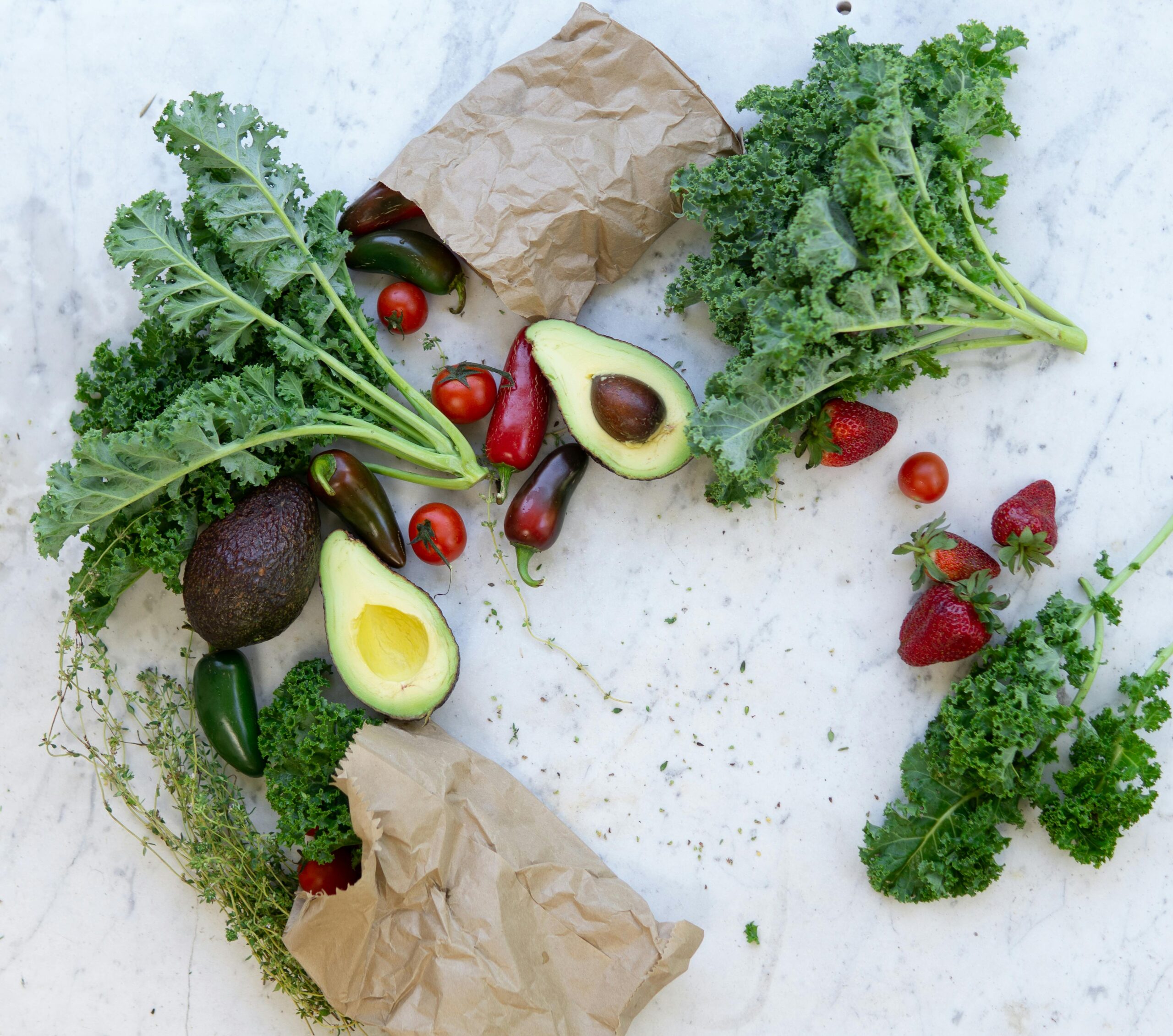
Green servings contain low FODMAP amounts that most people tolerate well. For example, one-eighth of an avocado, half a cup of cooked carrots, or ten blueberries typically fall into this category. These portions allow you to enjoy variety without triggering symptoms, and you can often combine multiple green-light foods in one meal safely.
Amber Light Portions: Proceed with Caution
Amber servings contain moderate FODMAP levels that may cause symptoms depending on your individual sensitivity and what else you’ve eaten that day. A quarter avocado, one cup of cooked carrots, or twenty blueberries might shift into amber territory. These portions require mindful consumption and awareness of your total FODMAP load across meals.
Red Light Portions: High Risk Territory
Red servings contain high FODMAP amounts likely to trigger symptoms in most sensitive individuals. Half an avocado, two cups of cooked carrots, or a full cup of blueberries enter red-light status. During elimination phases, these portions should be avoided, though some people may tolerate them occasionally once they’ve identified their specific triggers.
🎯 Strategic Portion Planning for Maximum Freedom
Mastering portion control doesn’t mean eating tiny amounts of everything—it means eating strategically to maximize both nutrition and enjoyment while minimizing symptoms. This approach requires planning but delivers remarkable freedom compared to unnecessarily restrictive elimination diets.
Consider spacing FODMAP-containing foods throughout your day rather than concentrating them in single meals. If you enjoy chickpeas, having a quarter cup at lunch leaves room for other FODMAP sources at dinner. This distribution prevents the accumulation that triggers symptoms while allowing dietary diversity.
The Power of Food Combination
Pairing FODMAP-containing foods with low-FODMAP options dilutes the concentration and slows digestion, potentially improving tolerance. Adding protein and healthy fats to meals containing moderate FODMAPs can buffer their impact. For instance, combining a small portion of hummus with low-FODMAP vegetables and grilled chicken creates a balanced meal less likely to overwhelm your system than eating the hummus alone or with high-FODMAP crackers.
🍽️ Practical Portion Strategies That Actually Work
Implementing portion control requires practical tools and techniques that fit seamlessly into your lifestyle. Visual estimation helps, but precision matters when you’re establishing your baseline tolerance.
- Use measuring tools initially: Kitchen scales and measuring cups remove guesswork during your learning phase, helping you understand what appropriate portions actually look like on your plate.
- Photograph your portions: Take pictures of measured servings to create a personal reference library. This visual guide helps you estimate portions when eating out or in situations where measuring isn’t practical.
- Practice the plate method: Fill half your plate with low-FODMAP vegetables, a quarter with protein, and a quarter with carbohydrates, controlling FODMAP portions within this framework.
- Start smaller than you think necessary: When testing new foods, begin with half the recommended green-light portion. You can always increase if you tolerate it well, but starting too large wastes days recovering from symptoms.
- Keep a detailed food and symptom journal: Track not just what you eat but how much, along with timing and symptoms. Patterns emerge that reveal your personal tolerance thresholds.
⏰ Timing Matters: When You Eat Affects How You Digest
The timing of FODMAP consumption influences tolerance as significantly as portion size. Your digestive capacity varies throughout the day based on enzyme availability, gut motility, and stress levels.
Many people find they tolerate higher FODMAP portions earlier in the day when digestive function is typically strongest. Eating your largest FODMAP-containing meal at lunch rather than dinner may reduce nighttime discomfort and improve sleep quality. Additionally, allowing at least three hours between meals gives your digestive system time to process one FODMAP load before introducing another.
The Meal Spacing Strategy
Grazing or frequent snacking can create continuous FODMAP exposure that never allows your system to fully process what you’ve consumed. Structured meal timing with adequate gaps helps prevent accumulation. This doesn’t mean rigid schedules, but rather mindful spacing that respects your digestive capacity.
🔄 The Reintroduction Phase: Your Tolerance Roadmap
The low FODMAP elimination diet is a diagnostic tool, not a permanent lifestyle. The reintroduction phase systematically tests your tolerance to specific FODMAP groups, revealing which ones trigger your symptoms and at what portions.
During reintroduction, you test one FODMAP group at a time over three days, increasing portions each day while monitoring symptoms. This methodical approach identifies your personal triggers and safe portions with precision. For example, you might discover you tolerate fructans in wheat up to two slices of bread but react to onions at any amount.
Building Your Personal FODMAP Portfolio
As you complete reintroduction challenges, you create a personalized guide showing exactly which foods you tolerate and in what quantities. This portfolio becomes your freedom document—proof that you don’t need to avoid all high-FODMAP foods forever, just the specific ones that trigger your symptoms at certain portions.
| FODMAP Group | Example Foods | Testing Strategy |
|---|---|---|
| Fructans | Wheat, onions, garlic | Test wheat separately from onion/garlic due to different tolerance patterns |
| Lactose | Milk, yogurt, soft cheese | Start with lactose-free versions, then test small dairy portions |
| GOS | Legumes, cashews | Begin with small portions of canned, well-rinsed beans |
| Polyols | Stone fruits, mushrooms, sweeteners | Test sorbitol and mannitol sources separately |
| Excess Fructose | Honey, mango, asparagus | Test with glucose-containing foods to improve absorption |
💪 Building Long-Term Digestive Resilience
While portion control provides immediate symptom relief, building genuine digestive resilience requires addressing the underlying factors that influence your FODMAP tolerance. Your gut microbiome, stress levels, sleep quality, and eating pace all impact how well you handle FODMAPs.
Enhancing Your Microbiome Diversity
A diverse gut microbiome processes FODMAPs more efficiently than a depleted one. Paradoxically, prolonged low-FODMAP diets can reduce microbial diversity, potentially decreasing tolerance over time. This is why the reintroduction phase is crucial—it feeds beneficial bacteria and maintains ecosystem diversity.
Including prebiotic foods within your tolerance levels actually strengthens your gut over time. Small, regular doses of tolerated FODMAPs act as training exercises for your digestive system, potentially expanding your threshold gradually.
The Stress-Digestion Connection
Stress directly impacts gut motility and sensitivity. When you’re stressed, your FODMAP tolerance decreases because your digestive system functions less efficiently. Managing stress through meditation, exercise, or therapy isn’t just good for mental health—it’s a legitimate digestive intervention that can expand your dietary freedom.
📱 Technology Tools for Tracking and Success
Modern technology makes portion control and FODMAP tracking significantly more manageable. Several applications provide detailed FODMAP information, portion guidance, and symptom tracking capabilities that support your journey toward digestive harmony.
The Monash University FODMAP Diet app remains the gold standard, offering scientifically validated portion information updated regularly based on new research. The app includes a food diary feature that helps you connect portions with symptoms, revealing patterns you might otherwise miss.
Digital tracking eliminates the memory burden, providing objective data about your eating patterns and responses. When you can see exactly what portions triggered symptoms last Tuesday, you make better decisions moving forward without relying on imperfect recall.
🌟 Common Portion Control Mistakes and How to Avoid Them
Even with good intentions, several common mistakes can sabotage your portion control efforts and leave you unnecessarily restricted or symptomatic.
Mistake #1: Eyeballing portions too early. Before you’ve developed accurate portion estimation skills, guessing leads to either excessive restriction or accidental FODMAP stacking. Invest time in measuring until recognition becomes automatic.
Mistake #2: Forgetting about hidden FODMAPs. Sauces, seasonings, and processed foods often contain high-FODMAP ingredients like onion powder or high-fructose corn syrup. These hidden sources contribute to your total load even when you’re carefully measuring main ingredients.
Mistake #3: Testing multiple FODMAPs simultaneously. When symptoms occur, you won’t know which food or portion caused the problem. Systematic, isolated testing provides clear answers that random experimentation cannot.
Mistake #4: Remaining unnecessarily restrictive. Some people find foods they tolerate well but continue avoiding them out of fear. Regular reintroduction testing and gradual expansion prevent the diet from becoming more limited than necessary.
🥗 Real-World Application: Building Balanced Low-FODMAP Meals
Understanding theory matters little without practical application. Building satisfying, nutritious meals within FODMAP portion guidelines requires creativity and planning, but becomes second nature with practice.
A balanced breakfast might include two scrambled eggs with spinach and tomatoes, one slice of sourdough spelt bread with butter, and a small serving of strawberries. Each component stays within green-light portions, but together they create a substantial, satisfying meal that won’t trigger symptoms.
For lunch, consider grilled chicken breast over mixed greens with cucumber, carrots (in appropriate portions), a sprinkle of feta cheese, and an olive oil-based dressing. Adding quinoa provides energy-sustaining carbohydrates while remaining low-FODMAP in measured portions.
Dinner could feature baked salmon with herb butter, roasted low-FODMAP vegetables like zucchini and bell peppers, and a modest portion of rice. This meal delivers complete nutrition without FODMAP overload.
🎓 Expert Tips for Mastering Your Unique Tolerance
Every digestive system responds differently to FODMAPs. While general guidelines provide starting points, discovering your personal tolerance profile unlocks true dietary freedom. Working with a registered dietitian experienced in FODMAP protocols accelerates this learning process and prevents common pitfalls.
Your tolerance isn’t static—it fluctuates based on stress, hormonal changes, sleep quality, and overall gut health. What you tolerate during calm periods may trigger symptoms during stressful times. Building flexibility into your approach acknowledges this reality rather than fighting against it.
Remember that perfection isn’t the goal; consistent symptom management with maximum dietary variety is. Occasional symptoms from social situations or special occasions don’t undo your progress. What matters is having the knowledge and tools to return to your baseline quickly.

🔑 Your Path Forward: From Restriction to Food Freedom
Mastering gut health through portion control isn’t about permanent restriction—it’s about gaining the knowledge and skills to make informed choices that support both your digestive comfort and your quality of life. The FODMAP journey moves through elimination, reintroduction, and personalization, ultimately arriving at a sustainable way of eating that feels natural rather than limiting.
As you develop portion awareness and identify your personal triggers, decision-making becomes intuitive. You’ll instinctively know when you can enjoy a larger portion of a favorite food and when moderation serves you better. This knowledge transforms anxiety around eating into confidence and freedom.
The investment you make in understanding portion sizes and their impact on your FODMAP tolerance pays dividends in reduced symptoms, expanded food choices, and improved relationship with eating. Your digestive system isn’t your enemy—it’s simply communicating its needs. Learning its language through careful portion management allows you to respond appropriately, creating the digestive harmony you deserve.
Start where you are, use the tools available, track your responses, and trust the process. Your unique tolerance profile awaits discovery, and with it comes the freedom to nourish your body without fear or discomfort. The journey requires patience and attention, but the destination—a diverse, enjoyable diet paired with comfortable digestion—makes every step worthwhile.