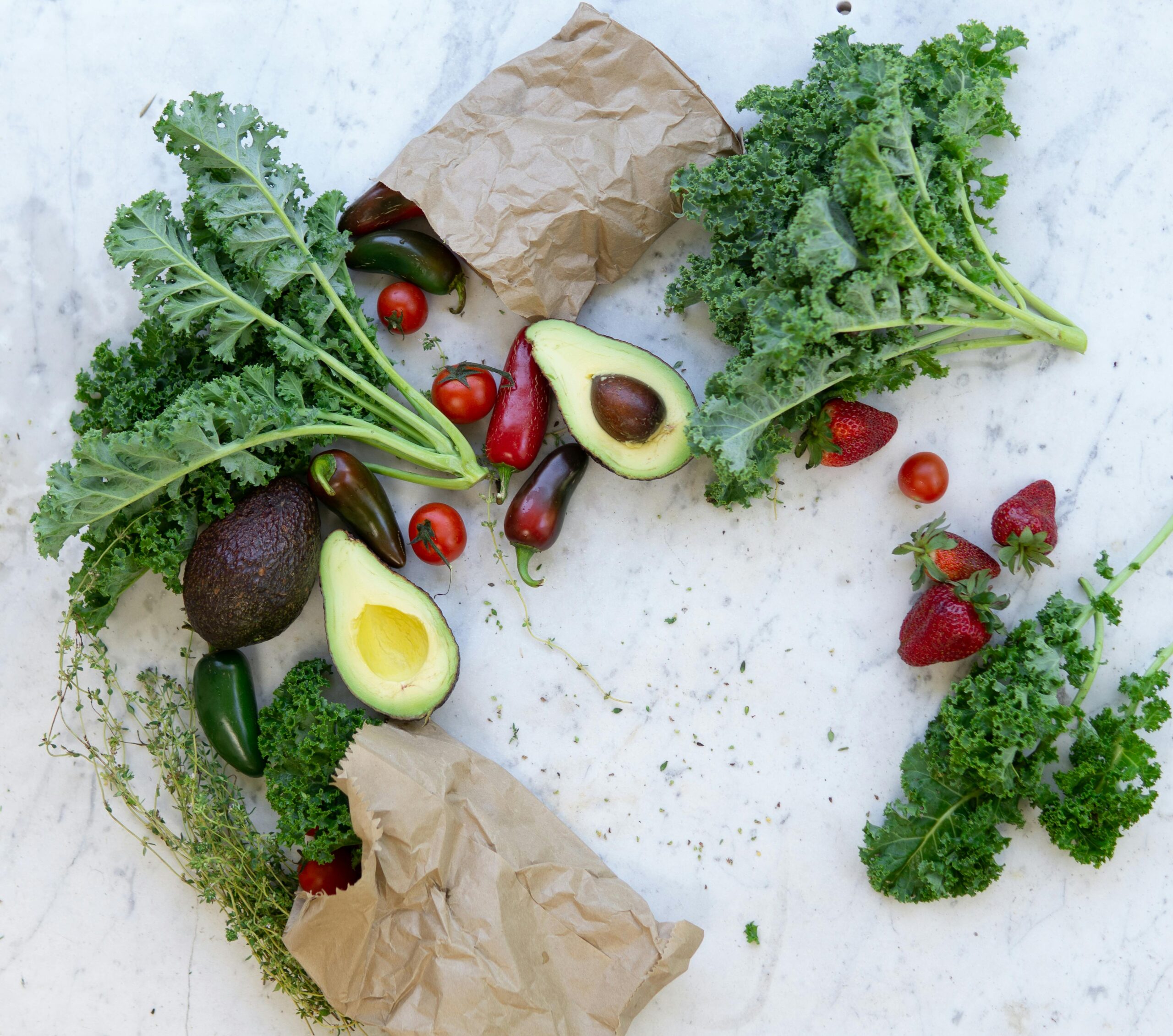
Living an active lifestyle demands more than just dedication and training—it requires the right fuel. For individuals managing digestive sensitivities while maintaining high energy expenditure, finding calorie-dense foods that won’t trigger symptoms can feel like navigating a nutritional maze.

The low-FODMAP diet, originally designed to manage irritable bowel syndrome (IBS), restricts certain fermentable carbohydrates that can cause bloating, gas, and discomfort. However, athletes and active individuals following this dietary approach often struggle to meet their increased caloric needs without compromising digestive comfort. The good news? There’s an abundant selection of high-calorie, low-FODMAP foods that can power your performance while keeping your gut happy.
Understanding the Energy Equation for Active Individuals 🔋
Active lifestyles demand significantly more energy than sedentary ones. Endurance athletes may require 3,000-5,000 calories daily, while strength trainers and recreational exercisers typically need 2,500-3,500 calories depending on intensity and body composition goals. When following a low-FODMAP protocol, meeting these demands becomes strategically important.
The challenge lies in avoiding high-FODMAP foods like wheat, legumes, certain fruits, and dairy products—many of which are traditionally calorie-dense staples in athletic nutrition. However, understanding which foods provide maximum energy without digestive distress creates a powerful advantage for performance-focused individuals managing gut sensitivity.
Protein-Packed Powerhouses That Support Performance 💪
Protein forms the foundation of muscle repair and growth, making it essential for anyone leading an active lifestyle. Fortunately, most protein sources are naturally low in FODMAPs, offering excellent opportunities to boost caloric intake while supporting recovery.
Animal-Based Protein Options
Meat, poultry, and fish are entirely FODMAP-free and provide substantial calories alongside complete amino acid profiles. A 6-ounce salmon fillet delivers approximately 350 calories with heart-healthy omega-3 fatty acids. Similarly, chicken thighs with skin offer about 280 calories per 4-ounce serving, providing more energy than their leaner breast counterparts.
Eggs represent one of nature’s most perfect performance foods—each large egg contains roughly 70 calories, 6 grams of protein, and essential nutrients like choline and vitamin D. Three eggs scrambled with a tablespoon of butter easily provides 300 calories to jumpstart your morning.
Strategic Dairy Selections
While lactose-containing dairy poses FODMAP challenges, lactose-free alternatives maintain their caloric density without digestive consequences. Lactose-free whole milk provides 150 calories per cup, while aged hard cheeses like cheddar, parmesan, and Swiss naturally contain minimal lactose—offering approximately 110-120 calories per ounce along with calcium and protein.
Greek yogurt labeled lactose-free supplies around 220 calories per cup with an impressive 20 grams of protein, making it an ideal post-workout recovery option that won’t compromise gut comfort.
Carbohydrate Sources That Fuel Without Fermentation ⚡
Carbohydrates remain the primary fuel source for high-intensity activity, but selecting the right types becomes crucial when managing FODMAP sensitivity. Strategic carbohydrate choices can dramatically increase daily caloric intake while maintaining digestive wellness.
Grain and Starch Champions
Rice stands as a cornerstone carbohydrate for active individuals on low-FODMAP diets. One cup of cooked white rice provides approximately 200 calories, while brown rice offers similar energy with additional fiber. Rice-based pasta alternatives have improved significantly in recent years, delivering 300-350 calories per two-ounce dry serving.
Quinoa, though technically a seed, functions as a grain substitute and remains low-FODMAP in servings up to one cup cooked (about 220 calories). This complete protein source offers all nine essential amino acids—a rare quality in plant-based foods.
Oats deserve special mention for endurance athletes. While containing some FODMAPs, most individuals tolerate 1/2 cup servings well, providing roughly 150 calories of sustained energy. Overnight oats made with lactose-free milk and topped with peanut butter create a calorie-dense breakfast exceeding 500 calories.
Potatoes and Root Vegetables
Potatoes are entirely FODMAP-free and extraordinarily versatile for increasing caloric density. A medium baked potato with skin contains about 160 calories, but when topped with butter, lactose-free sour cream, and chives, you easily reach 300-400 calories while adding satisfying flavor.
Sweet potatoes offer similar benefits with additional vitamin A, providing approximately 180 calories per medium potato. Roasted with olive oil, they become crispy energy bombs perfect for supporting training demands.
Fats: The Caloric Concentration Champions 🥑
Dietary fats provide nine calories per gram—more than double the energy density of proteins or carbohydrates—making them essential for athletes needing concentrated energy without excessive food volume.
Oils and Pure Fats
Olive oil, coconut oil, and avocado oil are completely FODMAP-free and pack 120 calories per tablespoon. Drizzling these over vegetables, mixing into rice dishes, or using liberally in cooking dramatically increases meal caloric content without affecting digestion.
Butter and ghee provide similar caloric density at roughly 100 calories per tablespoon. Ghee offers the additional benefit of being virtually lactose-free due to its clarification process, making it tolerable even for those highly sensitive to dairy FODMAPs.
Nuts, Seeds, and Their Butters
These portable powerhouses deliver exceptional energy density alongside healthy fats, protein, and micronutrients. Peanut butter—technically a legume but low-FODMAP in moderate servings—provides 190 calories per two-tablespoon serving. Almond butter offers similar energy at 200 calories per serving, though portions should be limited to one tablespoon to remain within low-FODMAP guidelines.
Macadamia nuts stand out as particularly calorie-dense, delivering 200 calories per ounce (about 10-12 nuts) with negligible FODMAP content. Walnuts, pecans, and hazelnuts provide 180-200 calories per ounce with heart-healthy omega-3 fatty acids.
Chia seeds and pumpkin seeds offer plant-based alternatives at 140-150 calories per ounce, easily incorporated into smoothies, oatmeal, or eaten as crunchy snacks.
Strategic Meal Building for Maximum Energy Density 🍽️
Understanding individual foods represents only half the equation—combining them strategically creates meals that efficiently deliver the calories needed to sustain high activity levels.
Breakfast Power Combinations
Start your day with three scrambled eggs cooked in one tablespoon butter (310 calories), served alongside one cup cooked oatmeal made with lactose-free whole milk (300 calories), topped with two tablespoons peanut butter (190 calories) and one sliced banana (105 calories). This single meal delivers over 900 calories to fuel morning training sessions.
Performance Lunch Ideas
Construct a grain bowl using 1.5 cups cooked brown rice (320 calories), topped with 6 ounces grilled chicken thigh (280 calories), half an avocado sliced (120 calories), and drizzled with two tablespoons olive oil-based dressing (240 calories). Add roasted carrots and spinach for micronutrients while maintaining a 960-calorie meal that supports afternoon energy needs.
Recovery Dinner Concepts
Pair a 6-ounce salmon fillet (350 calories) with a large baked potato topped with butter and lactose-free sour cream (350 calories), alongside roasted sweet potato wedges cooked in coconut oil (250 calories) and a side salad with olive oil dressing (150 calories). This balanced dinner exceeds 1,100 calories while providing omega-3s, quality carbohydrates, and recovery-supporting nutrients.
Snacking Strategies for Sustained Energy Throughout the Day 🍌
Between-meal snacks become essential for active individuals requiring 3,000+ daily calories. Strategic snacking prevents energy dips and supports consistent performance.
Keep these high-calorie, low-FODMAP snacks readily available:
- Rice cakes topped with almond butter and banana slices (300 calories)
- Trail mix made with macadamia nuts, walnuts, and dark chocolate chips (400 calories per handful)
- Lactose-free Greek yogurt with chia seeds and maple syrup (350 calories)
- Smoothie made with lactose-free milk, banana, peanut butter, oats, and protein powder (500+ calories)
- Hard-boiled eggs with a string cheese stick (160 calories)
- Baked tortilla chips with guacamole (300 calories)
Timing Your Nutrition for Optimal Performance ⏰
When you consume calories matters nearly as much as what you consume. Strategic timing ensures energy availability when your body needs it most while preventing digestive discomfort during activity.
Pre-Workout Fueling
Consume easily digestible, lower-fiber carbohydrates 1-2 hours before training. A banana with one tablespoon peanut butter provides quick energy (200 calories) without weighing you down. For longer endurance efforts, add rice cakes or white rice to increase available glucose.
During-Activity Nutrition
For exercises lasting over 90 minutes, simple carbohydrates maintain blood glucose and delay fatigue. Maple syrup (60 calories per tablespoon) serves as a natural, low-FODMAP option. Sports drinks specifically labeled low-FODMAP provide electrolytes alongside quick energy.
Post-Workout Recovery Window
Within 30-60 minutes post-exercise, prioritize protein and carbohydrates to replenish glycogen and support muscle repair. A smoothie made with lactose-free milk, banana, protein powder, and nut butter delivers 500+ calories with optimal macronutrient ratios for recovery.
Supplementation Strategies for Closing Nutritional Gaps 💊
While whole foods should form your nutrition foundation, certain supplements can help active individuals meet caloric and nutritional requirements without digestive complications.
Low-FODMAP protein powders made from whey isolate (lactose-free), rice protein, or egg white protein provide concentrated calories and muscle-building amino acids. A single scoop typically delivers 100-120 calories and 20-25 grams of protein.
MCT oil, derived from coconut oil, offers rapid-absorbing fats that provide quick energy without digestive processing delays. One tablespoon contains 115 calories of pure energy that doesn’t require FODMAP consideration.
Electrolyte supplements become particularly important for endurance athletes, as sweating depletes minerals crucial for performance. Choose formulations without high-FODMAP ingredients like inulin or fructose, opting instead for dextrose-based products.
Building Your Personalized High-Calorie Low-FODMAP Plan 📋
Creating a sustainable approach requires understanding your individual tolerance, activity level, and performance goals. Begin by calculating your baseline caloric needs using your body weight, activity factor, and specific objectives (maintenance, muscle gain, or endurance training).
Track your intake for one week using a nutrition app to establish current consumption patterns. Many individuals discover they’re consuming fewer calories than required, explaining energy dips or training plateaus. Gradually increase calories by 200-300 daily until reaching your target intake, monitoring both performance improvements and digestive comfort.
Remember that FODMAP tolerance varies individually—some people tolerate larger portions of moderate-FODMAP foods while others require stricter limitations. Work with a registered dietitian specializing in both sports nutrition and digestive health to optimize your personal protocol.
Sample Daily Meal Plan: 3,500 Calories for Active Individuals 📝
Breakfast (900 calories): Three-egg omelet with cheddar cheese cooked in butter, served with oatmeal made with lactose-free milk, topped with peanut butter and banana
Mid-Morning Snack (400 calories): Trail mix with macadamia nuts, walnuts, and dark chocolate, plus one orange
Lunch (950 calories): Brown rice bowl with grilled chicken thigh, avocado, roasted vegetables, dressed with olive oil and herbs
Pre-Workout Snack (300 calories): Rice cakes with almond butter and sliced strawberries
Post-Workout (500 calories): Smoothie with lactose-free milk, banana, rice protein powder, peanut butter, and oats
Dinner (1,100 calories): Salmon fillet with large baked potato (topped with butter and lactose-free sour cream), roasted sweet potato wedges, and side salad with olive oil dressing
Evening Snack (350 calories): Lactose-free Greek yogurt with maple syrup, chia seeds, and crushed walnuts
Overcoming Common Challenges in High-Calorie Low-FODMAP Eating 🎯
Many active individuals struggle initially when transitioning to higher-calorie, low-FODMAP nutrition. Food volume becomes a primary challenge—consuming sufficient calories without feeling uncomfortably full requires strategic choices favoring calorie-dense options over high-volume, low-calorie foods.
Meal fatigue represents another common obstacle. Combat monotony by experimenting with different cooking methods, international seasonings (most herbs and spices are FODMAP-free), and varying your protein sources weekly. Asian-inspired rice bowls, Mediterranean grain salads, and Latin American potato dishes all adapt beautifully to low-FODMAP requirements.
Social situations and dining out present unique challenges. Research restaurant menus in advance, communicate clearly with servers about your needs, and don’t hesitate to request modifications. Most establishments accommodate plain proteins with rice or potatoes, olive oil dressings, and simple vegetable preparations.
Long-Term Success: Reintroduction and Personalization 🌟
The low-FODMAP diet was never intended as a permanent elimination protocol. After 4-8 weeks of strict adherence, systematically reintroduce FODMAP categories to identify your personal triggers. Many athletes discover they tolerate certain FODMAPs well, expanding their food options and caloric strategies.
This personalization phase proves crucial for long-term sustainability. Perhaps you tolerate moderate amounts of garlic but not onions, or you handle lactose well but struggle with fructans. Understanding your unique digestive blueprint allows maximum dietary flexibility while maintaining symptom control.
Continue prioritizing the calorie-dense, well-tolerated foods you’ve identified while gradually testing others. This approach ensures you maintain the energy intake necessary for your active lifestyle without unnecessarily restricting foods you actually tolerate.

Maximizing Performance While Honoring Your Digestive Health 🏆
Achieving peak performance doesn’t require choosing between athletic goals and digestive comfort. High-calorie, low-FODMAP nutrition provides the energy foundation necessary for demanding training while respecting your body’s unique needs.
Focus on calorie-dense whole foods like fatty fish, rice, potatoes, oils, nuts, and seeds. Build meals that combine proteins, carbohydrates, and fats strategically. Time your nutrition around training for optimal energy availability and recovery. Supplement thoughtfully to close any remaining gaps.
Your performance depends on consistent energy availability, and your enjoyment of an active lifestyle depends on feeling good physically. By mastering high-calorie, low-FODMAP nutrition, you create the foundation for both—fueling your training demands while maintaining the digestive comfort that allows you to show up consistently, train hard, and achieve your goals.
Remember that nutrition represents just one component of performance optimization. Adequate sleep, appropriate training progression, stress management, and hydration all contribute to your success. When combined with smart nutritional strategies that honor your digestive needs, these elements create a comprehensive approach to sustained high performance and long-term wellbeing.