Your gut is home to trillions of microorganisms that play a crucial role in your overall health, from digestion to immunity and even mental well-being.

Understanding how to nourish these beneficial bacteria through strategic food choices can transform your health from the inside out. This comprehensive guide will walk you through the grocery aisles, helping you select the best prebiotic and probiotic-rich foods to cultivate a thriving gut microbiome and unlock better digestion, enhanced immunity, and improved overall wellness.
Understanding the Gut Health Foundation: Prebiotics vs. Probiotics
Before filling your shopping cart, it’s essential to understand the difference between prebiotics and probiotics. Probiotics are live beneficial bacteria that colonize your gut, while prebiotics are the dietary fibers that feed these friendly microorganisms. Think of probiotics as the gardeners and prebiotics as the fertilizer—both are necessary for a flourishing gut garden.
The synergy between these two elements creates what scientists call the “gut microbiome,” a complex ecosystem that influences everything from nutrient absorption to hormone production. When you consume both prebiotics and probiotics regularly, you create an environment where beneficial bacteria can thrive, crowd out harmful pathogens, and maintain the delicate balance essential for optimal health.
🥗 The Probiotic Powerhouses: Fermented Foods That Transform Your Gut
Fermented foods have been consumed for thousands of years across various cultures, and modern science has confirmed what our ancestors knew intuitively—these foods are exceptional for gut health. The fermentation process creates beneficial bacteria strains that can colonize your digestive system and provide numerous health benefits.
Yogurt and Kefir: Dairy-Based Probiotic Champions
Yogurt remains one of the most accessible probiotic foods available in any grocery store. Look for labels that say “contains live and active cultures” and check for specific strains like Lactobacillus acidophilus, Bifidobacterium, and Streptococcus thermophilus. Greek yogurt offers the added benefit of higher protein content, making it both a probiotic source and a satisfying snack.
Kefir takes probiotic content even further, containing up to 61 different strains of bacteria and yeasts compared to yogurt’s typical 2-7 strains. This tangy, drinkable fermented milk product has a thinner consistency than yogurt and can be consumed plain or added to smoothies. For those with lactose sensitivity, kefir is often better tolerated due to the fermentation process that breaks down much of the lactose.
Sauerkraut and Kimchi: Vegetable Fermentation Magic
Fermented vegetables offer probiotic benefits for those avoiding dairy products. Sauerkraut, made from fermented cabbage, is rich in Lactobacillus bacteria and provides vitamin C, vitamin K, and fiber. When shopping, choose refrigerated sauerkraut from the produce section rather than shelf-stable versions, as pasteurization kills the beneficial bacteria.
Kimchi, the Korean fermented vegetable staple, combines cabbage, radishes, and various seasonings to create a spicy, flavorful probiotic food. Beyond probiotics, kimchi contains vitamins A, B, and C, along with beneficial compounds from garlic, ginger, and chili peppers that offer additional anti-inflammatory properties.
Miso, Tempeh, and Natto: Fermented Soy Solutions
These traditional Japanese foods provide plant-based probiotic options with impressive nutritional profiles. Miso paste, made from fermented soybeans, adds umami depth to soups and dressings while delivering beneficial bacteria. Tempeh offers a firm, nutty-flavored protein source that works beautifully as a meat alternative in stir-fries and sandwiches.
Natto, though an acquired taste for many Western palates, contains the powerful probiotic strain Bacillus subtilis and is exceptionally high in vitamin K2, which supports bone and cardiovascular health. Its sticky, stringy texture and strong flavor make it polarizing, but its health benefits are undeniable.
🌾 Prebiotic All-Stars: Foods That Feed Your Beneficial Bacteria
While probiotics get much of the spotlight, prebiotics are equally important for maintaining gut health. These indigestible fibers pass through your upper gastrointestinal tract and serve as fuel for the beneficial bacteria in your colon, helping them multiply and thrive.
Allium Vegetables: The Aromatic Gut Supporters
Garlic, onions, leeks, and shallots are exceptional sources of inulin and fructooligosaccharides (FOS), two powerful prebiotic fibers. These aromatic vegetables not only enhance the flavor of your meals but also provide the raw materials your gut bacteria need to produce short-chain fatty acids, which reduce inflammation and support intestinal barrier function.
Raw garlic and onions contain higher levels of prebiotics than cooked versions, but cooked forms still offer benefits while being easier on digestion for some people. Adding these vegetables to your daily cooking routine is an effortless way to boost your prebiotic intake.
Bananas and Plantains: Convenient Prebiotic Snacks
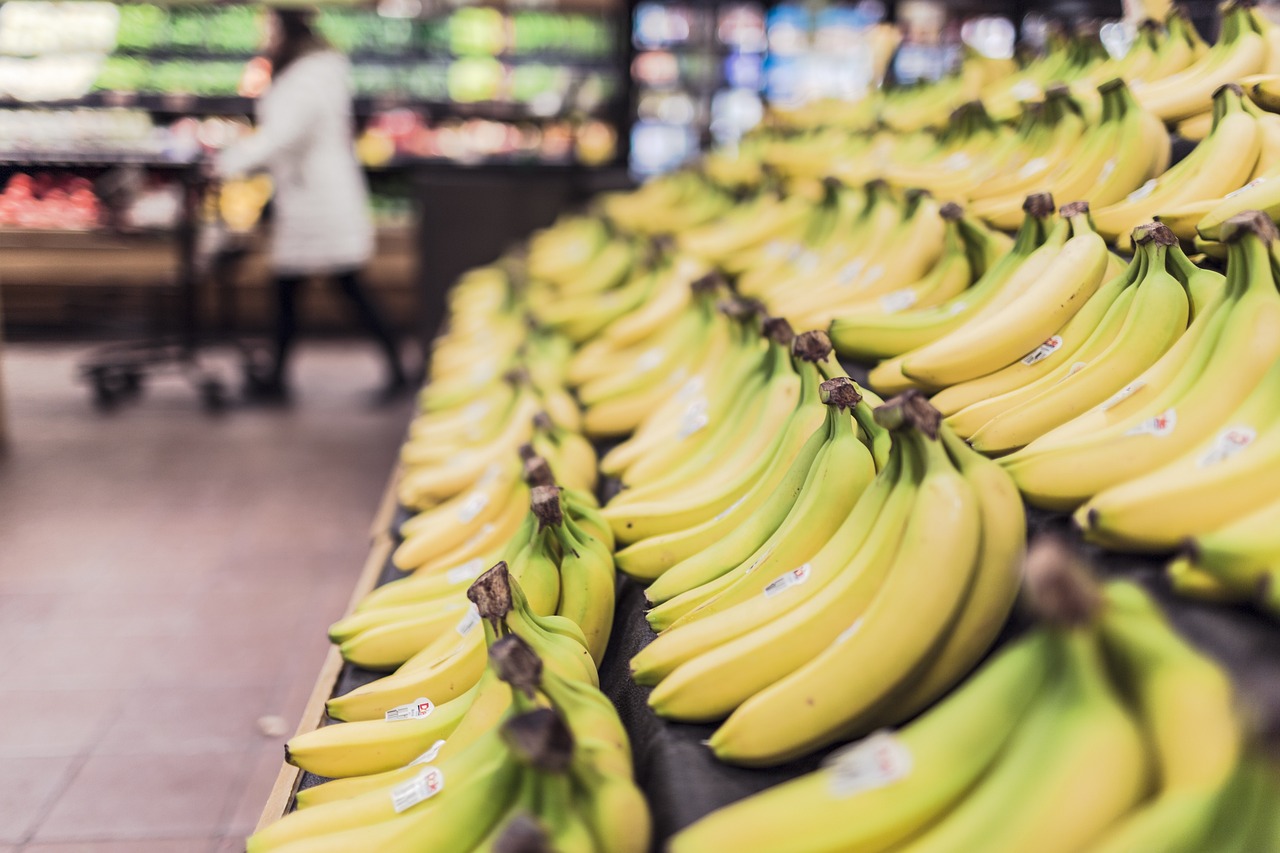
Slightly underripe bananas are particularly high in resistant starch, a type of prebiotic fiber that resists digestion in the small intestine and feeds beneficial bacteria in the colon. As bananas ripen, their resistant starch converts to simple sugars, so choosing greener bananas maximizes prebiotic benefits.
Plantains, especially when cooked and cooled, develop even higher levels of resistant starch. This cooking and cooling process transforms the starch structure, making it more resistant to digestion and more beneficial for your gut bacteria.
Asparagus, Artichokes, and Chicory Root: Fiber-Rich Vegetables
These vegetables contain some of the highest concentrations of inulin available in whole foods. Asparagus provides approximately 2-3 grams of inulin per 100-gram serving, making it an efficient prebiotic source. Jerusalem artichokes, despite their name, are actually tubers related to sunflowers and contain even more inulin than regular artichokes.
Chicory root contains the highest inulin concentration of any common food, with approximately 47% of its fiber content being inulin. While you might not eat chicory root directly, it’s often used as a coffee substitute and added to processed foods as a fiber supplement.
Whole Grains and Legumes: Complex Carbohydrate Champions
Oats contain beta-glucan fiber, which feeds beneficial bacteria and helps regulate blood sugar levels. Steel-cut oats and oat groats provide more prebiotic fiber than instant varieties. Barley, wheat bran, and rye also offer significant prebiotic content alongside other health-promoting compounds.
Legumes including lentils, chickpeas, beans, and peas provide resistant starch and oligosaccharides that serve as excellent prebiotic fuel. The gas some people experience when eating beans is actually evidence of bacterial fermentation—your gut bacteria are feasting on these prebiotic fibers.
🛒 Strategic Shopping: Building Your Gut-Healthy Grocery List
Creating a shopping list that prioritizes gut health doesn’t mean abandoning your favorite foods or following a restrictive diet. Instead, it involves making strategic additions and substitutions that gradually transform your eating patterns toward greater bacterial diversity.
The Produce Section Strategy
Start your shopping trip in the produce section and fill half your cart with prebiotic-rich vegetables and fruits. Aim for variety and include items from different color categories to ensure diverse nutrient and fiber profiles. Don’t overlook fresh herbs like parsley and cilantro, which contain prebiotic fibers alongside beneficial phytonutrients.
Choose organic options when possible for items on the “Dirty Dozen” list, as pesticide residues can negatively impact gut bacteria diversity. However, don’t let budget constraints prevent you from eating plenty of produce—thoroughly washed conventional options still provide significant gut health benefits.
Navigating the Dairy and Refrigerated Sections
When selecting yogurt, scrutinize labels carefully. Many commercial yogurts contain excessive added sugars that can counteract the probiotic benefits. Choose plain varieties with at least 1 billion CFU (colony-forming units) per serving and add your own fruit or a small amount of honey for sweetness.
Explore different types of fermented dairy products including Icelandic skyr, Scandinavian filmjölk, and various kefir brands. Each offers slightly different bacterial strains, and rotating between products increases the diversity of probiotics you consume.
The Condiment and Specialty Foods Aisle
Stock up on fermented condiments like miso paste, which stays fresh for months in the refrigerator. Apple cider vinegar with “the mother” (visible strands of proteins, enzymes, and beneficial bacteria) provides mild probiotic benefits and can be used in salad dressings or diluted as a beverage.
Look for traditionally fermented pickles and other vegetables in the refrigerated section. Shelf-stable pickles have been pasteurized and lack live cultures, so they won’t provide probiotic benefits despite their tangy, fermented flavor.
🍽️ Practical Integration: Incorporating Gut-Healthy Foods Into Daily Meals
Purchasing gut-healthy foods is only the first step—successfully incorporating them into your regular eating pattern ensures you’ll actually reap the benefits. Small, consistent changes prove more sustainable than dramatic dietary overhauls.
Breakfast Transformations
Start your day with a probiotic and prebiotic combination by topping plain yogurt or kefir with sliced bananas, berries, and a sprinkle of oats or ground flaxseed. This simple breakfast provides both live cultures and the fiber to feed them. Alternatively, prepare overnight oats using kefir instead of milk for a double probiotic boost.
Add cooked and cooled potatoes to breakfast hashes for resistant starch, or include sautéed onions and garlic in omelets to increase prebiotic intake. Even small additions accumulate over time to significantly improve your gut bacteria diversity.
Lunch and Dinner Enhancement
Transform ordinary salads by adding fermented vegetables like sauerkraut or kimchi as a tangy topping. Use miso paste to create flavorful salad dressings or soup bases. Replace some of the meat in your meals with tempeh to increase both protein and probiotic intake.
Make vegetables the foundation of your main meals and include prebiotic-rich options like asparagus, artichokes, leeks, and onions regularly. Roasting these vegetables caramelizes their natural sugars while maintaining much of their prebiotic fiber content.
Snacks and Small Meals
Keep individual portions of plain yogurt, kefir, or kombucha available for convenient probiotic snacks. Pair these with prebiotic-containing foods like apples with almond butter, hummus with raw vegetables, or a small handful of pistachios, which contain prebiotic fiber.
Prepare fermented vegetables in advance and portion them into small containers for grab-and-go additions to any meal. Just a few forkfuls of sauerkraut or kimchi provide meaningful probiotic benefits without requiring significant preparation time.
⚠️ Important Considerations: Avoiding Common Gut Health Mistakes
While adding probiotic and prebiotic foods offers numerous benefits, certain approaches can undermine your efforts or cause uncomfortable digestive symptoms.
The Gradual Introduction Principle
Dramatically increasing fiber intake can cause bloating, gas, and digestive discomfort as your gut bacteria adjust to their new food supply. Start with small portions of prebiotic foods and gradually increase amounts over several weeks, allowing your microbiome time to adapt.
Similarly, introducing multiple probiotic foods simultaneously can overwhelm your system. Begin with one or two fermented foods and slowly expand your repertoire as your digestive system becomes accustomed to these beneficial bacteria.
Temperature and Storage Matters
Heat kills probiotic bacteria, so avoid cooking fermented foods when possible. Add miso to soups after removing them from heat, use sauerkraut and kimchi as cold toppings, and never heat yogurt or kefir above lukewarm temperatures if your goal is probiotic intake.
Proper storage maintains probiotic viability. Keep fermented foods refrigerated and sealed tightly to prevent contamination and preserve bacterial cultures. Check expiration dates, as probiotic counts decline over time even under ideal storage conditions.
Individual Variation and Medical Considerations
People with compromised immune systems, those undergoing chemotherapy, or individuals with certain medical conditions should consult healthcare providers before significantly increasing probiotic intake. While generally safe for healthy individuals, live bacterial cultures can occasionally cause problems in vulnerable populations.
Some people experience persistent digestive discomfort with certain prebiotic foods due to conditions like irritable bowel syndrome or small intestinal bacterial overgrowth (SIBO). If symptoms worsen rather than improve, work with a healthcare professional to identify problematic foods and develop an appropriate approach.
💪 Beyond the Grocery Cart: Lifestyle Factors Supporting Gut Health
While diet forms the foundation of gut health, other lifestyle factors significantly influence your microbiome composition and diversity.
Adequate sleep supports beneficial bacteria populations, while chronic sleep deprivation alters gut bacteria composition in ways that promote inflammation. Aim for 7-9 hours of quality sleep nightly to give your gut microbiome the recovery time it needs.
Regular physical activity increases gut bacteria diversity and promotes the growth of bacteria that produce beneficial short-chain fatty acids. Even moderate exercise like daily walking provides measurable microbiome benefits.
Stress management matters more than many people realize—chronic stress alters gut bacteria composition and increases intestinal permeability. Practices like meditation, yoga, or even regular time in nature help maintain a healthy gut-brain axis and support beneficial bacterial populations.
🎯 Creating Your Personalized Gut Health Action Plan
Rather than attempting to overhaul your entire diet overnight, develop a sustainable, personalized approach to improving gut health through strategic food choices.
Start by identifying three probiotic foods and three prebiotic foods you genuinely enjoy or are willing to try. Commit to including at least one item from each category daily for the next month. This manageable goal creates consistency without overwhelming your schedule or palate.
Track how you feel as you increase gut-healthy foods. Many people notice improved digestion, more regular bowel movements, enhanced energy levels, and even better mood within a few weeks of dietary changes. These positive reinforcements motivate continued commitment to gut health practices.
Gradually expand your repertoire of gut-healthy foods, experimenting with new fermented products and prebiotic vegetables each month. Building variety ensures you’re exposing your gut to diverse bacterial strains and fiber types, which supports the richest possible microbiome diversity.
Remember that gut health improvement is a journey rather than a destination. Your microbiome continuously adapts to your dietary choices, stress levels, sleep patterns, and other lifestyle factors. Consistency matters more than perfection, and even small positive changes accumulate over time to create significant health improvements. By approaching your grocery shopping with intention and filling your cart with probiotic-rich fermented foods and prebiotic fiber sources, you’re investing in your long-term health from the inside out. Your gut bacteria will thank you, and you’ll likely notice the benefits extending far beyond digestion to encompass immunity, mental clarity, energy levels, and overall well-being. 🌟