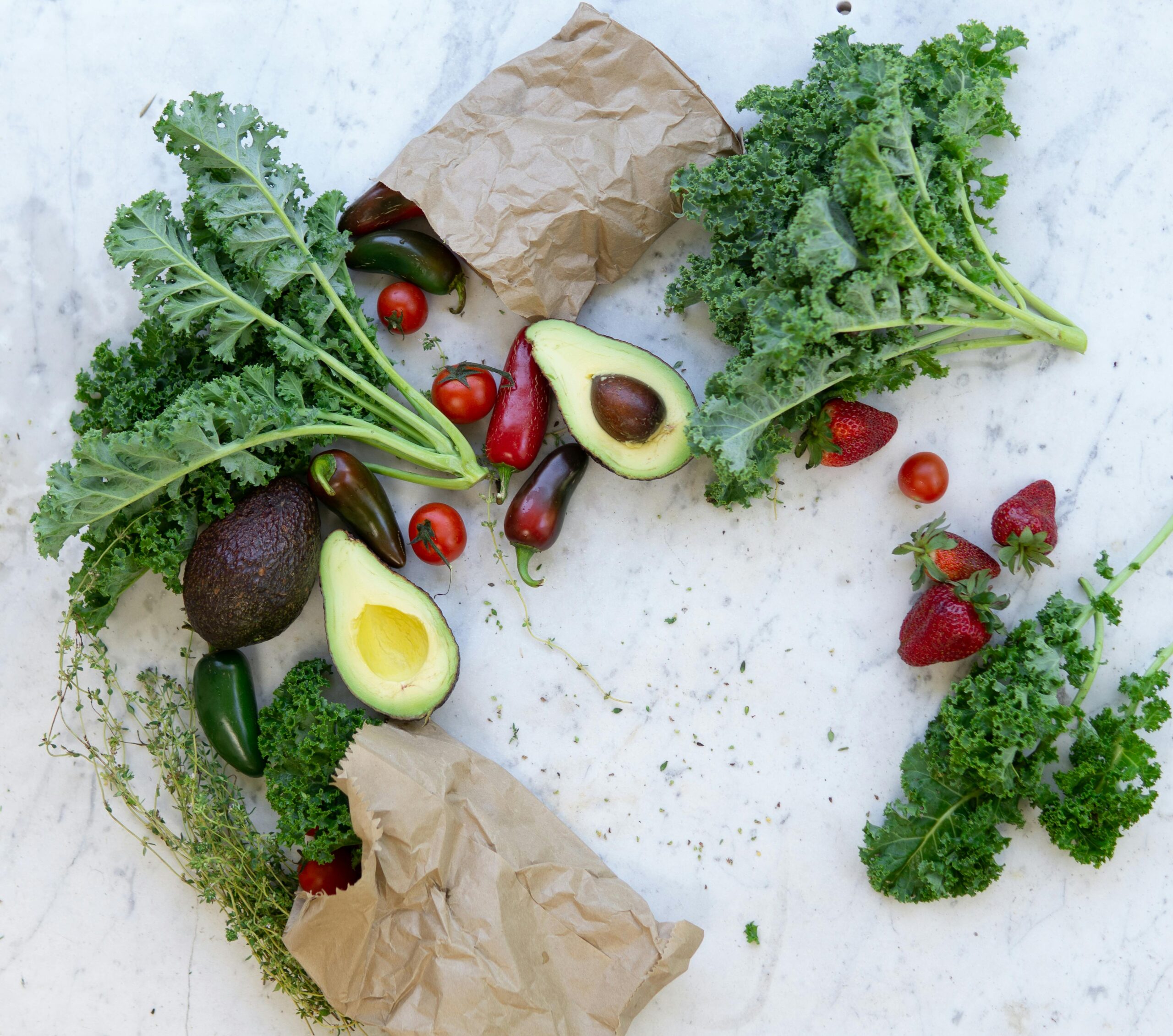
Navigating the snack aisle with digestive sensitivities doesn’t mean sacrificing flavor or convenience. The low-FODMAP diet has revolutionized how millions manage their gut health, transforming snacking from a minefield into an enjoyable experience.

Whether you’re dealing with IBS, SIBO, or simply seeking gentler options for your digestive system, understanding which snacks work with your body rather than against it empowers you to reclaim food freedom. This comprehensive guide will transform your relationship with snacking, providing practical strategies, delicious options, and insider tips to help you confidently navigate grocery stores and satisfy cravings without compromising your wellbeing.
🔍 Understanding FODMAPs and Why They Matter for Snacking
FODMAP stands for Fermentable Oligosaccharides, Disaccharides, Monosaccharides, and Polyols – a mouthful of scientific terms that essentially describes short-chain carbohydrates that many people struggle to digest properly. When these compounds reach the large intestine undigested, they ferment and draw water into the digestive tract, causing bloating, gas, cramping, and other uncomfortable symptoms.
For the estimated 10-15% of the global population living with irritable bowel syndrome (IBS), high-FODMAP foods can trigger debilitating symptoms that significantly impact quality of life. Snacks present a particular challenge because they’re often processed, contain hidden ingredients, and frequently include high-FODMAP components like wheat, dairy, honey, and various sweeteners.
The low-FODMAP approach isn’t about permanent restriction – it’s a therapeutic elimination diet designed to identify trigger foods, calm the digestive system, and ultimately create a personalized eating plan. During the elimination phase, which typically lasts 2-6 weeks, you’ll avoid high-FODMAP foods before systematically reintroducing them to determine your individual tolerance levels.
🛒 Decoding Labels: Your Superpower in the Snack Aisle
Successfully navigating the snack aisle begins with becoming a savvy label reader. Manufacturers aren’t required to label FODMAPs specifically, so you’ll need to recognize problematic ingredients hiding behind various names and formulations.
Red Flag Ingredients to Avoid
Several ingredients should immediately raise concerns when scanning snack labels during the elimination phase. Wheat-based products top the list, including anything made with wheat flour, wheat starch, or wheat protein. Garlic and onion appear in countless savory snacks, often listed as “natural flavors” or in powdered forms.
High-fructose corn syrup, honey, agave nectar, and fruit juice concentrates are common sweeteners that contain excess fructose, a high-FODMAP sugar. Sugar alcohols ending in “-ol” (sorbitol, mannitol, xylitol, maltitol) frequently appear in “sugar-free” products and are polyols – the “P” in FODMAP.
Dairy ingredients require careful consideration. While hard cheeses are generally low-FODMAP due to their minimal lactose content, milk powder, yogurt powder, and whey concentrate can trigger symptoms. Inulin and chicory root, often added as fiber supplements to processed foods, are high-FODMAP oligosaccharides.
Green Light Ingredients
Fortunately, many ingredients signal safe snacking options. Rice, corn, oats (in moderate portions), quinoa, and certified gluten-free products made from these grains typically work well. Maple syrup, glucose, and table sugar (sucrose) are low-FODMAP sweeteners in reasonable amounts.
Lactose-free dairy products, hard cheeses, and certain plant-based alternatives like almond milk or coconut milk (without high-FODMAP additives) provide good options. Nuts and seeds deserve individual attention, as most are low-FODMAP in small servings, though cashews and pistachios should be limited.
🥜 Perfect Portable Snacks: Your Go-To Low-FODMAP Options
Building a reliable repertoire of convenient, shelf-stable snacks ensures you’re never caught hungry without safe options. These portable choices work perfectly for busy schedules, travel, office desks, and emergency stashes.
Nuts and Seeds (Portion-Controlled)
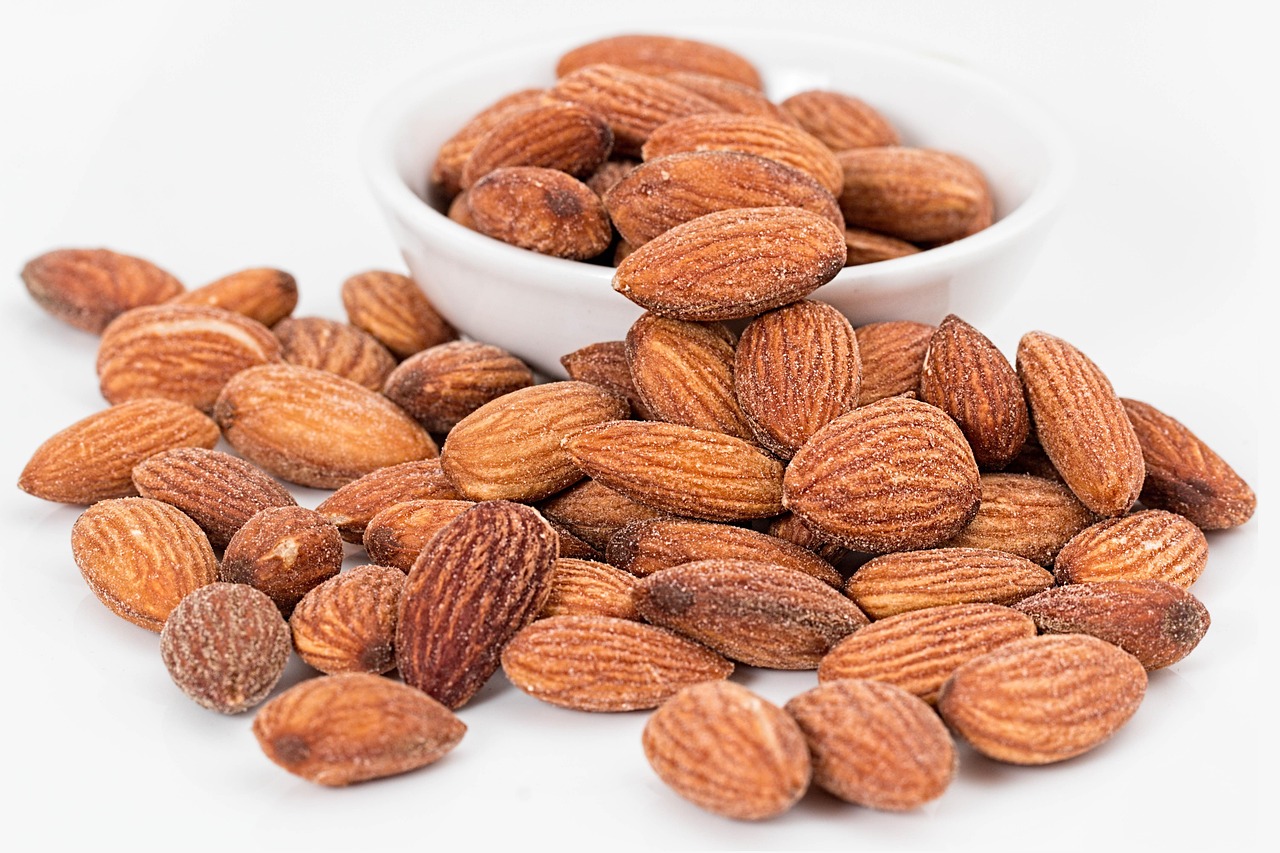
Almonds, walnuts, macadamias, pecans, and peanuts make excellent low-FODMAP snacks when consumed in appropriate portions – typically 10-15 nuts or about a small handful. Pre-portioning these into small bags or containers prevents accidental overconsumption, which can push you into high-FODMAP territory.
Pumpkin seeds and sunflower seeds offer similar benefits with slightly more generous serving sizes. Consider dry-roasted varieties without added onion or garlic powder, which frequently appear in flavored nut mixes.
Rice-Based Snacks
Rice cakes, rice crackers, and puffed rice snacks provide satisfying crunch without FODMAP concerns. Plain varieties work best, though some lightly salted or seaweed-flavored options are typically safe. Pair these neutral bases with low-FODMAP toppings like peanut butter, lactose-free cream cheese, or sliced hard cheese for added satisfaction.
Protein-Packed Options
Hard-boiled eggs travel surprisingly well and deliver complete protein with zero FODMAPs. Beef jerky, turkey sticks, and similar dried meat products work excellently, provided they don’t contain high-FODMAP marinades featuring garlic, onion, or honey. Always verify ingredients, as many commercial varieties include problematic seasonings.
Canned tuna or salmon in small pouches offers omega-3 fatty acids and protein. Pair with gluten-free crackers or vegetable sticks for a balanced mini-meal.
🍫 Satisfying Your Sweet Tooth the Low-FODMAP Way
Dessert cravings don’t disappear with digestive issues, and fortunately, numerous sweet treats fit comfortably within low-FODMAP guidelines when you know what to choose.
Chocolate Considerations
Dark chocolate with 70% cocoa or higher typically contains minimal lactose and no high-FODMAP ingredients, making it a safe indulgence in moderate portions (about 5 squares or 30 grams). Milk chocolate becomes problematic due to milk powder content, though some lactose-free milk chocolate varieties exist.
Avoid chocolate products containing dried fruit, caramel, honey, or inulin. Plain chocolate chips, dark chocolate squares, and certain chocolate-covered rice cakes provide simple, satisfying options.
Fruit-Based Sweets
Fresh fruit offers natural sweetness, though FODMAP content varies significantly between varieties. Low-FODMAP fruits suitable for snacking include strawberries, blueberries, oranges, grapes (in moderation), kiwifruit, cantaloupe, and honeydew melon.
Banana ripeness matters considerably – unripe bananas are low-FODMAP while ripe, spotty bananas develop higher FODMAP loads. Stick to firm, slightly green bananas for safer snacking.
Dried fruit requires caution, as the concentration process intensifies FODMAP content. However, small portions of dried cranberries (without apple juice) or banana chips can work for some individuals.
Baked Goods and Sweet Treats
Gluten-free cookies, brownies, and bars made with low-FODMAP ingredients provide occasional treats. Look for products sweetened with sugar, glucose syrup, or maple syrup rather than honey, agave, or high-fructose corn syrup.
Homemade treats give you complete control over ingredients. Simple recipes using gluten-free flour blends, lactose-free butter, and low-FODMAP sweeteners allow you to recreate favorite desserts without triggering symptoms.
🥤 Beverages That Complement Your Low-FODMAP Snacks
What you drink alongside snacks impacts both satisfaction and digestive comfort. Many seemingly innocent beverages contain hidden FODMAPs that can undermine your careful snack selections.
Water remains the gold standard, naturally FODMAP-free and essential for digestive health. Herbal teas, particularly peppermint, ginger, and chamomile, not only avoid FODMAPs but may actually soothe digestive discomfort.
Coffee and regular tea are low-FODMAP in moderate amounts (typically up to 3 cups daily), though individual tolerance varies. Black coffee or tea with lactose-free milk or small amounts of almond milk works well.
Fruit juices require careful consideration. Orange juice (½ cup serving), cranberry juice (without apple juice added), and pineapple juice are generally safe options. Avoid apple juice, pear juice, mango juice, and anything containing high-fructose corn syrup.
Coconut water provides electrolytes but should be limited to about ⅓ cup servings due to FODMAP content. Sports drinks vary widely – check labels carefully for high-fructose corn syrup and excessive amounts.
🏠 Building Your Low-FODMAP Snack Pantry
Creating a well-stocked pantry with versatile low-FODMAP staples transforms snacking from stressful to simple. Strategic shopping and organization ensure you always have safe options available.
Essential Pantry Staples
- Gluten-free crackers (rice, corn, or seed-based)
- Rice cakes and corn cakes
- Popcorn kernels or pre-popped plain popcorn
- Peanut butter and almond butter (check for added ingredients)
- Canned tuna and salmon
- Dark chocolate bars or chips
- Portion-controlled nut packages
- Gluten-free pretzels
- Rice-based cereals without high-FODMAP additions
- Olives and pickles (in moderation, checking brine ingredients)
Refrigerator Essentials
- Hard cheeses (cheddar, parmesan, Swiss)
- Lactose-free yogurt
- Lactose-free milk or suitable plant-based alternatives
- Fresh low-FODMAP fruits and vegetables
- Hard-boiled eggs
- Deli meat without high-FODMAP seasonings
- Homemade low-FODMAP dips and spreads
📱 Technology Tools for Low-FODMAP Success
Several smartphone applications have revolutionized low-FODMAP eating by providing instant access to food databases, portion guidance, and personalized tracking features. These digital tools eliminate guesswork and build confidence when making food choices.
The Monash University FODMAP Diet app stands as the gold standard, developed by the researchers who pioneered FODMAP science. This comprehensive application provides detailed information on thousands of foods, including specific serving sizes that remain low-FODMAP, traffic-light rating systems, and regular updates based on ongoing research.
Other helpful applications include FODMAP tracking apps that allow you to log meals and symptoms, creating a personalized database of your individual triggers and tolerances. Barcode scanning features in some apps quickly identify whether packaged snacks contain problematic ingredients.
🌟 Creative Snack Combinations That Deliver
Moving beyond single-ingredient snacks to thoughtful combinations increases satisfaction while maintaining nutritional balance. These pairings provide complementary textures, flavors, and macronutrients.
Rice crackers with lactose-free cream cheese and sliced cucumber create a refreshing, savory option. Gluten-free pretzels dipped in peanut butter satisfy salt and sweet cravings simultaneously. Sliced strawberries with a square of dark chocolate offer dessert-like indulgence.
Carrot sticks with a small portion of hummus (made with canned chickpeas, properly rinsed and limited to ¼ cup) provide fiber and protein. Gluten-free toast with mashed banana and a sprinkle of cinnamon makes a comforting, slightly sweet snack.
Popcorn sprinkled with nutritional yeast delivers savory, cheesy flavor without dairy. A small orange paired with a handful of walnuts balances quick-digesting carbohydrates with sustained-energy fats and protein.
🍽️ Restaurant and On-the-Go Strategies
Real life doesn’t always allow for perfectly planned snacking. Developing strategies for unexpected situations prevents digestive distress when you’re away from your carefully curated pantry.
When traveling, pack a dedicated snack bag with stable options like rice crackers, nut butter packets, dark chocolate, and dried low-FODMAP fruit. Gas stations and convenience stores typically stock plain potato chips (check ingredients), nuts, bananas, oranges, and sometimes hard-boiled eggs.
Coffee shops often offer low-FODMAP options if you know what to request. Plain lattes made with lactose-free milk, simple espresso drinks, hard-boiled eggs, and certain yogurt parfaits (requesting lactose-free yogurt) can work. Avoid pastries, which almost universally contain wheat and often high-FODMAP sweeteners.
Airport snacking presents challenges but isn’t impossible. Look for sushi (avoiding high-FODMAP ingredients like avocado or tempura), fruit cups with safe varieties, packaged nuts, and protein boxes with hard cheese and meat.
💪 Listening to Your Body: The Ultimate Guide
While food lists and apps provide invaluable frameworks, your body’s individual responses ultimately determine your perfect low-FODMAP snacking strategy. Everyone’s tolerance levels vary, and what works beautifully for one person might trigger symptoms in another.
Keep a detailed food and symptom diary during the elimination phase, noting not just what you eat but also portion sizes, timing, stress levels, and any symptoms that emerge. Patterns often reveal personalized insights that generic guidelines cannot provide.
During the reintroduction phase, systematically test individual FODMAP groups to identify your specific triggers. You may discover you tolerate certain FODMAPs well while others cause immediate problems. This personalized information allows you to expand your snack repertoire beyond the strictest elimination phase.
Remember that stress, sleep quality, hormonal fluctuations, and overall gut health influence digestive tolerance. A snack that works perfectly one day might cause discomfort during particularly stressful periods. This variability is normal and doesn’t indicate failure – it reflects the complex nature of digestive health.
🎯 Building Long-Term Snacking Success
The low-FODMAP diet succeeds best when viewed as a temporary diagnostic tool rather than a permanent lifestyle. After identifying your triggers through systematic elimination and reintroduction, you’ll develop a personalized approach that maximizes food freedom while minimizing symptoms.
Many people discover they can tolerate small amounts of certain high-FODMAP foods, moderate portions of others, and only need to strictly avoid a select few trigger foods. This nuanced understanding transforms snacking from restrictive to liberating.
Regularly revisit your tolerance levels, as digestive health can improve over time with proper management. What triggered symptoms during initial elimination phases might become tolerable as your gut heals and microbiome rebalances.
Connect with communities of others following low-FODMAP approaches, whether through social media groups, local support meetings, or online forums. Sharing discoveries about hidden low-FODMAP gems in grocery stores, recipe ideas, and coping strategies creates invaluable support networks that sustain long-term success.
Your relationship with snacking doesn’t need to be defined by restriction and fear. Armed with knowledge, practical strategies, and personalized insights, you can confidently navigate any snack aisle, satisfy cravings, and nourish your body without compromising digestive comfort. The low-FODMAP approach empowers you to reclaim food joy while honoring your body’s unique needs – that’s the ultimate snacking victory. 🎉