Living with IBS or digestive sensitivities doesn’t mean sacrificing flavor or breaking the bank. A low-FODMAP diet can be both delicious and affordable with the right shopping strategies.

Navigating the grocery store aisles while following a low-FODMAP diet can feel overwhelming at first. Between deciphering ingredient labels, avoiding hidden triggers, and managing your budget, shopping trips can become stressful rather than enjoyable. But here’s the good news: eating well on a low-FODMAP diet doesn’t require expensive specialty stores or breaking your monthly budget. With smart planning, strategic shopping, and knowing which staples to stock, you can fill your cart with gut-friendly foods that nourish your body without emptying your wallet.
🛒 Understanding Low-FODMAP Basics Before You Shop
Before diving into your shopping list, it’s essential to understand what FODMAPs actually are. These fermentable oligosaccharides, disaccharides, monosaccharides, and polyols are short-chain carbohydrates that some people struggle to digest. When these compounds reach the large intestine undigested, they can cause bloating, gas, cramping, and other uncomfortable digestive symptoms.
The low-FODMAP diet isn’t meant to be permanent. It’s typically implemented in three phases: elimination, reintroduction, and personalization. During the elimination phase, which usually lasts 2-6 weeks, you’ll avoid high-FODMAP foods to give your digestive system a reset. Understanding this timeline helps you shop smarter, buying appropriate quantities without waste.
Common high-FODMAP foods include wheat-based products, certain dairy items, onions, garlic, legumes, and specific fruits like apples and pears. Knowing what to avoid is just as important as knowing what you can enjoy freely. This knowledge transforms you from a confused shopper into a confident one who can quickly scan labels and make informed decisions.
Budget-Friendly Low-FODMAP Protein Sources 🥚
Protein forms the foundation of most meals, and fortunately, many affordable protein sources are naturally low in FODMAPs. Eggs are perhaps your best budget companion—versatile, nutritious, and typically inexpensive. A dozen eggs can provide multiple meals and snacks, from breakfast scrambles to hard-boiled egg salads.
Chicken is another economical choice, especially when buying whole birds or larger value packs. Bone-in, skin-on chicken thighs often cost less than boneless breasts and offer more flavor. You can roast a whole chicken for Sunday dinner, then use the leftovers for salads, stir-fries, and sandwiches throughout the week.
Canned tuna and salmon provide convenient, shelf-stable protein options that won’t spoil if you forget about them. Look for sales and stock up when prices drop. Ground turkey and ground beef can be purchased in bulk and frozen in portion-sized amounts, perfect for quick weeknight meals.
Firm tofu is an excellent plant-based protein option that’s naturally low-FODMAP and typically budget-friendly. While some legumes are high in FODMAPs, canned lentils (in small portions) and firm tofu offer alternatives for vegetarians and vegans following this diet.
Grain and Carbohydrate Choices That Won’t Break the Bank
Carbohydrates often present the biggest challenge on a low-FODMAP diet since wheat is a primary trigger. However, several affordable alternatives exist that can become pantry staples. Rice, both white and brown, is naturally low-FODMAP and incredibly economical when purchased in larger bags.
Oats are another budget-friendly option that works wonderfully for breakfast. While oats contain some FODMAPs, they’re generally well-tolerated in servings of about half a cup. Buying oats in bulk containers rather than individual packets saves money significantly.
Gluten-free pasta has become more affordable as demand has increased. Rice-based pasta and corn-based pasta are both low-FODMAP options. Watch for sales and consider store brands, which often cost 30-40% less than name brands without sacrificing quality.
Potatoes in all their varieties—white, red, yellow, and sweet—are naturally low-FODMAP and remarkably versatile. Buying potatoes in larger bags rather than individually reduces cost per pound. They store well in cool, dark places, making them perfect for budget-conscious meal planning.
Quinoa, while slightly pricier than rice, provides complete protein and can be found at reasonable prices in bulk sections or large containers. A little goes a long way since it expands significantly when cooked.
🥬 Fresh Produce: Selecting Smart Low-FODMAP Options
Fresh fruits and vegetables are where your low-FODMAP shopping requires the most attention, but you can still find plenty of budget-friendly options. Seasonal produce always costs less, so adapt your meal planning around what’s currently abundant.
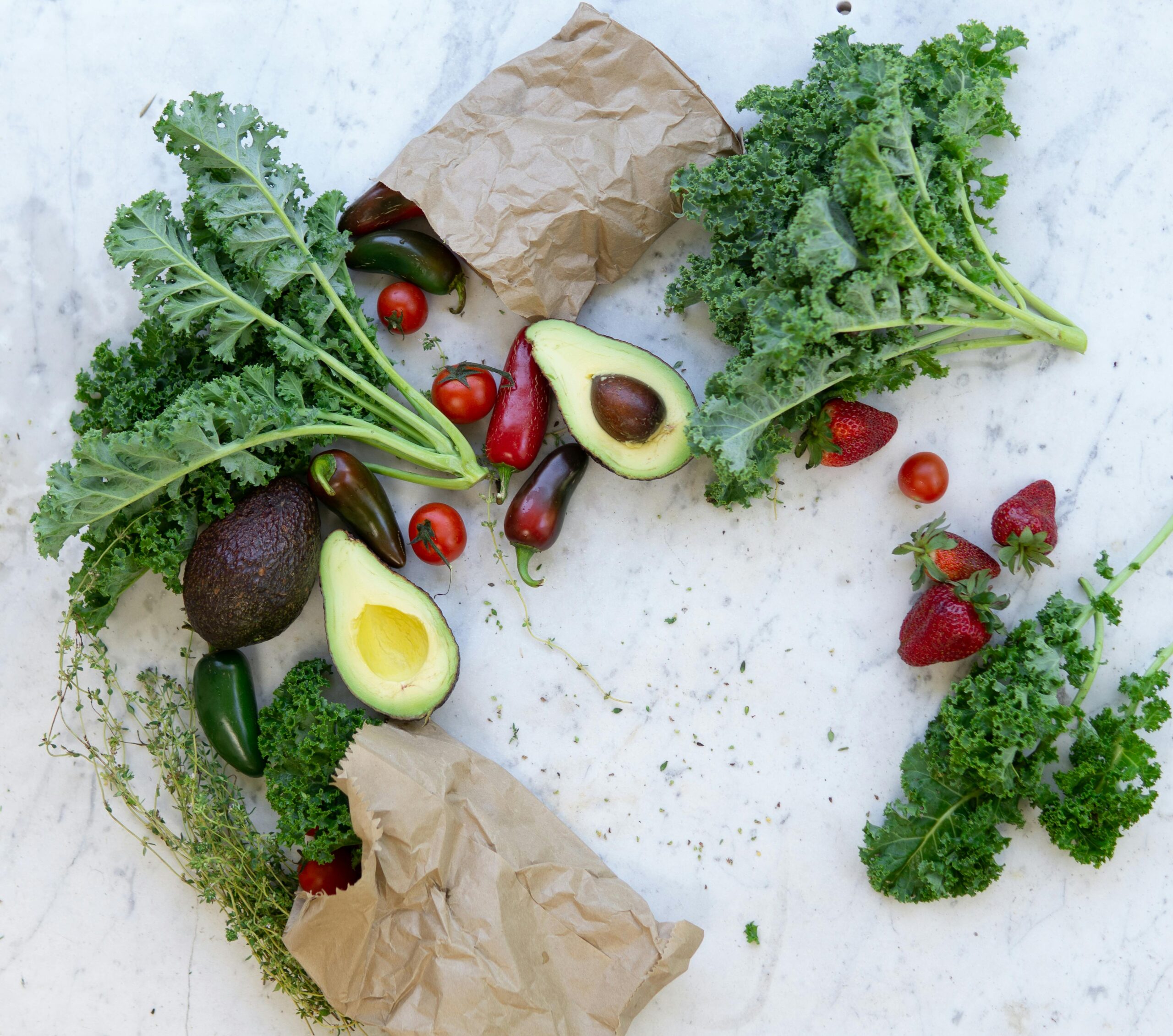
Low-FODMAP vegetables that are typically affordable include carrots, cucumbers, lettuce, bell peppers, tomatoes, zucchini, and green beans. Buying whole heads of lettuce instead of pre-washed containers saves money. Carrots purchased loose or in bags are more economical than baby carrots.
Bananas (when firm and slightly unripe) are excellent low-FODMAP fruits that rank among the cheapest in most stores. Oranges, strawberries (in season), blueberries, and grapes are also safe choices. Buying berries when they’re on sale and freezing them extends their life and provides smoothie ingredients year-round.
Frozen vegetables deserve special mention for budget shoppers. They’re often less expensive than fresh, have minimal waste, and retain their nutritional value remarkably well. Stock your freezer with spinach, green beans, carrots, and bell peppers for convenient meal additions.
Growing your own herbs like basil, chives, and parsley can save substantial money since fresh herbs are expensive. Even a small windowsill garden can provide flavor boosters throughout the growing season.
Dairy and Alternatives: Navigating the Refrigerated Section
Regular dairy contains lactose, a FODMAP that causes problems for many people. However, several budget-friendly alternatives exist. Hard cheeses like cheddar, Swiss, and parmesan are naturally low in lactose and safe for low-FODMAP diets in reasonable portions.
Lactose-free milk has become widely available and is often competitively priced with regular milk. Store brands typically offer significant savings compared to name brands. This milk works perfectly in cooking, baking, and your morning coffee.
Almond milk (check for no added high-FODMAP ingredients) is another economical choice, especially when buying larger containers or making your own at home. Rice milk is naturally low-FODMAP and usually affordable.
Greek yogurt and regular yogurt can be tolerated in small amounts during the reintroduction phase, but lactose-free yogurt options are becoming more accessible. Watch for sales and stock up on longer-dated items.
Butter is naturally low in lactose and perfectly safe for low-FODMAP cooking. It’s often more economical to buy in larger quantities and freeze what you won’t use immediately.
🌿 Flavor Without FODMAPs: Herbs, Spices, and Condiments
One common misconception is that low-FODMAP eating means bland food. Nothing could be further from the truth! While onion and garlic are off-limits, numerous flavor enhancers remain available and affordable.
Garlic-infused oil provides garlic flavor without the FODMAPs since these compounds aren’t oil-soluble. You can purchase it or make your own by gently heating oil with whole garlic cloves, then removing the solids. This single ingredient transforms low-FODMAP cooking.
Fresh ginger, lemongrass, and chives add aromatic depth to dishes without triggering symptoms. Dried herbs like oregano, basil, thyme, and rosemary are extremely economical per serving and store well for months.
Basic spices including paprika, cumin, turmeric, black pepper, and cinnamon are all low-FODMAP. Building a spice collection gradually through sales and bulk purchases creates a flavor arsenal without significant expense.
Soy sauce (in small amounts), pure maple syrup, most vinegars, and mustard are generally safe condiments. Making your own salad dressings with these ingredients costs far less than buying specialty low-FODMAP products.
Strategic Shopping: Money-Saving Techniques for Low-FODMAP Success
How you shop matters as much as what you buy. Developing strategic shopping habits maximizes your budget while keeping your pantry well-stocked with gut-friendly options.
Meal planning is your most powerful tool. Before shopping, plan your weekly meals around low-FODMAP staples and current sale items. This prevents impulse purchases and reduces food waste, both significant budget drains.
Shopping store perimeters where whole foods are located naturally guides you toward low-FODMAP choices while avoiding processed foods that often contain hidden FODMAPs and cost more per serving.
Buy in bulk when practical, especially for non-perishables like rice, oats, canned goods, and freezer items. Splitting bulk purchases with friends or family members following similar diets reduces individual costs.
Store brands and generic products are often identical to name brands but cost significantly less. Compare ingredient lists—if they’re the same, choose the cheaper option.
Using a price comparison app helps identify the best deals across multiple stores. Some apps even let you scan barcodes to check FODMAP content while shopping, streamlining your experience.
📋 Your Essential Low-FODMAP Grocery List Template
Having a master grocery list template saves time and ensures you never forget essentials. Customize this template based on your preferences and household needs:
- Proteins: Eggs, chicken thighs, ground turkey, canned tuna, firm tofu
- Grains: Rice, oats, gluten-free pasta, quinoa, corn tortillas
- Vegetables: Carrots, lettuce, bell peppers, zucchini, tomatoes, potatoes, frozen green beans
- Fruits: Bananas, oranges, strawberries, blueberries
- Dairy/Alternatives: Lactose-free milk, cheddar cheese, butter, almond milk
- Pantry Staples: Olive oil, garlic-infused oil, rice vinegar, soy sauce, maple syrup
- Seasonings: Salt, pepper, dried herbs, ginger, basic spices
- Snacks: Rice cakes, low-FODMAP nuts (in portions), dark chocolate, popcorn
Meal Prep Magic: Maximizing Your Low-FODMAP Purchases 🍱
Buying budget-friendly ingredients is only half the battle; using them efficiently completes the picture. Meal prepping transforms your affordable purchases into ready-to-eat meals that save both time and money.
Dedicate a few hours weekly to batch cooking. Roast a whole chicken and several types of vegetables simultaneously. Cook a large pot of rice or quinoa. Hard boil a dozen eggs. These prepared components mix and match throughout the week for varied meals.
Proper storage extends ingredient life significantly. Invest in good-quality food storage containers—they pay for themselves by preventing spoilage. Freeze portions of cooked grains, proteins, and even chopped vegetables for future use.
Repurposing leftovers creatively prevents food boredom and waste. Leftover roasted chicken becomes sandwich filling, salad topping, or stir-fry protein. Cooked rice transforms into fried rice or stuffed peppers. Creativity stretches your budget considerably.
Making large batches of low-FODMAP-friendly soups and stews provides multiple meals at minimal per-serving cost. These freeze beautifully and offer comfort during busy weeks when cooking from scratch isn’t feasible.
🚫 Avoiding Budget Traps in Low-FODMAP Shopping
Certain shopping patterns can unnecessarily drain your food budget. Recognizing these traps helps you avoid them and keep spending under control.
Specialty low-FODMAP branded products often carry premium prices. While convenient, many aren’t necessary. A certified low-FODMAP granola bar might cost three times more than naturally low-FODMAP rice cakes with peanut butter, which provide similar satisfaction.
Avoiding impulse purchases of “safe” foods just because they’re low-FODMAP prevents overspending. Stick to your list and meal plan. That interesting low-FODMAP snack might be safe, but do you actually need it?
Pre-cut and pre-washed produce commands premium pricing. Washing and chopping vegetables yourself takes minimal time but saves substantial money over weeks and months.
Shopping while hungry leads to unnecessary purchases of expensive prepared foods and snacks. Always shop after eating, when you can make rational decisions based on needs rather than cravings.
Don’t assume expensive stores are your only option. Many budget grocery chains now carry gluten-free products, lactose-free dairy, and other low-FODMAP essentials at lower prices than specialty health food stores.
Building Your Low-FODMAP Pantry Gradually
Creating a well-stocked low-FODMAP pantry doesn’t happen overnight, and it shouldn’t strain your budget. Building gradually ensures you don’t overspend while establishing a foundation for easy meal preparation.
Start with absolute essentials: rice, oats, eggs, chicken, basic vegetables, and a few key seasonings. Each shopping trip, add one or two new items that expand your cooking possibilities without breaking the bank.
Prioritize versatile ingredients that work in multiple dishes. Garlic-infused oil, for example, enhances countless recipes and justifies its slightly higher cost through frequent use. Rice serves as a side dish, stir-fry base, soup ingredient, and more.
Take advantage of sales to stock up on non-perishables and freezer items. When your favorite low-FODMAP pasta goes on sale, buy several boxes. When chicken hits a great price, buy extra and freeze in meal-sized portions.
Track prices over several weeks to understand normal costs versus sale prices. This knowledge helps you recognize genuinely good deals and avoid “fake” sales that aren’t actually savings.
🌟 Long-Term Success: Making Low-FODMAP Sustainable
The ultimate goal isn’t just surviving on a low-FODMAP diet—it’s thriving while maintaining financial health. Long-term success requires sustainable habits that don’t feel restrictive or expensive.
Remember that the strict elimination phase is temporary. As you reintroduce foods and discover your personal tolerances, your shopping options will expand. Some high-FODMAP foods might be perfectly fine in small amounts, broadening your budget-friendly choices.
Connect with others following low-FODMAP diets through online communities. They share budget tips, recipe ideas, and sale alerts that help everyone save money. This collective wisdom is invaluable for sustainable success.
Celebrate your wins, both digestive and financial. When you create a delicious low-FODMAP meal for under a certain cost, acknowledge that achievement. Positive reinforcement makes sustainable habits stick.
Keep learning about nutrition and budget management. The more you understand about both topics, the better equipped you’ll be to make choices that serve your health and wallet simultaneously.
Your Low-FODMAP Journey Starts with Smart Shopping 🎯
Adopting a low-FODMAP diet represents a significant lifestyle change, but it doesn’t require a luxury budget. By focusing on whole foods, shopping strategically, meal planning effectively, and avoiding common budget traps, you can eat well while managing digestive symptoms and maintaining financial wellness.
The key is viewing your low-FODMAP journey as an opportunity rather than a restriction. You’re discovering new foods, developing cooking skills, and taking control of your health—all while becoming a smarter, more intentional shopper. These skills serve you far beyond dietary needs, creating lasting positive impacts on your overall relationship with food and money.
Start with small changes, build your pantry gradually, and give yourself grace during the learning process. Every shopping trip becomes easier as you develop familiarity with safe foods, reliable brands, and effective strategies. Before long, low-FODMAP shopping will feel completely natural, and you’ll wonder why it ever seemed challenging.
Your digestive health deserves prioritization, and your budget deserves respect. With the strategies outlined in this guide, you can honor both, creating a sustainable approach to eating that nourishes your body without depleting your bank account. Shop smart, eat well, and enjoy the journey toward better digestive wellness—one budget-friendly grocery trip at a time.