Living with digestive sensitivities doesn’t mean sacrificing convenience or flavor. A well-stocked pantry with low-FODMAP essentials can transform your daily meal planning, making healthy eating accessible even during the busiest weeks.

Whether you’re managing IBS symptoms, following the Monash University low-FODMAP diet protocol, or simply discovering which foods work best for your body, having shelf-stable staples ready means you’re always prepared. These pantry heroes eliminate last-minute stress, reduce food waste, and ensure you can create satisfying meals without triggering uncomfortable digestive symptoms. Building this foundation is about more than just restriction—it’s about empowering yourself with choices that support both your lifestyle and your wellbeing.
🌾 Understanding Low-FODMAP Essentials for Long-Term Storage
FODMAPs—fermentable oligosaccharides, disaccharides, monosaccharides, and polyols—are short-chain carbohydrates that some people struggle to digest. When these compounds aren’t properly absorbed in the small intestine, they can ferment in the colon, causing bloating, gas, abdominal pain, and altered bowel movements.
The beauty of shelf-stable low-FODMAP foods lies in their dual benefit: they’re gentle on sensitive digestive systems while offering extended storage life. This combination makes them invaluable for anyone juggling work commitments, family responsibilities, or unpredictable schedules. Unlike fresh produce that spoils within days, these staples maintain their nutritional value and safety for months or even years when stored properly.
Shelf-stable doesn’t mean nutritionally inferior. Many pantry-friendly low-FODMAP options—including certain grains, proteins, and condiments—deliver essential nutrients, fiber, and energy. The key is selecting certified low-FODMAP products or items verified through reliable resources like the Monash FODMAP app, which provides the most current research-based information on FODMAP content in thousands of foods.
🍚 Grain and Carbohydrate Foundations That Last
Grains form the backbone of most pantries, and fortunately, several excellent low-FODMAP options store beautifully. White rice, both long and short grain varieties, contains minimal FODMAPs and keeps for years in airtight containers. Brown rice offers more fiber and nutrients, though it has a shorter shelf life of approximately six months due to its natural oils.
Quinoa has become a pantry superstar for good reason. This complete protein remains low-FODMAP at appropriate serving sizes (one cup cooked) and stores for two to three years when kept cool and dry. Similarly, oats—specifically rolled or steel-cut varieties—provide soluble fiber and remain FODMAP-friendly at half-cup servings, lasting up to two years in sealed containers.
Gluten-free pasta made from rice, corn, or quinoa offers convenience without the high FODMAP content found in wheat-based varieties. These alternatives typically maintain quality for one to two years and cook up quickly for weeknight meals. Corn tortillas and rice cakes provide additional carbohydrate options that stay fresh for months and offer versatility for breakfast, lunch, or dinner applications.
Specialty Flours for Baking and Cooking
For those who enjoy baking or need coating options for proteins, several low-FODMAP flours deserve permanent pantry space. Rice flour, both white and brown varieties, works wonderfully for thickening sauces or creating gluten-free baked goods. Potato starch and tapioca flour serve similar purposes and remain stable for years.
Almond meal or almond flour, when consumed in portions of about one-quarter cup, stays within low-FODMAP limits and adds protein and healthy fats to recipes. Store nut-based flours in the refrigerator or freezer to extend their shelf life beyond the typical three to six months at room temperature.
🥫 Protein-Rich Canned and Jarred Solutions
Protein sources present particular challenges for shelf-stable storage, but several excellent low-FODMAP options exist. Canned tuna, salmon, and sardines provide omega-3 fatty acids, high-quality protein, and remarkable convenience. These fish varieties contain virtually no FODMAPs and maintain safety and quality for three to five years when undamaged.
Canned chicken and turkey offer versatile protein that works in salads, sandwiches, or quick stir-fries. Choose varieties packed in water or broth rather than those with added onion or garlic, which increase FODMAP content significantly. Always check ingredient labels carefully, as many processed proteins contain hidden high-FODMAP additives.
Firm and extra-firm tofu in shelf-stable packaging provides plant-based protein that’s naturally low in FODMAPs at typical serving sizes. While refrigerated tofu is more common, aseptically packaged varieties don’t require refrigeration until opened and can last for months in the pantry, making them ideal for emergency meal planning.
Legumes: Navigating the Complexity
Legumes present a nuanced situation in low-FODMAP eating. While many beans and lentils contain high FODMAP levels, canned lentils and chickpeas become low-FODMAP when you drain and rinse them thoroughly, then limit portions to specific amounts. Canned lentils remain FODMAP-friendly at half-cup servings, while chickpeas work at quarter-cup portions.
The canning process and subsequent draining removes much of the oligosaccharides that cause digestive distress. This makes canned legumes more tolerable than their dried counterparts for many people following low-FODMAP protocols. However, individual tolerance varies, so introduce these foods during the reintroduction phase rather than the elimination phase of the diet.
🫒 Oils, Condiments, and Flavor Enhancers
Creating flavorful meals without onion and garlic—two of the highest FODMAP ingredients—requires strategic pantry stocking. Extra virgin olive oil, avocado oil, and coconut oil all contain zero FODMAPs and store well at room temperature for months. These healthy fats form the foundation for cooking, dressings, and marinades.
Garlic-infused oil solves one of the biggest flavor challenges in low-FODMAP cooking. When garlic is infused into oil and then removed, the oil captures the aromatic flavor compounds without the problematic FODMAPs, which aren’t fat-soluble. This pantry essential transforms bland dishes into restaurant-quality meals. Ensure you purchase commercially prepared versions or make your own following proper food safety protocols to prevent botulism risk.
Soy sauce and tamari (gluten-free soy sauce) add umami depth to dishes and contain negligible FODMAPs despite being made from soybeans. These condiments last indefinitely when stored properly and elevate simple rice or protein dishes. Similarly, fish sauce, rice vinegar, and balsamic vinegar provide flavor complexity while remaining FODMAP-friendly.
Spices and Herbs That Pack a Punch
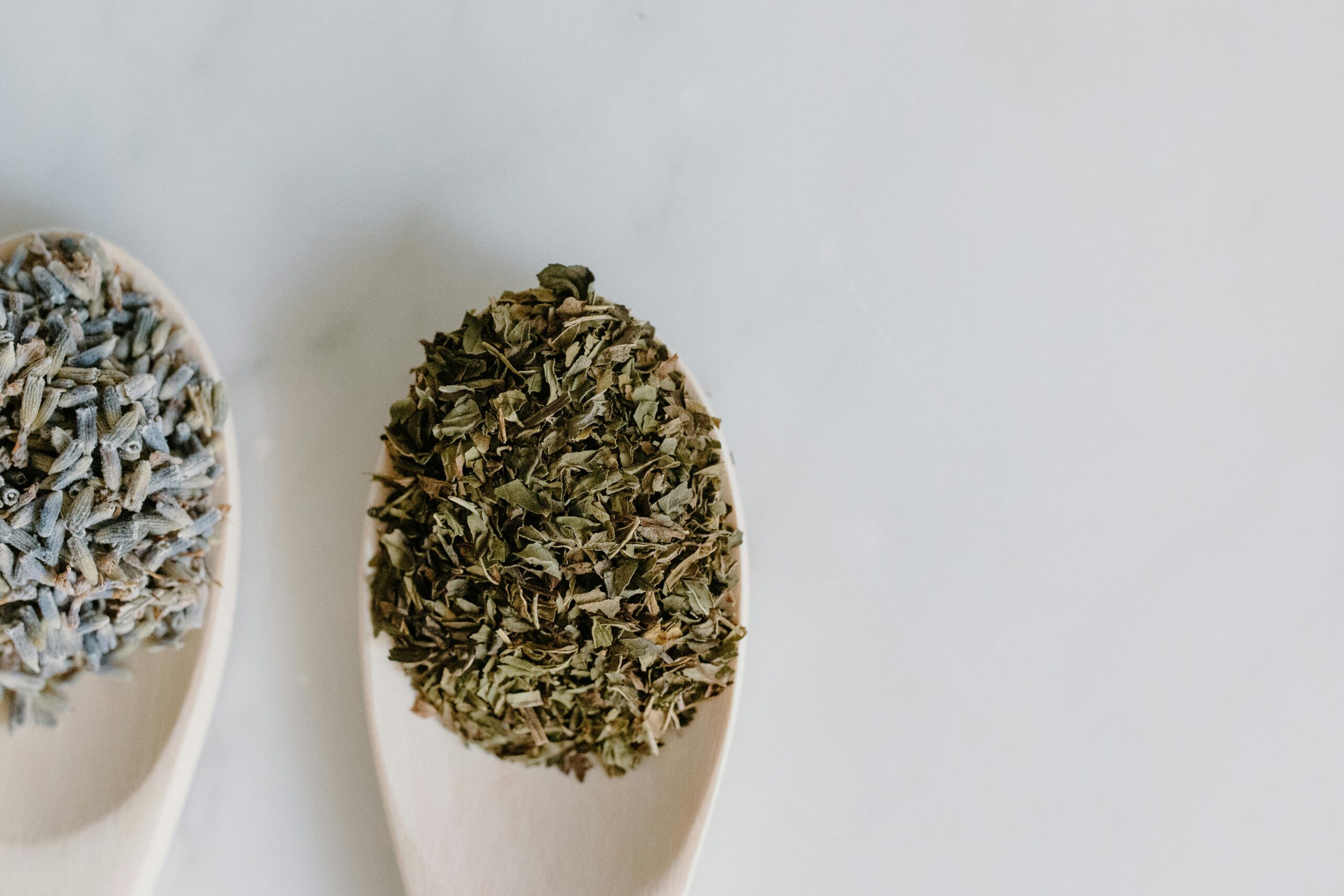
Individual dried herbs and spices contain minimal to no FODMAPs and create endless flavor variations. Stock basics like basil, oregano, thyme, rosemary, cumin, paprika, turmeric, cinnamon, and black pepper. These aromatic additions transform simple ingredients into diverse international cuisines without digestive consequences.
Avoid spice blends and seasoning mixes unless you’ve verified their ingredients, as many contain onion powder, garlic powder, or other high-FODMAP additives. Creating your own spice blends ensures control over ingredients while delivering superior flavor. Whole spices generally maintain potency longer than ground versions, though both work well for different applications.
🍯 Sweeteners and Baking Essentials
Many common sweeteners contain high FODMAP levels, particularly honey, agave, and high-fructose corn syrup. However, several excellent alternatives sweeten foods without triggering symptoms. Pure maple syrup remains low-FODMAP at tablespoon servings and brings complex flavor to both sweet and savory dishes.
Table sugar (sucrose) contains no FODMAPs and works perfectly for baking and sweetening beverages. Brown sugar, molasses in small amounts, and glucose syrup also fit within low-FODMAP parameters. These traditional sweeteners store indefinitely when kept dry, making them reliable pantry residents.
For those seeking low-calorie options, certain artificial sweeteners work well. Stevia and sucralose don’t contain FODMAPs, though some people find they have digestive effects through different mechanisms. Avoid sorbitol, mannitol, xylitol, and other polyol-based sweeteners, as these sugar alcohols are themselves FODMAPs and frequently trigger symptoms.
🥜 Nuts, Seeds, and Portable Snack Options
Nuts and seeds provide protein, healthy fats, and satisfying crunch, though portion control matters significantly. Almonds remain low-FODMAP at about ten nuts per serving, while macadamias allow up to twenty nuts. Peanuts, despite being legumes rather than true nuts, work well at thirty-two nuts per serving. Walnuts, pecans, and pine nuts also fit comfortably within low-FODMAP limits.
Seeds generally offer more generous serving sizes. Pumpkin seeds, sunflower seeds, chia seeds, and flax seeds all provide nutritional benefits without FODMAP concerns at typical portions. These shelf-stable snacks deliver quick energy during busy days and add texture to salads, yogurt, or baked goods.
Store nuts and seeds in airtight containers in cool, dark locations to prevent rancidity. For extended storage beyond three to six months, keep them in the refrigerator or freezer, where they’ll maintain quality for a year or longer. This becomes particularly important for higher-fat varieties like walnuts and pecans.
Packaged Snacks for Convenience
Several commercially available snacks fit low-FODMAP requirements and offer grab-and-go convenience. Rice crackers, corn chips (check for high-FODMAP seasonings), and certain protein bars formulated without high-FODMAP ingredients provide options when you need something immediately. Always verify ingredients, as formulations change and regional variations exist.
Plain popcorn makes an excellent high-fiber, low-FODMAP snack that stores well and satisfies cravings for something crunchy. Air-popped or prepared with low-FODMAP oils and seasonings, popcorn delivers volume and satisfaction without triggering digestive distress. Dark chocolate with 70% or higher cocoa content works in moderation, offering antioxidants along with indulgence.
🥤 Beverages and Drink Mixes
Staying hydrated matters for overall health and digestive function, and several shelf-stable beverage options work beautifully. Tea—including black, green, white, and most herbal varieties—contains no FODMAPs and offers diverse flavors. Avoid teas with chicory root, dandelion, or chamomile during the elimination phase, as these may cause issues for some individuals.
Coffee remains low-FODMAP and provides a morning ritual for many people. Both regular and decaffeinated versions work, though some individuals find caffeine affects their digestive systems independently of FODMAPs. Instant coffee crystals offer shelf-stable convenience for travel or emergency situations.
Plant-based milk alternatives vary significantly in FODMAP content. Almond milk (small servings), coconut milk (canned or carton varieties), and rice milk generally work well. Shelf-stable versions in aseptic packaging last for months unopened, providing reliable options when fresh isn’t available. Avoid soy milk made from whole soybeans; choose versions made from soy protein instead, which contain fewer FODMAPs.
📦 Strategic Storage and Organization Systems
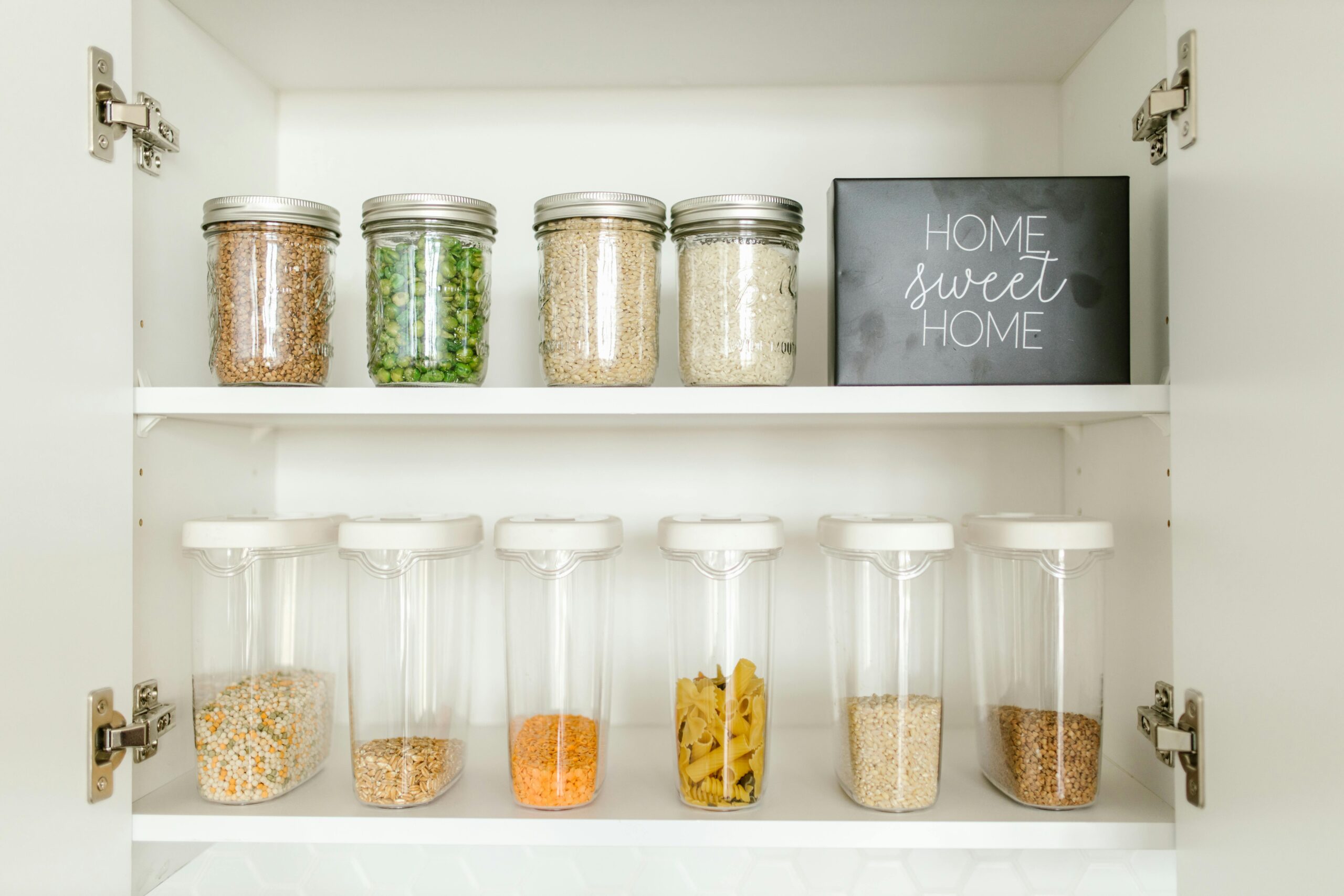
Even the best pantry staples lose value if they’re disorganized or forgotten. Implement a first-in, first-out rotation system to ensure older items get used before newer purchases. Clear, airtight containers protect foods from humidity, pests, and oxidation while making it easy to see what you have at a glance.
Label everything with both contents and purchase or expiration dates. While many shelf-stable foods last beyond their printed dates when properly stored, tracking helps you make informed decisions about quality and safety. Group similar items together—grains with grains, canned proteins with canned proteins—to streamline meal planning and shopping list creation.
Dedicate specific areas to low-FODMAP items if you share your home with people who don’t follow the diet. This separation prevents cross-contamination and accidental consumption of trigger foods. It also makes cooking easier when you know exactly where to find compliant ingredients during busy meal preparation.
Temperature and Environment Considerations
Most shelf-stable foods prefer cool, dark, and dry conditions. Avoid storing pantry items near heat sources like ovens, dishwashers, or sunny windows, as temperature fluctuations and light exposure degrade quality faster. Basements often provide ideal conditions if they’re dry, though damp basements can promote mold growth and should be avoided.
Consider seasonal adjustments to your storage strategy. In humid summer months, silica gel packets in storage containers can absorb excess moisture. During winter, ensure your storage area doesn’t drop to freezing temperatures, which can affect the texture and quality of certain items like canned goods.
🛒 Building Your Pantry Systematically
Creating a comprehensive low-FODMAP pantry doesn’t happen overnight, nor should it. Start with essentials you already use regularly, then gradually expand to include backup options and ingredients for new recipes you want to try. This measured approach prevents overwhelming yourself financially and helps you learn which items truly fit your lifestyle.
Begin with a solid foundation: rice, gluten-free pasta, canned tuna or salmon, olive oil, garlic-infused oil, basic spices, and a few favorite snacks. These items alone enable dozens of simple meals and provide security during busy periods. Each shopping trip, add one or two new shelf-stable items until you’ve built a diverse collection.
Take advantage of sales and bulk purchasing for non-perishable items you use frequently. Many low-FODMAP specialty products cost more than conventional alternatives, so strategic buying saves money over time. However, only buy what you have proper storage for and will realistically use before quality declines.
🌟 Maximizing Versatility in Your Staple Selection
The most valuable pantry staples serve multiple purposes and adapt to various cuisines and meal types. Rice works for breakfast porridge, lunch grain bowls, dinner stir-fries, and even desserts like rice pudding. Canned tomatoes (without garlic or onion) transform into pasta sauce, soup base, curry foundation, or shakshuka.
Think across meal categories when selecting items. Oats serve as hot breakfast cereal but also work in baking, as coating for proteins, or blended into smoothies. Canned coconut milk enriches curries, creates dairy-free ice cream, upgrades coffee, and adds richness to soups. This versatility maximizes your investment and minimizes the total number of items you need to stock.
Consider your personal cooking style and preferences. If you never bake, extensive flour storage makes little sense. If you prefer Asian flavors, prioritize rice noodles, tamari, and sesame oil. Your pantry should reflect your actual eating patterns rather than an idealized version of how you think you should cook.
💡 Practical Meal Ideas from Pantry Staples
A well-stocked pantry enables complete meals without fresh ingredients. Mix canned tuna with mayonnaise (check for FODMAP-friendly varieties), lemon juice, and chives served over rice crackers. Combine rice, canned tomatoes, canned chicken, and your favorite low-FODMAP spices for a comforting one-pot meal. Cook quinoa and top with canned salmon, a drizzle of garlic-infused oil, and fresh lemon zest if available.
Breakfast becomes effortless with shelf-stable options. Oatmeal topped with maple syrup, chia seeds, and a handful of pecans provides satisfying nutrition. Rice cakes spread with peanut butter and sliced banana (firm, unripe bananas remain low-FODMAP) offer quick fuel before rushing out the door.
Emergency dinners come together quickly from pantry ingredients. Gluten-free pasta tossed with garlic-infused olive oil, canned tuna, capers, and red pepper flakes creates an impressive meal in fifteen minutes. Fried rice using leftover rice (or quick-cooking varieties), eggs, frozen vegetables (if you keep some on hand), and tamari transforms simple ingredients into restaurant-style comfort food.
🔄 Adapting to Different Life Stages and Circumstances
Your pantry needs evolve as your life changes. New parents benefit from extremely quick-prep options that require minimal active cooking time. Students in small apartments need space-efficient storage solutions. People managing multiple dietary restrictions alongside low-FODMAP requirements need even more carefully curated selections.
Seasonal adjustments make sense too. During summer’s abundant fresh produce season, your pantry might play a supporting role with oils, grains, and condiments. Winter months or locations with limited fresh options elevate the importance of shelf-stable vegetables like canned tomatoes, jarred roasted peppers, and preserved artichoke hearts (in appropriate serving sizes).
Travel and unexpected disruptions—from natural disasters to personal emergencies—highlight the security of a well-stocked pantry. When you can’t shop for days or weeks, having familiar, safe foods available reduces stress and ensures you can maintain your dietary needs regardless of external circumstances.
🎯 Maintaining Momentum and Preventing Pantry Fatigue
Even the best-planned pantry becomes boring if you cook the same meals repeatedly. Prevent pantry fatigue by intentionally trying new recipes, experimenting with unfamiliar spices, or exploring different cuisines within your low-FODMAP parameters. Join online communities where people share creative ways to use common ingredients.
Rotate your regular recipes seasonally or monthly to maintain interest. Designate one night weekly as “pantry challenge night” where you create something new from existing ingredients without additional shopping. This practice sparks creativity, prevents waste, and often yields surprisingly delicious discoveries.
Balance shelf-stable staples with fresh ingredients when possible. While your pantry provides the foundation, adding fresh herbs, seasonal vegetables in safe portions, or proteins from the butcher counter creates variety and ensures nutritional completeness. The goal isn’t eating exclusively from shelf-stable foods but having them reliably available when needed.
Building and maintaining a low-FODMAP pantry represents an investment in your health, peace of mind, and quality of life. These carefully selected staples eliminate daily stress about what you can safely eat while providing endless possibilities for delicious, symptom-free meals. Whether you’re newly diagnosed with IBS, fine-tuning your personal trigger foods, or simply committed to feeling your best, a thoughtfully stocked pantry supports your journey every single day. Start small, build gradually, and soon you’ll find that managing digestive sensitivities becomes second nature rather than a constant challenge.